
 한국어
 English
 日本語
 中文(简体)
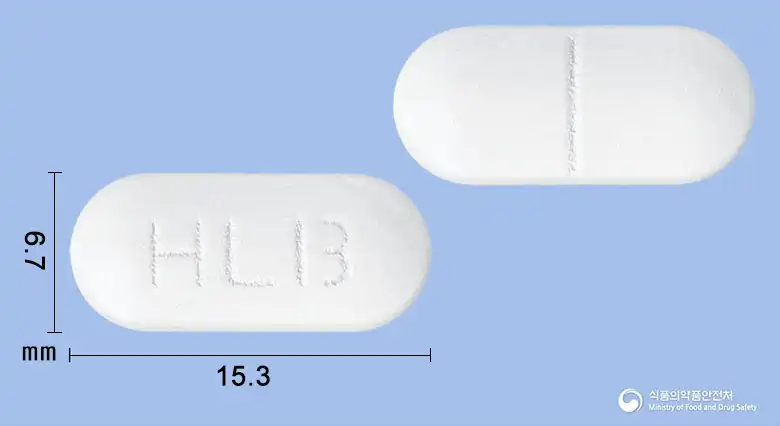 Viewing now
Huroxime 250 mg (Cefuroxime Axetil)
Cefuroxime Axetil 300.72mg
Tablet · Prescription medication
HLB Pharmaceuticals Co., Ltd.
MFDS item code 201905697 · Approved 2019.08.13 · Insurance code 647304250
Treatment of respiratory tract infections, genitourinary infections and gonorrhea, skin and soft tissue infections, and early Lyme disease
Cefuroxime is an antibiotic used to treat various bacterial infections. This medication is effective against upper respiratory infections such as otitis media, sinusitis, tonsillitis, and pharyngitis, as well as lower respiratory infections including acute and chronic bronchitis and pneumonia. It is also used for urogenital infections such as pyelonephritis, cystitis, and urethritis, and is effective for skin and soft tissue infections like furunculosis, pyoderma, and impetigo. It is applicable for treating a type of gonorrhea called acute gonococcal urethritis and gonococcal cervicitis. Additionally, it is used to improve the symptoms of early Lyme disease. Cefuroxime is stable to beta-lactamase and effective against resistant strains, making it suitable for treating a wide range of infections.
Directions: For optimal absorption, take after meals. 3. Patients with renal impairment Cefuroxime is primarily excreted by the kidneys. In patients with significantly impaired renal function, the dose of cefuroxime should be reduced as shown below to compensate for delayed excretion. Creatinine clearance T1/2 (hours) Recommended dose ≥ 30 mL/min/1.73m2 1.4 - 2.4 No dose adjustment required (standard dose: 125mg-500mg twice daily) 10 - 29 mL/min/1.73m2 4.6 Administer the standard single dose every 24 hours < 10 mL/min/1.73m2 16.8 Administer the standard single dose every 48 hours Patients receiving hemodialysis 2 - 4 Administer an additional standard single dose at the end of each dialysis session
Children aged 12 years and older, most infections: Administer 250mg per dose twice daily. Children aged 12 years and older, severe lower respiratory tract infections, pneumonia, severe infections, or suspected infections caused by organisms with reduced susceptibility: Administer 500mg per dose twice daily. Children aged 12 years and older, urinary tract infections: Administer 250mg per dose twice daily. Children aged 12 years and older, uncomplicated gonorrhea: Administer a single 1g dose. Children aged 12 years and older, Lyme disease: Administer 500mg per dose twice daily for 14 days (10~21 days). Children under 12 years, most infections: Administer 125mg per dose twice daily. Children aged 2 years and older, otitis media or severe infections: Administer 250mg per dose twice daily. Children under 12 years, Lyme disease: Administer 250mg per dose twice daily for 14 days (10~21 days). There is insufficient experience with use in infants under 3 months of age. For the treatment of infections caused by Streptococcus pyogenes (Group A beta-hemolytic), this medicine should be administered for 7~10 days. This medicine must not be divided and is therefore not suitable for treating patients who cannot swallow tablets, such as young infants and children.
This medication should not be used in patients with a history of hypersensitivity to cephalosporin antibiotics. Caution is required when administering it to patients with a history of allergy to penicillin or other beta-lactam antibiotics. Patients with a tendency to exhibit allergic reactions such as bronchial asthma, skin rashes, or urticaria should also be monitored closely. Caution is particularly necessary in patients with severely impaired kidney function; regular testing is recommended. Patients who have difficulty taking orally, elderly patients, or those in poor general condition should be closely monitored due to the potential for side effects such as Vitamin K deficiency. Mild side effects such as headache, dizziness, diarrhea, nausea, or abdominal pain may occur frequently. Rarely, serious allergic reactions including rashes, urticaria, or anaphylaxis may occur; if unusual symptoms manifest, administration should be discontinued immediately. Serious skin reactions such as Stevens-Johnson syndrome or toxic epidermal necrolysis have been reported; thus, monitoring of skin conditions is essential. Prolonged use may lead to intestinal adverse effects such as Candida overgrowth or pseudomembranous colitis. When used concurrently with other medications, especially diuretics or aminoglycoside antibiotics, caution is required due to possible renal function impact. Pregnant or breastfeeding women should consult a physician before using this medication. Caution is necessary for children, especially infants under 3 months, as safety has not been established; formulations with reduced bitterness are recommended for pediatric patients. In elderly patients, the risk of side effects increases due to decreased physiological functions, necessitating careful dose adjustments and intervals. Caution should also be taken as this medication may cause dizziness while driving or operating machinery. In cases of overdose, serious neurological side effects such as seizures may occur; therefore, dosage must be strictly adhered to. Store the product in a sealed container out of reach of children, and ensure it is kept in its original container.
Not everyone experiences these, and they can vary from person to person.
This medication should be stored in a tightly sealed container to prevent air or moisture from entering. Additionally, it is advisable to store the medication in a cool place at a temperature below 30 degrees Celsius to maintain its efficacy over time.
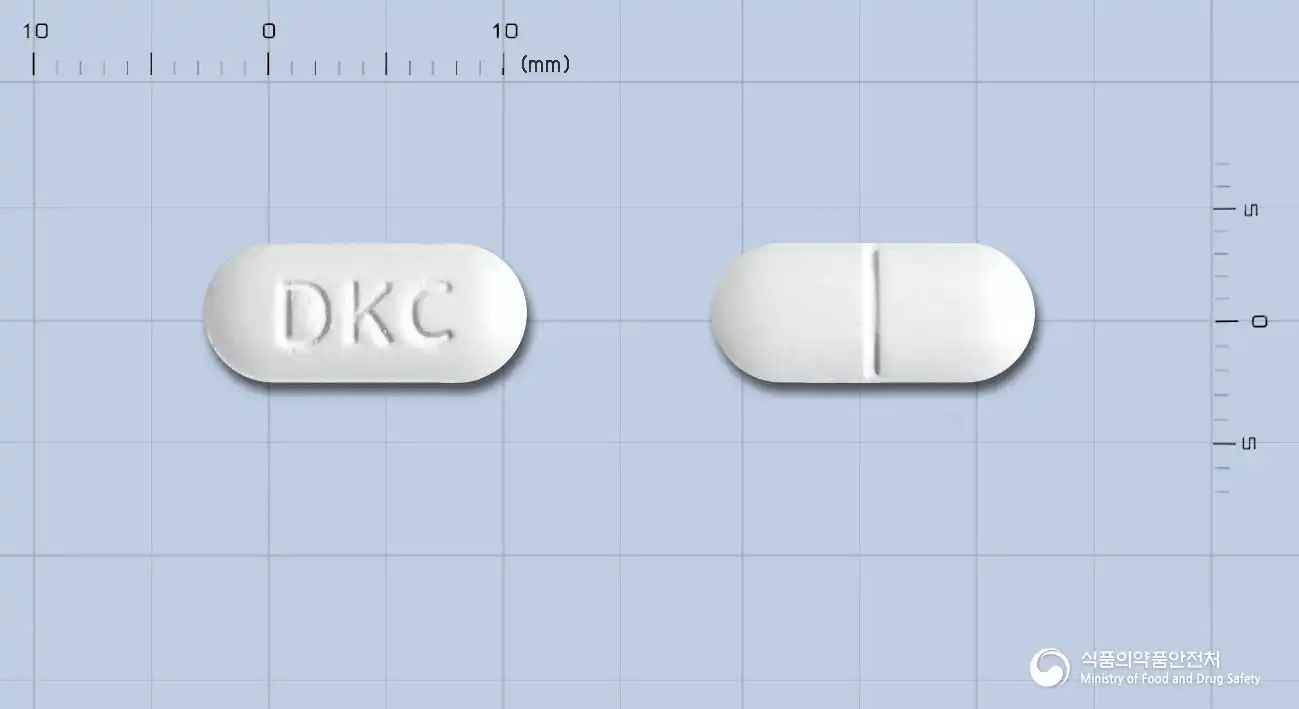
White to off-white oval film-coated tablets
100 tablets (10 tablets/PTP*10)
Even with the same ingredient, strength, dosage form and how it is taken can differ.
Viewing nowCefuroxime Axetil 300.72mg
Tablet · Prescription medication
HLB Pharmaceuticals Co., Ltd.
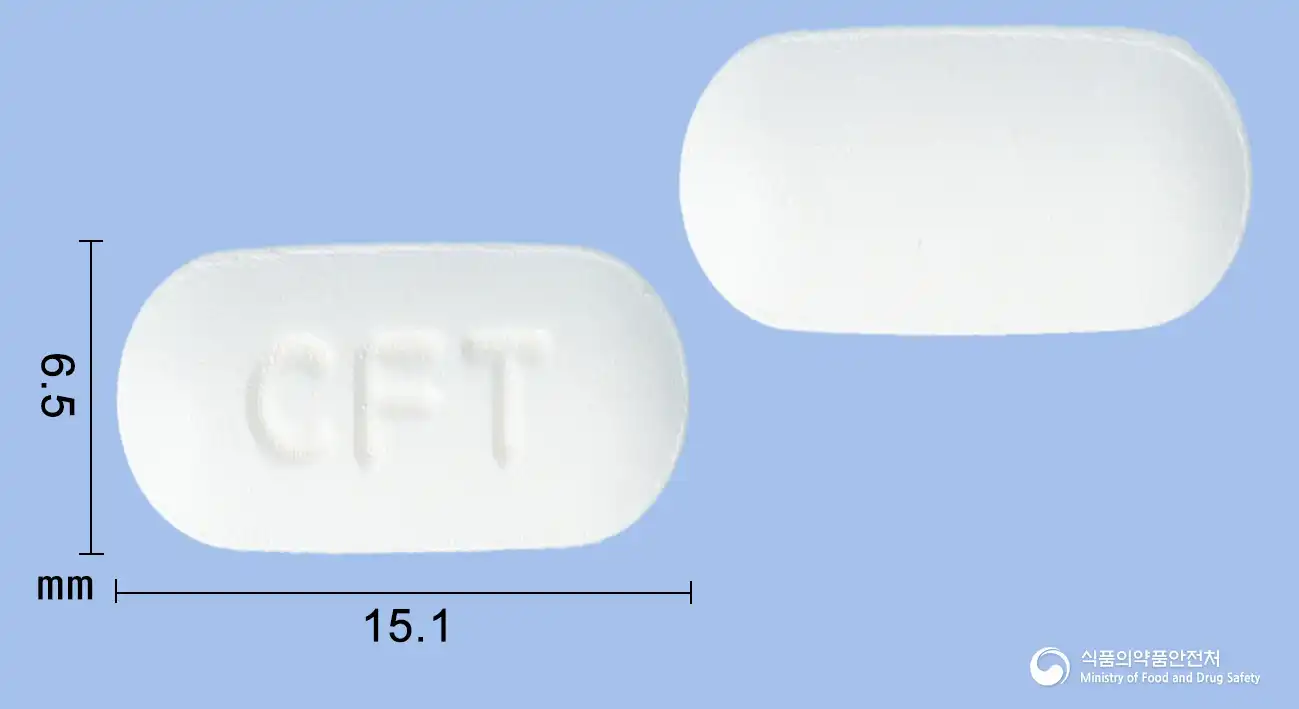
Cefuroxime Axetil 300.72mg
Tablet · Prescription medication
Hanmi Pharmaceutical Co., Ltd.
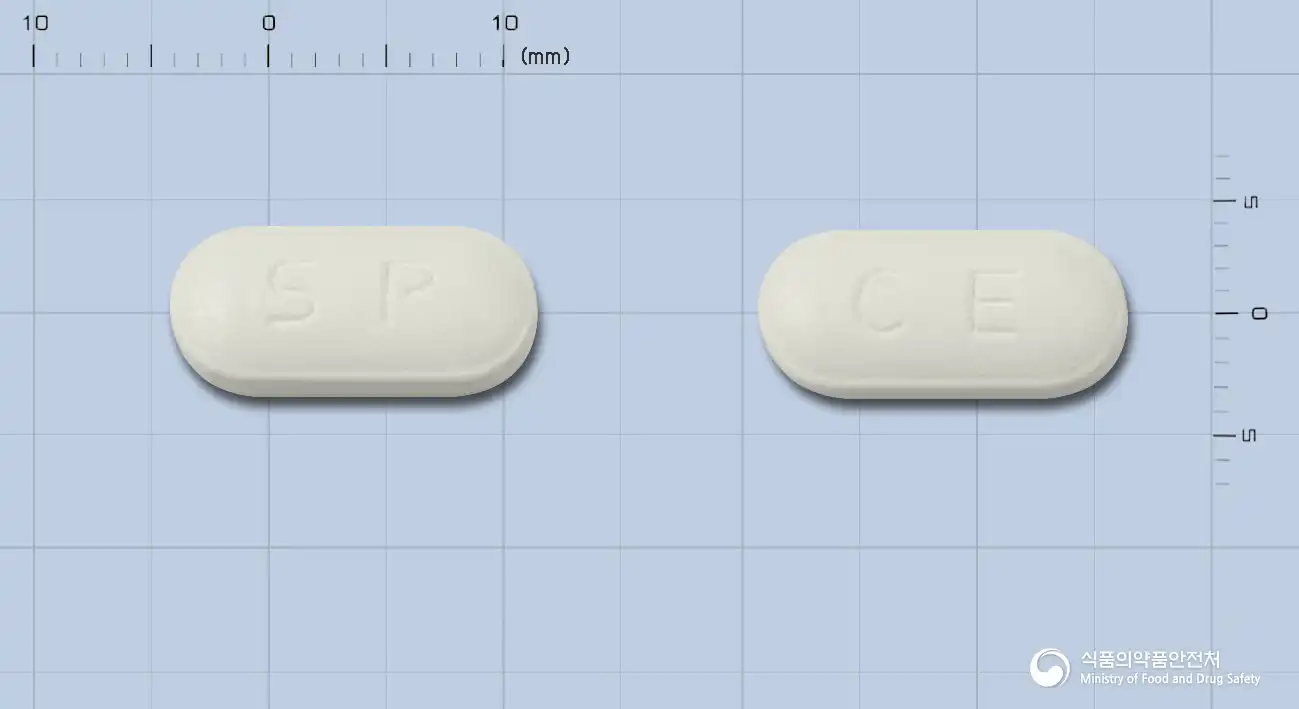
Cefuroxime Axetil 300.72mg
Tablet · Prescription medication
Shinpoong Pharmaceutical Co., Ltd.
Cefuroxime Axetil 300.72mg
Tablet · Prescription medication
Celix Co., Ltd.
Cefuroxime Axetil
Prescription medication
Austin Pharmaceutical Co., Ltd.
Cefuroxime Axetil
Prescription medication
Mirae Biopharmaceutical Co., Ltd.
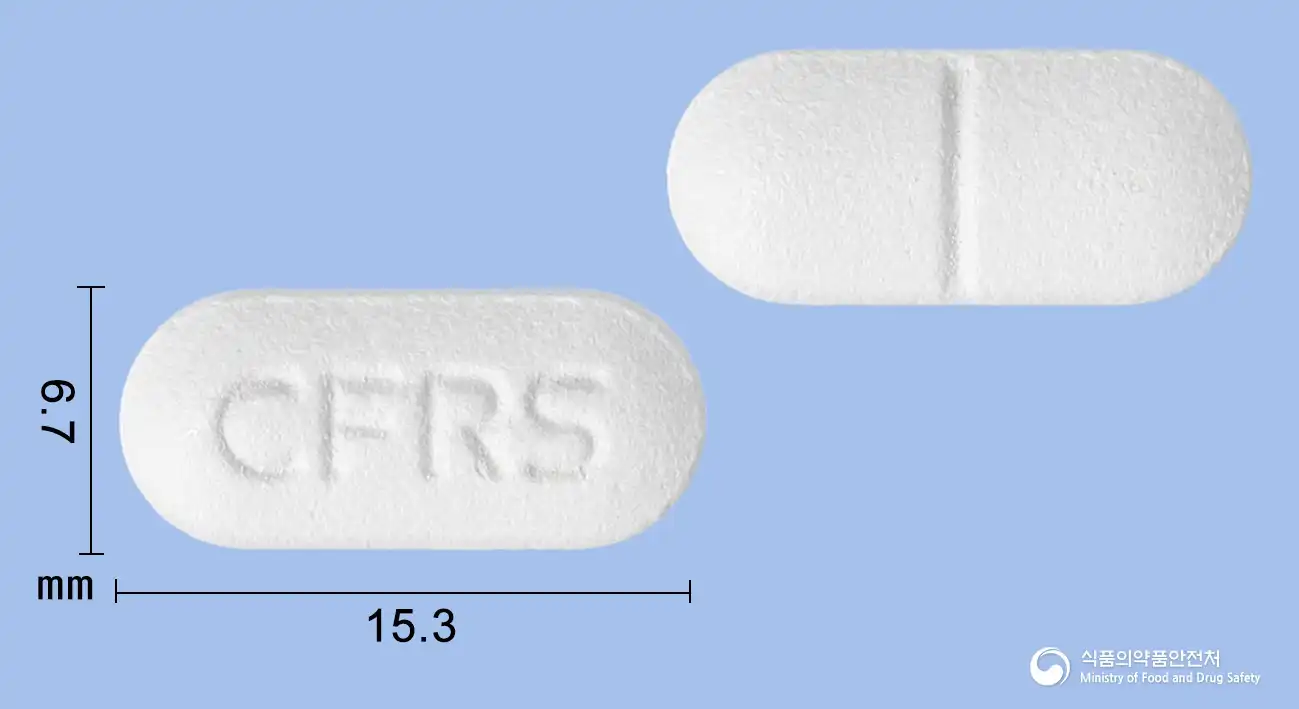
Cefuroxime Axetil 300.72mg
Tablet · Prescription medication
Korea Prime Pharmaceutical Co., Ltd.
Cefuroxime Axetil 300.72mg
Tablet · Prescription medication
Dong Gu Bio Pharmaceutical Co., Ltd.
Even with the same ingredient, the dose and directions can differ by strength and dosage form. Talk to a doctor or pharmacist before switching from a medication you are already taking.
No questions yet.
For anything that needs medical judgment, consult a doctor or pharmacist.
This drug information is based on data provided by the Korea Ministry of Food and Drug Safety.
Consult a doctor or pharmacist for accurate dosage, administration, and usage instructions.