
 한국어
 English
 日本語
 中文(简体)
 Viewing now
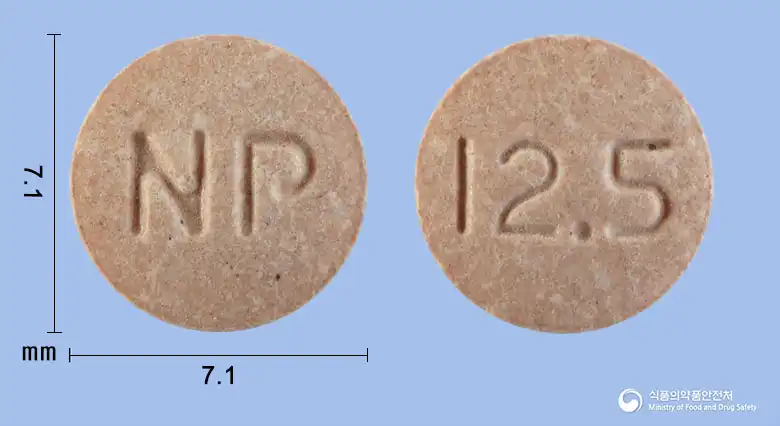
Diltiazem 12.5 mg (Carvedilol)
Carvedilol 12.5mg
Tablet · Prescription medication
Daehan New Pharm Co., Ltd.
MFDS item code 201905369 · Approved 2019.07.29
Adjunctive treatment of congestive heart failure; treatment of essential hypertension and chronic stable angina
This medication is used in conditions such as essential hypertension, chronic stable angina, and congestive heart failure, which are cardiovascular diseases. It is particularly useful as adjunct therapy when used alongside diuretics, digitalis preparations, ACE inhibitors, and other vasodilators, aiding in the alleviation of symptoms. This medication helps control blood pressure and improve heart function, thus contributing to an enhanced quality of life for patients. Therefore, it is effectively used in the treatment of cardiovascular diseases.
Do not increase the dose or discontinue treatment without a physician's instructions. 1. Essential hypertension 1) Adults (1) Administer 12.5 mg of carvedilol orally once daily for the first 2 days, then 25 mg orally once daily. (2) The usual dose is 25 mg orally once daily for 2 weeks. If an increase is necessary, increase to 25 mg per dose twice daily. The maximum single dose is 25 mg, and the maximum daily dose is 50 mg. 2) Older adults In some older adults, 12.5 mg once daily may provide an adequate response. However, if the response is insufficient after 2 weeks of treatment, the dose may be increased. 2. Chronic stable angina 1) Administer 12.5 mg of this medicine per dose twice daily for the first 2 days, then 25 mg per dose twice daily. 2) The usual dose is 25 mg per dose twice daily for 2 weeks. If an increase is necessary (excluding older adults), the dose may be increased to 50 mg per dose twice daily. 3. Congestive heart failure Before starting treatment with this medicine, the patient's existing standard therapy (conventional treatment for chronic heart failure with an ACE inhibitor, diuretic, and usually a digitalis preparation) should be stable. Fluid retention should also be minimized before starting treatment with this medicine. 1) The usual initial dose is 3.125 mg of this medicine per dose, orally twice daily for 2 weeks. If the patient tolerates this treatment well, increase to 6.25 mg per dose twice daily for 2 weeks, then increase to 12.5 mg per dose twice daily for 2 weeks, and then increase to 25 mg per dose twice daily. 2) Increase the dose gradually after taking each dose level for at least 2 weeks, up to the dose tolerated by the patient. 3) The effective minimum dose is 6.25 mg per dose twice daily. The maximum dose is 25 mg per dose twice daily for patients weighing 85 kg or less, and 50 mg per dose twice daily for patients weighing more than 85 kg. 4) To control the rate of absorption, administration with meals in the morning and evening is recommended. Taking this medicine with food slows absorption and may reduce the incidence of orthostatic hypotension.
This medication should not be administered to certain patients. For example, those with known allergies to this medication or its components, patients experiencing cardiogenic shock, individuals with extremely slow heart rates, patients with heart conditions related to the lungs, those with severe metabolic abnormalities due to diabetes, patients with very weak heart function, individuals with asthma or chronic pulmonary disease, and pregnant or breastfeeding women, among others, may be at risk. Moreover, special care should be taken when administering this medication to diabetic patients, those with severe allergic reactions, individuals with heart function issues, elderly patients, and those with impaired kidney or liver function. During the course of treatment with this medication, symptoms such as dizziness, headache, and fatigue may occur, along with a slower heart rate or decreased blood pressure, so attention is required. In severe cases, worsening heart function or side effects such as difficulty breathing or skin rash may present, necessitating immediate consultation with a physician if unusual symptoms are observed. Regular monitoring of heart function, blood pressure, liver, and kidney function should be conducted if this medication is used for a prolonged period. Abrupt discontinuation may worsen heart issues, so dosage should be gradually reduced as directed by a physician. Interactions may occur when this medication is taken with other drugs, so it is essential to inform the physician or pharmacist of any current medications being taken, particularly with antihypertensives, diabetes medications, antidepressants, sedatives, and certain antiarrhythmics. Pregnant or breastfeeding women should not take this medication, and its safety has not been established in individuals under 18 years old, thus avoiding use in this population is advisable. Elderly patients may have decreased liver function, leading to elevated levels of this medication, hence starting with a lower dose and close monitoring of their condition is recommended. In the event of overdose, symptoms such as sudden drops in blood pressure, slowed heart rate, or serious cardiac issues may arise, requiring immediate medical attention. This medication may discolor due to light exposure; therefore, it should be stored in a light-resistant container and kept out of reach of children. Transferring it to another container may not be conducive to quality maintenance.
Not everyone experiences these, and they can vary from person to person.
This medication is sensitive to light, so it should be stored in a dark container, preferably at room temperature between 1°C and 30°C. Storing in this manner will help maintain the medication's effectiveness and prevent degradation.
Reddish-brown round tablet
90 tablets (10 tablets/PTP X 9)
Even with the same ingredient, strength, dosage form and how it is taken can differ.
Viewing nowCarvedilol 12.5mg
Tablet · Prescription medication
Daehan New Pharm Co., Ltd.
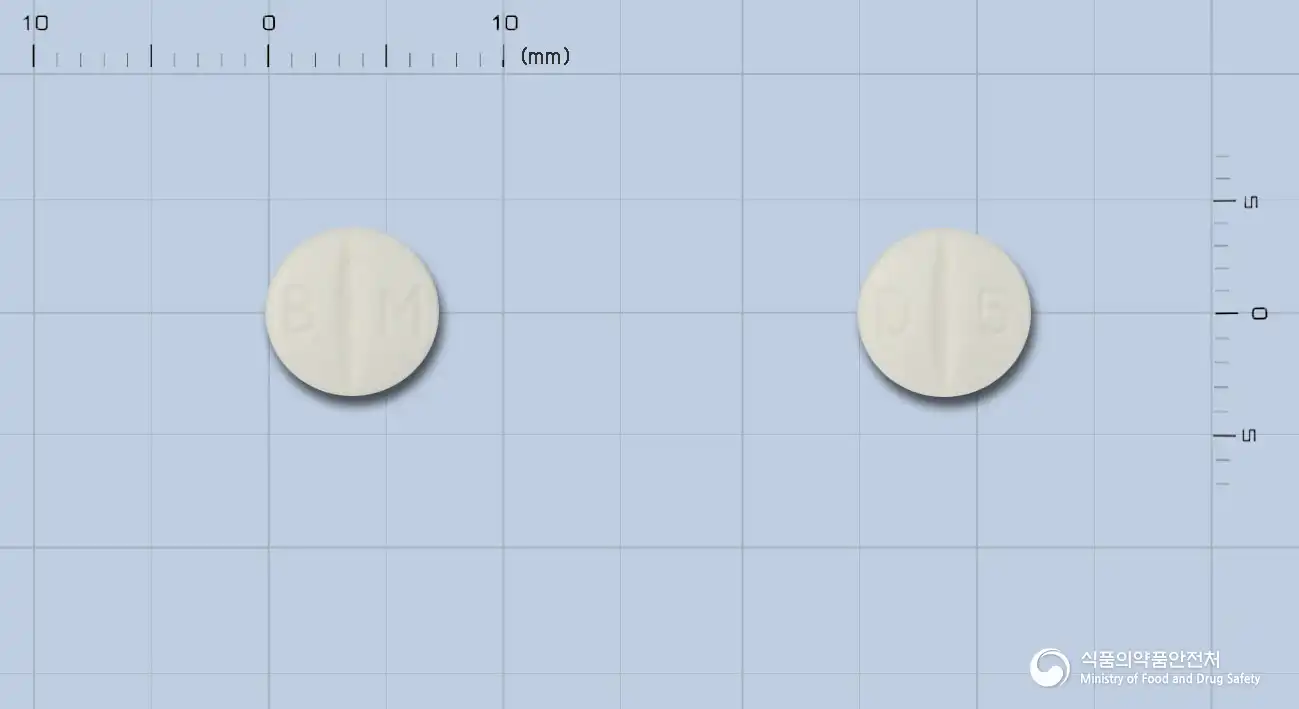
Carvedilol 25mg
Tablet · Prescription medication
Jongkun Dang Co., Ltd.
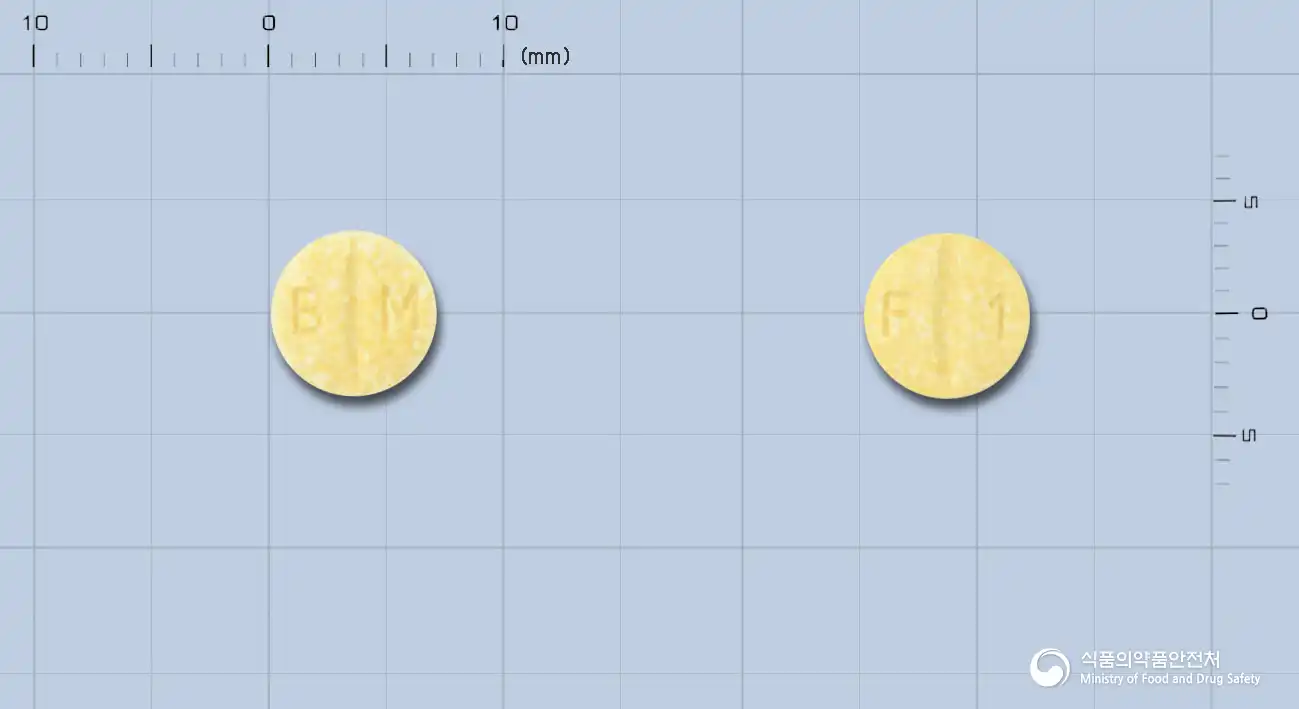
Carvedilol 6.25mg
Tablet · Prescription medication
Jongkundang Co., Ltd.
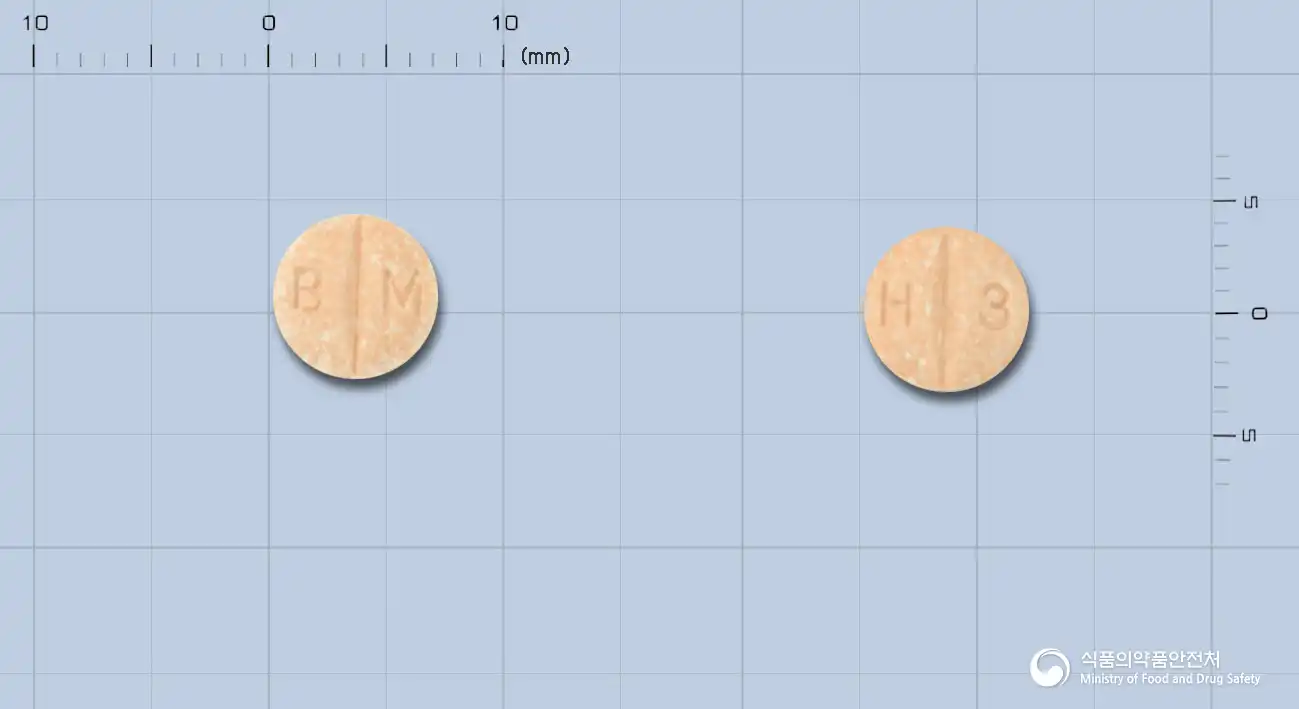
Carvedilol 12.5mg
Tablet · Prescription medication
Jongkundang Co., Ltd.
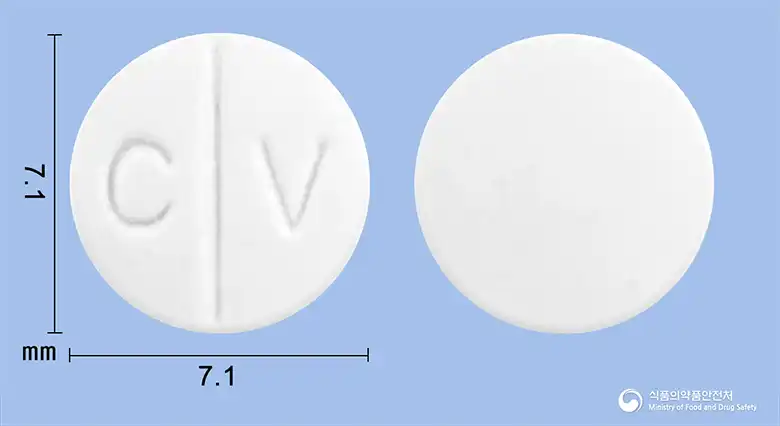
Carvedilol 25mg
Tablet · Prescription medication
Hanmi Pharmaceutical Co., Ltd.
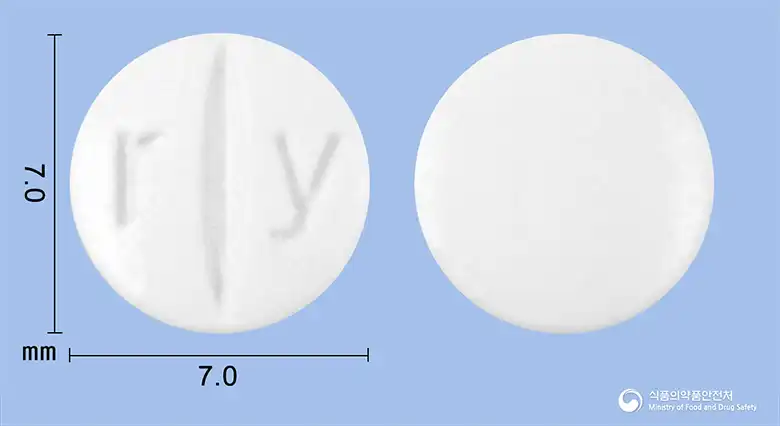
Carvedilol 25mg
Tablet · Prescription medication
Lee Yeon Pharmaceuticals Co., Ltd.
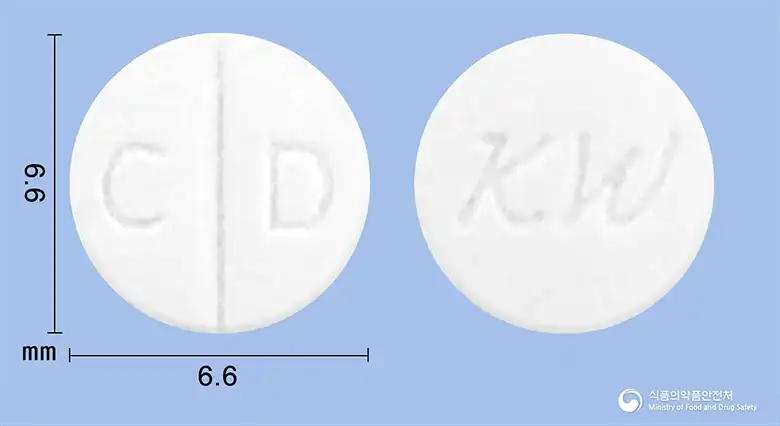
Carvedilol 25mg
Tablet · Prescription medication
Albozen Korea Co., Ltd.
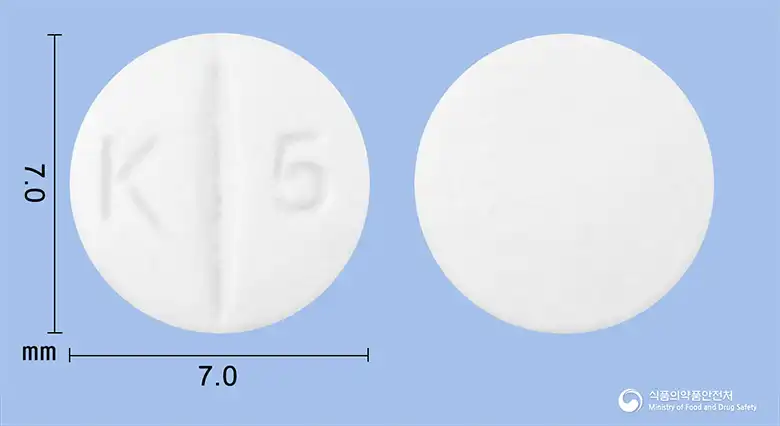
Carvedilol 25mg
Tablet · Prescription medication
Myungin Pharmaceutical Co., Ltd.
Even with the same ingredient, the dose and directions can differ by strength and dosage form. Talk to a doctor or pharmacist before switching from a medication you are already taking.
No questions yet.
For anything that needs medical judgment, consult a doctor or pharmacist.
This drug information is based on data provided by the Korea Ministry of Food and Drug Safety.
Consult a doctor or pharmacist for accurate dosage, administration, and usage instructions.