
 한국어
한국어 English
 日本語
日本語 中文(简体)
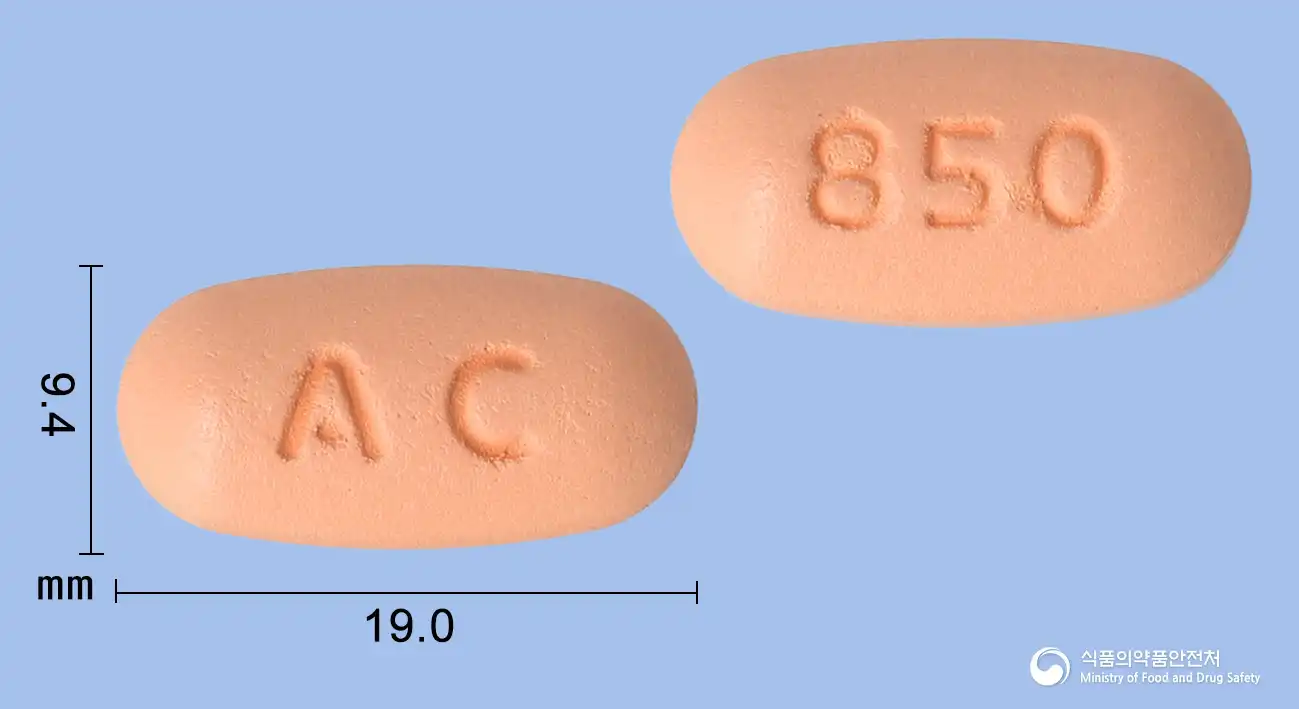 Viewing nowCombination
Laninoduo Tablet 2.5/850 mg
Linagliptin 2.5mg · Metformin Hydrochloride 850mg
Tablet · Prescription medication · Combination
Aliko Pharmaceutical Co., Ltd.
MFDS item code 201904408 · Approved 2019.06.27 · Insurance code 656005460
Improvement of blood sugar control in type 2 diabetes
This medicine helps control blood sugar levels in patients with type 2 diabetes by using linagliptin and metformin together. It assists in effectively managing blood sugar levels when taken in conjunction with meal therapy and exercise therapy. This helps improve blood sugar levels and aids in diabetes management.
The dosage of this medication should not exceed the maximum recommended dosages of linagliptin 2.5 mg and metformin 1000 mg twice daily, considering each patient's current treatment regimen, efficacy, and tolerability. This medication is administered twice daily with meals. To minimize gastrointestinal side effects associated with metformin use, the dose should be increased gradually. 1. If not currently treated with metformin: In cases where the patient has no previous experience of diabetes medication and finds it difficult to achieve sufficient blood sugar control with monotherapy, the initial dose of this medication is 2.5/500 mg taken twice daily, with the possibility of increasing to 2.5/1000 mg taken twice daily. 2. If sufficient blood sugar control cannot be achieved with metformin monotherapy: The initial dosage of this medication should consist of linagliptin 2.5 mg taken twice daily (total daily dose of 5 mg) and the existing metformin dosing regimen (for example, patients taking 1000 mg of metformin twice daily should take linagliptin 2.5 mg/metformin 1000 mg twice daily with meals). 3. When transitioning from combined therapy with linagliptin and metformin: Patients transitioning from existing therapy involving linagliptin and metformin should start at the dosing regimen used for these medications. 4. If sufficient blood sugar control cannot be achieved with combined therapy of metformin and sulfonylureas: The initial dose of this medication should consider linagliptin 2.5 mg twice daily (total daily dose of 5 mg) and a dosage similar to that of the existing metformin regimen. When this medication is combined with sulfonylureas, a reduction in sulfonylurea dosage may be necessary to reduce the risk of hypoglycemia (see precautions for careful administration in the following patients). 5. If insufficient blood sugar control is achieved with combined therapy of insulin and metformin: The initial dose of this medication should consider linagliptin 2.5 mg twice daily (total daily dose of 5 mg) and a dosage similar to that of the existing metformin regimen. When this medication is combined with insulin, a reduction in insulin dosage may be necessary to reduce the risk of hypoglycemia (see precautions for careful administration in the following patients). Studies reviewing the safety and efficacy of switching from other oral hypoglycemic agents to this medication have not been conducted. Any changes in the diabetes treatment regimen may lead to variations in blood sugar control, thus careful monitoring is required. Patients with kidney impairment: This medication can be used with dosage adjustments if patients with moderate kidney impairment stage 3a (creatinine clearance [CrCl] 45≤~<60 mL/min or estimated glomerular filtration rate [eGFR] 45≤~<60 mL/min/1.73 m2) do not present with other symptoms that would increase the risk of lactic acidosis. The starting dose of metformin is 500 mg or 850 mg once daily; therefore, this medication should not be started. The maximum recommended dose of metformin is 500 mg administered twice daily. Kidney function should be monitored closely every 3-6 months. If CrCl < 45 mL/min or eGFR < 45 mL/min/1.73 m2 indicates declining kidney function, this medication must be discontinued immediately. Patients with liver impairment: This medication should not be administered to patients with liver dysfunction due to the metformin component (see precautions not to administer in the following patients).
This medicine is used for the treatment of diabetes, and one of its active ingredients is hydrochloride metformin. Caution should be taken as there is a risk of a rare but serious metabolic complication known as lactic acidosis when taking this medication. Lactic acidosis is more likely to occur in patients with sharply deteriorating kidney function, heart disease, liver function impairment, etc. This medication should not be administered to certain patients, such as those with type 1 diabetes, severe kidney impairment, patients with acute myocardial infarction or heart failure, patients with liver function impairment, and women who are pregnant or breastfeeding. Additionally, caution is needed when used in conjunction with medications that pose a risk of hypoglycemia, as hypoglycemic symptoms may appear; elderly patients with decreased kidney function or those with potential kidney issues require regular kidney function tests. While taking this medication, there may be a risk of developing acute pancreatitis or blistering skin conditions, so any persistent severe abdominal pain or abnormal skin symptoms should be reported to a doctor immediately, and the use of the medication should be discontinued. Drug interactions are also important, so it is essential to inform your doctor or pharmacist about any other medications taken that may affect kidney function or blood sugar levels. Pregnant women or those planning to become pregnant should avoid this medication, and it is also advisable to refrain from using it while breastfeeding. The safety and efficacy of this medication in children or adolescents have not been established, and it is not recommended for them. Elderly patients often suffer from declining kidney function, so dosage adjustments and regular monitoring of kidney function should be performed. In case of overdose, there is a risk of lactic acidosis, thus requiring immediate treatment in a hospital, which may involve hemodialysis. This medication should be stored out of reach of children, away from moisture, and should not be transferred to other containers.
Urticaria, angioedema, lactic acidosis, pancreatitis, bullous pemphigoid, liver dysfunction (including liver function test abnormalities and hepatitis), angina, acute myocardial infarction, unstable angina, cardiac arrest, congestive heart failure, dyspnea, pneumonia, acute kidney injury, end-stage renal disease, acute cholangitis, acute cholecystitis, cholangitis, hypoglycemia (severe is rare but caution is required when combined with sulfonylureas or insulin), chest tightness, severe edema,
Nasopharyngitis, hypersensitivity, hypoglycemia (when linagliptin/metformin is administered in conjunction with sulfonylureas), dysgeusia, cough, decreased appetite, diarrhea, constipation (when linagliptin/metformin is administered in conjunction with insulin), nausea, vomiting, abdominal pain, vitamin B12 decrease and deficiency, liver function test abnormalities, hepatitis, pruritus, erythema, rash, oral ulcer formation, musculoskeletal and connective tissue disorders, rhabdomyolysis, increased lipase, amylase
Not everyone experiences these, and they can vary from person to person.
This medication is sensitive to air and moisture, so it should be stored in a tightly sealed container. Additionally, to maintain its effectiveness, it is recommended to store it at room temperature between 1 and 30 degrees Celsius.
Bright orange, biconvex, oval film-coated tablet
10 tablets/bottle, 30 tablets/bottle, 60 tablets/bottle, 100 tablets/bottle, 200 tablets/bottle, 30 tablets/box (10 tablets/PTP×3)
Even with the same ingredient, strength, dosage form and how it is taken can differ.
Viewing nowCombinationLinagliptin 2.5mg · Metformin Hydrochloride 850mg
Tablet · Prescription medication · Combination
Aliko Pharmaceutical Co., Ltd.
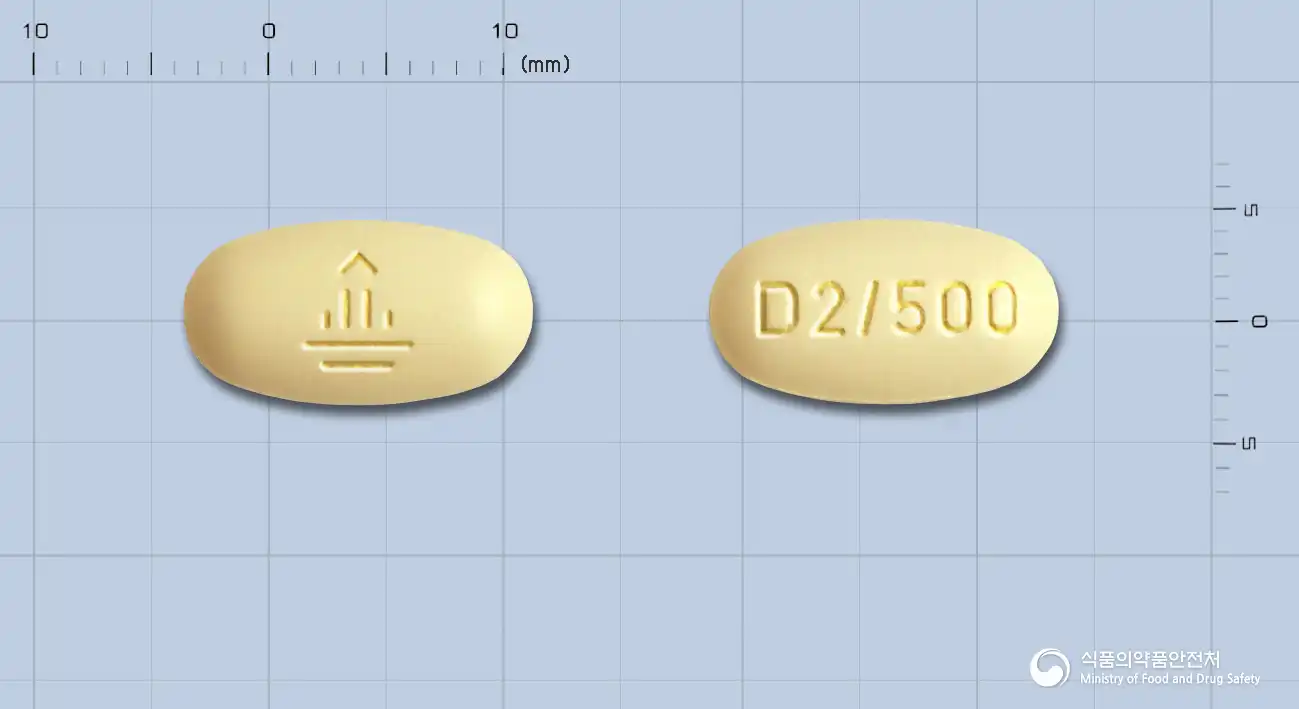 Combination
Linagliptin 2.5mg · Metformin Hydrochloride 500mg
Tablet · Prescription medication · Combination
Boehringer Ingelheim Korea Co., Ltd.
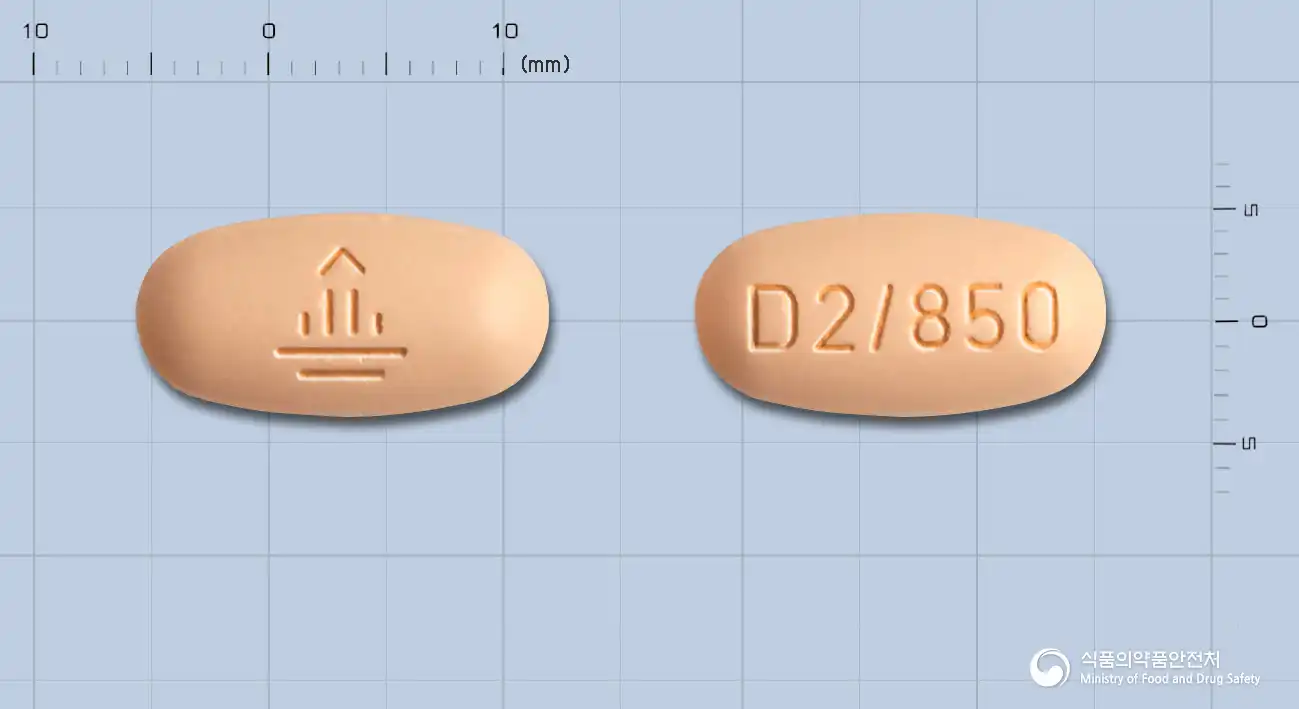 Combination
Linagliptin 2.5mg · Metformin Hydrochloride 850mg
Tablet · Prescription medication · Combination
Boehringer Ingelheim Korea Co., Ltd.
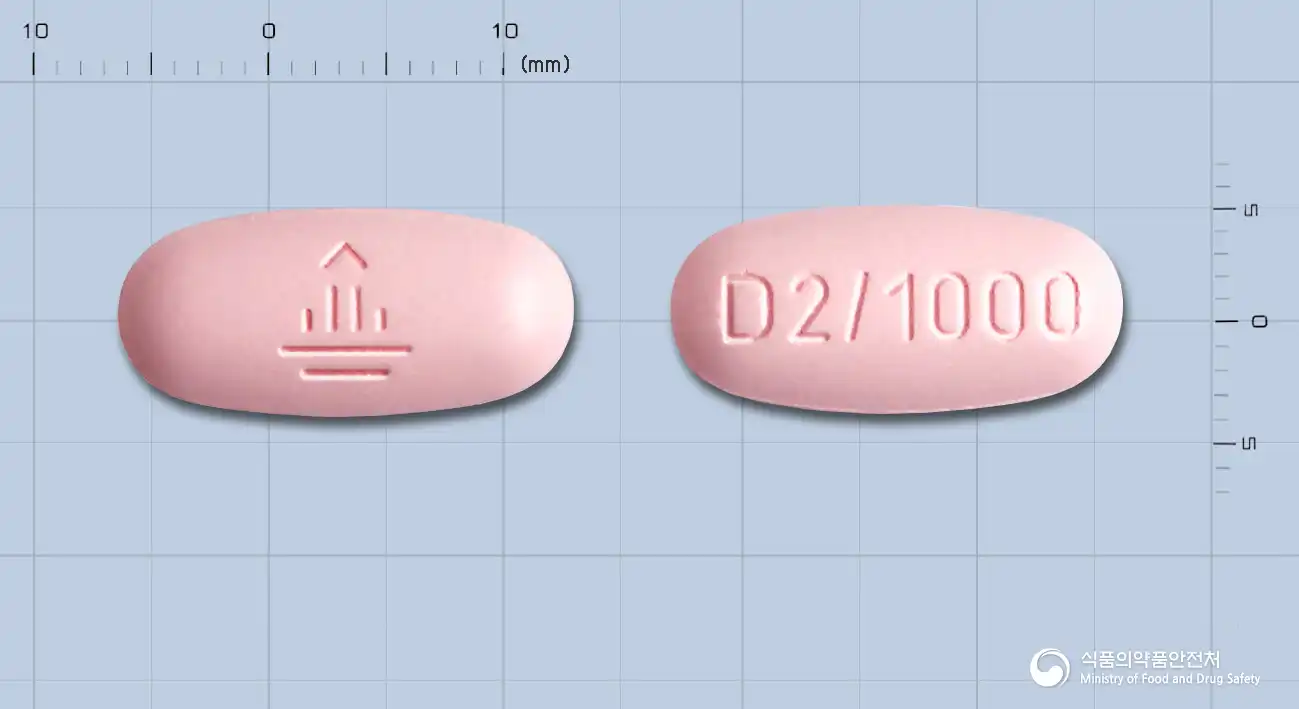 Combination
Linagliptin 2.5mg · Metformin Hydrochloride 1000mg
Tablet · Prescription medication · Combination
Boehringer Ingelheim Korea Co., Ltd.
Linagliptin 2.5mg · Metformin Hydrochloride 1000mg
Tablet · Prescription medication · Combination
Anguk Pharm Co., Ltd.
Linagliptin 2.5mg · Metformin Hydrochloride 1000mg
Prescription medication · Combination
Hanmi Pharmaceutical Co., Ltd.
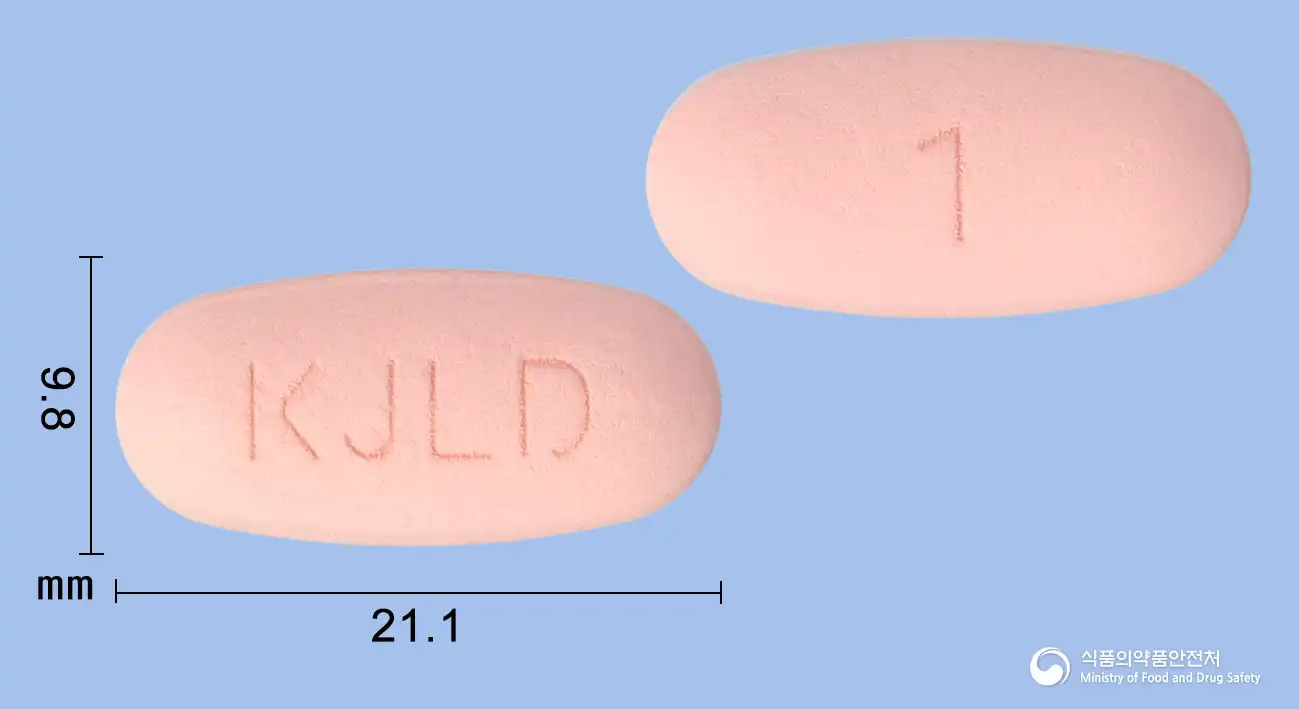 Combination
Linagliptin 2.5mg · Metformin Hydrochloride 1000mg
Tablet · Prescription medication · Combination
Kukje Pharmaceutical Co., Ltd.
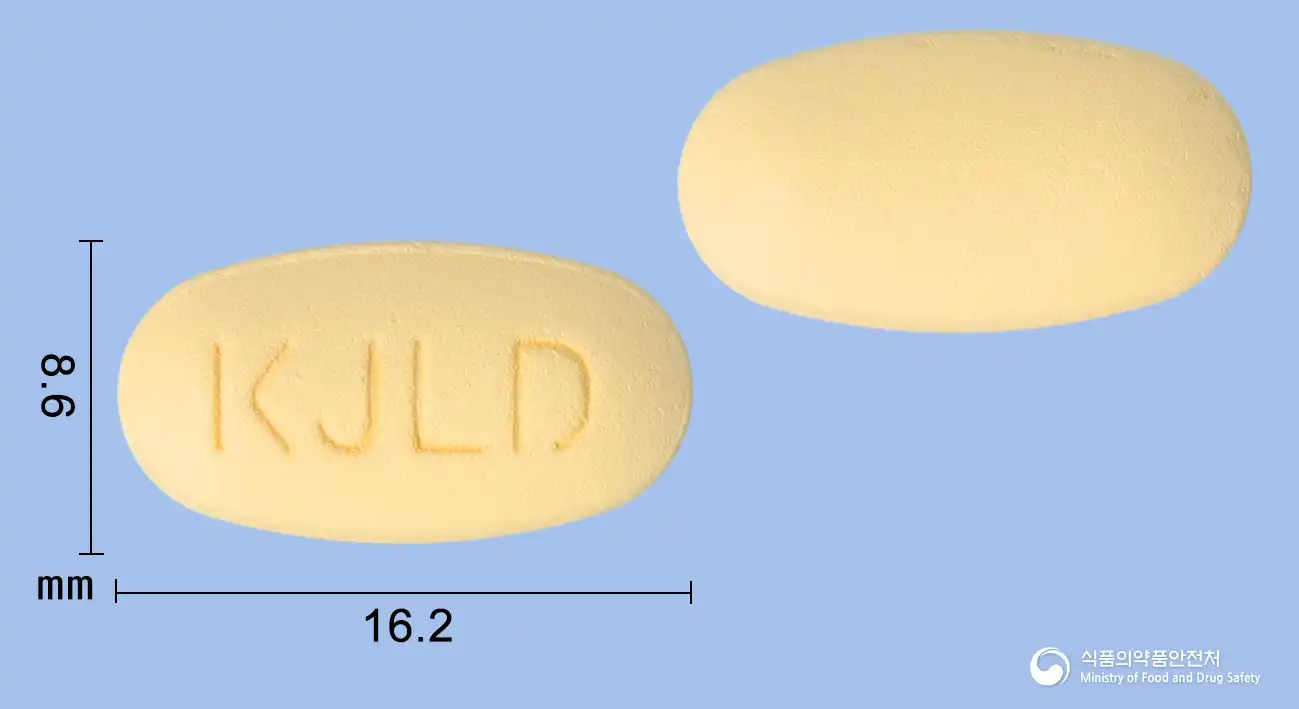 Combination
Linagliptin 2.5mg · Metformin Hydrochloride 500mg
Tablet · Prescription medication · Combination
International Pharmaceutical Co., Ltd.
Even with the same ingredient, the dose and directions can differ by strength and dosage form. Talk to a doctor or pharmacist before switching from a medication you are already taking.
No questions yet.
For anything that needs medical judgment, consult a doctor or pharmacist.
This drug information is based on data provided by the Korea Ministry of Food and Drug Safety.
Consult a doctor or pharmacist for accurate dosage, administration, and usage instructions.