
 한국어
 English
 日本語
 中文(简体)
Dosage form image
Viewing nowYuyurisperidone Tablet 1 mg (Risperidone)
Risperidone 1mg
Tablet · Prescription medication
YuYu Pharmaceutical Co., Ltd.
MFDS item code 201904354 · Approved 2019.06.25
This product's status changed to Expired on 2024.06.25. It may no longer be sold, so consult a doctor or pharmacist before taking it.
Treatment of mental disorders (schizophrenia, mania), behavioral and psychotic symptoms of dementia, and disruptive behavior disorder
This medication is used to treat schizophrenia and helps alleviate agitation, aggression, or psychotic symptoms in patients with moderate to severe Alzheimer's-type dementia for a short period (up to 6 weeks). Additionally, it is utilized as an adjunctive mood stabilizer in the treatment of manic episodes associated with bipolar disorder. It is also used to treat disruptive behavior disorders and other behavioral disorders in children, adolescents, and adults with intellectual disabilities or below-average cognitive abilities. It is effective in improving symptoms of various mental and behavioral disorders.
The therapeutic dose of this medicine should be adjusted according to the patient's clinical condition, and the lowest effective dose possible should be administered. Place this medicine on the tongue and, once it has disintegrated within a few seconds, swallow it without water or with water (for orally disintegrating tablets only.). 1. Schizophrenia 1) Adults (1) Initial dose: Administer 1 mg of risperidone orally twice daily and increase the dose gradually. (2) Maintenance dose: Administer 1∼3 mg twice daily. Adjust the dose appropriately according to age and symptoms. (3) No additional effects were observed with doses of 10 mg or more per day compared with lower doses, and such doses may increase the risk of extrapyramidal symptoms. Doses of 10 mg or more per day should be administered only when the benefits for the individual patient are judged to outweigh the risks. (4) Do not administer doses of 16 mg or more per day, as safety has not been established. (5) A benzodiazepine may be coadministered if additional sedation is needed. 2) Administration in special populations ⦁ Elderly patients and patients predisposed to hypotension The initial dose is 0.5 mg twice daily. Depending on the patient's condition, increase the dose by 0.5 mg twice daily until a dose of 1~2 mg twice daily is reached. In general, increases to doses of 1.5 mg or more twice daily should be made at intervals of at least 1 week. 3) Switching from an existing antipsychotic to this medicine When medically appropriate, start treatment with this medicine while gradually reducing the dose of the existing medication. Also, when switching from an existing depot antipsychotic, if medically appropriate, start treatment with this medicine in place of the next scheduled injection of the depot formulation. The need to continue concomitant antiparkinsonian medication should be reevaluated regularly. 2. Agitation, aggression, or psychotic symptoms in patients with dementia of the Alzheimer type The initial dose is 0.25 mg of this medicine twice daily. If needed, depending on the patient, the dose may be increased by 0.25 mg twice daily at intervals of at least 2 days. The optimal dose for most patients is 0.5 mg twice daily, but depending on the patient, the dose may be increased to 1 mg twice daily. Once the patient has reached the optimal dose, once-daily dosing may also be considered. As with symptomatic treatment, the rationale for continued use of this medicine should be evaluated. 3. Adjunctive treatment of manic episodes in bipolar disorder ⦁ The recommended initial dose is 2 mg of this medicine once daily. Depending on the patient, the dose may be increased by 1 mg per day at intervals of 24 hours or more. The optimal dose for most patients is within the range of 2∼6 mg per day. As with symptomatic treatment, the rationale for continued use of this medicine should be evaluated. 4. Conduct disorder and other disruptive behavior disorders As with symptomatic treatment, the rationale for continued use of this medicine should be evaluated. Renal and hepatic impairment In patients with renal or hepatic impairment, administer half the initial and maintenance doses and adjust the dose more gradually. Exercise caution when administering this medicine to these patients (see 5. General Precautions)
Schizophrenia: There is limited clinical experience in children and adolescents under 15 years of age. Adjunctive therapy for mania associated with bipolar disorder: There is limited clinical experience in children and adolescents under 15 years of age. Conduct disorder and other disruptive behavior disorders, body weight 50 kg or more: The initial dose is 0.5 mg of this drug once daily. If necessary, the dose may be increased by 0.5 mg per day at intervals of at least 2 days, depending on the patient. For most patients, the optimal dose is 1 mg once daily. Depending on the patient, 0.5∼1.5 mg may be administered once daily. Conduct disorder and other disruptive behavior disorders, body weight less than 50 kg: The initial dose is 0.25 mg once daily. If necessary, the dose may be increased by 0.25 mg per day at intervals of at least 2 days, depending on the patient. For most patients, the optimal dose is 0.5 mg once daily. Depending on the patient, 0.25∼0.75 mg may be administered once daily. Conduct disorder and other disruptive behavior disorders: There is limited clinical experience in children under 5 years of age.
This medication may increase mortality in elderly dementia patients, so caution is needed especially when administered to this population. Care should be taken to ensure elderly dementia patients do not become dehydrated. This medication may increase the risk of venous thromboembolism, so it is necessary to check and take preventive measures for thrombotic risks before and during administration. Patients with phenylketonuria, a genetic disorder, need to be cautious due to the artificial sweetener aspartame included in this medication. Co-administration with alcohol or central nervous system depressants may exacerbate CNS depression, so such combinations should be avoided. Patients with heart disease, blood pressure issues, or liver or kidney dysfunction should use this medication cautiously and may require dosage adjustments. This medication may lower blood pressure, potentially causing dizziness or fainting, so special care is needed particularly when starting treatment or increasing the dosage. Pregnant or breastfeeding women should carefully consider the potential impact on the fetus or newborn when taking this medication. The use of this medication in children or adolescents is limited, requiring professional judgment. During treatment, symptoms such as drowsiness, dizziness, anxiety, and insomnia may occur, so caution is advised when driving or operating machinery. There may be weight gain or changes in blood glucose levels during treatment, necessitating regular health checks. There may be interactions with other medications, so patients must inform healthcare providers of any concurrent medications. In case of overdose, immediate medical attention should be sought.
Increased mortality, cerebrovascular adverse reactions, venous thromboembolism, pharyngitis, upper respiratory infection, sinusitis, urinary tract infection, anemia, hypersensitivity reactions, insomnia, anxiety, neurosensitization, Parkinsonism, akathisia, drowsiness, dizziness, sedation, tremors, muscle rigidity, somnolence, positional dizziness, movement disorders, syncope, blurred vision, ear pain, orthostatic hypotension, tachycardia, hypotension, nasal congestion, dyspnea, epistaxis, sinus congestion, nausea, constipation, dyspepsia, vomiting, diarrhea, hypersalivation, dry mouth, abdominal discomfort, abdominal pain, gastrointestinal discomfort, upper abdominal pain, rash, dry skin, dandruff, seborrheic dermatitis, hyperkeratosis, back pain, arthralgia, limb pain, urinary incontinence, ejaculatory dysfunction, fatigue, asthenia, fever, chest pain, elevated blood creatinine phosphokinase, increased heart rate, pneumonia, soft tissue infection, decreased appetite, altered mental status, transient ischemic attack, decreased level of consciousness, drooling, cerebrovascular accident, conjunctivitis, hypotension, cough, runny nose, dysphagia, fecal mass, erythema, abnormal posture, joint swelling, peripheral edema, gait disturbances, pituitary edema, elevated body temperature, upper respiratory infection, rhinitis, influenza, increased appetite, moderate insomnia, lethargy, headache, stuttering, attention disorder, balance disorder, hypersomnia, palpitations, oropharyngeal pain, pulmonary congestion, itching, acne, myalgia, neck pain, nocturnal enuresis, frequent urination, hyperprolactinemia, emotional disturbances, apathy, chest discomfort, weight gain, elevated blood prolactin, restlessness, blunted affect, sleep disorders, decreased libido, sexual dysfunction, depression, nightmares, unresponsiveness to stimuli, coordination abnormalities, loss of consciousness, language disorders, sensory deficits, movement disorders, generalized movement disorders, cerebral ischemia, cerebrovascular accident disorder, neuroleptic malignant syndrome, diabetic coma, head tremors, seizures, psychomotor agitation, delayed movement disorders, cerebrovascular disorders, sensory anomalies, conjunctival injection, ocular discharge, eye movement, eyelid edema, photophobia, eyelid crust, dry eyes, increased tearing, glare, glaucoma, decreased vision, tinnitus, vertigo, bradycardia, tachycardia, palpitations, type I atrioventricular block, left bundle branch block, right bundle branch block, AV block, flushing, conduction disorders, ECG abnormalities, prolonged QT interval on ECG, venous return obstruction, bradycardia, wheezing, aspiration pneumonia, dysphonia, wet cough, airway congestion, rales, respiratory disorders, nasal cavity swelling, hyperventilation, fecal incontinence, gastritis, lip swelling, cheilitis, salivary deficiency, abdominal distension, gastroenteritis, tongue swelling, toothache, skin discoloration, skin lesions, skin disorders, erythematous rash, papular rash, generalized rash, papulopustular rash, eczema, musculoskeletal chest pain, joint stiffness, muscle weakness, rhabdomyolysis, urination disorders, amenorrhea, gynecomastia, vaginal discharge, erectile dysfunction, ejaculatory disorders, menstrual disorders, breast enlargement, sexual dysfunction, retrograde ejaculation, breast discharge, thirst, influenza-like syndrome, edema, fatigue, facial swelling, malaise, generalized edema, chills, peripheral coldness, drug withdrawal syndrome, drug adverse reactions, decreased body temperature, procedure-related pain, elevated ALT, ECG abnormalities, eosinophilia, elevated AST, decreased white blood cell count, elevated blood glucose, decreased hemoglobin, decreased hematocrit, decreased body temperature, decreased blood pressure, elevated transaminases, elevated gamma-glutamyltransferase, increased liver enzymes, agranulocytosis, thrombocytopenia, abnormal hormone secretion, diabetic ketoacidosis, diabetes, hypoglycemia, water intoxication, elevated cholesterol, elevated triglycerides, mania, dysgeusia, intraoperative iris hypotension syndrome, atrial fibrillation, deep vein thrombosis, pulmonary embolism, sleep apnea syndrome, intestinal obstruction, pancreatitis, jaundice, vascular edema, alopecia, neonatal drug withdrawal syndrome, urinary retention, priapism, hypothermia, prolonged QT interval on ECG, restlessness, insomnia, akathisia, movement disorders, muscle rigidity, Parkinsonism, hypertension, musculoskeletal pain, gait abnormalities, edema, pain, falls, ear infection, viral infections, pharyngitis, tonsillitis, bronchitis, eye infections, infections, localized infections, cystitis, otitis media, onychomycosis, scabies, bronchopneumonia, airway infection, bronchitis, chronic otitis media, eosinophilia, decreased red blood cell volume, leukopenia, neutropenia, drug hypersensitivity reactions, glucosuria detection, hyperprolactinemia, next-day syndrome, anorexia, elevated cholesterol, elevated triglycerides, hyperglycemia, weight loss, blunted affect, sleep disorders, decreased libido, sexual dysfunction, depression, nightmares, suicidal thoughts, accident-related symptoms, delusions, hallucinations, auditory hallucinations, including suicide, persecutory delusions, libido enhancement, libido reduction, sensory abnormalities, seizures, limb tremors, psychomotor agitation, akinesia, paresthesia, head discomfort, neuroleptic malignant syndrome, eyelid spasm, oculomotor disorders, dizziness, bradycardia, ventricular ectopic beats, arrhythmia, thromboembolism, postural orthostatic tachycardia syndrome, toothache, tongue spasm, hypermotility, hemorrhoids, eczema, hyperhidrosis, itching, drug rash, urticaria, hip pain, delayed menstruation, delayed ejaculation, infrequent menstruation, breast discomfort, breast congestion, breast enlargement, urination difficulties, anaphylactic reaction, pain, sclerosis, falls
Not everyone experiences these, and they can vary from person to person.
This medication may be sensitive to air and moisture, so it should be stored in a tightly sealed container. It is recommended to maintain a storage temperature between 1°C and 30°C to safely preserve the medication's efficacy.
Oblong white film-coated tablet
Bottle - 30 tablets/bottle, Bottle - 200 tablets/bottle
Even with the same ingredient, strength, dosage form and how it is taken can differ.
Risperidone 1mg
Tablet · Prescription medication
YuYu Pharmaceutical Co., Ltd.
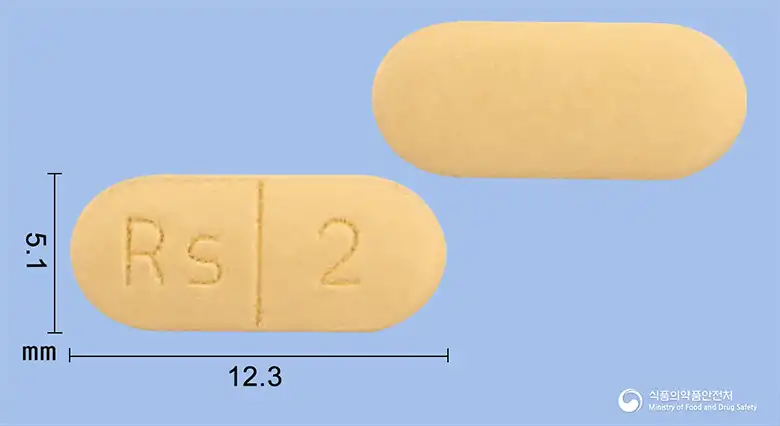
Risperidone 2mg
Tablet · Prescription medication
Myungin Pharmaceutical Co., Ltd.

Risperidone 1mg
Tablet · Prescription medication
Han-in Pharmaceutical Co., Ltd.
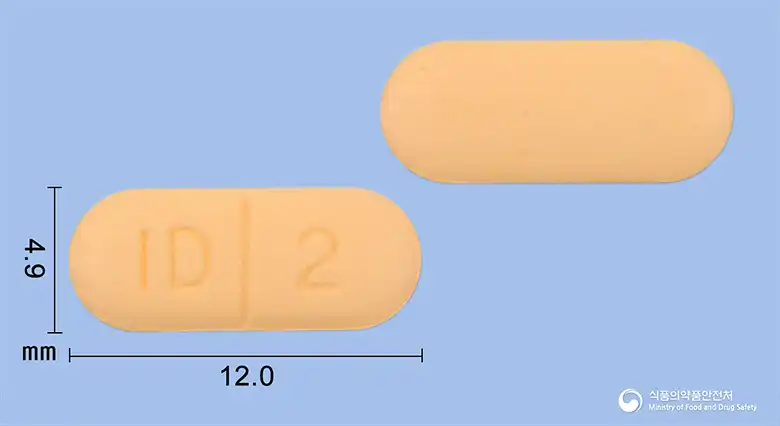
Risperidone 2mg
Tablet · Prescription medication
Ildong Pharmaceutical Co., Ltd.
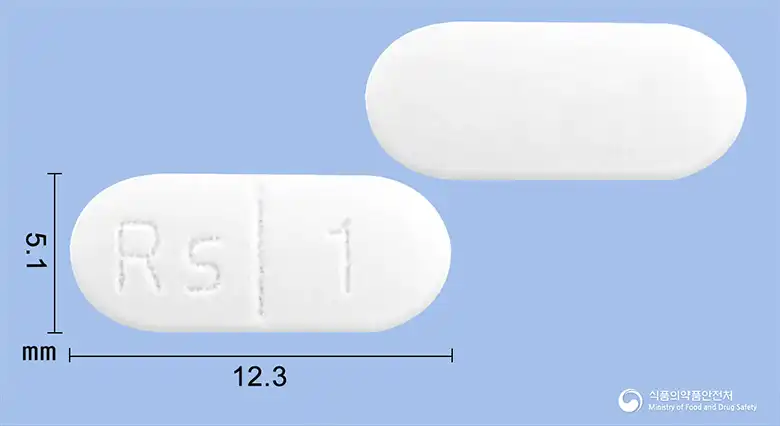
Risperidone 1mg
Tablet · Prescription medication
Myungin Pharmaceutical Co., Ltd.
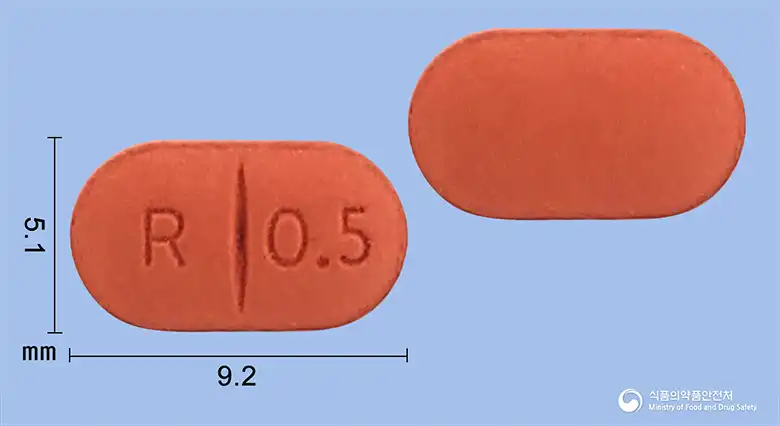
Risperidone 0.5mg
Tablet · Prescription medication
Hwanin Pharmaceutical Co., Ltd.

Risperidone 2mg
Tablet · Prescription medication
Unimed Pharmaceuticals Co., Ltd.

Risperidone 3mg
Tablet · Prescription medication
Myungjin Pharmaceutical Co., Ltd.
Even with the same ingredient, the dose and directions can differ by strength and dosage form. Talk to a doctor or pharmacist before switching from a medication you are already taking.
No questions yet.
For anything that needs medical judgment, consult a doctor or pharmacist.
This drug information is based on data provided by the Korea Ministry of Food and Drug Safety.
Consult a doctor or pharmacist for accurate dosage, administration, and usage instructions.