
 한국어
한국어 English
 日本語
日本語 中文(简体)
Dosage form image
Viewing nowIbandrazhu (Ibandronate Sodium Hydrate)
Ibandronate Sodium Monohydrate 3.375mg
Injections · Prescription medication
Daewoo Pharmaceutical Co., Ltd.
MFDS item code 201903781 · Notified 2019.06.10
This product's status changed to Expired on 2024.06.10. It may no longer be sold, so consult a doctor or pharmacist before taking it.
Improvement of postmenopausal osteoporosis
Postmenopausal osteoporosis is a condition in which bones become weak, increasing the risk of fractures. This medication helps to increase bone density and prevent fractures caused by osteoporosis. It is primarily used for the treatment of osteoporosis in postmenopausal women.
Administer 3 mg intravenously every 3 months over 15 - 30 seconds.
This medication must be administered intravenously, and care should be taken as injection into an artery or around a vein can cause tissue damage. It should not be used in patients with allergies to this drug or its components, or in patients with untreated hypocalcemia. This drug is used for the treatment of osteoporosis and has shown a safety profile similar to placebo in clinical trials; however, various adverse reactions such as gastrointestinal disturbances, myalgia, arthralgia, headache, and rash may occur in some patients. Temporary influenza-like symptoms (joint pain, muscle pain, fever, chills, etc.) may occur with intravenous administration but are mostly mild and resolve without treatment. Serious side effects such as osteonecrosis of the jaw, external auditory canal osteonecrosis, severe allergic reactions, skin abnormalities, and atypical femoral fractures have been reported rarely; therefore, if any abnormal symptoms occur, you should consult a doctor immediately. This drug may temporarily lower serum calcium levels, so hypocalcemia must be treated before administration, and it is important to consume adequate calcium and vitamin D. Patients with poor kidney function or those taking medications that may affect the kidneys need regular monitoring. Patients requiring dental treatment should undergo an oral examination before administration and avoid excessive dental procedures during treatment. Safety for pregnant or breastfeeding women has not been established, so it is recommended not to use it. No dose adjustment is needed for the elderly, but safety and efficacy have not been established in children under 18. In cases of overdose, careful monitoring is required as it may affect kidney and liver function, and appropriate treatment should be administered if electrolyte abnormalities such as hypocalcemia occur. This drug should not be mixed with calcium-containing solutions or other intravenous medications, and used needles and syringes should not be reused and must be disposed of safely.
Urticaria, severe swelling (edema), angioedema, facial swelling/edema, severe allergic reactions, anaphylactic reactions/shock, exacerbation of asthma, Stevens-Johnson syndrome, erythema multiforme, bullous dermatitis, severe skin adverse reactions, high fever, severe rash, blisters, skin peeling, pain in mouth/eye mucosa, difficulty breathing, shortness of breath, asthma attacks, breathing difficulties accompanied by cough and fever, jaundice of the skin or eyes, liver abnormalities, sudden.
Not everyone experiences these, and they can vary from person to person.
This drug should be stored in a sealed container to prevent exposure to air or moisture, preferably at a temperature between 1 degree and 30 degrees Celsius. This will help maintain the drug's effectiveness and prevent deterioration.
An injection solution that is colorless and transparent, contained in a colorless, transparent glass pre-filled syringe with a single-use needle attached.
3 milliliters/pre-filled syringe, 1 pre-filled syringe/box
Even with the same ingredient, strength, dosage form and how it is taken can differ.
Ibandronate Sodium Monohydrate 3.375mg
Injections · Prescription medication
Daewoo Pharmaceutical Co., Ltd.
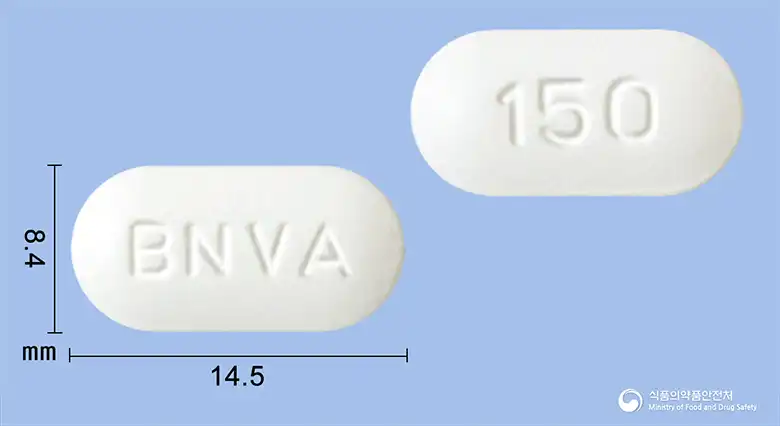
Ibandronate Sodium Monohydrate 168.75mg
Tablet · Prescription medication
Jeil Pharmaceutical Co., Ltd.
Ibandronate Sodium Monohydrate 3.375mg
Solution · Prescription medication
Jeil Pharmaceutical Co., Ltd.
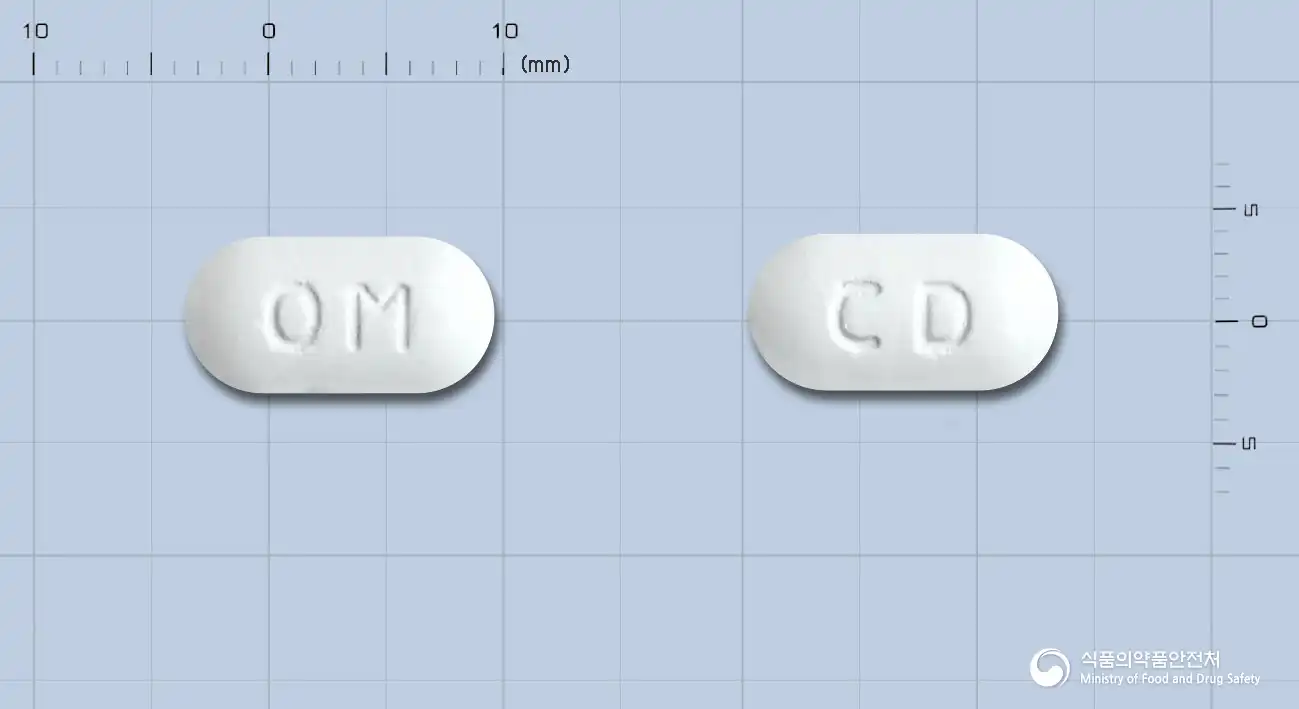
Ibandronate Sodium Monohydrate 168.75mg
Tablet · Prescription medication
Chodang Pharmaceutical Co., Ltd.
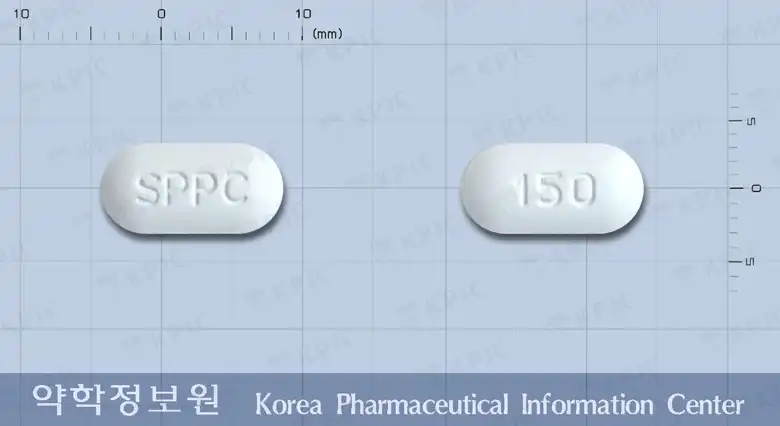
Ibandronate Sodium Monohydrate 168.75mg
Tablet · Prescription medication
Shinpoong Pharmaceutical Co., Ltd.
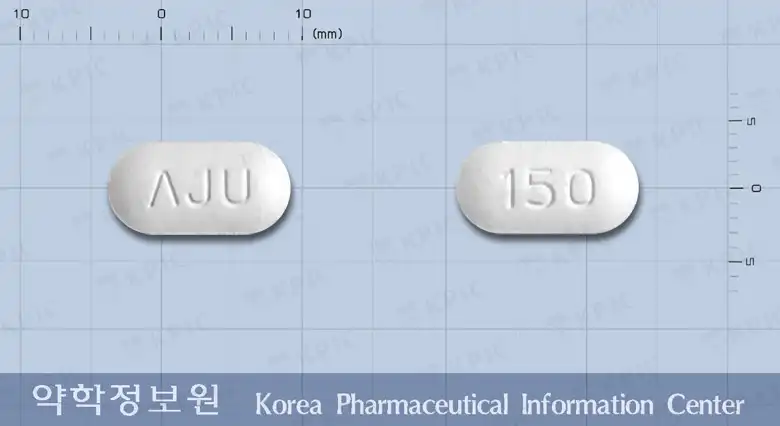
Ibandronate Sodium Monohydrate 168.75mg
Tablet · Prescription medication
Ajou Pharmaceutical Co., Ltd.
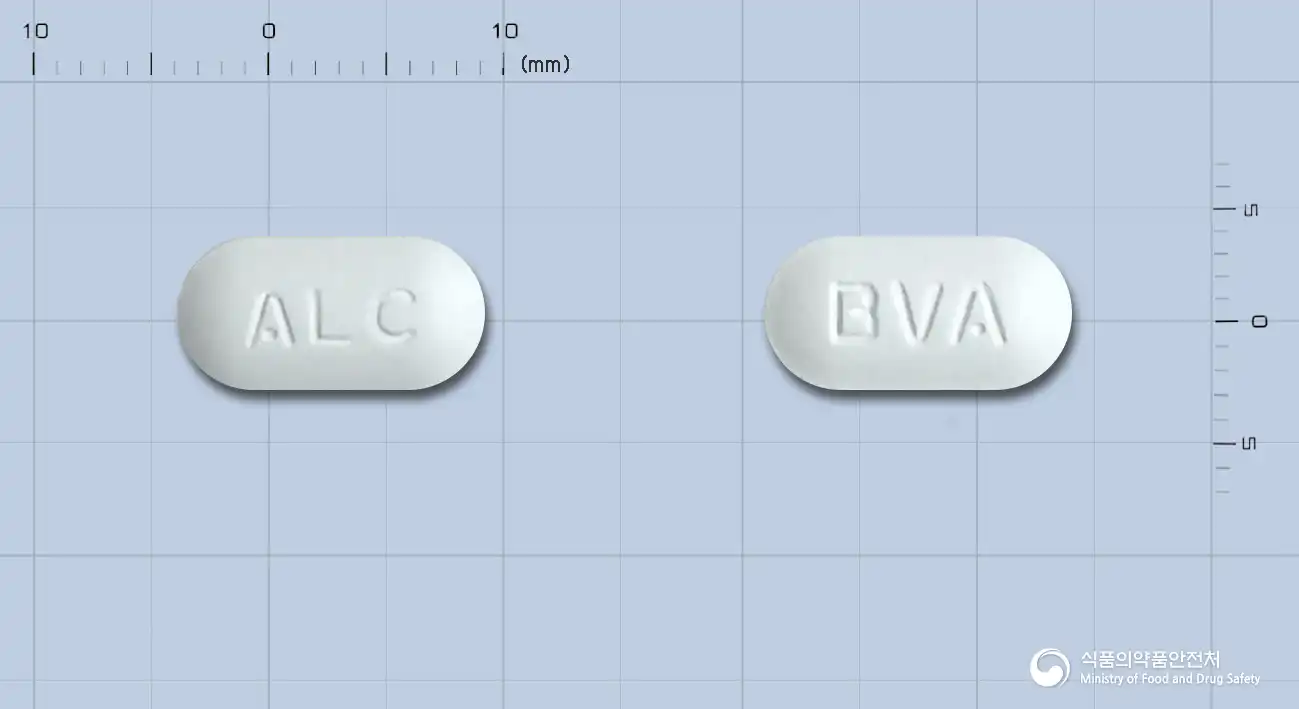
Ibandronate Sodium Monohydrate 168.75mg
Tablet · Prescription medication
Aliko Pharmaceutical Co., Ltd.
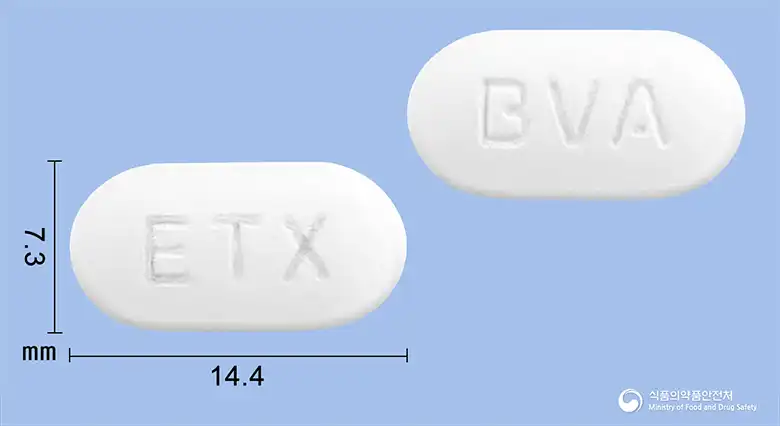
Ibandronate Sodium Monohydrate 168.75mg
Tablet · Prescription medication
Teragen Etex Co., Ltd.
Even with the same ingredient, the dose and directions can differ by strength and dosage form. Talk to a doctor or pharmacist before switching from a medication you are already taking.
No questions yet.
For anything that needs medical judgment, consult a doctor or pharmacist.
This drug information is based on data provided by the Korea Ministry of Food and Drug Safety.
Consult a doctor or pharmacist for accurate dosage, administration, and usage instructions.