
 한국어
한국어 English
 日本語
日本語 中文(简体)
 Viewing now
Ciprofloxacin 250 mg Tablets (Ciprofloxacin Hydrochloride Monohydrate)
Ciprofloxacin Hydrochloride Hydrate 291mg
Tablet · Prescription medication
Jeongwoo Pharmaceutical Co., Ltd.
MFDS item code 201903428 · Approved 2019.05.27 · Insurance code 694205700
Effective in the treatment of respiratory infections and urinary tract infections
This drug is used to treat infections caused by various bacteria. It is effective against several types of respiratory infections, excluding acute bronchitis, and community-acquired pneumonia, and can also be used for infections of the ear, nose, and throat. Furthermore, it is widely used for urinary tract infections, gonococcal cervicitis and urethritis, gastrointestinal and biliary tract infections, skin and soft tissue infections, bone and joint infections, etc. It is also applicable to gynecological infections, peritonitis, dacryocystitis, and lesions around the eyes such as chalazion. However, as a fluoroquinolone drug, there may be some serious adverse reactions, so it should be used only when there are no other treatment options for certain mild infections (acute bacterial rhinosinusitis, exacerbations of chronic bronchitis or lung disease, uncomplicated urinary tract infection, acute otitis media). Overall, this medication is used effectively to improve various bacterial infections.
For typical adult administration of ciprofloxacin, take 250 to 500 mg orally twice daily between meals. In cases of severe complicated infections, the dose may be increased to 750 mg twice daily. In cases of acute infections, treatment typically lasts for 5 to 10 days, and administration should continue for at least 3 additional days after symptoms have resolved. For patients with renal impairment, the dosage and frequency should be adjusted according to creatinine clearance. - Creatinine
This medication may cause serious side effects such as tendinitis or tendon rupture, peripheral neuropathy, and central nervous system anomalies, so caution is required. In particular, patients with myasthenia gravis may experience worsening symptoms from taking this medication and should avoid it. Additionally, this drug should be used only for limited infections such as acute bacterial rhinosinusitis, acute exacerbations of chronic bronchitis, uncomplicated urinary tract infections, and acute otitis media, and only when no other treatment is available. It is not safe for elderly patients or those with impaired renal function, patients with epilepsy, pregnant or nursing women, and adolescents under 18 years of age. The risk of side effects may increase when used with certain medications, so any concurrent medications should be discussed with a doctor or pharmacist. If pain or inflammation in the tendon occurs during treatment, the medication should be discontinued immediately and rest should be taken, and it is advisable to avoid strong sunlight or ultraviolet exposure. This medication can cause various side effects including fluctuations in blood sugar, neurological abnormalities, liver function anomalies, gastrointestinal issues; therefore, if any unusual symptoms appear, medical personnel should be notified immediately. It is preferable not to use this medication during pregnancy or breastfeeding, and it should not be administered to children or adolescents in their growth phase. Overdose may result in kidney damage, so it is essential to stick to the prescribed dosage and store it out of reach of children and away from direct sunlight.
Tendinitis, tendon rupture, peripheral neuropathy, central nervous system effects, worsening of severe myasthenia gravis, anaphylactic reactions, shock, serum sickness-like reactions, bone marrow suppression, acute renal failure, cholestatic jaundice, liver necrosis, jaundice, Stevens-Johnson syndrome, toxic epidermal necrolysis, acute generalized exanthematous pustulosis (AGEP), seizures, status epilepticus, psychotic reactions, suicidal thoughts and behaviors, respiratory distress (including asthma symptoms), angioedema
Not everyone experiences these, and they can vary from person to person.
This medication should be stored in a tightly sealed container that is well-ventilated, and it is recommended to keep it at room temperature between 1°C and 30°C. Proper storage will help maintain the effectiveness of the medication for a longer time.
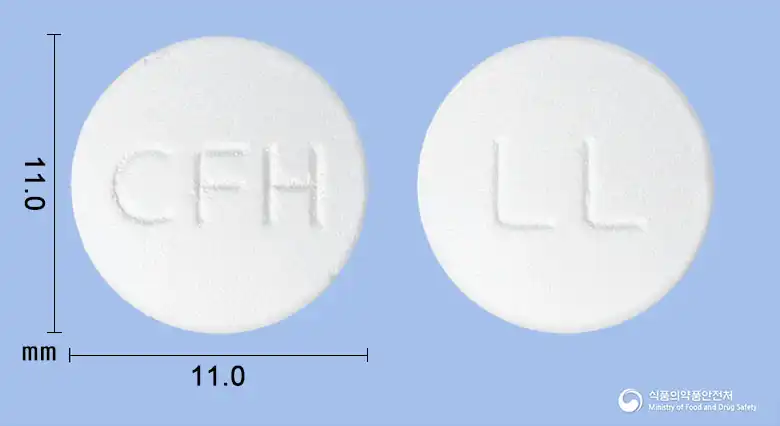
White round film-coated tablets
30 tablets/bottle, 100 tablets/bottle
Even with the same ingredient, strength, dosage form and how it is taken can differ.
Viewing nowCiprofloxacin Hydrochloride Hydrate 291mg
Tablet · Prescription medication
Jeongwoo Pharmaceutical Co., Ltd.
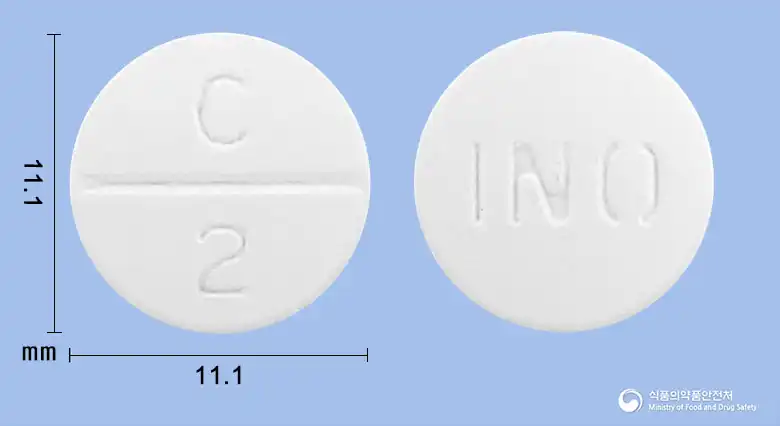
Ciprofloxacin Hydrochloride 291.5mg
Tablet · Prescription medication
HK inno.N Co., Ltd.
Ciprofloxacin Hydrochloride
Prescription medication
Dongkwang Pharmaceutical Co., Ltd.
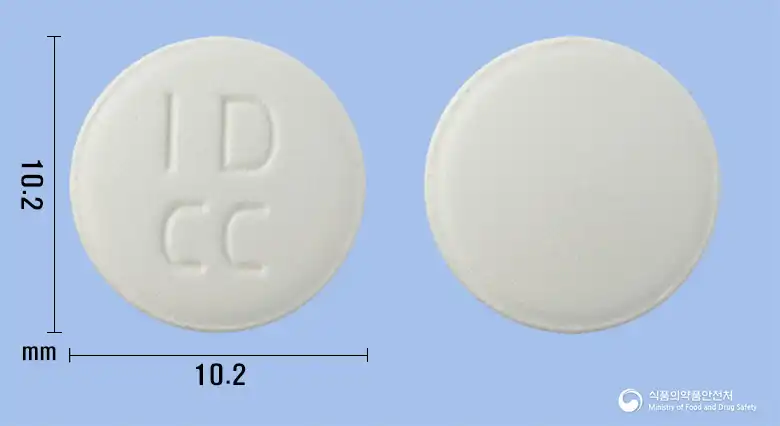
Ciprofloxacin Hydrochloride 291mg
Tablet · Prescription medication
Il Dong Pharmaceutical Co., Ltd.

Ciprofloxacin Hydrochloride 582mg
Tablet · Prescription medication
Il Dong Pharmaceutical Co., Ltd.
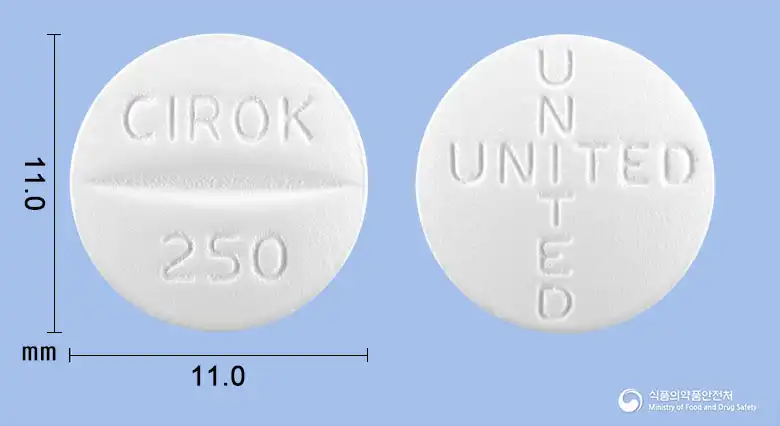
Ciprofloxacin Hydrochloride Hydrate 291mg
Tablet · Prescription medication
Korea United Pharm, Inc.
Ciprofloxacin Hydrochloride Hydrate 291mg
Tablet · Prescription medication
SK Chemicals Co., Ltd.

Ciprofloxacin Hydrochloride Hydrate 291mg
Tablet · Prescription medication
Donghwa Pharmaceutical Co., Ltd.
Even with the same ingredient, the dose and directions can differ by strength and dosage form. Talk to a doctor or pharmacist before switching from a medication you are already taking.
No questions yet.
For anything that needs medical judgment, consult a doctor or pharmacist.
This drug information is based on data provided by the Korea Ministry of Food and Drug Safety.
Consult a doctor or pharmacist for accurate dosage, administration, and usage instructions.