
 한국어
한국어 English
 日本語
日本語 中文(简体)
Dosage form image
Viewing nowDenonex Injection (Acetaminophen)
Acetaminophen 1000mg
Injections · Prescription medication
Youngjin Pharmaceutical Co., Ltd.
MFDS item code 201903226 · Approved 2019.05.20
Rapid relief of moderate pain (post-surgery) and fever.
This medication is used to quickly administer acetaminophen intravenously to effectively manage moderate pain and fever, particularly when other routes of administration are difficult.
For adults weighing over 50kg: 4 doses per day, 1000mg of acetaminophen per dose, with a minimum dosing interval of about 4 hours. The maximum daily dose should not exceed 4 grams. For children over 33kg or adults less than 50kg: Administer approximately 15mg/kg of acetaminophen per dose, with a minimum dosing interval of 4 hours. The maximum daily dose is 60mg/kg or should not exceed 4 grams.
For children weighing over 33kg (approximately 11 years old) and adults weighing less than 50kg: Administer approximately 15mg/kg of acetaminophen per dose, with a minimum dosing interval of 4 hours. The maximum daily dose is 60.
Care must be taken to avoid confusing milligrams and milliliters when administering this medication. Misadministration due to unit confusion could lead to sudden toxicity or serious health problems. It is advisable to use appropriate analgesics as soon as oral administration becomes possible. This is important for effective pain relief and safe treatment. When taking this medication, it is essential to check if it contains the same ingredient as any other medications already being taken. Overlapping administration may increase the risk of overdose. Exceeding the recommended dosage can result in severe liver damage. Symptoms of liver damage generally appear between 2 to 6 days after administration, and rapid detoxification treatment is needed. Patients with impaired liver function should consult a physician before using this medication. Dosage adjustment or regular liver function tests may be necessary in cases of compromised liver function. Individuals who regularly consume alcohol must consult a physician or pharmacist before taking this medication. The risk of liver damage increases when taken with alcohol. If serious skin reactions such as rashes, hives, or severe allergic reactions occur during use of this medication, it should be stopped immediately and medical advice should be sought. People allergic to acetaminophen or this medication, those with peptic ulcers, severe liver, kidney, or heart conditions, and patients on certain medications should not use this drug. Specific patient groups such as those with liver disease, kidney disease, peptic ulcers, blood disorders, impaired heart function, asthma, elderly individuals, pregnant women, and nursing mothers should exercise additional caution when using this medication and should consult healthcare providers before use. The use of this medication during pregnancy is limited, but oral administration is known to have no significant impact on the fetus or newborn. However, it should be taken after consulting a specialist during pregnancy. During breastfeeding, the components of this medication are excreted into breast milk in small amounts, but no adverse effects have been reported, so it may be used if needed. For children and the elderly, minimum doses should be administered, and any adverse reactions should be monitored closely. Patients with severe renal impairment should extend the interval of administration and consult a physician before use. In the event of overdose, symptoms such as nausea, vomiting, loss of appetite, and abdominal pain may occur, and in severe cases, liver damage and life-threatening situations may arise. Immediate medical attention should be sought for detoxification treatment in case of overdose. This medication may interact with other drugs, so if any are being taken, healthcare providers must be informed. Caution is especially needed when used with probenecid, salicylamide, isoniazid, carbamazepine, phenobarbital, phenytoin, warfarin, and others. This medication does not affect driving or operating machinery, but it should not be mixed with other medications.
Not everyone experiences these, and they can vary from person to person.
This medication should be stored in a sealed container that prevents air ingress and kept at room temperature between 1 and 30 degrees Celsius. Proper storage maintains the drug's efficacy and prevents degradation.
A clear colorless to pale yellow liquid in a plastic container for injection.
100mL/Bag
Even with the same ingredient, strength, dosage form and how it is taken can differ.
Acetaminophen 1000mg
Injections · Prescription medication
Youngjin Pharmaceutical Co., Ltd.
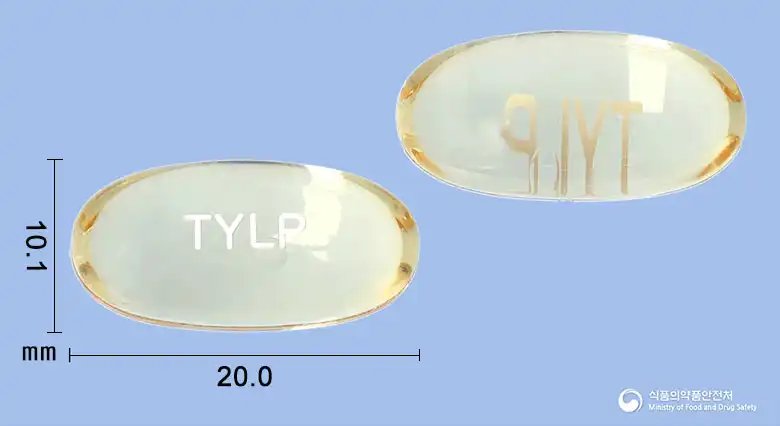
Acetaminophen 325mg
Soft capsule · OTC medication
RP Bio Co., Ltd.
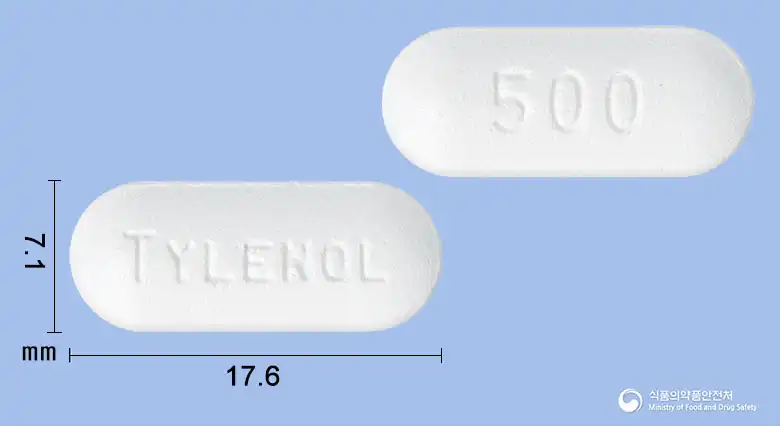
Acetaminophen 500mg
Tablet · OTC medication
Johnson & Johnson Korea, Ltd.

Acetaminophen 160mg
Tablet · OTC medication
Kolon Pharmaceutical Co., Ltd.

Acetaminophen 160mg
Tablet · OTC medication
Sama Pharmaceutical Co., Ltd.

Acetaminophen 80mg
Chewable Tablet · OTC medication
Samma Pharmaceutical Co., Ltd.
Acetaminophen 160mg
Tablet · OTC medication
Anguk Pharmaceuticals Co., Ltd.

Acetaminophen 500mg
Tablet · OTC medication
Alpha Pharmaceutical Co., Ltd.
Even with the same ingredient, the dose and directions can differ by strength and dosage form. Talk to a doctor or pharmacist before switching from a medication you are already taking.
No questions yet.
For anything that needs medical judgment, consult a doctor or pharmacist.
This drug information is based on data provided by the Korea Ministry of Food and Drug Safety.
Consult a doctor or pharmacist for accurate dosage, administration, and usage instructions.