
 한국어
 English
 日本語
 中文(简体)
Dosage form image
Viewing nowRivoraxaban 20 mg Tablet
Rivaroxaban Micronized 20mg
Tablet · Prescription medication
Kwangdong Pharmaceutical Co., Ltd.
MFDS item code 201903122 · Approved 2019.05.14
This product's status changed to Expired on 2024.05.14. It may no longer be sold, so consult a doctor or pharmacist before taking it.
Prevention of stroke and systemic embolism in atrial fibrillation; treatment of venous thromboembolism and prevention of recurrence and postoperative venous thromboembolism
This medication reduces the risk of stroke and systemic embolism in patients with non-valvular atrial fibrillation. It is also effective in the treatment of deep vein thrombosis and pulmonary embolism and reduces the risk of recurrence of these conditions. Lastly, it is used to prevent venous thromboembolism in adult patients undergoing major orthopedic surgery of the lower limbs.
This medicine 10 mg may be taken with or without food, while 15 mg and 20 mg should be taken with food. 20 mg once daily. For patients with moderate renal impairment (creatinine clearance 30-49 mL/min), 15 mg once daily. The maximum daily dose of this medicine is 20 mg. There is limited experience with concomitant administration of rivaroxaban 15mg once daily [10mg once daily for patients with moderate renal impairment (creatinine clearance 30-49 mL/min)] and a P2Y12 inhibitor for up to 12 months in patients with non-valvular atrial fibrillation who have undergone percutaneous coronary intervention (PCI) with stent placement. The recommended initial dose for the treatment of acute deep vein thrombosis and pulmonary embolism is 15 mg twice daily for the first 3 weeks. Thereafter, the recommended maintenance dose for the treatment of deep vein thrombosis and pulmonary embolism, and the recommended dose for reducing the risk of recurrence, is 20 mg once daily. The recommended dose for extended treatment to reduce the risk of recurrence after completing treatment (at least 6 months) for deep vein thrombosis or pulmonary embolism is 10mg once daily. Treatment of deep vein thrombosis or pulmonary embolism and reduction of the risk of recurrence Days 1-21: 15mg twice daily, 30mg From day 22: 20mg once daily, 20mg Reduction of the risk of recurrence of deep vein thrombosis or pulmonary embolism After treatment for at least 6 months: 10mg once daily, 10mg The maximum daily dose of this medicine is 30 mg during the first 3 weeks of treatment and 20 mg thereafter during the treatment period. The recommended dose of this medicine is 10 mg once daily. The first dose should be started within 6~10 hours after surgery, once hemostasis has been confirmed. The duration of treatment depends on the individual patient's risk of venous thromboembolism according to the type of surgery; however, a treatment duration of 5 weeks is recommended for patients undergoing hip replacement surgery and 2 weeks for patients undergoing knee replacement surgery. Patients taking 15 mg twice daily: Take this medicine immediately; 2 tablets of 15 mg may be taken at one time in this case. Starting the following day, continue taking 15 mg twice daily. Patients taking 10, 15, or 20 mg once daily: Take the missed dose immediately. Starting the following day, continue taking 1 tablet once daily. The daily dose should not be doubled to make up for a missed dose. Start taking this medicine after discontinuing vitamin K antagonist therapy and when the International Normalized Ratio (INR) is ≤ 3.0. Start taking this medicine after discontinuing vitamin K antagonist therapy and when the INR is ≤ 2.5. Patients switching from this medicine to a vitamin K antagonist should take the vitamin K antagonist concomitantly until the INR reaches ≥2.0. For the first 2 days after switching, administer the standard dose of the vitamin K antagonist, and thereafter administer a dose of the vitamin K antagonist based on INR testing. In patients receiving this medicine concomitantly with a vitamin K antagonist, INR should not be tested until 24 hours after taking this medicine. Once this medicine is discontinued, INR testing may be performed 24 hours after the last dose. In patients receiving a parenteral anticoagulant, start this medicine 0~2 hours before the next scheduled dose of the parenteral agent (e.g., low molecular weight heparin), or at the time of discontinuation of a continuously administered parenteral agent (e.g., intravenous unfractionated heparin). Discontinue this medicine and start the parenteral anticoagulant at the time the next dose of this medicine would have been due. No dose adjustment is necessary in patients with mild renal impairment with creatinine clearance 50-80 mL/min. Limited clinical experience in patients with severe renal impairment (creatinine clearance 15-29 mL/min) indicates that blood concentrations of this medicine increased significantly; therefore, this medicine should be administered with caution. Administration of this medicine is not recommended in patients with severe renal impairment with creatinine clearance less than 15 mL/min, as there is no clinical experience in these patients. The recommended dose in patients with moderate renal impairment (creatinine clearance 30-49 mL/min) and severe renal impairment (creatinine clearance 15-29 mL/min) is 15 mg once daily. No dose adjustment is necessary in patients with moderate renal impairment (creatinine clearance 30-49 mL/min).
This medication is used to prevent or treat blood clots by inhibiting blood coagulation. While taking this medication, bleeding may occur, so signs or symptoms of bleeding should be observed carefully. Particularly, if symptoms such as headache, dizziness, pallor, severe bruising or bleeding, blood in stool, or blood in urine appear, consult a doctor immediately. This medication is not administered to patients with certain conditions, such as those with severe bleeding, severely impaired liver function, pregnant or nursing women, or those with lactose intolerance. Patients with impaired kidney function or at high risk of bleeding should use this medication with extra caution, and dosage adjustments or monitoring as per doctor's instructions may be necessary. If this medication is taken with other anticoagulants or drugs affecting blood coagulation, the risk of bleeding increases, so it is essential to inform the healthcare provider of all medications being taken. This medication may interact with certain antifungal or antiviral medications, some antibiotics, leading to increased blood concentration, so consultation with a doctor is necessary when taking these medications. Women who are pregnant or planning to become pregnant must use contraception while taking this medication, and it is advisable to avoid this medication while breastfeeding. Elderly patients are at greater risk of bleeding, so caution is essential. If surgery or invasive procedures are planned, this medication should be discontinued for a certain period before the procedure, and the timing of re-administration should be determined considering the risk of bleeding after the procedure. In case of overdose, the risk of bleeding significantly increases, so the prescribed dosage must be adhered to, and no changes should be made without a doctor's instructions. Caution is necessary while driving or operating machinery while taking this medication; activities should be avoided if drowsiness or dizziness occurs. This medication is not recommended for children and adolescents as its safety and efficacy have not been established. If abnormal reactions such as skin rash, itching, difficulty breathing, or severe bleeding occur while taking this medication, seek medical attention immediately.
Hemorrhage, anemia, thrombocytosis, tachycardia, ocular hemorrhage, gum bleeding, gastrointestinal bleeding, stomach pain, abdominal pain, dyspepsia, nausea, constipation, diarrhea, vomiting, dry mouth, fever, peripheral edema, general weakness and energy loss, discomfort, localized edema, liver dysfunction, jaundice, allergic reactions, allergic dermatitis, post-treatment bleeding, bruising, wound secretion, vascular pseudoaneurysm, increased transaminases, elevated serum bilirubin, increased alkaline phosphatase, increased LDH, increased lipase, increased amylase, elevated transfer enzymes, increased bilirubin conjugates, limb pain, hemorrhagic arthropathy, muscle bleeding, dizziness, headache, intracranial and cerebral hemorrhage, syncope, urogenital bleeding, renal impairment, non-bleeding, hemoptysis, itching, rash, petechiae, skin and subcutaneous bleeding, urticaria, hypotension, hematoma, angioedema, allergic edema, anaphylactic shock, cholestasis, hepatitis, thrombocytopenia, agranulocytosis, Stevens-Johnson syndrome, toxic epidermal necrolysis, eosinophilia, drug reactions with systemic symptoms, eosinophilic pneumonia, fever reported as an adverse event under reassessment, bleeding of unspecified details, postoperative hematoma, hemorrhagic duodenal ulcer, melena, dark stools, deep vein thrombosis, arthralgia, Pseudomonas wound infection, nasopharyngitis, myocardial infarction, cardiomyopathy, elevated cardiac enzymes, facial flushing, congestive heart failure, urinary tract infection, membranous colitis, asthma, pulmonary edema, pleural effusion, flu-like syndrome, drug hypersensitivity reaction, atrial fibrillation, heart failure, cardiac arrest, cerebral infarction, phlegm disease, asthma, laryngitis, dysphagia, bowel motility disorder, fracture, arthritis, arthropathy, rhabdomyolysis, urinary tract infection, urinary disorders, kidney stones, bladder carcinoma, prostate hyperplasia, Stevens-Johnson syndrome
Not everyone experiences these, and they can vary from person to person.
This medication should be stored in a tightly sealed container to protect it from air and moisture, preferably at room temperature between 1 to 30 degrees Celsius.
Brownish red round film-coated tablet
7 tablets in PTP packaging, 30 tablets (10 tablets in PTP packaging x 3), 100 tablets (10 tablets in PTP packaging x 10)
Even with the same ingredient, strength, dosage form and how it is taken can differ.
Rivaroxaban Micronized 20mg
Tablet · Prescription medication
Kwangdong Pharmaceutical Co., Ltd.
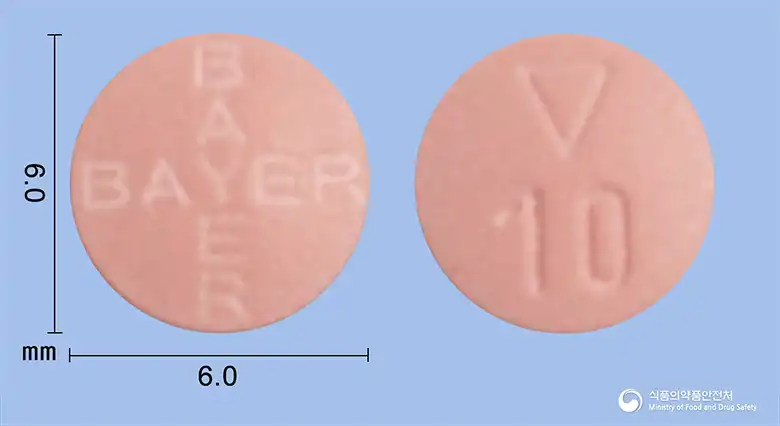
Rivaroxaban Micronized 10mg
Tablet · Prescription medication
Bayer Korea Co., Ltd.
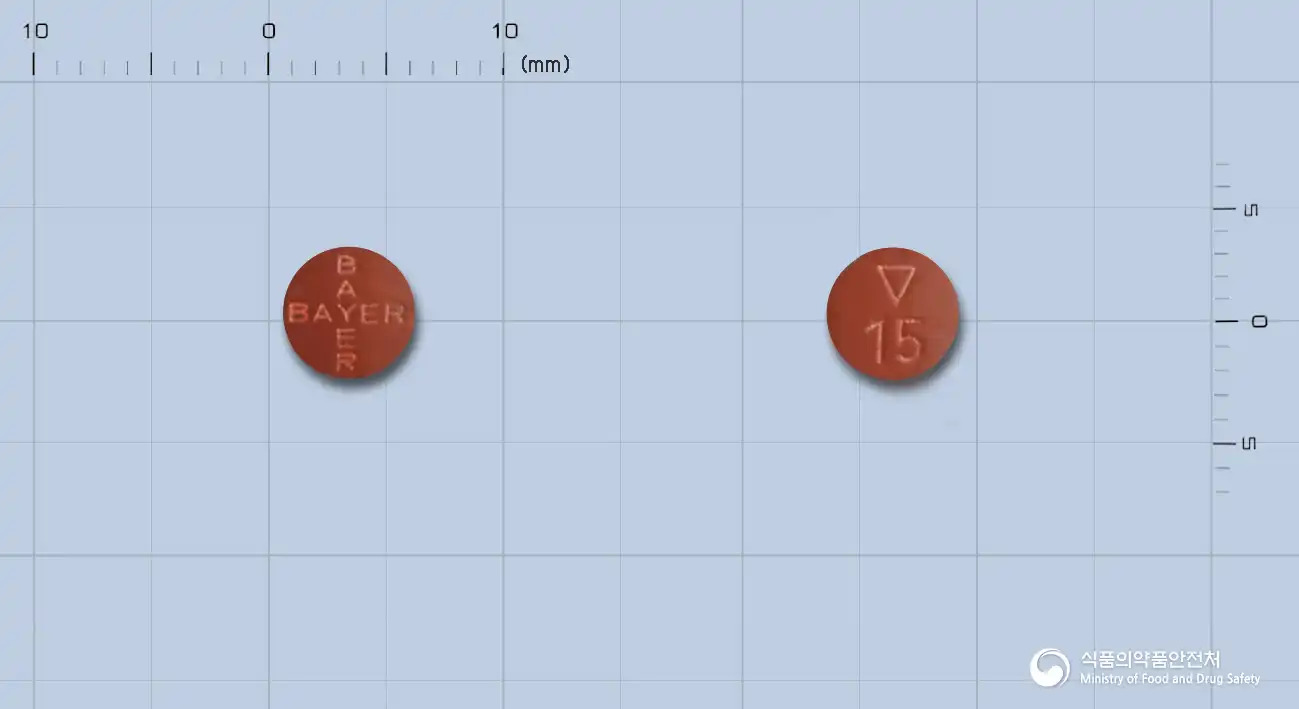
Rivaroxaban Micronized 15mg
Tablet · Prescription medication
Bayer Korea Co., Ltd.
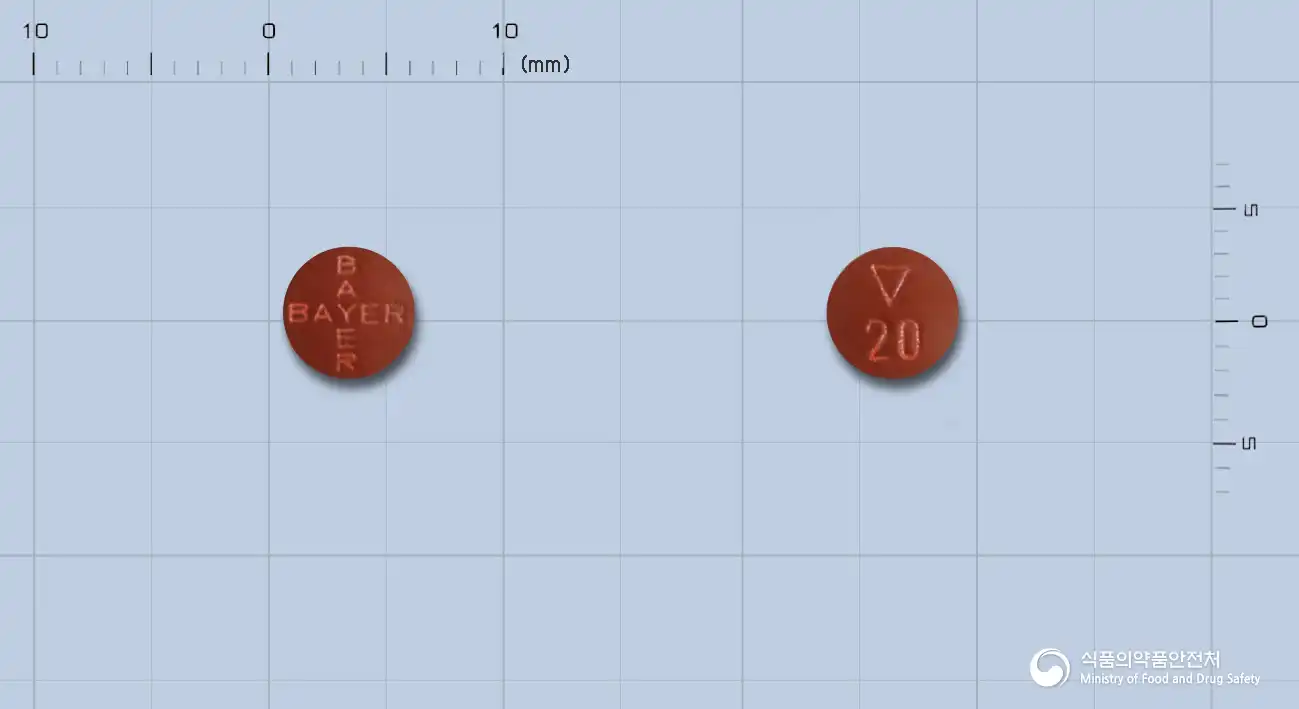
Rivaroxaban Micronized 20mg
Tablet · Prescription medication
Bayer Korea Co., Ltd.
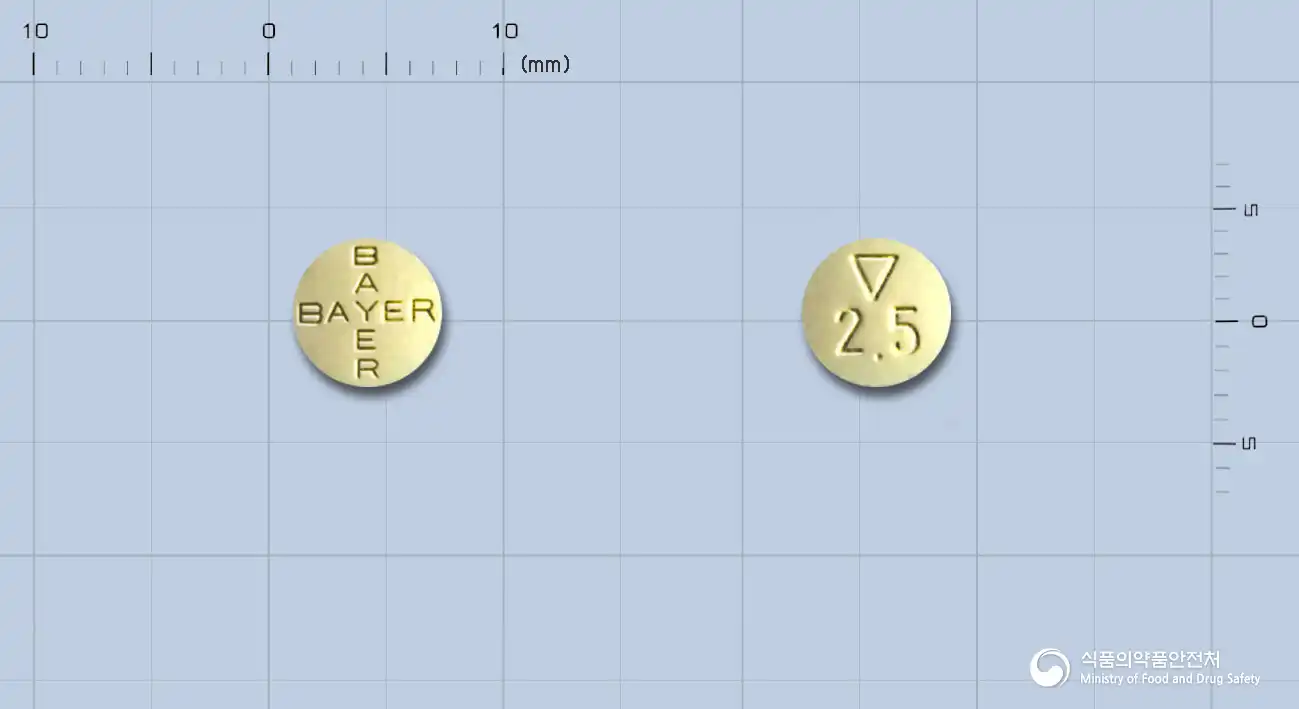
Rivaroxaban Micronized 2.5mg
Tablet · Prescription medication
Bayer Korea Co., Ltd.
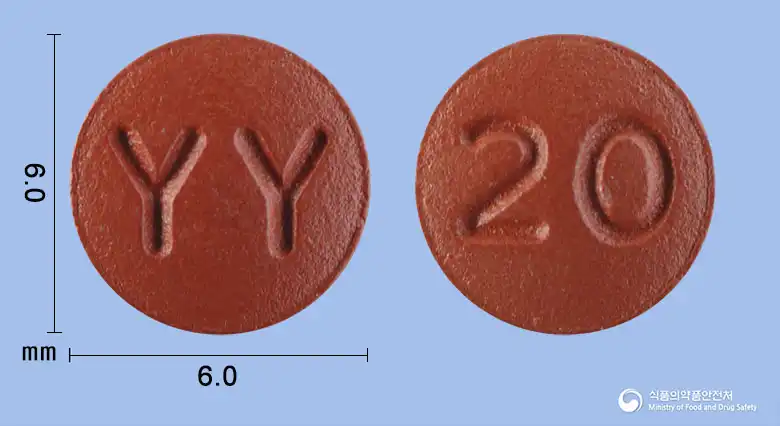
Rivaroxaban Micronized 20mg
Tablet · Prescription medication
Yuyu Pharmaceutical Co., Ltd.
Rivaroxaban Micronized 20mg
Tablet · Prescription medication
Donggu Bio Pharmaceutical Co., Ltd.
Rivaroxaban Micronized 20mg
Tablet · Prescription medication
Daewon Pharmaceutical Co., Ltd.
Even with the same ingredient, the dose and directions can differ by strength and dosage form. Talk to a doctor or pharmacist before switching from a medication you are already taking.
No questions yet.
For anything that needs medical judgment, consult a doctor or pharmacist.
This drug information is based on data provided by the Korea Ministry of Food and Drug Safety.
Consult a doctor or pharmacist for accurate dosage, administration, and usage instructions.