
 한국어
 English
 日本語
 中文(简体)
Dosage form image
Viewing nowBrtaon Tablet 90mg (Ticagrelor)
Ticagrelor 90mg
Tablet · Prescription medication
Medix Pharmaceutical Co., Ltd.
MFDS item code 201902423 · Approved 2019.04.18
This product's status changed to Expired on 2024.04.18. It may no longer be sold, so consult a doctor or pharmacist before taking it.
Prevention of thrombotic cardiovascular events (such as myocardial infarction and stroke); prevention of stroke after stroke or TIA
This medication is used in conjunction with aspirin to reduce the risk of thrombotic cardiovascular events, namely deaths from cardiovascular causes, myocardial infarction, and stroke. It is effective in patients with acute coronary syndrome or those at high risk with a history of myocardial infarction. Additionally, it helps reduce the incidence of myocardial infarction and stroke in patients with type 2 diabetes who have undergone percutaneous coronary intervention due to coronary artery disease. In cases of acute ischemic stroke or in high-risk transient ischemic attack patients, it is used in combination with aspirin to prevent the occurrence of stroke. Overall, it plays a crucial role in preventing recurrence and reducing the risk of cardiovascular and cerebrovascular diseases.
Do not use this medicine concomitantly with other ADP receptor inhibitors (ticlopidine, clopidogrel, prasugrel). Acute coronary syndrome: Administer an initial dose of 180mg, followed by 90mg twice daily. Treatment for 12 months is recommended unless discontinuation of this medicine is clinically necessary. Patients taking this medicine should also receive a maintenance dose of aspirin (75 - 150mg), unless specifically contraindicated. Patients with a history of myocardial infarction (occurring at least 1 year previously) who are at high risk of thrombotic cardiovascular events: Administer 60mg twice daily. Patients taking this medicine should also receive a maintenance dose of aspirin (75 - 150mg), unless specifically contraindicated. Patients who took 90mg of this medicine or another ADP receptor inhibitor (ticlopidine, clopidogrel, prasugrel) during the first year after myocardial infarction may continue treatment with this medicine at 60mg. Treatment with this medicine may also be initiated in patients within 2 years of myocardial infarction or within 1 year of discontinuing a previous ADP receptor inhibitor (ticlopidine, clopidogrel, prasugrel). Patients with type 2 diabetes who have undergone percutaneous coronary intervention (PCI) for coronary artery disease: Administer 60mg twice daily. Patients taking this medicine should also receive a maintenance dose of aspirin (75 - 150mg), unless specifically contraindicated. For patients with acute coronary syndrome, refer to the corresponding dosage and administration instructions. Patients with acute ischemic stroke or high-risk transient ischemic attack: Administer an initial dose of 180mg, followed by 90mg twice daily for 30 days. Patients taking this medicine should also receive a maintenance dose of aspirin (75 - 100mg), unless specifically contraindicated. An initial loading dose of aspirin (300-325mg) is recommended in patients with acute ischemic stroke or high-risk transient ischemic attack. This medicine is administered orally and may be taken with or without food. For patients who have difficulty swallowing tablets, crush this medicine into a fine powder, disperse it in half a glass of water, and drink it. Rinse the glass with another half glass of water and drink it. This mixture may also be administered through a nasogastric tube (CH8 or larger); it is important to flush the nasogastric tube with water after administration. When switching from another antiplatelet agent to this medicine, start this medicine 24 hours after the last dose of the previous medicine. If a dose is missed, take only 1 tablet (the next scheduled dose) at the next scheduled dosing time. No dose adjustment is necessary in patients with renal impairment. No dose adjustment is necessary in patients with mild hepatic impairment. This medicine has not been studied in patients with severe hepatic impairment, and there is limited experience with its use in patients with moderate hepatic impairment.
The safety and efficacy of this medicine have not been established in pediatric patients under 18 years of age (see the 'Other' section).
This drug prevents platelets in the blood from aggregating to prevent clot formation. However, it can increase the risk of bleeding, and it should not be used in patients with severe bleeding or a history of intracranial hemorrhage. Patients scheduled for surgery should discontinue this medication at least 5 days before the procedure and should carefully monitor the risk of bleeding during surgery. Caution is advised when taking this drug with other medications that could increase the risk of bleeding. In particular, patients with severely impaired liver function or those co-administered with certain antifungal agents or antibiotics may have excessively elevated blood levels, and this should be avoided. Patients experiencing symptoms of dyspnea or bradycardia (slow heart rate) should use this medication with caution. Elderly patients, those with impaired renal function, or those with a history of hyperuricemia or gout should have their condition monitored regularly while taking this medication. Women who are pregnant or breastfeeding should avoid this medication or consult a physician, and it is not recommended for children under 18 years of age due to lack of established safety and efficacy. In cases of overdose, the risk of bleeding can significantly increase, and since there is currently no antidote for this medication, the healthcare provider should be notified immediately. Caution is necessary as dizziness or confusion may occur during driving or operating machinery. This medication can interact with various other drugs, so it is essential to inform the healthcare provider of any other medications being taken.
Not everyone experiences these, and they can vary from person to person.
This medication should be stored in a tightly closed container to prevent air or moisture from entering, and it is recommended to keep it at room temperature between 1°C and 30°C. Proper storage will maintain the effectiveness and safety of the medication.
Yellow, convex, round, film-coated tablets
56 tablets/box [14 tablets/PTP x 4]
Even with the same ingredient, strength, dosage form and how it is taken can differ.
Ticagrelor 90mg
Tablet · Prescription medication
Medix Pharmaceutical Co., Ltd.
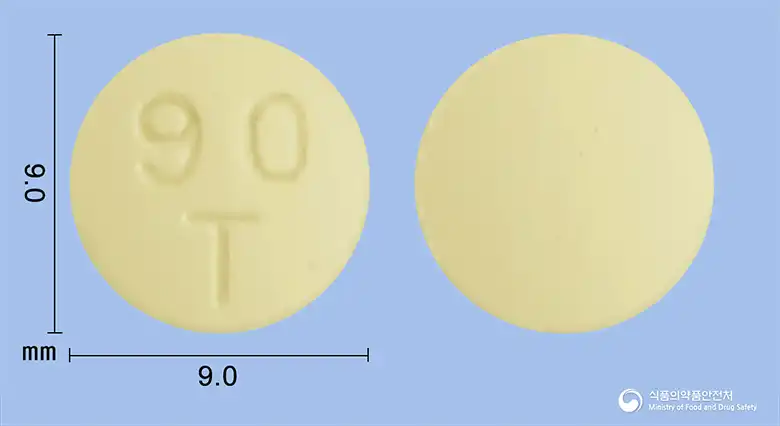
Ticagrelor 90mg
Tablet · Prescription medication
AstraZeneca Korea Co., Ltd.
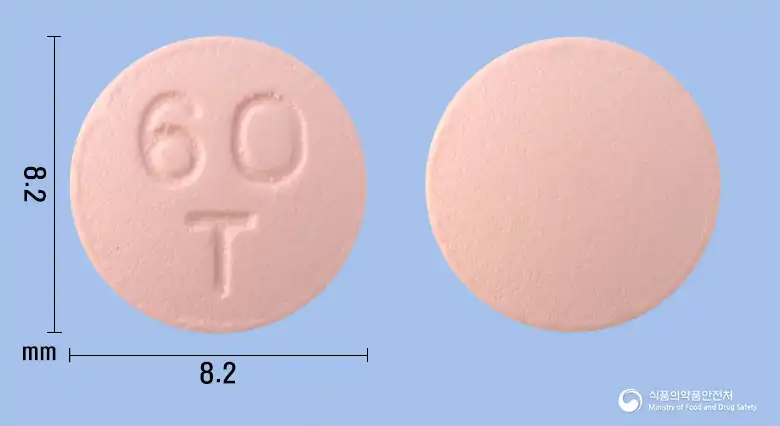
Ticagrelor 60mg
Tablet · Prescription medication
AstraZeneca Korea Co., Ltd.
Ticagrelor
Prescription medication
HK Inno.N Co., Ltd.
Ticagrelor
Prescription medication
HK Inno.N Co., Ltd.
Ticagrelor
Prescription medication
Anguk Pharmaceuticals Co., Ltd.
Ticagrelor
Prescription medication
Anguk Pharmaceutical Co., Ltd.
Ticagrelor
Prescription medication
Daewoong Pharmaceutical Co., Ltd.
Even with the same ingredient, the dose and directions can differ by strength and dosage form. Talk to a doctor or pharmacist before switching from a medication you are already taking.
No questions yet.
For anything that needs medical judgment, consult a doctor or pharmacist.
This drug information is based on data provided by the Korea Ministry of Food and Drug Safety.
Consult a doctor or pharmacist for accurate dosage, administration, and usage instructions.