
 한국어
 English
 日本語
 中文(简体)
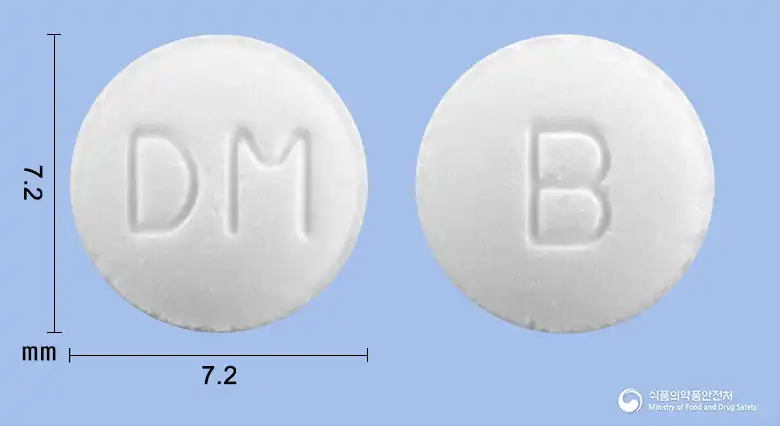 Viewing now
Baclofen Tablets 10mg (Baclofen)
Baclofen 10mg
Tablet · Prescription medication
Dasan Pharmaceutical Co., Ltd.
MFDS item code 201902057 · Approved 2019.04.04 · Insurance code 678601250
Relief of spinal cord disease-related spasticity, cerebral spasticity, and skeletal muscle spasticity (e.g., multiple sclerosis)
This medication is used to relieve muscle spasticity caused by multiple sclerosis or spinocerebellar degeneration. It is also effective for spasticity symptoms due to inflammatory, degenerative, traumatic, neoplastic, or unknown causes of spinal cord disease. For example, it improves muscle spasticity in various spinal-related diseases such as spastic paraparesis, amyotrophic lateral sclerosis, syringomyelia, transverse myelitis, traumatic paraplegia, and spinal compression. Additionally, it is used to relieve spasticity due to cerebral abnormalities, especially in conditions like cerebral palsy, cerebrovascular accidents, neoplastic and degenerative brain diseases. This drug effectively improves muscle spasticity due to neurological disorders.
Treatment with this medicine should always be initiated at a low dose and gradually increased. The optimal dose should be individualized for each patient to reduce clonic seizures, flexor and extensor rigidity, and convulsions as much as possible while avoiding adverse effects. To prevent excessive muscle weakness and falls, use with caution when muscle tone is necessary to maintain balance in an upright position and during movement, and is also used to maintain function. It is important to allow some transient spasms that help maintain a degree of muscle tone and assist circulatory function. Administer this medicine with a small amount of water during meals. The daily dose should be administered orally in 3 divided doses in adults. Administer baclofen 5㎎ per dose orally 3 times daily, and increase by 5㎎ per dose 3 times daily at 3-day intervals until the optimal dose is determined. In patients with hypersensitivity to this medicine, it is advisable to start with a lower dose (5-10㎎/day) and increase it slowly. The optimal dose is usually 30-80㎎/day. Hospitalized patients may receive 100-120㎎/day under close supervision.
Children (12 months~18 years): The daily dose should be administered orally in 4 divided doses. Children (12 months~18 years): Treatment is generally initiated at a very low dose. (0.3 mg/kg/day in 2~4 divided doses) Children (12 months~18 years): The usual daily maintenance dose is 0.75~2mg/kg. Children under 8 years: The maximum daily dose is 40mg. Children aged 8 years or older: The maximum daily dose is 60mg. Children (12 months~18 years): Increase the dose cautiously at intervals of approximately 1-2 weeks until it is appropriate for the individual's requirements. If a clear therapeutic effect is not observed within 6-8 weeks after administration of the maximum dose, reconsider whether to continue treatment with this medicine.
This medication should not be used by patients with allergies to specific ingredients. This medication contains lactose, so it should not be administered to patients with genetic disorders that inhibit lactose digestion. Patients with neurological diseases such as psychosis or Parkinson's disease should be cautious when using this medication, as symptoms may worsen. Patients with a history of epilepsy should use this medication cautiously, as it may provoke seizures, and should closely monitor their condition along with anticonvulsants. Patients with peptic ulcers, heart, cerebrovascular, or respiratory diseases should also use this medication with caution. Patients with decreased liver or kidney function should adjust the dosage or use only a small amount. Especially, patients with very poor kidney function should receive only very small doses due to the potential for increased concentration of this medication. This drug may affect urination, causing issues such as urinary retention; therefore, patients with neurogenic urinary disorders should be careful. Children, especially those with a history of epilepsy, should be cautious due to the risk of seizures. Abruptly stopping this medication may lead to severe symptoms such as anxiety, confusion, or hallucinations, so it should be gradually tapered off. Drowsiness or dizziness may occur while taking this medication, so driving or operating dangerous machinery should be avoided. Changes in liver function or blood sugar levels may occur, necessitating regular checks for patients with liver disease or diabetes. Toxic symptoms may appear in patients with decreased kidney function, so close monitoring is essential. The risk of suicide may increase, so patients with depression or risk factors for suicide should be closely observed. Taking this medication with alcohol or other central nervous system depressants may enhance sedation effects and increase the risk of respiratory depression. During pregnancy, it should only be used when absolutely necessary, as it may affect the fetus, and caution is also required during breastfeeding, as it may impact the infant. Elderly patients may experience more common side effects due to weakened body functions, so they should start with lower doses and be monitored. In case of overdose, symptoms such as central nervous system depression, respiratory distress, and consciousness disorders may occur, necessitating immediate medical attention.
Not everyone experiences these, and they can vary from person to person.
This medication should be stored in a tightly sealed container to avoid exposure to air or moisture, and it is recommended to keep it at room temperature between 1 to 30 degrees Celsius. Proper storage helps maintain the medication's efficacy and prevents deterioration.
White round tablets
30 tablets/bottle, 500 tablets/bottle
Even with the same ingredient, strength, dosage form and how it is taken can differ.
Viewing nowBaclofen 10mg
Tablet · Prescription medication
Dasan Pharmaceutical Co., Ltd.
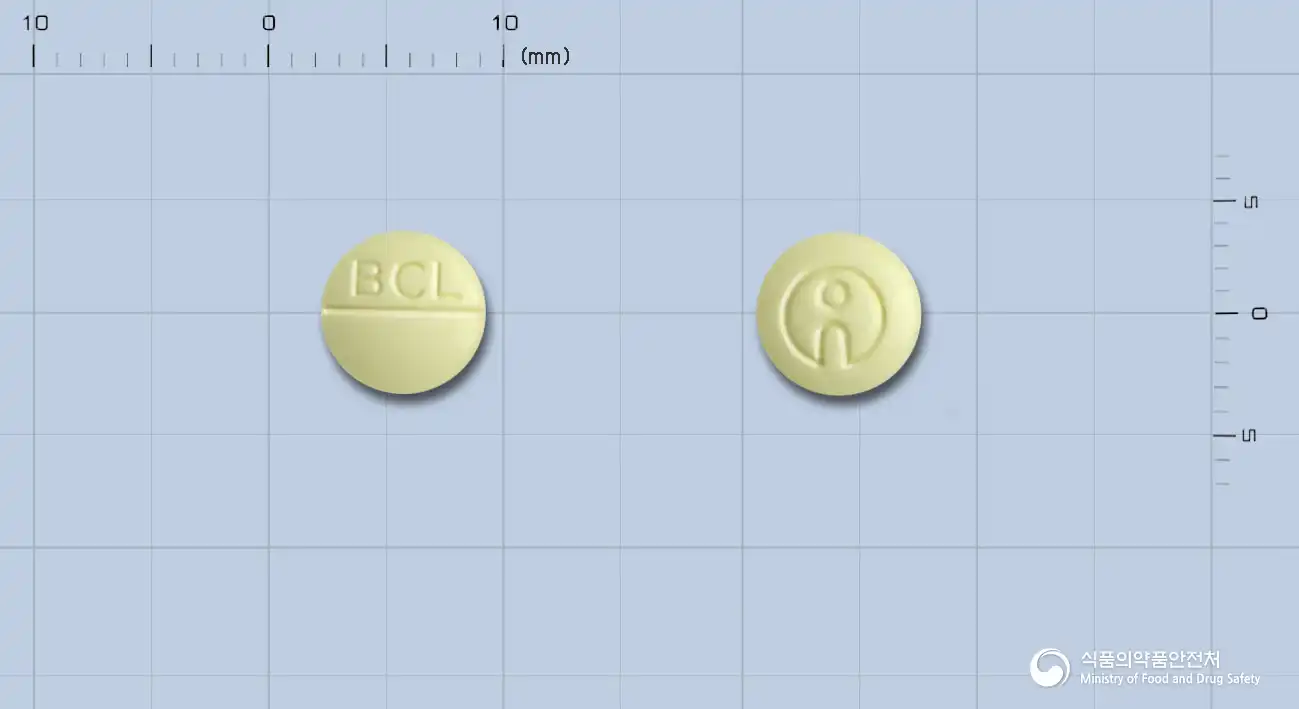
Baclofen 10mg
Tablet · Prescription medication
Yuyoung Pharmaceutical Co., Ltd.
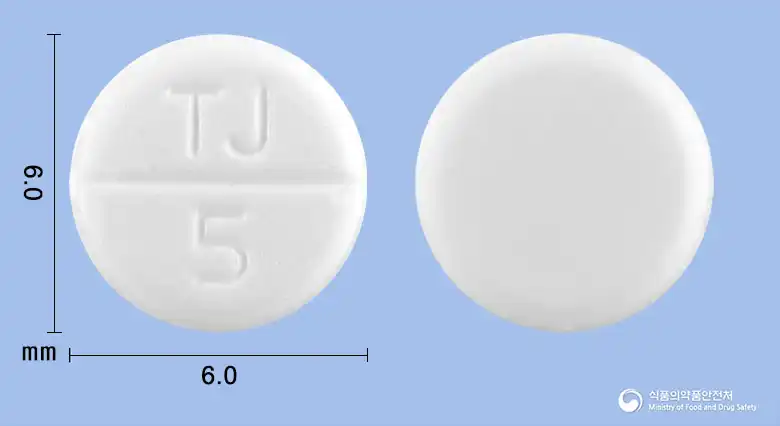
Baclofen 5mg
Tablet · Prescription medication
Taijun Pharmaceutical Co., Ltd.
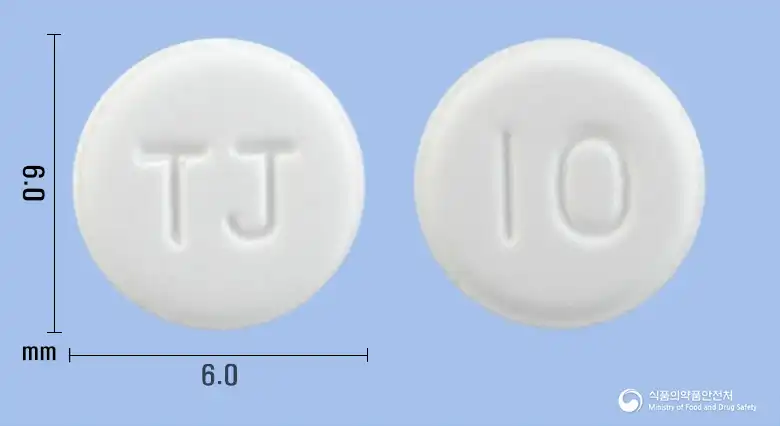
Baclofen 10mg
Tablet · Prescription medication
Taejun Pharmaceutical Co., Ltd.
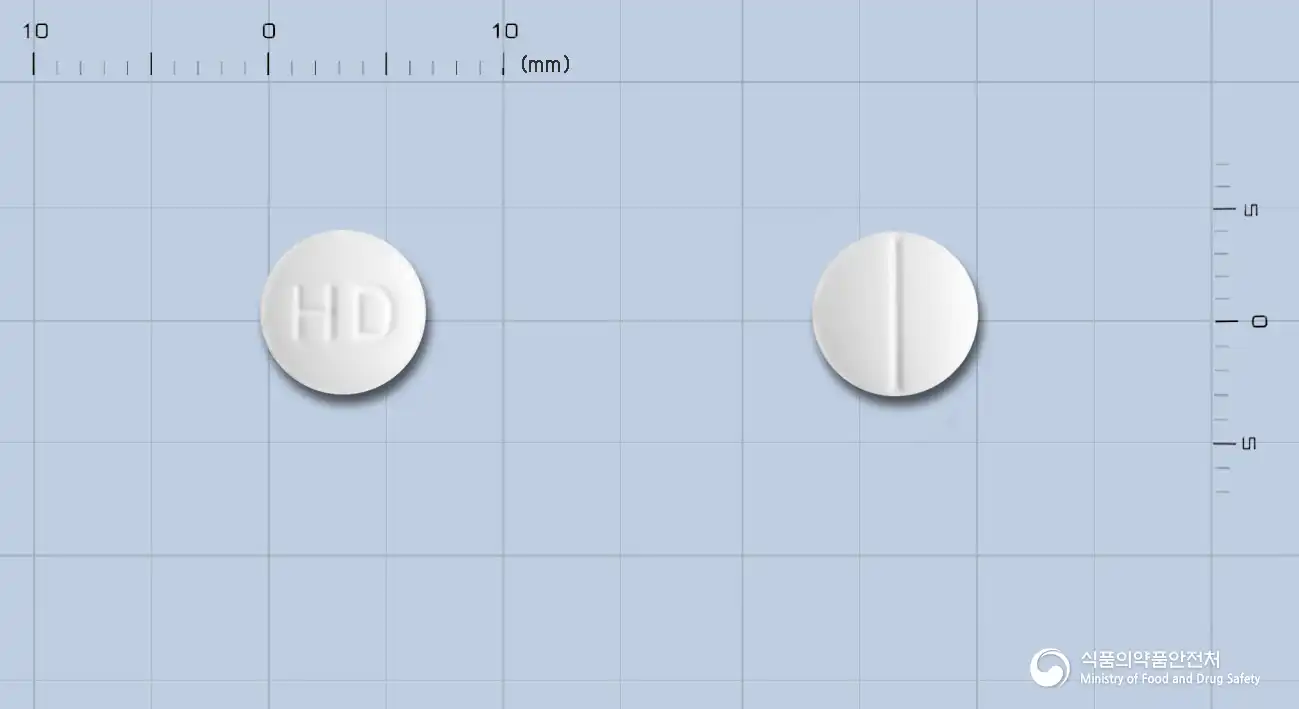
Baclofen 10mg
Tablet · Prescription medication
Handok Co., Ltd.
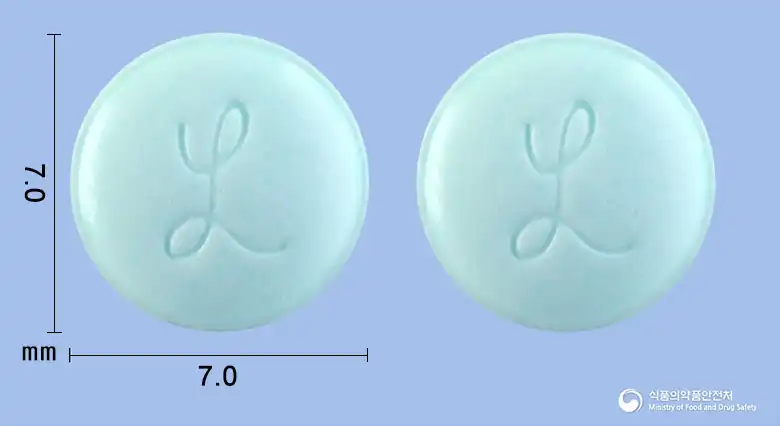
Baclofen 20mg
Tablet · Prescription medication
Korea United Pharmaceutical Co., Ltd.
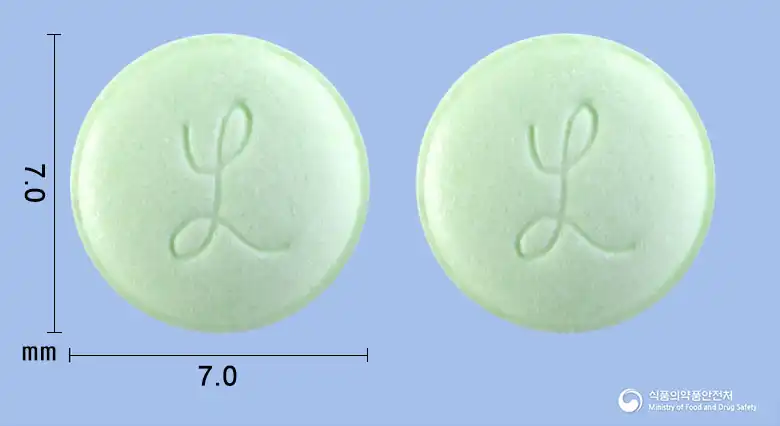
Baclofen 10mg
Tablet · Prescription medication
Korea United Pharmaceutical Co., Ltd.
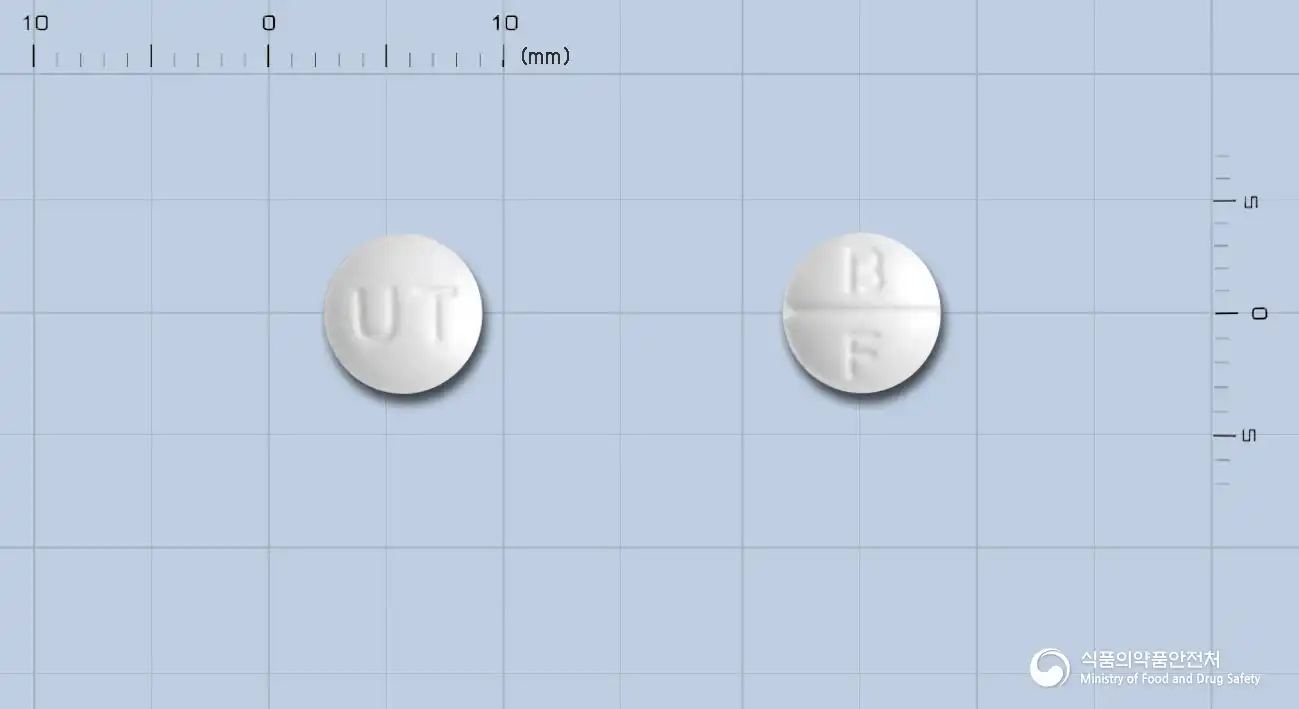
Baclofen 5mg
Tablet · Prescription medication
Korea United Pharmaceutical Co., Ltd.
Even with the same ingredient, the dose and directions can differ by strength and dosage form. Talk to a doctor or pharmacist before switching from a medication you are already taking.
No questions yet.
For anything that needs medical judgment, consult a doctor or pharmacist.
This drug information is based on data provided by the Korea Ministry of Food and Drug Safety.
Consult a doctor or pharmacist for accurate dosage, administration, and usage instructions.