
 한국어
 English
 日本語
 中文(简体)
 Viewing now
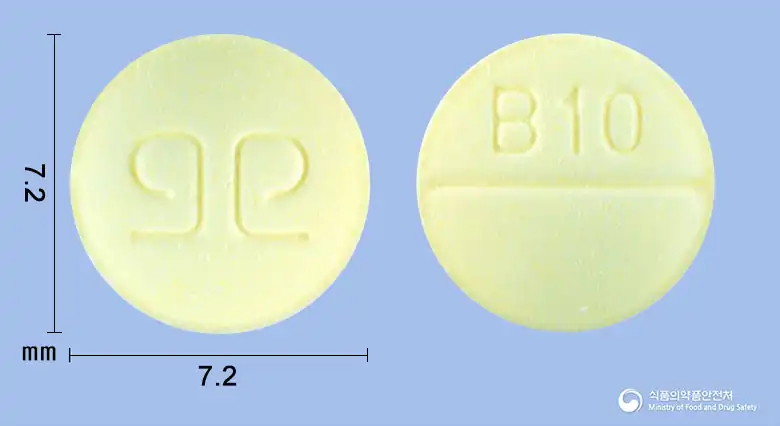
Baclofen 10mg Tablet
Baclofen 10mg
Tablet · Prescription medication
Optus Pharmaceuticals Co., Ltd.
MFDS item code 201901838 · Approved 2019.03.27
Relief of skeletal muscle spasticity (such as in multiple sclerosis) and spasticity caused by spinal cord or cerebral disorders
This medication is used to relieve skeletal muscle spasticity caused by multiple sclerosis or spinocerebellar degeneration. It also helps treat spastic symptoms caused by spinal diseases, such as spastic spinal paralysis, amyotrophic lateral sclerosis, and transverse myelitis, among various other causes. Additionally, it can be effectively used in cases of spasticity resulting from cerebral damage, particularly in cerebral palsy, sequelae of cerebrovascular accidents, and degenerative brain diseases. In summary, this drug is used to alleviate muscle spasticity due to neurological damage, improving the patient's mobility and quality of life.
Treatment with this medicine should always be started at a low dose, which should be gradually increased. The optimal dose should be individualized for each patient to reduce clonic spasms, flexor and extensor rigidity, and convulsions while avoiding adverse effects as much as possible. Use with caution when muscle tone is needed to maintain balance in the upright position and during movement, and is also required to preserve function, in order to prevent excessive muscle weakness and falls. It is important to allow transient spasms that help maintain some degree of muscle tone and support circulatory function. Take this medicine during meals with a small amount of water. The total daily dose should be administered orally in 3 divided doses in adults. ○ Adults 1. Administer 5㎎ of baclofen per dose orally 3 times daily, and increase the dose by 5㎎ per dose 3 times daily at 3-day intervals until the optimal dose is determined. 2. In patients who are hypersensitive to this medicine, it is advisable to start with a lower dose (5-10㎎ per day) and increase it slowly. 3. The usual optimal dose is 30-80㎎ per day. Hospitalized patients may receive 100-120㎎ per day under close supervision.
The total daily dose should be administered orally in 4 divided doses in children. ○ Children (12 months~18 years) Treatment is generally initiated at a very low dose (0.3 mg/kg per day in 2~4 divided doses). The usual daily maintenance dose is 0.75~2mg/kg. Children under 8 years: The maximum daily dose is 40mg. Children 8 years and older: The maximum daily dose is 60mg. Increase the dose carefully at intervals of about 1-2 weeks until it is appropriate for the individual patient's needs. If no clear therapeutic effect is observed within 6-8 weeks after administration of the maximum dose, reconsider whether to continue this medicine.
This medication should not be used by patients who are allergic to specific ingredients. It also contains lactose, so individuals with a genetic disorder that affects lactose digestion should not take this medication. Patients with a history of mental illness or epilepsy should be very cautious when using this medication, as symptoms may worsen. Risks of seizures must also be closely monitored. Patients with peptic ulcers, heart diseases, cerebrovascular diseases, respiratory diseases, or impaired liver or kidney function should take this medication with caution. In particular, patients with severely impaired kidney function should adjust the dosage downwards, and those on long-term dialysis need to be particularly careful as drug concentrations may increase. This medication should be administered with caution to children, especially those with a history of epilepsy, as the risk of seizures may increase. Suddenly increasing the dosage may result in side effects such as drowsiness or sedation; most will improve over time, but in severe cases, the dosage may need to be reduced or stopped. Elderly patients with mental illnesses or cerebrovascular disorders may experience more severe side effects. Drowsiness or dizziness may occur during this medication's use, so patients should avoid driving or operating dangerous machinery. Patients with liver disease or diabetes should receive regular tests as liver function or blood sugar levels may change. This medication may cause toxic symptoms in patients with decreased kidney function, so symptoms must be closely monitored. Some patients taking this medication may face an increased risk of suicide, so both patients and families should carefully observe for changes in mood or unusual behaviors and report any issues to healthcare professionals immediately. Additionally, there is a potential for drug abuse or dependence, so patients with a history of substance abuse should be observed more closely. During pregnancy, this medication may pose risks to the fetus, so it must be administered only after consulting a physician. It should also be used cautiously during breastfeeding as it may be secreted in small amounts in breast milk. Elderly patients may experience side effects more easily due to reduced bodily functions, so treatment should start at a low dose, with careful monitoring of their condition. In cases of overdose, symptoms such as central nervous system depression, respiratory distress, and consciousness disturbances may occur, requiring immediate emergency treatment. There is no specific antidote, so symptomatic treatment such as gastric lavage or the administration of adsorbents, artificial respiration, etc., may be necessary.
Not everyone experiences these, and they can vary from person to person.
This medication should be stored in an airtight container. It is recommended to keep it at room temperature between 1 and 30 degrees Celsius. Therefore, it should be stored safely, avoiding excessively hot or cold places.
Yellow round tablet
30 tablets/bottle
Even with the same ingredient, strength, dosage form and how it is taken can differ.
Viewing nowBaclofen 10mg
Tablet · Prescription medication
Optus Pharmaceuticals Co., Ltd.
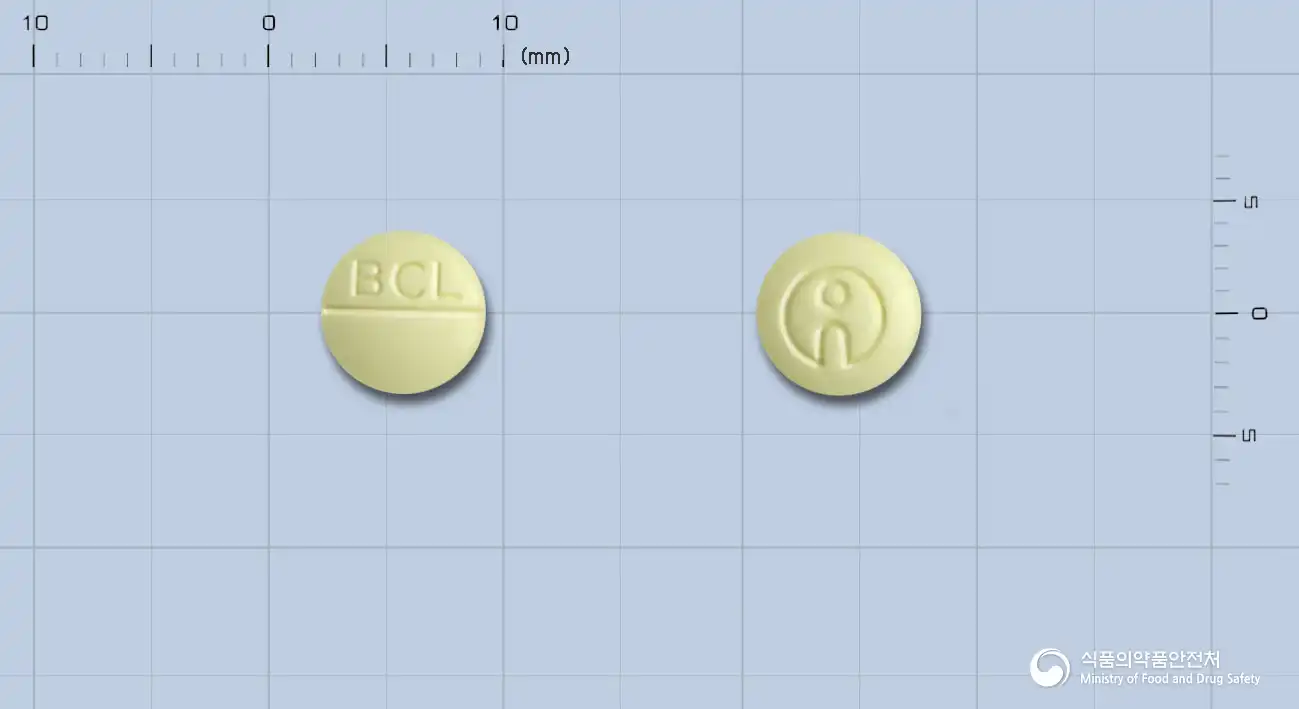
Baclofen 10mg
Tablet · Prescription medication
Yuyoung Pharmaceutical Co., Ltd.
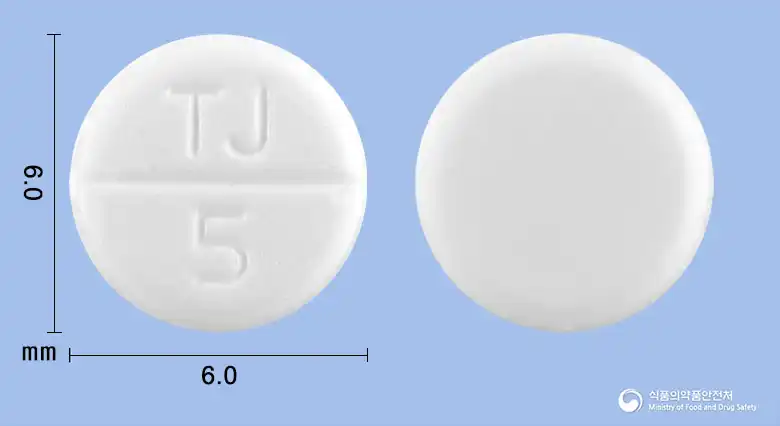
Baclofen 5mg
Tablet · Prescription medication
Taijun Pharmaceutical Co., Ltd.
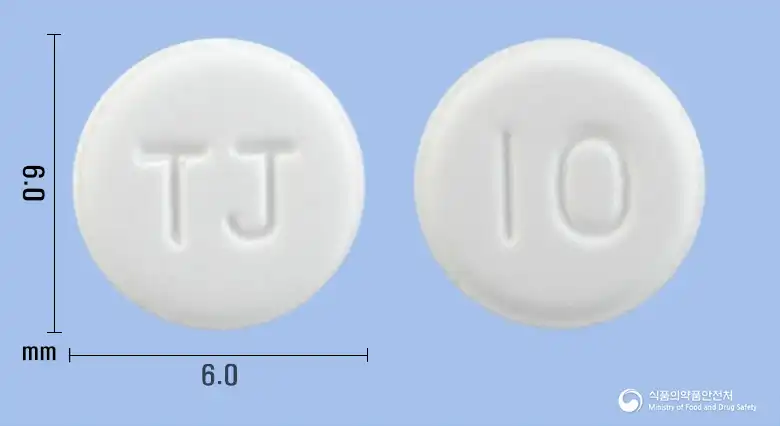
Baclofen 10mg
Tablet · Prescription medication
Taejun Pharmaceutical Co., Ltd.
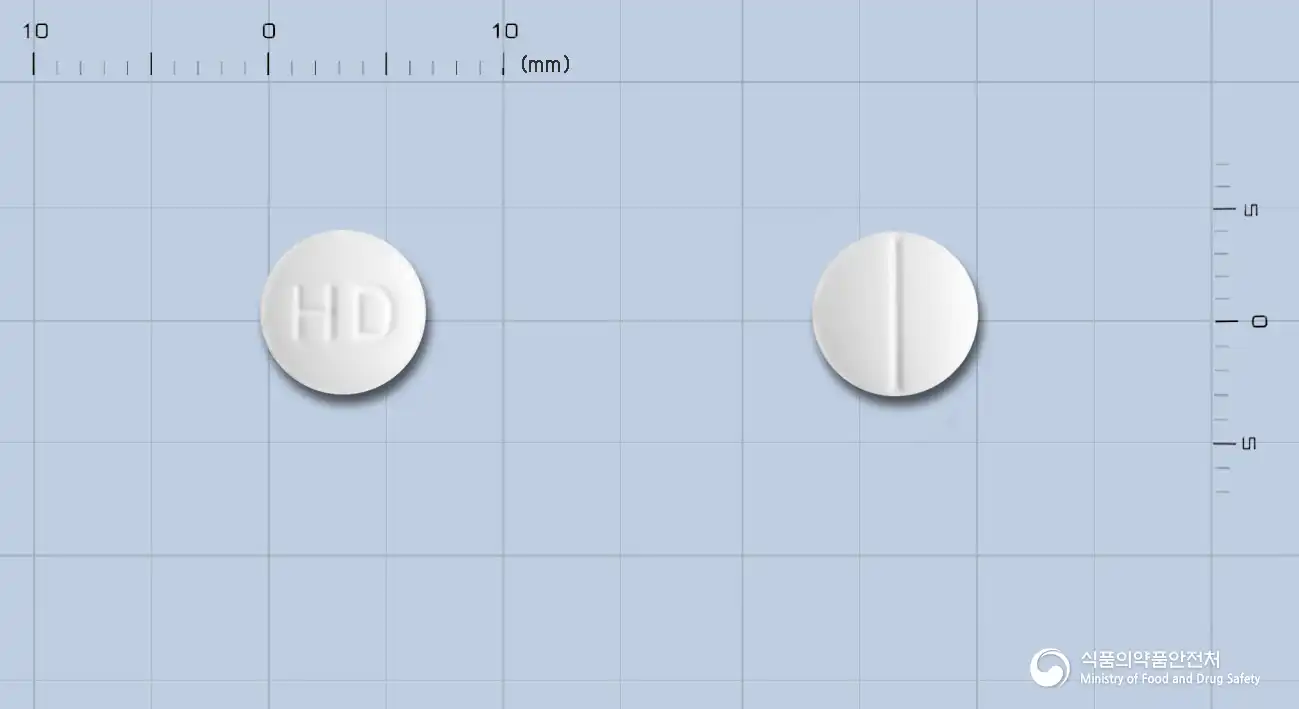
Baclofen 10mg
Tablet · Prescription medication
Handok Co., Ltd.
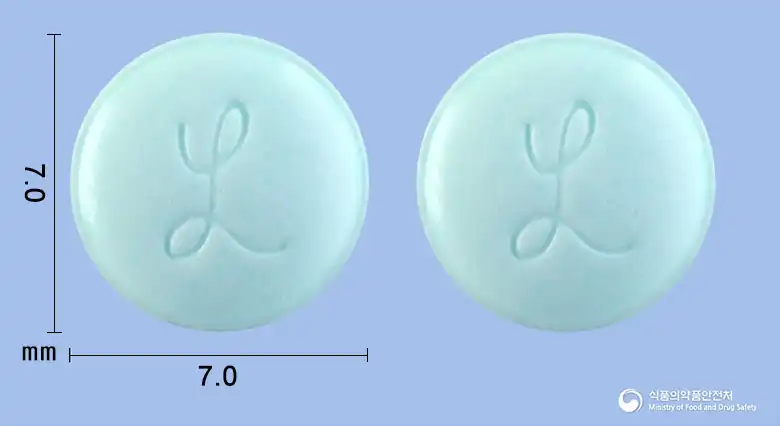
Baclofen 20mg
Tablet · Prescription medication
Korea United Pharmaceutical Co., Ltd.
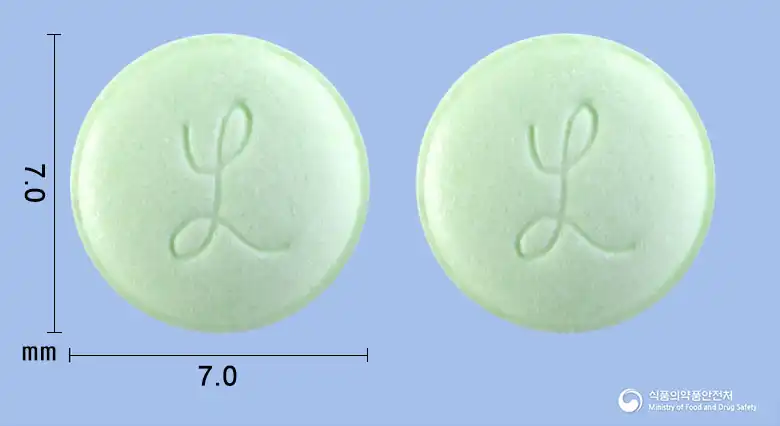
Baclofen 10mg
Tablet · Prescription medication
Korea United Pharmaceutical Co., Ltd.
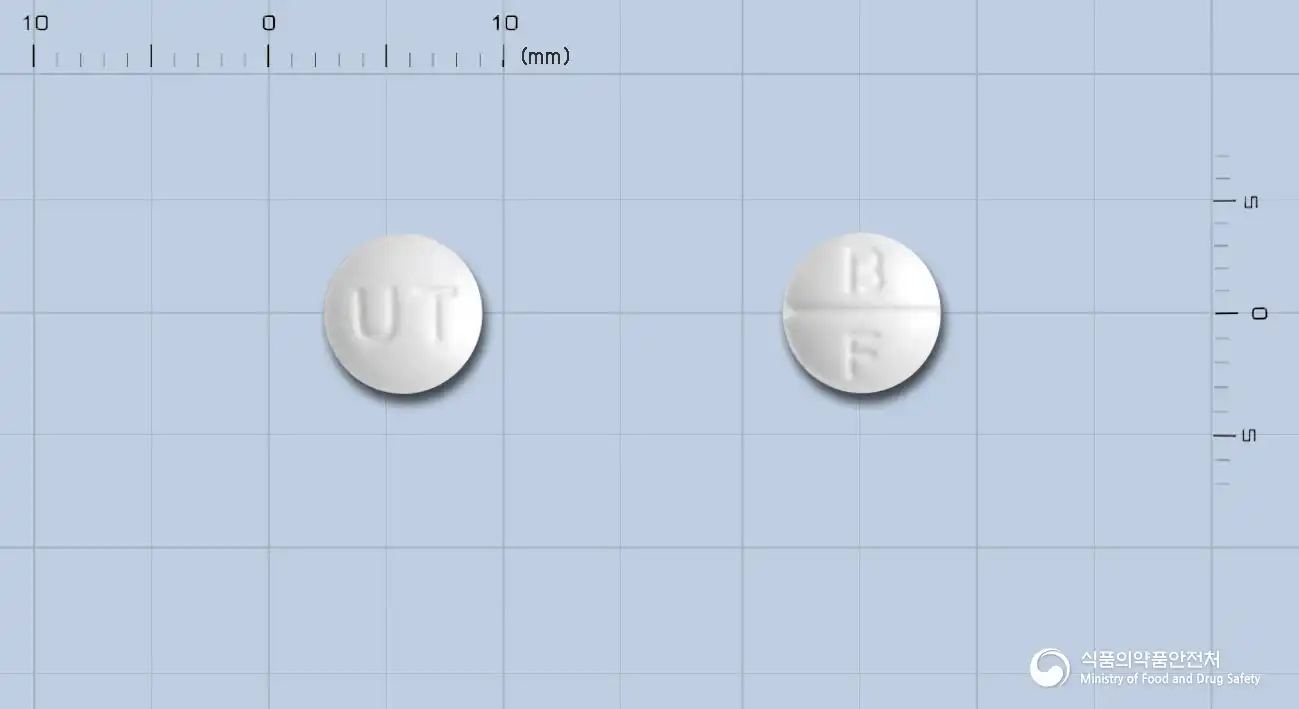
Baclofen 5mg
Tablet · Prescription medication
Korea United Pharmaceutical Co., Ltd.
Even with the same ingredient, the dose and directions can differ by strength and dosage form. Talk to a doctor or pharmacist before switching from a medication you are already taking.
No questions yet.
For anything that needs medical judgment, consult a doctor or pharmacist.
This drug information is based on data provided by the Korea Ministry of Food and Drug Safety.
Consult a doctor or pharmacist for accurate dosage, administration, and usage instructions.