
 한국어
 English
 日本語
 中文(简体)
 Viewing now
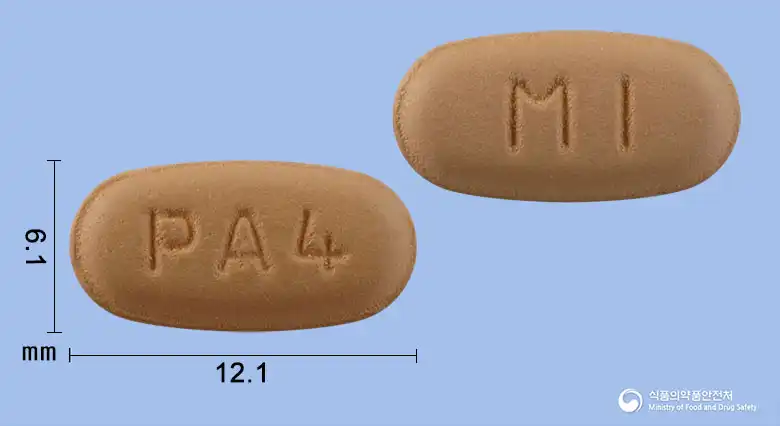
Parkinolfid 4mg Tablet (Ropinirole Hydrochloride)
Ropinirole Hydrochloride 4.56mg
Tablet · Prescription medication
Myungin Pharmaceutical Co., Ltd.
MFDS item code 201901419 · Approved 2019.03.07 · Insurance code 651904770
Treatment of idiopathic Parkinson's disease
This medication can be used alone for the treatment of idiopathic Parkinson's disease, and when taken with levodopa, it reduces fluctuations in motor function and helps decrease the daily dosage of levodopa, aiding in symptom management. This effectively improves symptoms of Parkinson's disease.
1. Adults The appropriate dose should be determined individually, taking efficacy and tolerability into consideration. This medicine should be taken once daily at the same time each day. It may be taken with or without food. Swallow this medicine whole. Do not chew, crush, or split it. 1) Initial therapy For the first week, administer 2mg of this medicine (extended-release tablet) once daily. Starting in the second week of treatment, increase the dose to 4mg once daily. A treatment response may occur starting at 4mg daily. 2) Maintenance therapy When administering this medicine (extended-release tablet), continue treatment at the lowest dose that controls symptoms. If symptoms are not adequately controlled or control is not maintained with 4mg once daily, gradually increase the dose by 2mg each week (or over a longer period) until the daily dose reaches 8mg. If symptoms are not adequately controlled or control is not maintained with 8mg once daily, gradually increase the daily dose by 2mg or 4mg at intervals of 2 weeks or longer. The maximum daily dose of this medicine is 24mg. If treatment is interrupted for 1 day or more, restarting treatment should be considered according to the initial therapy dosing schedule. When ropinirole is administered concomitantly with levodopa, the levodopa dose may be gradually reduced according to the clinical response. In clinical trials, the levodopa dose was gradually reduced by up to approximately 30% in patients receiving this medicine (extended-release tablet) concomitantly with levodopa. Dyskinesia may occur early in treatment with this medicine (extended-release tablet) when administered with levodopa in patients with advanced Parkinson's disease. In such cases, the levodopa dose should be reduced. If ropinirole is to be used as a substitute for another dopamine agonist, the other dopamine agonist should be discontinued according to its recommended instructions before starting ropinirole. As with other dopamine agonists, ropinirole should be discontinued by gradually reducing the daily dose over 1 week. 3) Switching from immediate-release ropinirole tablets to this medicine (extended-release tablet) Immediate-release ropinirole tablets may be replaced with this medicine (extended-release tablet) overnight. The dose of this medicine should be selected based on the patient's total daily dose of immediate-release ropinirole tablets, according to the following dosage table. Total daily dose of immediate-release ropinirole tablets (mg) → Total daily dose of ropinirole extended-release tablets (mg) 0.75-2.25 → 2 3-4.5 → 4 6 → 6 7.5-9 → 8 12 → 12 15-18 → 16 21 → 20 24 → 24 After switching from immediate-release ropinirole tablets to this medicine (extended-release tablet), adjust the dose according to the treatment response. 2. Administration to elderly patients Since ropinirole clearance is decreased in patients aged 65 years and older, the dose should be increased more gradually according to the clinical response. In very elderly patients, consider increasing the dose even more gradually during the initial period of treatment. 3. Patients with renal impairment No dose adjustment is necessary in patients with mild or moderate renal impairment (creatinine clearance 30-50mL/min), as ropinirole clearance is unchanged.
This medication should be used with caution in patients with severe cardiovascular diseases. Care should be taken when used with other medications that may affect blood pressure or heart rhythm. Patients with mental disorders should only use this if the benefits outweigh the risks. Sudden sleepiness or excessive drowsiness may occur during the use of this medication, so activities such as driving or operating machinery should be avoided. Individuals allergic to ropinirole or any components of this medication, those with severe kidney or liver dysfunction, and women who are pregnant or breastfeeding should not take this medication. Patients with specific genetic disorders such as lactose intolerance should also avoid it. Those with cardiovascular diseases should monitor blood pressure regularly, especially at the start of treatment. This medication contains specific dyes, so patients with a history of allergies should use it cautiously. Various side effects such as drowsiness, dizziness, hallucinations, orthostatic hypotension, gastrointestinal disorders, etc., may occur. If any abnormal symptoms arise, consult a physician immediately. Patients with poor mental health may experience behavioral changes such as impulse control disorders or changes in libido during treatment, so regular monitoring is necessary. Sudden discontinuation of the medication can lead to severe side effects; dosage should be gradually decreased according to a physician's instructions. It should not be taken with other dopaminergic medications, and dose adjustments may be necessary depending on the use of certain antibiotics or smoking. Pregnant or breastfeeding women should avoid this medication, and it is not recommended for children or adolescents under 18 years of age. In the case of overdose, symptoms related to dopaminergic action may occur, and immediate medical attention is required. Ensure to store the medication out of reach of children and do not transfer it to other containers.
Hallucinations, drowsiness, akathisia, dizziness, sudden sleep, orthostatic hypotension, hypotension, nausea, constipation, peripheral edema, hypersensitivity reactions (including urticaria, angioedema, rash, and pruritus), confusion, delusions, hallucinations other than hallucinations, impulse control disorders, increased libido including hypersexuality and pathological gambling, compulsive spending, binge eating, aggression, fainting, excessive daytime sleepiness, vomiting, heartburn, abdominal pain, liver reactions, primarily increased liver enzymes, lower limb edema
Not everyone experiences these, and they can vary from person to person.
This medication may be sensitive to air or moisture, so it must be placed in a tightly sealed container to ensure that the contents are safely stored. It is recommended to keep the storage temperature between 1 degree and 30 degrees Celsius at room temperature. This will help maintain the medication’s effectiveness and safety for a long time.
Light brown, bilaterally convex, rectangular film-coated sustained-release tablet
28 tablets/box [14 tablets/PPT*2]
Even with the same ingredient, strength, dosage form and how it is taken can differ.
Viewing nowRopinirole Hydrochloride 4.56mg
Tablet · Prescription medication
Myungin Pharmaceutical Co., Ltd.

Ropinirole Hydrochloride 0.285mg
Tablet · Prescription medication
GlaxoSmithKline Co., Ltd.
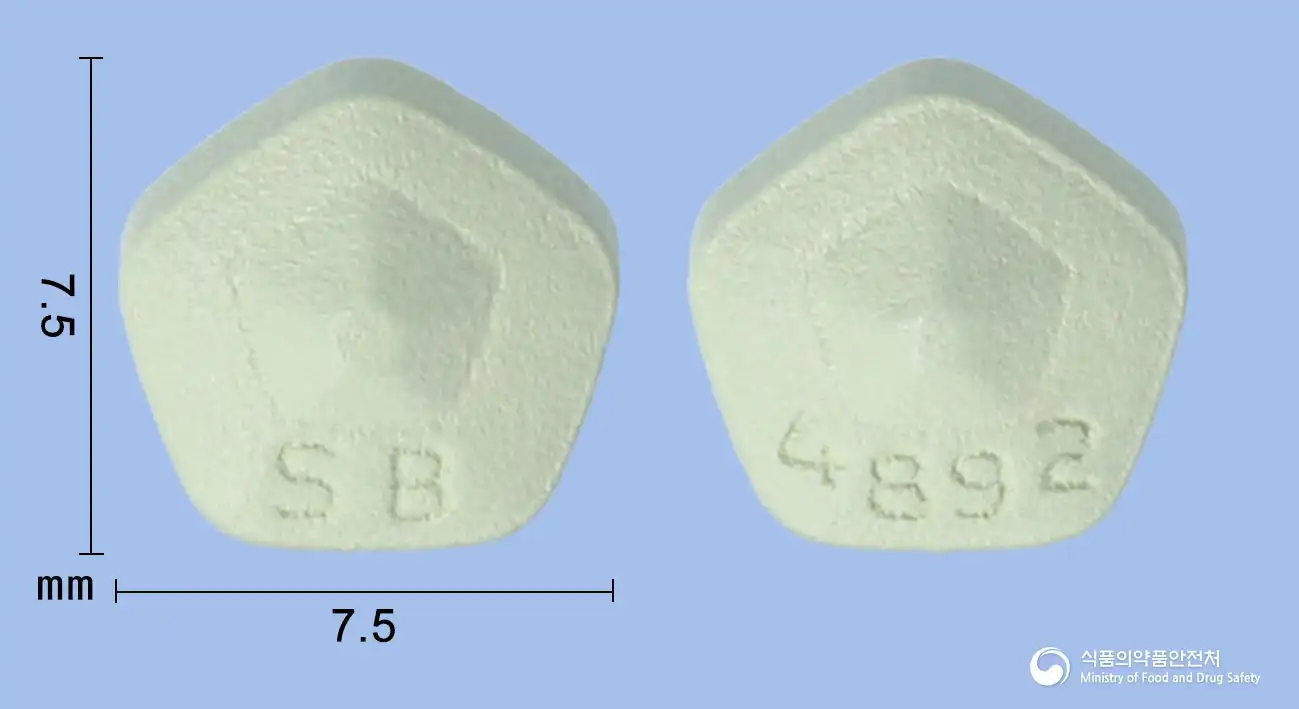
Ropinirole Hydrochloride 1.14mg
Tablet · Prescription medication
GlaxoSmithKline Co., Ltd.

Ropinirole Hydrochloride 2.28mg
Tablet · Prescription medication
GlaxoSmithKline Co., Ltd.

Ropinirole Hydrochloride 5.7mg
Tablet · Prescription medication
GlaxoSmithKline Co., Ltd.

Ropinirole Hydrochloride 2.28mg
Tablet · Prescription medication
Korea Pharmaceutical Co., Ltd.
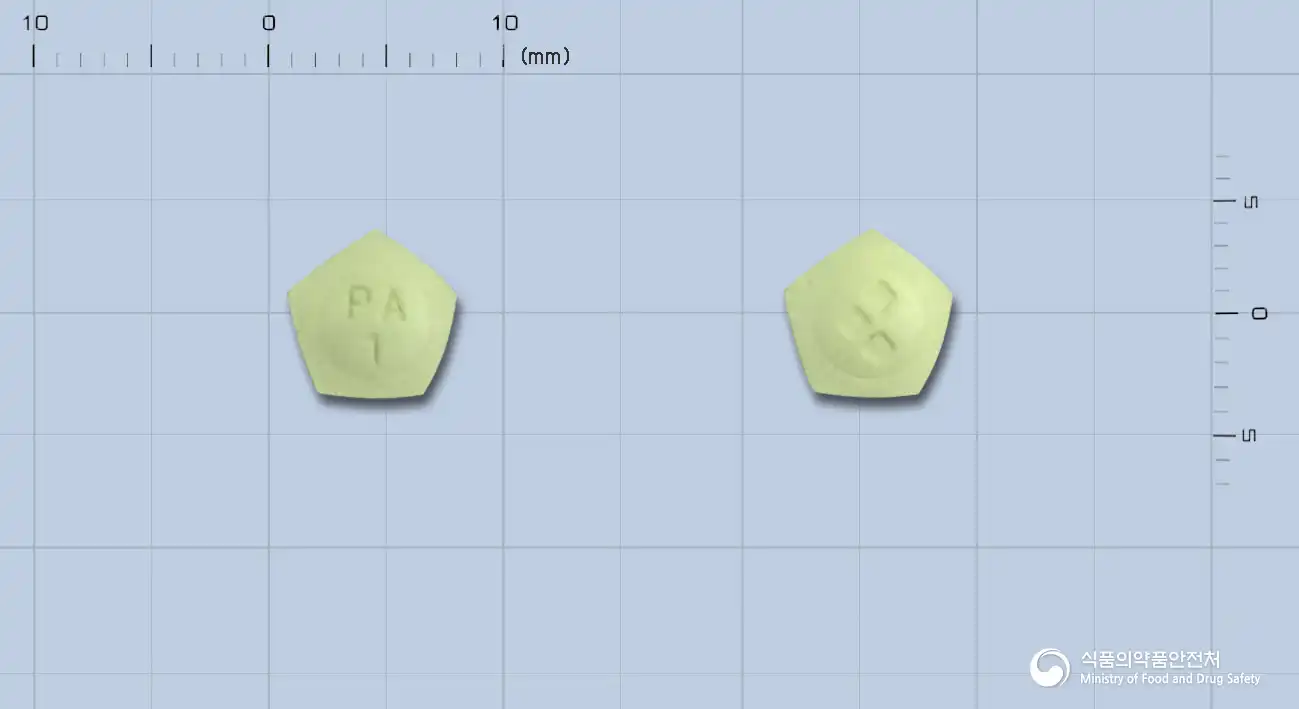
Ropinirole Hydrochloride 1.14mg
Tablet · Prescription medication
Myungin Pharmaceutical Co., Ltd.
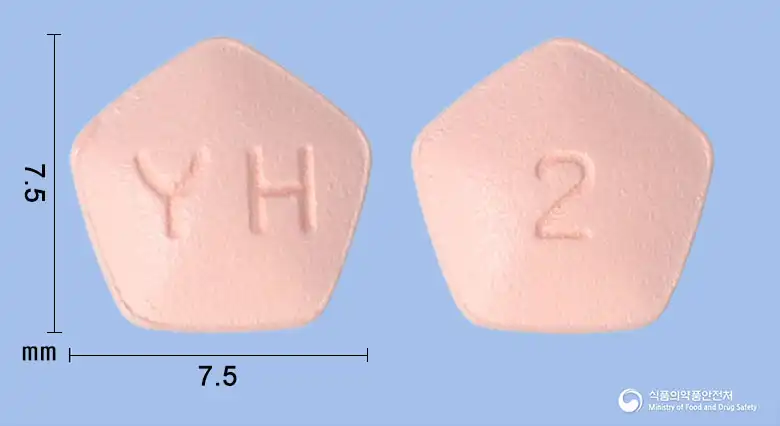
Ropinirole Hydrochloride 2.28mg
Tablet · Prescription medication
Yuhan Corporation
Even with the same ingredient, the dose and directions can differ by strength and dosage form. Talk to a doctor or pharmacist before switching from a medication you are already taking.
No questions yet.
For anything that needs medical judgment, consult a doctor or pharmacist.
This drug information is based on data provided by the Korea Ministry of Food and Drug Safety.
Consult a doctor or pharmacist for accurate dosage, administration, and usage instructions.