
 한국어
 English
 日本語
 中文(简体)
Dosage form image
Viewing nowHyundai Ropinirole Sustained-release Tablet 4mg (Ropinirole Hydrochloride)
Ropinirole Hydrochloride 4.56mg
Tablet · Prescription medication
Hyundai Pharmaceutical Co., Ltd.
MFDS item code 201901402 · Approved 2019.03.07
This product's status changed to Expired on 2024.03.07. It may no longer be sold, so consult a doctor or pharmacist before taking it.
Treatment of idiopathic Parkinson's disease
This drug can be used alone in the treatment of idiopathic Parkinson's disease. Additionally, when taken with levodopa, it helps to reduce the on-off fluctuations in motor state and assists in decreasing the daily dosage of levodopa. Therefore, it is effectively used for symptom management in Parkinson's disease patients.
1. Adults The optimal dose should be individualized, taking efficacy and tolerability into consideration. This medication should be taken once daily at the same time each day. It may be taken with or without food. Swallow this medication whole; do not chew, crush, or split it. 1) Initial therapy During the first week, administer this medication (extended-release tablet) 2mg once daily. Starting in the second week of treatment, increase the dose to 4mg once daily. A treatment response may occur starting at 4mg/day. 2) Maintenance therapy When administering this medication (extended-release tablet), continue treatment at the minimum dose that controls symptoms. If symptoms are inadequately controlled or not maintained with 4mg once daily, increase the dose in 2mg increments each week (or over a longer period) until the daily dose reaches 8mg. If symptoms are inadequately controlled or not maintained with 8mg once daily, increase the daily dose in increments of 2mg or 4mg at intervals of 2 weeks or longer. The maximum daily dose of this medication is 24mg. If treatment is interrupted for 1 day or longer, restarting treatment at the initial therapy dose should be considered. When ropinirole is administered concomitantly with levodopa, the levodopa dose may be reduced gradually according to the clinical response. In clinical trials, the levodopa dose was gradually reduced by up to approximately 30% in patients receiving this medication (extended-release tablet) concomitantly with levodopa. In patients with advanced Parkinson’s disease receiving concomitant levodopa, dyskinesia may occur early in treatment with this medication (extended-release tablet). In such cases, the levodopa dose should be reduced. If ropinirole is to be used as a substitute for another dopamine agonist, the other dopamine agonist should be discontinued according to its recommended method before starting ropinirole. As with other dopamine agonists, ropinirole should be discontinued by gradually reducing the daily dose over 1 week. 3) Switching from immediate-release ropinirole to this medication (extended-release tablet) Immediate-release ropinirole may be replaced with this medication (extended-release tablet) overnight. The dose of this medication should be selected according to the following dosage table, based on the patient’s total daily dose of immediate-release ropinirole. Total daily dose of immediate-release ropinirole (mg) / Total daily dose of extended-release ropinirole (mg) 0.75-2.25 / 2 3-4.5 / 4 6 / 6 7.5-9 / 8 12 / 12 15-18 / 16 21 / 20 24 / 24 After switching from immediate-release ropinirole to this medication (extended-release tablet), adjust the dose according to the treatment response. 2. Use in elderly patients Ropinirole clearance is reduced in patients aged 65 years or older; therefore, increase the dose more gradually according to the clinical response. In very elderly patients, consider increasing the dose even more gradually during the initial period of treatment. 3. Patients with renal impairment No dose adjustment is necessary because ropinirole clearance is unchanged in patients with mild or moderate renal impairment (creatinine clearance 30-50mL/min).
This drug should be used with caution in patients with severe cardiovascular diseases. Particularly, when taken together with antihypertensive drugs or antiarrhythmics, hypotension or arrhythmias may occur, so caution is warranted. This drug should only be used in patients with severe mental disorders when the therapeutic effect outweighs the risk. There may be sudden severe drowsiness or sleepiness while taking this drug; therefore, hazardous activities such as driving or operating machinery should be avoided. Patients who have hypersensitivity reactions to this drug or severe deterioration of kidney and liver function, as well as pregnant or breastfeeding women, should not use it. Patients with certain genetic disorders such as lactose intolerance should also avoid taking this drug. For patients with cardiovascular diseases, it is advisable to monitor blood pressure frequently, especially during the initial dose. This drug contains certain coloring agents, thus patients with a history of allergies should be cautious. Drowsiness, dizziness, hallucinations, hypotension, nausea, constipation, peripheral edema, and other side effects may occur; if any abnormal symptoms arise, immediate reporting is necessary. Mental confusion or impulse control disorders may occur, and both the patient and caregiver should be aware of this and regularly check the patient's condition. If extreme drowsiness or sudden sleep occurs while taking this drug, the dosage should be reduced or the medication should be discontinued, and dangerous activities such as driving should be avoided. This drug may worsen side effects caused by neuroleptics, so it is advisable not to use them together. The drug is designed for gradual release in the intestine, so if intestinal motility is fast, some of the drug may be expelled in feces. Discontinuing abruptly can lead to severe symptoms, so the dosage should be gradually reduced. There may be interactions with other medications, so new medications should be discussed with a healthcare professional beforehand. In particular, certain antibiotics or changes in smoking habits may affect the efficacy of this drug, so caution is required. Pregnant or breastfeeding women are advised not to use this drug, and it is also not recommended for children and adolescents. In case of an overdose, symptoms related to dopamine action may appear, and immediate medical attention should be sought. Lastly, this drug should be stored out of reach of children and should not be transferred to another container for safety reasons.
Hallucinations, drowsiness, extrapyramidal symptoms, dizziness, sudden sleep, orthostatic hypotension, hypotension, nausea, constipation, peripheral edema, hypersensitivity reactions (including urticaria, angioedema, rash, itching), confusion, delusions, hallucinations, paranoid reactions, impulse control disorders, hypersexuality, pathological gambling, increased libido, compulsive spending, binge eating, aggression, syncope, excessive daytime sleepiness, vomiting, chest pain, abdominal pain, liver reactions, increased liver enzymes, lower extremity edema
Not everyone experiences these, and they can vary from person to person.
This medication should be stored in a tightly closed container to prevent exposure to air and moisture, and it should be kept in a cool place below 25 degrees Celsius to maintain its efficacy.
Brownish colored, biconvex, rectangular film-coated sustained-release tablet
28 tablets/box [14 tablets/PTP*2]
Even with the same ingredient, strength, dosage form and how it is taken can differ.
Ropinirole Hydrochloride 4.56mg
Tablet · Prescription medication
Hyundai Pharmaceutical Co., Ltd.

Ropinirole Hydrochloride 0.285mg
Tablet · Prescription medication
GlaxoSmithKline Co., Ltd.
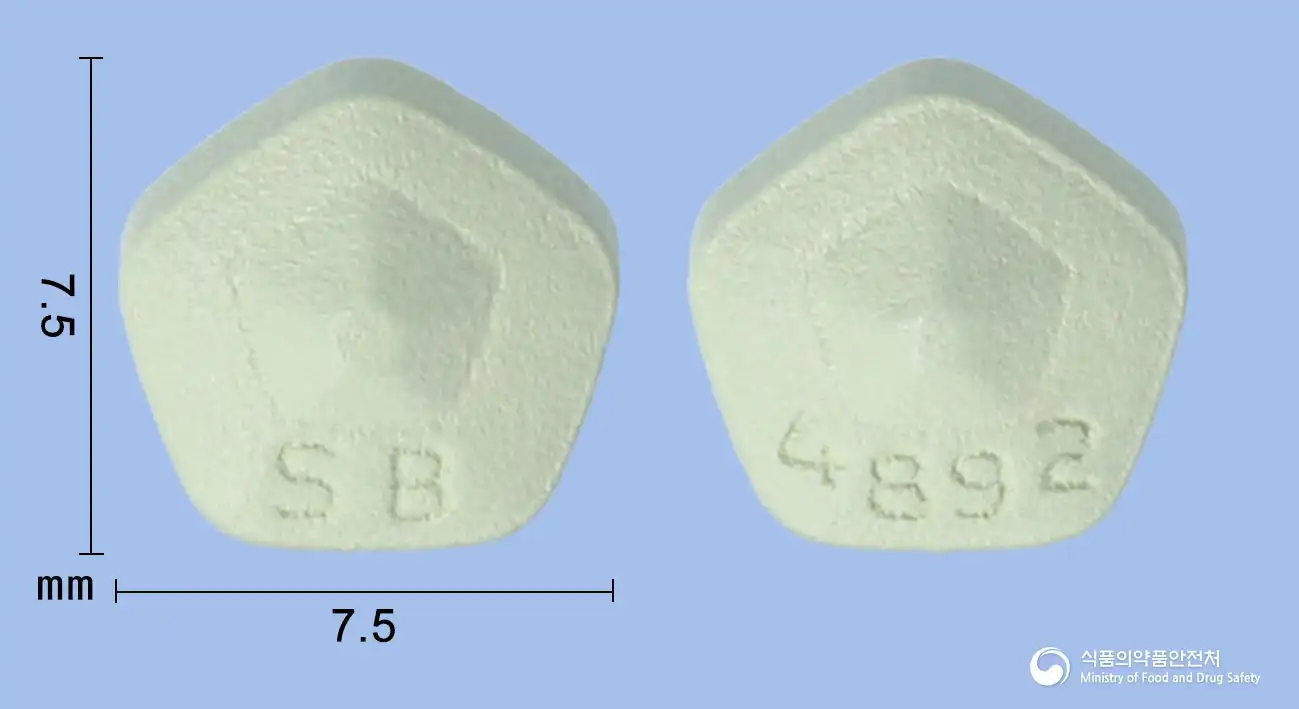
Ropinirole Hydrochloride 1.14mg
Tablet · Prescription medication
GlaxoSmithKline Co., Ltd.

Ropinirole Hydrochloride 2.28mg
Tablet · Prescription medication
GlaxoSmithKline Co., Ltd.

Ropinirole Hydrochloride 5.7mg
Tablet · Prescription medication
GlaxoSmithKline Co., Ltd.

Ropinirole Hydrochloride 2.28mg
Tablet · Prescription medication
Korea Pharmaceutical Co., Ltd.
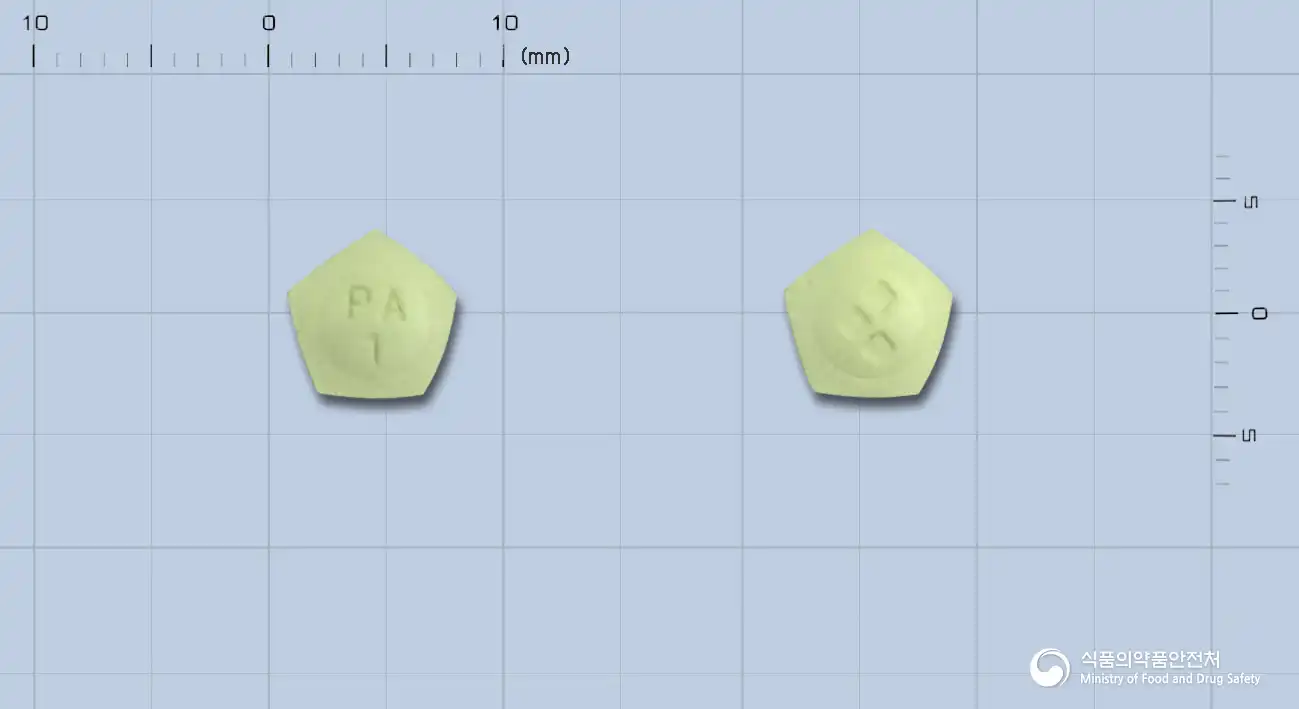
Ropinirole Hydrochloride 1.14mg
Tablet · Prescription medication
Myungin Pharmaceutical Co., Ltd.
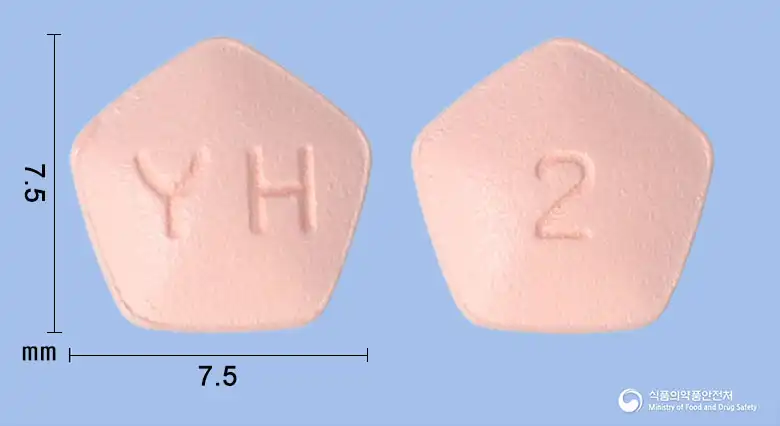
Ropinirole Hydrochloride 2.28mg
Tablet · Prescription medication
Yuhan Corporation
Even with the same ingredient, the dose and directions can differ by strength and dosage form. Talk to a doctor or pharmacist before switching from a medication you are already taking.
No questions yet.
For anything that needs medical judgment, consult a doctor or pharmacist.
This drug information is based on data provided by the Korea Ministry of Food and Drug Safety.
Consult a doctor or pharmacist for accurate dosage, administration, and usage instructions.