
 한국어
한국어 English
 日本語
日本語 中文(简体)
Dosage form image
Viewing nowCombinationCramax Neo Syrup (Amoxicillin-Clavulanate Potassium (14:1))
Amoxicillin Hydrate 54.545g · Dilute Potassium Clavulanate 7.8g
Syrup · Prescription medication · Combination
Dongseong Pharmaceutical Co., Ltd.
MFDS item code 201900951 · Notified 2019.02.15 · Insurance code 643203081
Treatment effectiveness for recurrent acute otitis media and acute sinusitis
This medication is effective against various bacteria such as Streptococcus pneumoniae, Haemophilus influenzae, and Moraxella catarrhalis. It is particularly used in pediatric patients for the treatment of recurrent or persistent acute otitis media and acute sinusitis. However, this medication is suitable for children under two years old and those who have had antibiotic treatment within the last three months. It is safe and effective for treating infections in children with these conditions. Therefore, this medication helps improve recurrent otitis media and sinusitis in children.
There is no experience of using this medication in adults.
For pediatric patients over three months old, the dosage is based on amoxicillin content (600 mg/5 mL) at 90 mg/kg/day, divided every 12 hours, for 10 days for acute otitis media and 7 days for acute sinusitis.
This medication should not be administered to patients allergic to penicillin or cephalosporin classes or who have experienced hypersensitivity. In particular, caution is required for patients with viral infections such as infectious mononucleosis or lymphoblastic leukemia, as there may be a higher risk of rash. Additionally, patients who have had hepatic dysfunction or jaundice due to this medication or penicillin should avoid its use due to the risk of recurrence. This medication contains lactose and should not be administered to patients with hereditary lactose intolerance, lactase deficiency, or glucose-galactose malabsorption. Patients with impaired liver or kidney function should use this medication cautiously, and especially if kidney function is moderately impaired or worse, dosing intervals should be increased. Patients prone to allergies or who easily develop bronchial asthma, rash, or hives also need to be cautious. Elderly patients or those in poor general condition may show signs of vitamin K deficiency, so this medication should be administered carefully. If there are gastrointestinal diseases or severe vomiting or diarrhea, drug absorption may not be sufficient. This medication is generally well tolerated, but side effects like diarrhea, vomiting, rash, or contact dermatitis may occur, and if symptoms are severe, consult a physician. Symptoms of liver dysfunction can appear during or after stopping treatment, so report any unusual symptoms immediately. Serious allergic reactions or anaphylaxis may rarely occur, so closely monitor the patient's condition after administration. If diarrhea occurs during antibiotic use, consider the possibility of pseudomembranous colitis and consult medical personnel immediately. Prolonged use can increase the risk of resistant bacteria and fungal infections; therefore, caution is necessary if used for more than 14 days. Avoid use during the first three months of pregnancy, and if pregnant or breastfeeding, consult a physician before carefully using this medication. It is not used in infants less than three months old due to lack of proven safety and efficacy. This medication can interact with other drugs, so inform your physician of any medications you are taking, especially if combined with anticoagulants or specific antibiotics. In cases of overdose, gastrointestinal symptoms and renal dysfunction may occur, so immediate medical treatment is required. Shake well before administration, and after dispensing, store in the refrigerator and use within seven days. Keep out of reach of children, and store in a dry place at or below 25 degrees Celsius.
Hives, severe swelling, chest tightness, difficulty breathing, cold sweat, pallor, severe rash with high fever, blisters, skin peeling, pain in oral/ocular mucosa, shortness of breath or difficulty breathing, asthma attack, respiratory abnormalities accompanied by cough and fever, jaundice (skin or eyes turning yellow), profound lethargy, sudden and severe headache, thunderclap headache, seizures, confusion, visual disturbances, paralysis, changes in urine output
Contact dermatitis, diaper rash, diarrhea, vomiting, moniliasis, rash, indigestion, stomatitis, gastritis, glossitis, nausea, loss of appetite, abdominal pain, bloating, constipation, colonic pain, acid reflux, dark stools, dry mouth, candidiasis, antibiotic-associated colitis, itching, erythema multiforme, serum sickness-like syndrome, hypersensitivity vasculitis, acute generalized exanthematous pustulosis, bronchospasm associated with dyspnea, laryngeal edema, reversible leukopenia
Not everyone experiences these, and they can vary from person to person.
This medication may be sensitive to air or moisture, so it is important to keep it in a sealed container. Additionally, to maintain the efficacy of the medication, store it in a cool, dry place at or below 25 degrees Celsius.
A white or pale yellow powder that is dissolved in water to be used as syrup
Bottle - 50 milliliters/bottle
Even with the same ingredient, strength, dosage form and how it is taken can differ.
Amoxicillin Hydrate 54.545g · Dilute Potassium Clavulanate 7.8g
Syrup · Prescription medication · Combination
Dongseong Pharmaceutical Co., Ltd.
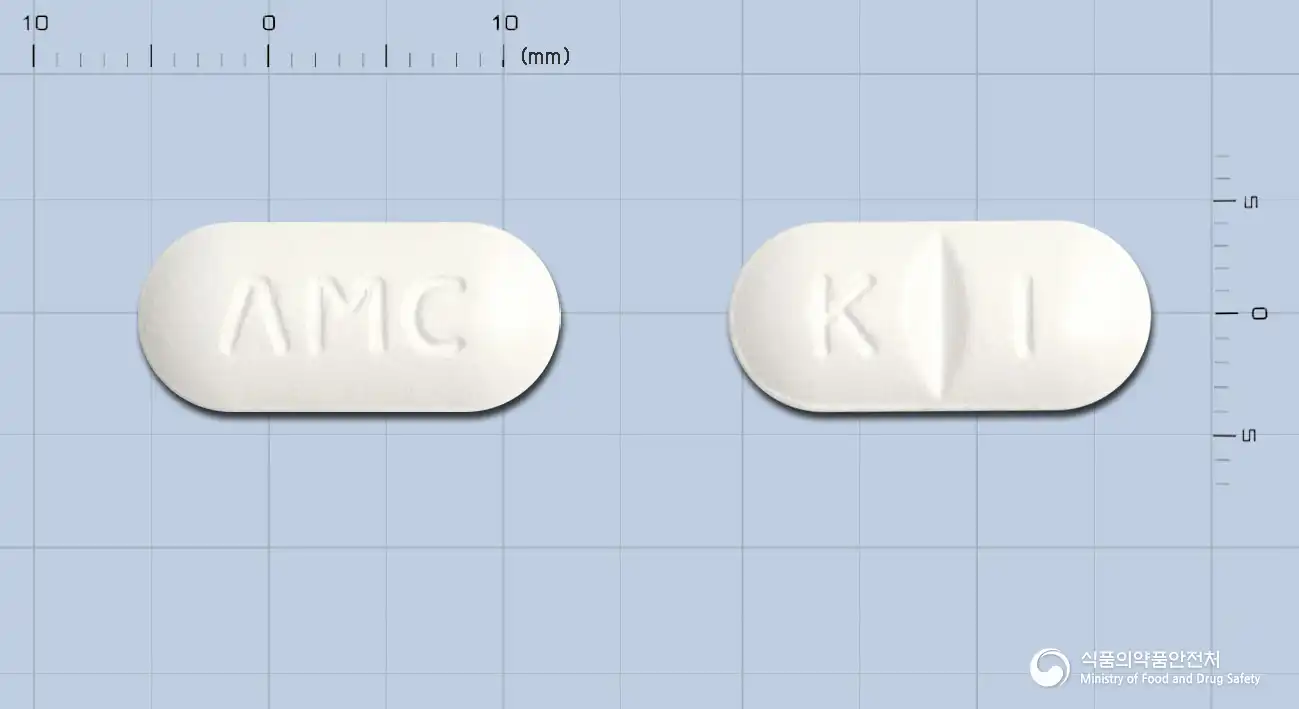 Combination
Amoxicillin Hydrate 500mg · Dilute Potassium Clavulanate 215.52mg
Tablet · Prescription medication · Combination
Geonil Pharmaceutical Co., Ltd.
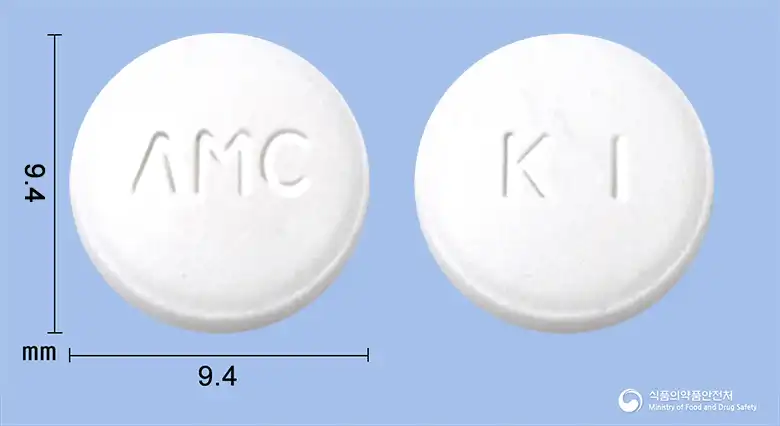 Combination
Amoxicillin Hydrate 125mg · Dilute Potassium Clavulanate 107.76mg
Tablet · Prescription medication · Combination
Geonil Pharmaceutical Co., Ltd.
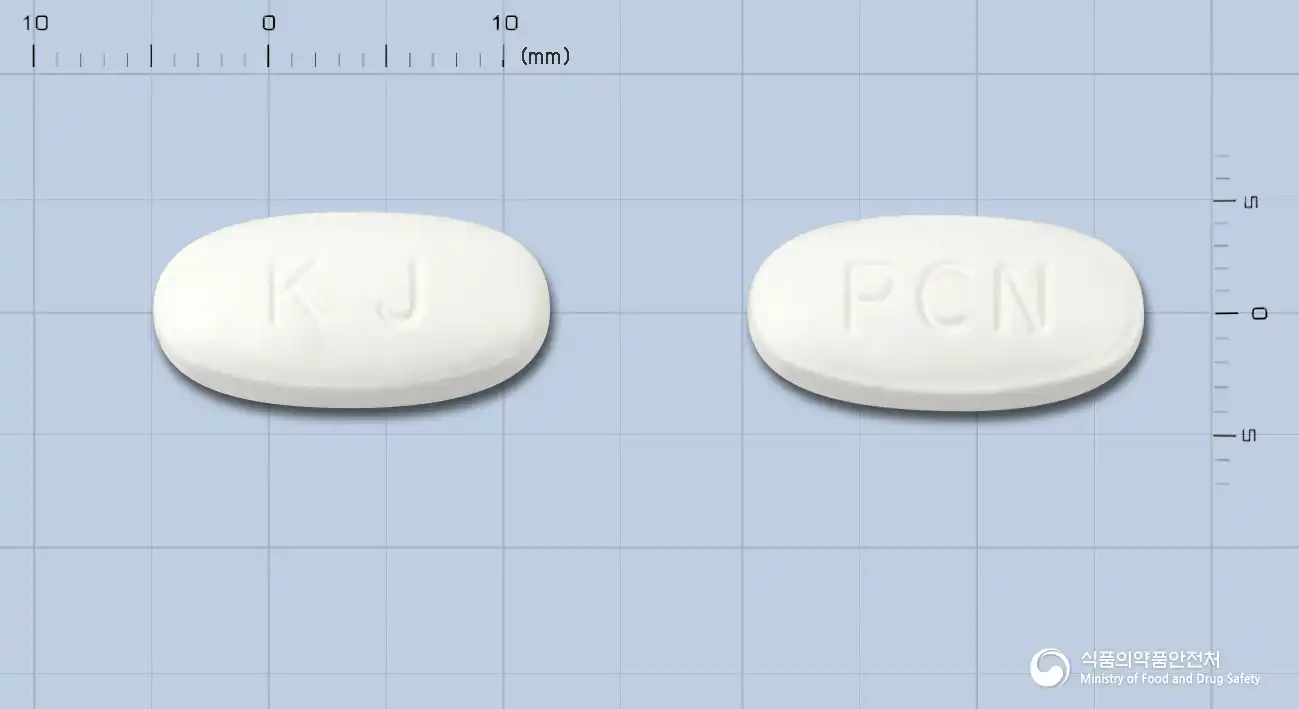 Combination
Amoxicillin Hydrate 250mg · Dilute Potassium Clavulanate 212.73mg
Tablet · Prescription medication · Combination
International Pharmaceutical Co., Ltd.
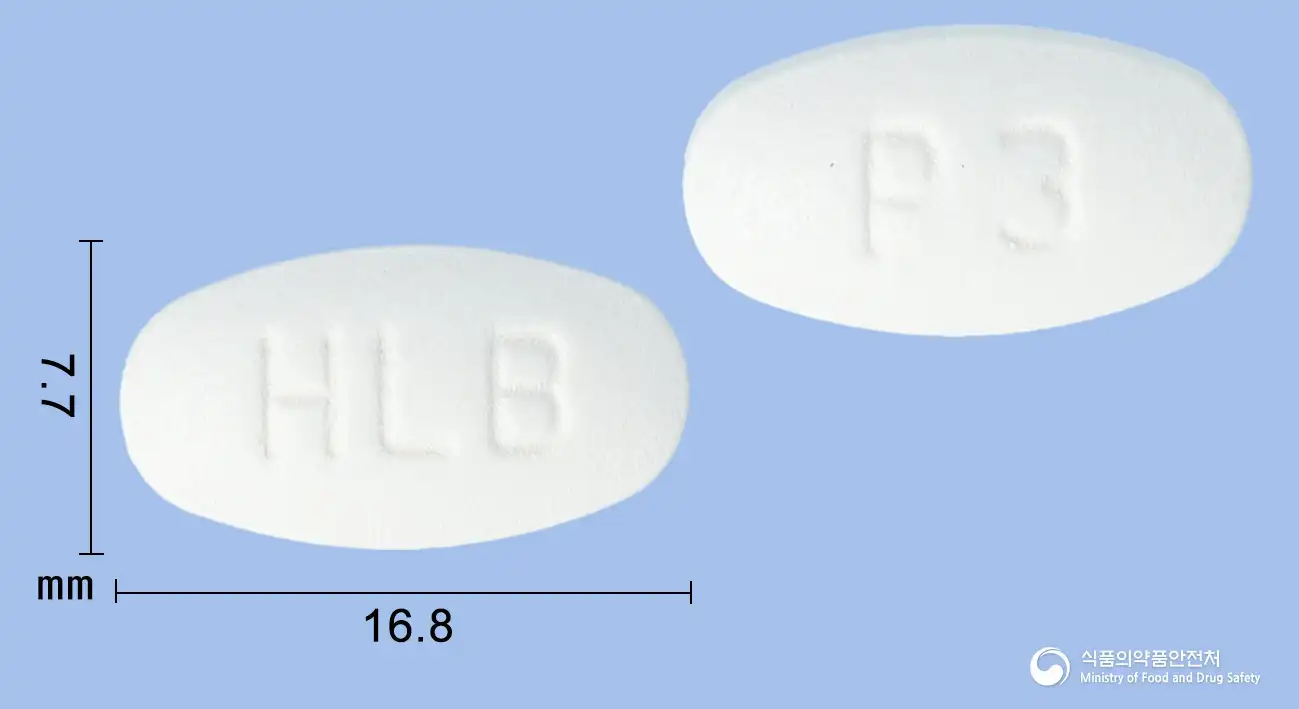 Combination
Amoxicillin Hydrate 250mg · Dilute Potassium Clavulanate 215.52mg
Tablet · Prescription medication · Combination
HLB Pharmaceutical Co., Ltd.
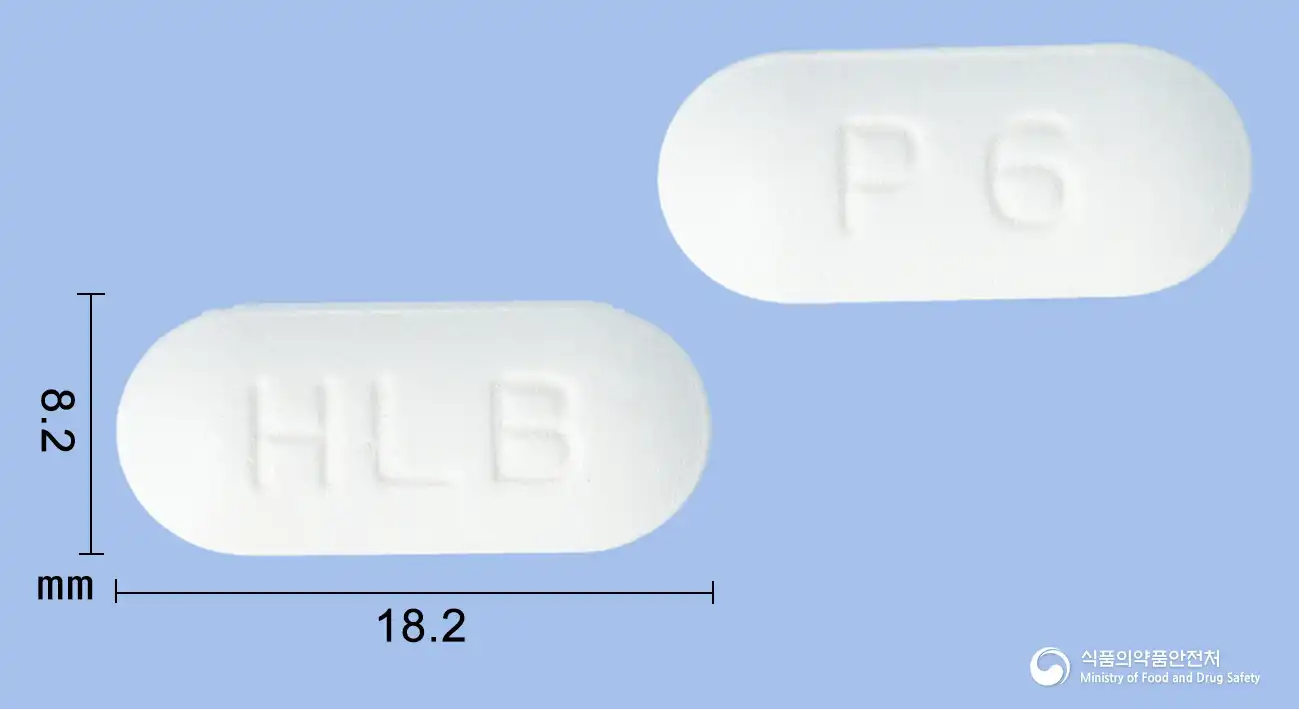 Combination
Amoxicillin Hydrate 500mg · Dilute Potassium Clavulanate 215.52mg
Tablet · Prescription medication · Combination
HLB Pharmaceuticals Co., Ltd.
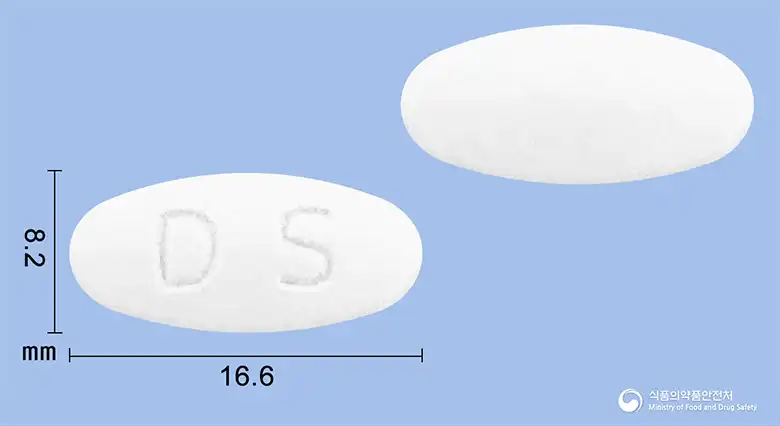 Combination
Amoxicillin Hydrate 250mg · Dilute Potassium Clavulanate 215.52mg
Tablet · Prescription medication · Combination
Dong Sung Pharmaceutical Co., Ltd.
 Combination
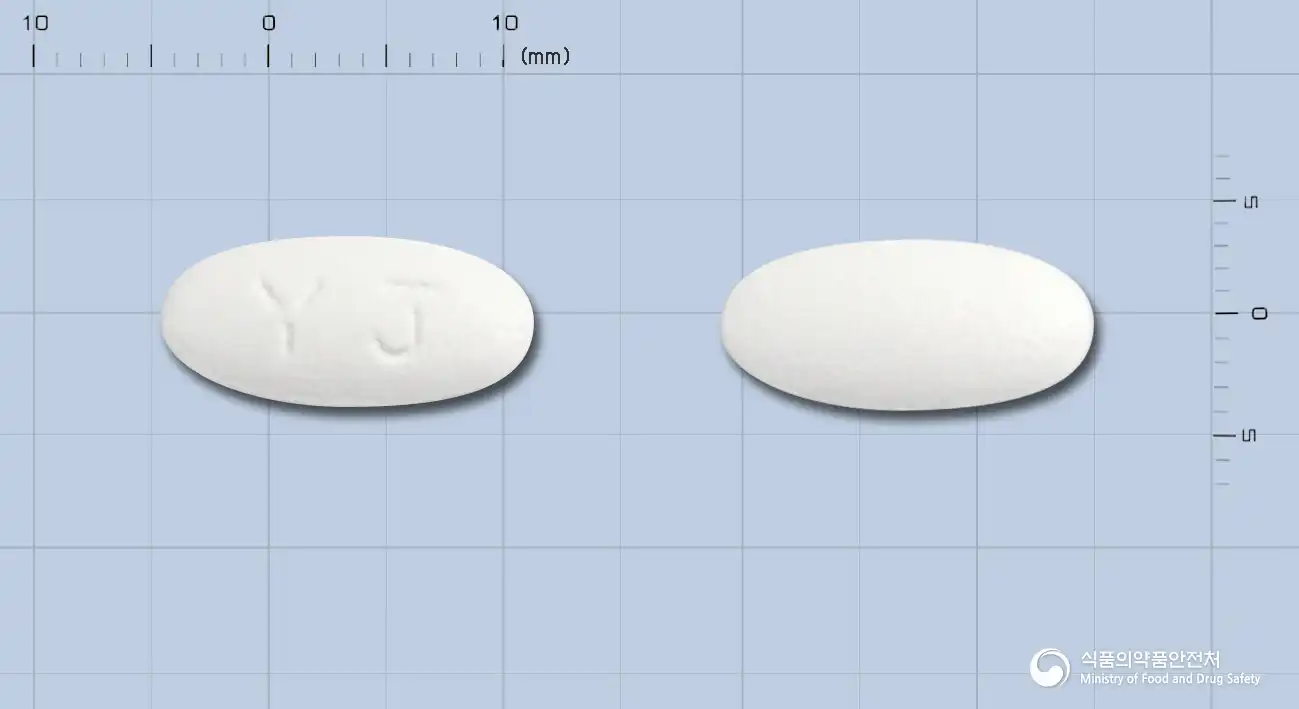
Amoxicillin Hydrate 250mg · Dilute Potassium Clavulanate 212.73mg
Tablet · Prescription medication · Combination
Youngjin Pharmaceutical Co., Ltd.
Even with the same ingredient, the dose and directions can differ by strength and dosage form. Talk to a doctor or pharmacist before switching from a medication you are already taking.
No questions yet.
For anything that needs medical judgment, consult a doctor or pharmacist.
This drug information is based on data provided by the Korea Ministry of Food and Drug Safety.
Consult a doctor or pharmacist for accurate dosage, administration, and usage instructions.