
 한국어
 English
 日本語
 中文(简体)
Summary
- Main use
- Treatment of FLT3-mutated acute myeloid leukemia and mast cell disorders (e.g., mastocytosis)
- Who takes it
- Adults
- Adult dose
- This medicine is administered orally twice daily, approximately 12 hours apart, and should be taken with food. An appropriate prophylactic antiemetic should be administered according to the patient's tolerability. 1. Acute myeloid leukemia The recommended dose of this medicine is 50mg twice daily. This medicine is administered on days 8-21 of each cycle during induction therapy with standard cytarabine and daunorubicin and consolidation therapy with high-dose cytarabine. Patients scheduled to undergo hematopoietic stem cell transplantation (SCT) should discontinue this medicine at least 48 hours before the conditioning regimen. <Dose adjustment> In patients with acute myeloid leukemia, the dose of this medicine should be adjusted according to Table 1 below. Table 1. Temporary interruption, dose reduction, or discontinuation of this medicine in patients with acute myeloid leukemia Criteria Dose adjustment method Occurrence of grade 3/4 pulmonary infiltrates Temporarily interrupt administration of this medicine for the remainder of the cycle. Resume at the previous dose once the condition has recovered to grade 1 or lower. Occurrence of other grade 3/4 nonhematologic toxicity Temporarily interrupt administration of this medicine and resume treatment once the toxicity considered possibly related to this medicine has recovered to grade 1 or lower. 470msec < QTc interval ≤ 500msec Reduce the dose to 50mg once daily for the remainder of the cycle. If the QTc interval improves to 470msec or less at the start of the next cycle, administer the initial dose; if there is no improvement, continue 50mg once daily. QTc interval > 500msec Withhold or temporarily interrupt administration of this medicine for the remainder of the cycle. If the QTc interval improves to 470msec or less immediately before the start of the next cycle, resume administration of this medicine at the initial dose. If the QTc interval has not improved by the start of the next cycle, do not administer this medicine during that cycle. This medicine may be withheld for as long as necessary (cycles) for the QTc interval to improve. 2. Aggressive systemic mastocytosis, systemic mastocytosis with an associated hematological neoplasm, mast cell leukemia Leukemia The recommended initial dose of this medicine is 100mg twice daily. Treatment should continue as long as clinical benefit is observed or until unacceptable toxicity occurs. <Dose adjustment> In patients with aggressive systemic mastocytosis, systemic mastocytosis with an associated hematological neoplasm, or mast cell leukemia, the dose of this medicine should be adjusted according to Table 2 below. Table 2. Temporary interruption, dose reduction, and discontinuation in patients with aggressive systemic mastocytosis, systemic mastocytosis with an associated hematological neoplasm, or mast cell leukemia Criteria Dose adjustment ANC < 1.0 x 10⁹/L in patients who do not have mast cell leukemia. Or ANC < 0.5 x 10⁹/L in patients whose baseline ANC was 0.5 ~ 1.5 x 10⁹/L. Temporarily interrupt this medicine until ANC ≥ 1.0 x 10⁹/L, then resume treatment at 50 mg twice daily. Increase to 100mg twice daily if tolerated. Discontinue this medicine if the low ANC suspected to be related to this medicine persists for more than 21 days. Platelet count < 50 x 109/L in patients who do not have mast cell leukemia. Or Platelet count < 25 x 109/L in patients whose baseline platelet count was 25-75 x 109/L. Temporarily interrupt this medicine until the platelet count is ≥ 50 x 109/L, then resume treatment at 50mg twice daily. Increase to 100mg twice daily if tolerated. Discontinue this medicine if the low platelet count suspected to be related to this medicine persists for more than 21 days. Hemoglobin < 8g/L in patients who do not have mast cell leukemia. Or Life-threatening anemia in patients whose baseline hemoglobin was 8-10g/L Temporarily interrupt this medicine until hemoglobin ≥ 8g/L, then resume treatment at 50mg twice daily. Increase to 100mg twice daily if tolerated. Discontinue this medicine if the low hemoglobin suspected to be related to this medicine persists for more than 21 days. Grade 3/4 nausea and/or vomiting despite optimal antiemetic therapy Temporarily interrupt this medicine for 3 days (6 doses), then resume treatment at 50mg twice daily and increase to 100mg twice daily if tolerated. Occurrence of grade 3/4 nonhematologic toxicity Temporarily interrupt administration of this medicine until the toxicity improves to grade 2 or lower, then resume treatment at 50mg twice daily. Increase to 100mg twice daily if tolerated. Discontinue this medicine if the toxicity persists without improving to grade 2 or lower for more than 21 days, or if serious toxicity recurs when the reduced dose is administered.
Ingredients
- Importer
- Novartis Korea Ltd.
Efficacy & effects
Treatment of FLT3-mutated acute myeloid leukemia and mast cell disorders (e.g., mastocytosis)
- Acute myeloid leukemia
- aggressive systemic mastocytosis
- systemic mastocytosis associated with hematological neoplasms
- mast cell leukemia
View approved original textHide original text
This medication is used in combination with standard induction therapy and high-dose consolidation therapy in newly diagnosed acute myeloid leukemia patients with FLT3 mutations. It is also used to treat aggressive systemic mastocytosis and systemic mastocytosis associated with hematological neoplasms, as well as mast cell leukemia. Therefore, this drug is intended for the treatment of acute myeloid leukemia and various forms of mast cell-related hematologic disorders.
How to take
Adult dose
This medicine is administered orally twice daily, approximately 12 hours apart, and should be taken with food. An appropriate prophylactic antiemetic should be administered according to the patient's tolerability. 1. Acute myeloid leukemia The recommended dose of this medicine is 50mg twice daily. This medicine is administered on days 8-21 of each cycle during induction therapy with standard cytarabine and daunorubicin and consolidation therapy with high-dose cytarabine. Patients scheduled to undergo hematopoietic stem cell transplantation (SCT) should discontinue this medicine at least 48 hours before the conditioning regimen. <Dose adjustment> In patients with acute myeloid leukemia, the dose of this medicine should be adjusted according to Table 1 below. Table 1. Temporary interruption, dose reduction, or discontinuation of this medicine in patients with acute myeloid leukemia Criteria Dose adjustment method Occurrence of grade 3/4 pulmonary infiltrates Temporarily interrupt administration of this medicine for the remainder of the cycle. Resume at the previous dose once the condition has recovered to grade 1 or lower. Occurrence of other grade 3/4 nonhematologic toxicity Temporarily interrupt administration of this medicine and resume treatment once the toxicity considered possibly related to this medicine has recovered to grade 1 or lower. 470msec < QTc interval ≤ 500msec Reduce the dose to 50mg once daily for the remainder of the cycle. If the QTc interval improves to 470msec or less at the start of the next cycle, administer the initial dose; if there is no improvement, continue 50mg once daily. QTc interval > 500msec Withhold or temporarily interrupt administration of this medicine for the remainder of the cycle. If the QTc interval improves to 470msec or less immediately before the start of the next cycle, resume administration of this medicine at the initial dose. If the QTc interval has not improved by the start of the next cycle, do not administer this medicine during that cycle. This medicine may be withheld for as long as necessary (cycles) for the QTc interval to improve. 2. Aggressive systemic mastocytosis, systemic mastocytosis with an associated hematological neoplasm, mast cell leukemia Leukemia The recommended initial dose of this medicine is 100mg twice daily. Treatment should continue as long as clinical benefit is observed or until unacceptable toxicity occurs. <Dose adjustment> In patients with aggressive systemic mastocytosis, systemic mastocytosis with an associated hematological neoplasm, or mast cell leukemia, the dose of this medicine should be adjusted according to Table 2 below. Table 2. Temporary interruption, dose reduction, and discontinuation in patients with aggressive systemic mastocytosis, systemic mastocytosis with an associated hematological neoplasm, or mast cell leukemia Criteria Dose adjustment ANC < 1.0 x 10⁹/L in patients who do not have mast cell leukemia. Or ANC < 0.5 x 10⁹/L in patients whose baseline ANC was 0.5 ~ 1.5 x 10⁹/L. Temporarily interrupt this medicine until ANC ≥ 1.0 x 10⁹/L, then resume treatment at 50 mg twice daily. Increase to 100mg twice daily if tolerated. Discontinue this medicine if the low ANC suspected to be related to this medicine persists for more than 21 days. Platelet count < 50 x 109/L in patients who do not have mast cell leukemia. Or Platelet count < 25 x 109/L in patients whose baseline platelet count was 25-75 x 109/L. Temporarily interrupt this medicine until the platelet count is ≥ 50 x 109/L, then resume treatment at 50mg twice daily. Increase to 100mg twice daily if tolerated. Discontinue this medicine if the low platelet count suspected to be related to this medicine persists for more than 21 days. Hemoglobin < 8g/L in patients who do not have mast cell leukemia. Or Life-threatening anemia in patients whose baseline hemoglobin was 8-10g/L Temporarily interrupt this medicine until hemoglobin ≥ 8g/L, then resume treatment at 50mg twice daily. Increase to 100mg twice daily if tolerated. Discontinue this medicine if the low hemoglobin suspected to be related to this medicine persists for more than 21 days. Grade 3/4 nausea and/or vomiting despite optimal antiemetic therapy Temporarily interrupt this medicine for 3 days (6 doses), then resume treatment at 50mg twice daily and increase to 100mg twice daily if tolerated. Occurrence of grade 3/4 nonhematologic toxicity Temporarily interrupt administration of this medicine until the toxicity improves to grade 2 or lower, then resume treatment at 50mg twice daily. Increase to 100mg twice daily if tolerated. Discontinue this medicine if the toxicity persists without improving to grade 2 or lower for more than 21 days, or if serious toxicity recurs when the reduced dose is administered.
Precautions
This medication may cause neutropenia; thus, regular blood tests should be conducted to monitor white blood cell counts at the start of treatment and during therapy. Due to an increased risk of infection, any symptoms of infection should be reported to healthcare providers immediately, and this medication may be discontinued if an infection occurs. It may affect heart function; therefore, patients with symptoms of heart failure or at risk of heart disease should use this medication with caution and undergo regular cardiac function testing. This drug can be toxic to the lungs, so any symptoms such as shortness of breath or cough should be discussed with healthcare providers immediately. Pregnant women or those who may become pregnant should undergo a pregnancy test before taking this medication and employ effective contraception for at least 4 months during and after treatment. Breastfeeding women are advised to stop breastfeeding during the treatment period and for at least 4 months after discontinuation. This medication can interact with certain drugs; inform healthcare providers of any other medications taken, especially strong CYP3A4 inducers, which should not be used concomitantly. It is advisable to take this medication with food, as high-fat diets may affect its absorption. Dizziness or lightheadedness may occur; caution is advised when driving or operating machinery. It is preferable not to prescribe this medication for children and adolescents under 18 years of age, as safety and efficacy have not been established. Patients with impaired kidney or liver function may use it without dose adjustment; however, caution is necessary for severely ill patients. In case of overdose, symptoms such as vomiting, diarrhea, and abdominal pain may occur; seek appropriate medical treatment immediately.
Side effects
Neutropenia, infection, congestive heart failure, decreased left ventricular ejection fraction, QTc prolongation, interstitial lung disease, pneumonia, fever-related neutropenia, nausea, exfoliative dermatitis, vomiting, headache, petechiae, fever, lymphopenia, device-related infection, hyperglycemia, stomatitis, upper abdominal pain, hemorrhoids, anal rectal discomfort, abdominal discomfort, hyperhidrosis, dry skin, keratitis, back pain, arthralgia, bone pain, limb pain, neck pain, catheter-related thrombosis, hemoglobin decrease, absolute neutrophil count decrease, ALT increase, AST increase, hypokalemia, hypernatremia, electrocardiogram QT prolongation, activated partial thromboplastin time prolongation, hypercalcemia, weight gain, upper respiratory tract infection, neutropenic sepsis, hypersensitivity reaction, hyperuricemia, insomnia, syncope, tremor, eyelid edema, hypotension, sinus tachycardia, hypertension, pericardial effusion, nasal bleeding, throat pain, dyspnea, pleural effusion, nasopharyngitis, acute respiratory distress syndrome, urinary tract infection, sepsis, bronchitis, oral herpes, cystitis, sinusitis, shingles, anaphylactic shock, dizziness, attention deficit, vertigo, hematoma, cough, constipation, dyspepsia, gastrointestinal bleeding, asthenia, chills, edema, amylase increase, contusion, fall, interstitial lung disease, acute febrile neutrophilic dermatosis, rash, carpal tunnel syndrome, peripheral neuropathy, reduced appetite, decreased food intake, leukemic retinopathy, diarrhea, abdominal pain
Not everyone experiences these, and they can vary from person to person.
Storage
This medication is sensitive to air and moisture, so it should be stored in a sealed container. It is recommended to maintain a storage temperature between 1 and 30 degrees Celsius. This will help preserve the efficacy of the medication for a longer period.
Appearance and packaging
Appearance
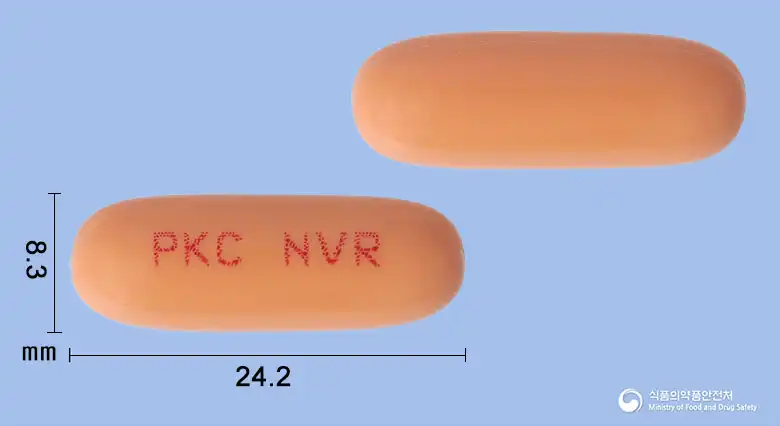
Light orange, soft oval capsule containing a transparent to slightly opaque solution that is yellow, yellowish-green, very dark yellow, or very dark yellowish-green.
Package unit
56 capsules/box [4 capsules/PTP*14]
Questions about this medicine
No questions yet.
For anything that needs medical judgment, consult a doctor or pharmacist.