
 한국어
 English
 日本語
 中文(简体)
 Viewing now
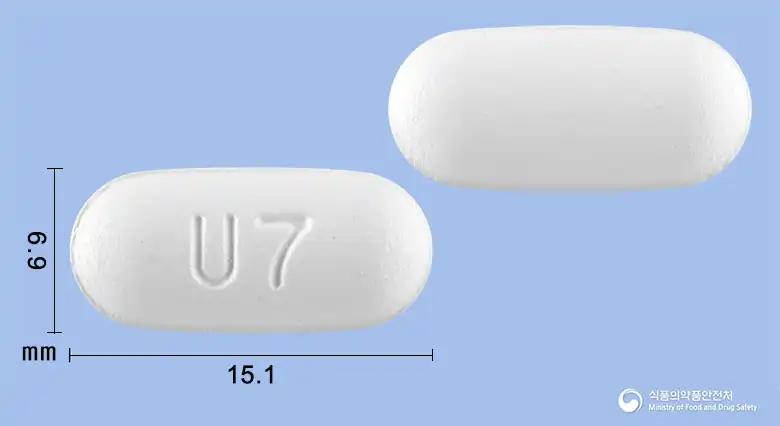
Alunbrik Tablets 90 mg (Brigatinib)
Brigatinib 90mg
Tablet · Prescription medication
Takeda Korea Pharmaceutical Co., Ltd.
MFDS item code 201804847 · Approved 2018.11.30 · Insurance code 696300530
Treatment of ALK-positive advanced or metastatic non-small cell lung cancer
This medication is used to treat patients with advanced or metastatic non-small cell lung cancer confirmed to be positive for anaplastic lymphoma kinase (ALK). It is particularly effective in patients with ALK gene mutations, helping to inhibit cancer progression and improve patient symptoms.
Orally administer 90 mg once daily for the first 7 days; if well tolerated during the first 7 days, increase the dose to 180 mg once daily. Continue treatment with this drug until disease progression or unacceptable toxicity occurs. If treatment with this drug is interrupted for 14 days or longer for reasons other than adverse reactions, restart treatment at 90 mg once daily for 7 days before increasing to the previous dose. This drug may be taken with or without food. Do not crush or chew the tablets; swallow them whole. If a dose of this drug is missed or vomiting occurs after taking it, do not take an additional dose; take the next dose at the scheduled time. Table 1: Recommended dose reduction levels 90 mg once daily: First dose reduction: administer 60 mg once daily; second dose reduction: permanently discontinue; third dose reduction: not applicable 180 mg once daily: First dose reduction: administer 120 mg once daily; second dose reduction: administer 90 mg once daily; third dose reduction: administer 60 mg once daily Do not increase the dose of this drug after a dose reduction due to an adverse reaction. Permanently discontinue treatment if the patient cannot tolerate a dose of 60 mg once daily. Recommendations for dose adjustments of this drug for the management of adverse reactions are summarized in Table 2. Interstitial lung disease (ILD)/pneumonitis, Grade 1: If new pulmonary symptoms occur within the first 7 days after starting treatment, withhold this drug and, after recovery to baseline, resume treatment at the same dose; do not increase the dose to 180 mg if ILD/pneumonitis is suspected. If new pulmonary symptoms occur after the first 7 days of treatment, withhold this drug and, after recovery to baseline, resume treatment at the same dose. If ILD/pneumonitis recurs, permanently discontinue this drug. Interstitial lung disease (ILD)/pneumonitis, Grade 2: If new pulmonary symptoms occur within the first 7 days after starting treatment, withhold this drug until recovery to baseline. Resume treatment at the next lower dose level according to Table 1; do not increase the dose if ILD/pneumonitis is suspected. If new pulmonary symptoms occur after the first 7 days of treatment, withhold this drug until recovery to baseline. If ILD/pneumonitis is suspected, resume treatment at the next lower dose level according to Table 1; otherwise, resume treatment at the same dose. If ILD/pneumonitis recurs, permanently discontinue this drug. Interstitial lung disease (ILD)/pneumonitis, Grade 3 or 4: Permanently discontinue this drug. Hypertension, Grade 3 hypertension (SBP ≥ 160 mmHg or DBP ≥ 100 mmHg, requiring medical intervention, treatment with 2 or more antihypertensive agents, or requiring more intensive treatment than previously): Withhold this drug and, after hypertension recovers to Grade 1 (SBP<140 mmHg and DBP<90 mmHg) or lower, resume treatment at the next lower dose level according to Table 1. If hypertension recurs, withhold this drug and, after hypertension recovers to Grade 1 or lower, resume treatment at the next lower dose level according to Table 1 or permanently discontinue treatment. Hypertension, Grade 4 hypertension (life-threatening consequences; urgent intervention indicated): Withhold this drug and, after hypertension recovers to Grade 1 (SBP<140 mmHg and DBP<90 mmHg) or lower, resume treatment at the next lower dose level according to Table 1 or permanently discontinue treatment. If Grade 4 hypertension recurs, permanently discontinue this drug. Bradycardia (heart rate <60 bpm), symptomatic bradycardia: Withhold this drug until asymptomatic bradycardia or a resting heart rate of 60 bpm or higher is restored. If a concomitant medication causing bradycardia is identified and that medication is discontinued or its dose is adjusted, resume this drug at the same dose once asymptomatic bradycardia or a resting heart rate of 60 bpm or higher is restored. If no concomitant medication causing bradycardia is identified, or the causative medication is not discontinued or its dose is not adjusted, resume this drug at the next lower dose level according to Table 1 once asymptomatic bradycardia or a resting heart rate of 60 bpm or higher is restored. Bradycardia (heart rate <60 bpm), life-threatening consequences; urgent intervention indicated: Permanently discontinue this drug if no causative concomitant medication is identified. If a causative concomitant medication is identified and that medication is discontinued or its dose is adjusted, resume this drug at the next lower dose level according to Table 1 once asymptomatic bradycardia or a resting heart rate of 60 bpm or higher is restored, and monitor frequently as clinically indicated. If bradycardia recurs, permanently discontinue this drug. Visual impairment, Grade 2 or 3: Withhold this drug and, after recovery to Grade 1 or baseline, resume treatment at the next lower dose level according to Table 1. Visual impairment, Grade 4: Permanently discontinue this drug. Creatine phosphokinase (CPK) elevation, Grade 3 or 4 CPK elevation (>5.0 × ULN) accompanied by myalgia or muscle weakness of Grade 2 or higher: Withhold this drug and, after CPK elevation recovers to Grade 1 (≤2.5×ULN) or lower or to baseline, resume treatment at the same dose. If Grade 3 or 4 CPK elevation accompanied by myalgia or muscle weakness of Grade 2 or higher recurs, withhold this drug and, after CPK elevation recovers to Grade 1 (≤ 2.5 × ULN) or lower or to baseline, resume treatment at the next lower dose level according to Table 1. Lipase or amylase elevation, Grade 3 lipase or amylase elevation (>2.0 × ULN): Withhold this drug and, after recovery to Grade 1 (≤1.5×ULN) or lower or to baseline, resume treatment at the same dose. Lipase or amylase elevation, Grade 4 lipase or amylase elevation (>5.0 x ULN) or recurrence of Grade 3 elevation: Withhold this drug and, after recovery to Grade 1 (≤1.5×ULN) or lower or to baseline, resume treatment at the next lower dose level according to Table 1. Hyperglycemia, Grade 3 (>250 mg/dL or>13.9 mmol/L) or higher: If hyperglycemia is not adequately controlled despite optimal medical management, withhold this drug until adequately controlled, consider reducing the dose to the next lower level according to Table 1, or permanently discontinue this drug. Hepatotoxicity, ALT or AST elevation to Grade 3 or higher (>5 x ULN) concurrent with total bilirubin elevation to Grade 1 or lower (≤2 x ULN): Withhold this drug and, after ALT or AST recovers to baseline or Grade 1 or lower (≤3 × ULN), resume treatment at the next lower dose level according to Table 1. Hepatotoxicity, ALT or AST elevation to Grade 2 or higher (>3 x ULN) concurrent with total bilirubin elevation to Grade 2 or higher (>2 x ULN) (without cholestasis or hemolysis): Permanently discontinue this drug. Other adverse reactions, Grade 3: Withhold this drug and, after recovery to baseline, resume treatment at the same dose. If the reaction recurs, withhold this drug and, after recovery to baseline, resume treatment at the next lower dose level according to Table 1 or discontinue treatment. Other adverse reactions, Grade 4: First occurrence: Withhold this drug and, after recovery to baseline, resume treatment at the next lower dose level according to Table 1 or permanently discontinue treatment. If the reaction recurs, permanently discontinue this drug. No dose adjustment of this drug is required in patients with mild hepatic impairment (Child‑Pugh Class A) or moderate hepatic impairment (Child‑Pugh Class B). In patients with severe hepatic impairment (Child‑Pugh Class C), it is recommended that this drug be started at a reduced dose of 60 mg once daily for the first 7 days, followed by 120 mg once daily. No dose adjustment of this drug is required in patients with mild or moderate renal impairment (estimated glomerular filtration rate (eGFR) ≥ 30 mL/min). In patients with severe renal impairment (eGFR < 30 mL/min), it is recommended that this drug be started at a reduced dose of 60 mg once daily for the first 7 days, followed by 90 mg once daily. Patients with severe renal impairment should be closely monitored during the first week for the occurrence or worsening of new respiratory symptoms (e.g., dyspnea, cough, etc.) that may suggest interstitial lung disease/pneumonitis. Avoid concomitant use of strong CYP3A inhibitors during treatment with this drug. If concomitant use of a strong CYP3A inhibitor is unavoidable, reduce the once-daily dose of this drug by approximately 50% (180 mg → 90 mg or 90 mg → 60 mg). After discontinuing the strong CYP3A inhibitor, resume this drug at the dose that was tolerated before administration of the strong CYP3A inhibitor. Avoid concomitant use of moderate CYP3A inhibitors during treatment with this drug. If concomitant use of a moderate CYP3A inhibitor is unavoidable, reduce the dose of this drug by approximately 40% (e.g., 180 mg → 120 mg, 120 mg → 90 mg or 90mg → 60mg). After discontinuing the moderate CYP3A inhibitor, resume this drug at the dose that was tolerated before administration of the moderate CYP3A inhibitor.
This medication can cause serious adverse reactions in the lungs; thus, if symptoms such as shortness of breath or cough occur, especially during the first week after administration, immediate medical attention should be sought. Patients allergic to this medication or with certain genetic lactose intolerance conditions should not use this medication. Regular monitoring of various bodily conditions, including liver function, blood sugar, blood pressure, heart rate, and vision, is necessary during treatment, and any abnormal symptoms should be discussed with a physician promptly. Hypertension may occur, so blood pressure should be checked frequently, and blood pressure medication should be taken if necessary. Heart rate may decrease; therefore, when taking this medication alongside drugs that cause bradycardia, heart rate should be monitored closely. Visual disturbances may occur; if any eye abnormalities arise, immediate ophthalmologic consultation is necessary. If muscle pain or weakness develops, muscle enzyme levels should be tested, and drug dosage may need adjusting if necessary. Pancreatic enzyme levels may rise, thus regular blood tests are required, and in severe cases, medication may need to be temporarily discontinued. Liver function abnormalities may occur, so liver function tests should be performed regularly at the beginning and during therapy. Blood sugar levels may increase; hence, regular blood sugar monitoring should be done, and antidiabetic treatment should be initiated if necessary. Exposure to sunlight may cause skin sensitivity reactions; therefore, it is essential to use hats and sunscreen when going outside. This medication can interact with other drugs; thus, inform the physician or pharmacist about any other medications being taken. Individuals of childbearing age, both females and males, must use effective contraception during and for a period after treatment with this medication, and it should not be used during pregnancy. Breastfeeding women should avoid breastfeeding during and for a period after taking this medication. Its safety and efficacy have not been confirmed in children under 18 years old. Adults over 65 can use it without specific dosage adjustments; however, careful monitoring of their condition is required. Patients with severely impaired liver or kidney function may experience higher body concentrations of this medication and require caution. This medication should be stored out of the reach of children, and expired medications should not be taken.
Not everyone experiences these, and they can vary from person to person.
This medication must be stored in a tightly sealed container to prevent exposure to air or moisture. It is important to maintain a room temperature between 1 degree and 30 degrees Celsius. This helps to preserve the medication's efficacy and safety.
White or off-white oval film-coated tablets
7 tablets/bottle, 30 tablets/bottle, 28 tablets (7 tablets/PTPx4), 7 tablets (7 tablets/PTPX1)
Even with the same ingredient, strength, dosage form and how it is taken can differ.
Viewing nowBrigatinib 90mg
Tablet · Prescription medication
Takeda Korea Pharmaceutical Co., Ltd.
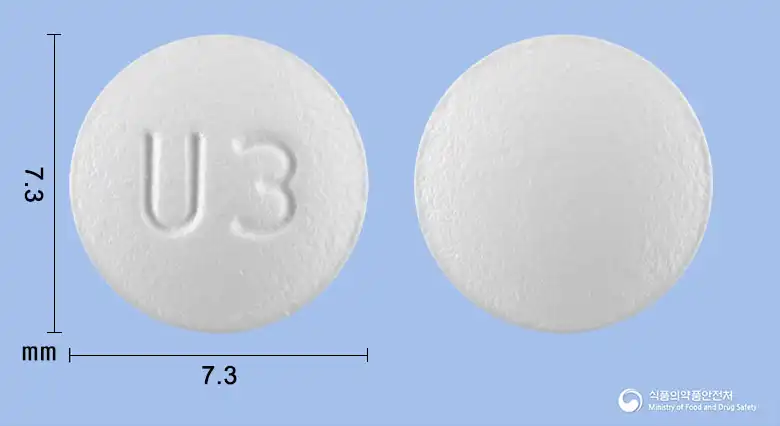
Brigatinib 30mg
Tablet · Prescription medication
Takeda Pharmaceutical Company Limited
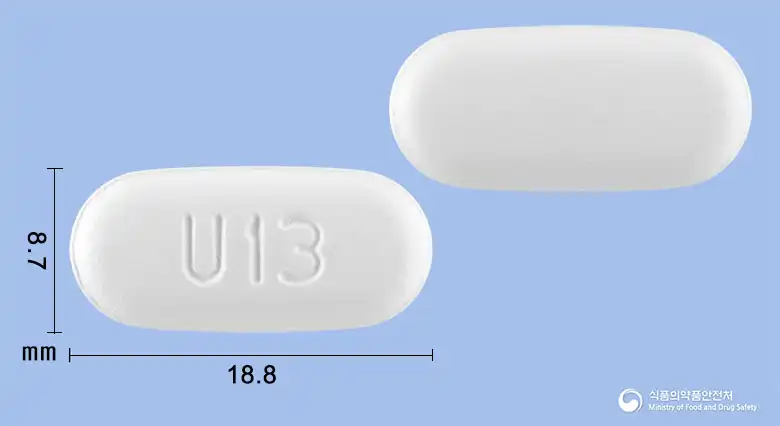
Brigatinib 180mg
Tablet · Prescription medication
Takeda Pharmaceutical Company Limited
Even with the same ingredient, the dose and directions can differ by strength and dosage form. Talk to a doctor or pharmacist before switching from a medication you are already taking.
No questions yet.
For anything that needs medical judgment, consult a doctor or pharmacist.
This drug information is based on data provided by the Korea Ministry of Food and Drug Safety.
Consult a doctor or pharmacist for accurate dosage, administration, and usage instructions.