
 한국어
 English
 日本語
 中文(简体)
 Viewing now
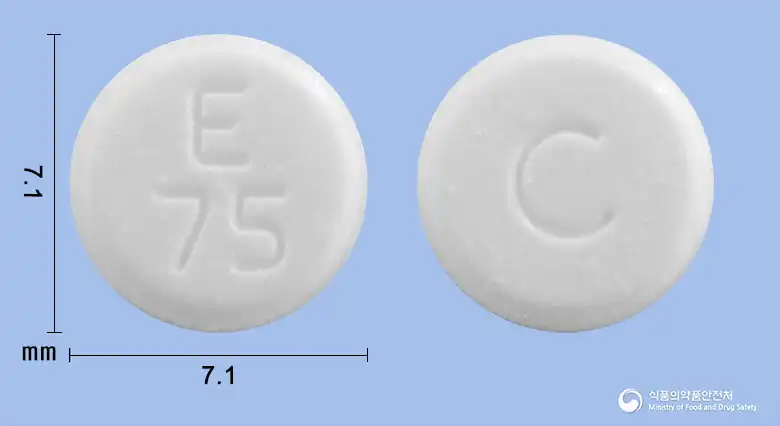
Certirol Tablet 0.75 mg (Everolimus)
Everolimus 0.75mg
Tablet · Prescription medication
JongkunDang Co., Ltd.
MFDS item code 201804620 · Approved 2018.11.21 · Insurance code 643308200
Prevents rejection after organ transplantation (such as kidney or liver transplantation)
This medication is used to prevent organ rejection that can occur after kidney, heart, or liver transplants. In particular, it is administered in combination with cyclosporine and corticosteroids for kidney and heart transplant patients, and it is prescribed with tacrolimus and corticosteroids for liver transplant patients. By using it in this combination, it helps the transplanted organs function healthily and effectively suppresses rejection reactions.
Kidney and heart transplant patients: As soon as possible after transplantation, administer an initial dose of 0.75mg orally twice daily (total daily dose 1.5mg). Liver transplant patients: At approximately 4 weeks after transplantation, administer an initial dose of 1.0mg orally twice daily (total daily dose 2.0mg). The total daily dose of this medication should always be administered consistently either with food or on an empty stomach, divided into 2 doses per day, and used in combination with cyclosporine or tacrolimus in microemulsion formulation. For oral use only. Swallow whole with water; do not crush before administration. Dose adjustments are made at intervals of 4-5 days according to the patient's blood levels, tolerability, individual response, changes in concomitant medications, and clinical status. The dose should be reduced in patients with hepatic impairment: to approximately 2/3 of the usual dose in mild impairment (Child-Pugh A), approximately 1/2 in moderate impairment (Child-Pugh B), and approximately 1/3 in severe impairment (Child-Pugh C).
Pediatric patients under 18 years of age: The safety and efficacy of this medication have not been established in children under 18 years of age.
This drug is an immunosuppressive agent, so caution is especially needed when using it in combination with other immunosuppressants. The risk of acute rejection may increase if not used with calcineurin inhibitors, so follow the doctor's instructions carefully. Care should be taken when using this drug in conjunction with certain antibody treatments such as thymoglobulin, as it may increase the risk of infections. The immune function is suppressed, increasing the risk of various infections, including bacteria, viruses, and fungi, so if any symptoms of infection appear, immediate consultation with a healthcare professional is necessary. Medications that affect CYP3A4, the enzyme that metabolizes this drug in the liver, may alter drug concentrations, so interactions should be carefully monitored. This medication may increase the risk of malignant tumors such as lymphoma or skin cancer; therefore, it is essential to protect the skin from UV rays and undergo regular check-ups. Side effects such as angioedema have been reported when taken with ACE inhibitors, so extreme caution is warranted. It might affect kidney function, so regular kidney function tests are needed, and more caution should be taken when combined with other nephrotoxic drugs. Proteinuria may occur, so urine tests should check protein levels, and if proteinuria worsens, consult a physician. There is an increased risk of thrombosis within the first 30 days after kidney transplantation, so symptoms should be closely monitored. Delayed wound healing or increased risk of infection may occur after surgery, so the use of this drug should be discussed with the doctor before and after the procedure. Blood-related abnormalities, such as anemia and leukopenia, may occur, requiring regular blood tests. Serious lung diseases, such as interstitial lung disease or non-infectious pneumonia, may occur, so immediate medical attention should be sought if there are symptoms like shortness of breath or cough. This medication contains lactose, so patients with lactose intolerance should not take it. It may pose risks to the fetus during pregnancy, so it should be avoided in pregnant women or those planning to become pregnant, and breastfeeding women should also avoid its use. For men, this drug may cause temporary infertility, so effective contraceptive methods should be used during treatment and for a certain period after discontinuation. In cases of overdose, there is no specific antidote, so one should seek immediate medical attention for appropriate treatment. This medication must be taken whole and should not be crushed or divided. There is no clear information regarding its effects on driving or operating machinery, so caution is advised.
Not everyone experiences these, and they can vary from person to person.
This medication should be stored in a tightly sealed container to protect it from air and moisture, and it should be kept away from direct sunlight in a cool place (below 30 degrees). This ensures that the medication's effectiveness is maintained for a longer period.
White to yellowish round tablets
60 tablets (10 tablets/PTP X 6)
Even with the same ingredient, strength, dosage form and how it is taken can differ.
Viewing nowEverolimus 0.75mg
Tablet · Prescription medication
JongkunDang Co., Ltd.
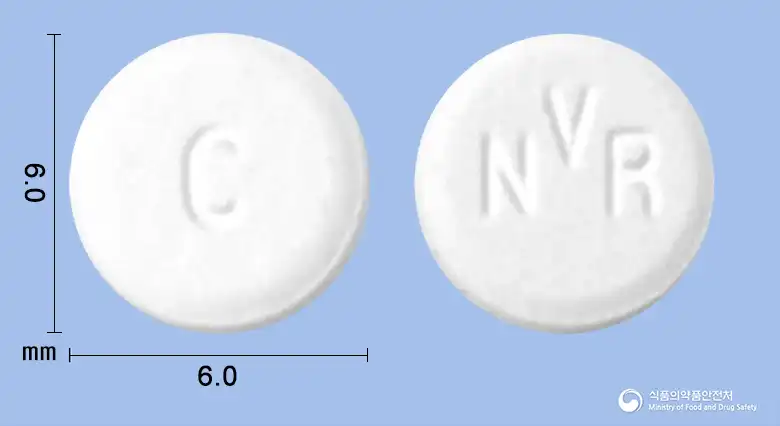
Everolimus 0.25mg
Tablet · Prescription medication
Korea Novartis Co., Ltd.
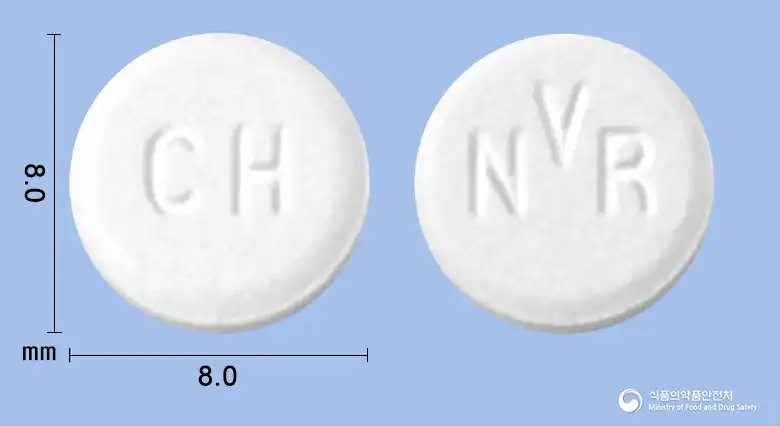
Everolimus 0.5mg
Tablet · Prescription medication
Korea Novartis Co., Ltd.
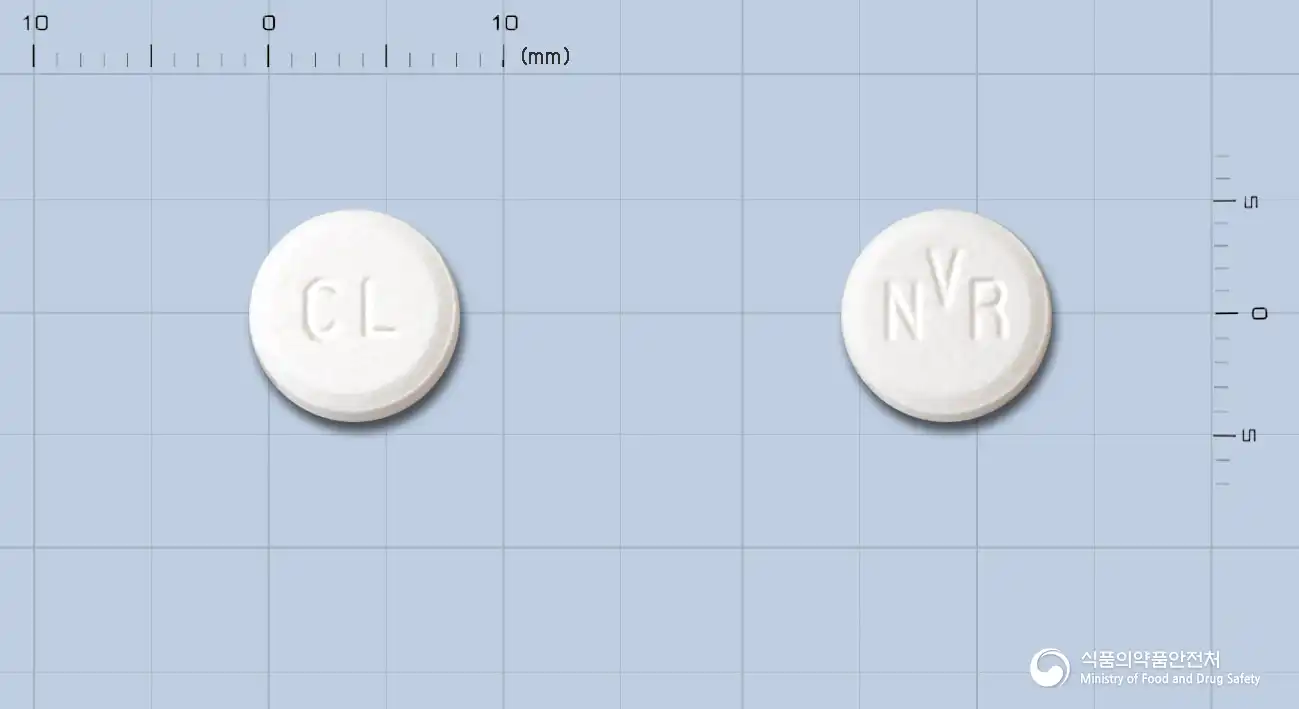
Everolimus 0.75mg
Tablet · Prescription medication
Novartis Korea Co., Ltd.
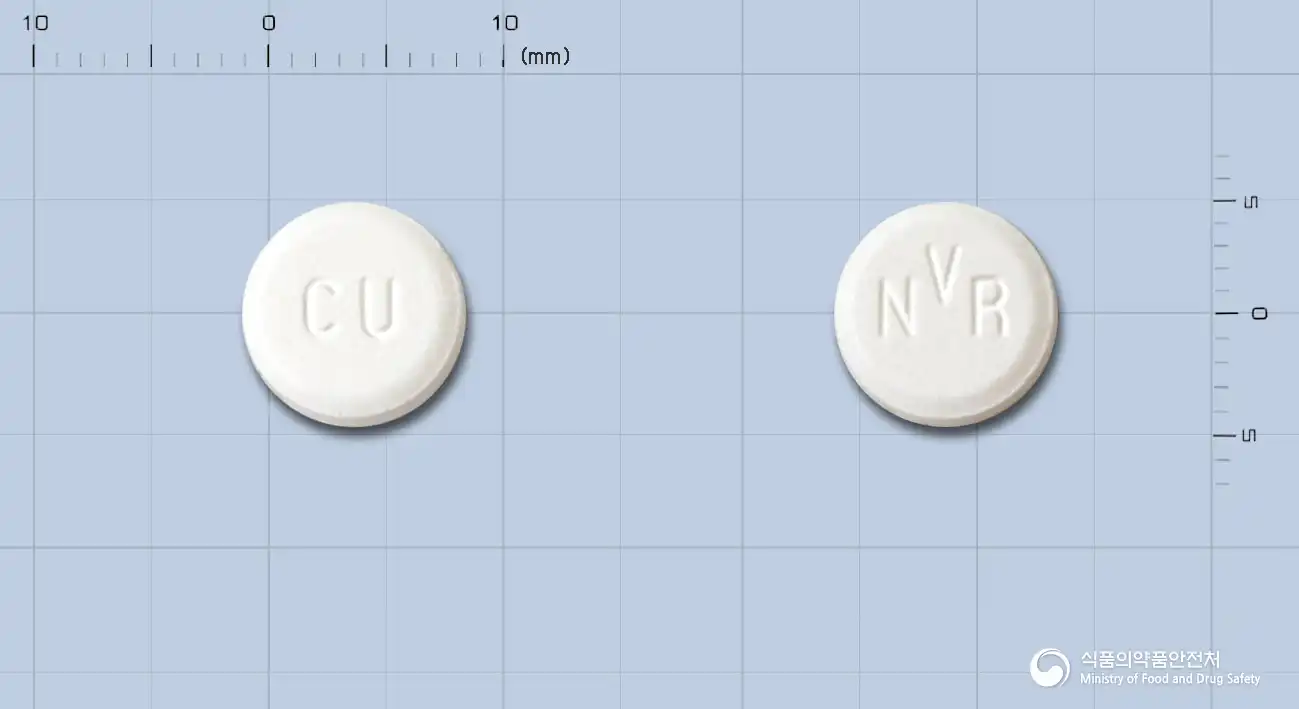
Everolimus 1mg
Tablet · Prescription medication
Novartis Korea Co., Ltd.

Everolimus 10mg
Tablet · Prescription medication
Novartis Korea Co., Ltd.
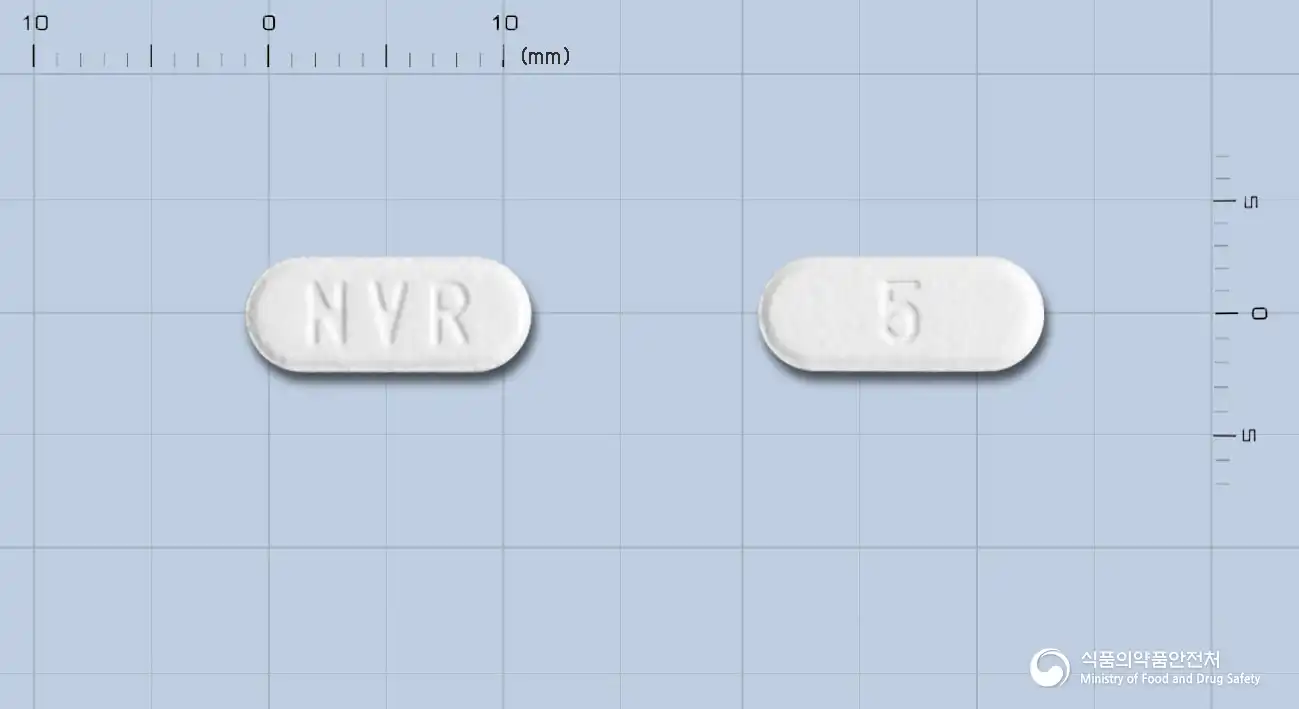
Everolimus 5mg
Tablet · Prescription medication
Novartis Korea Co., Ltd.
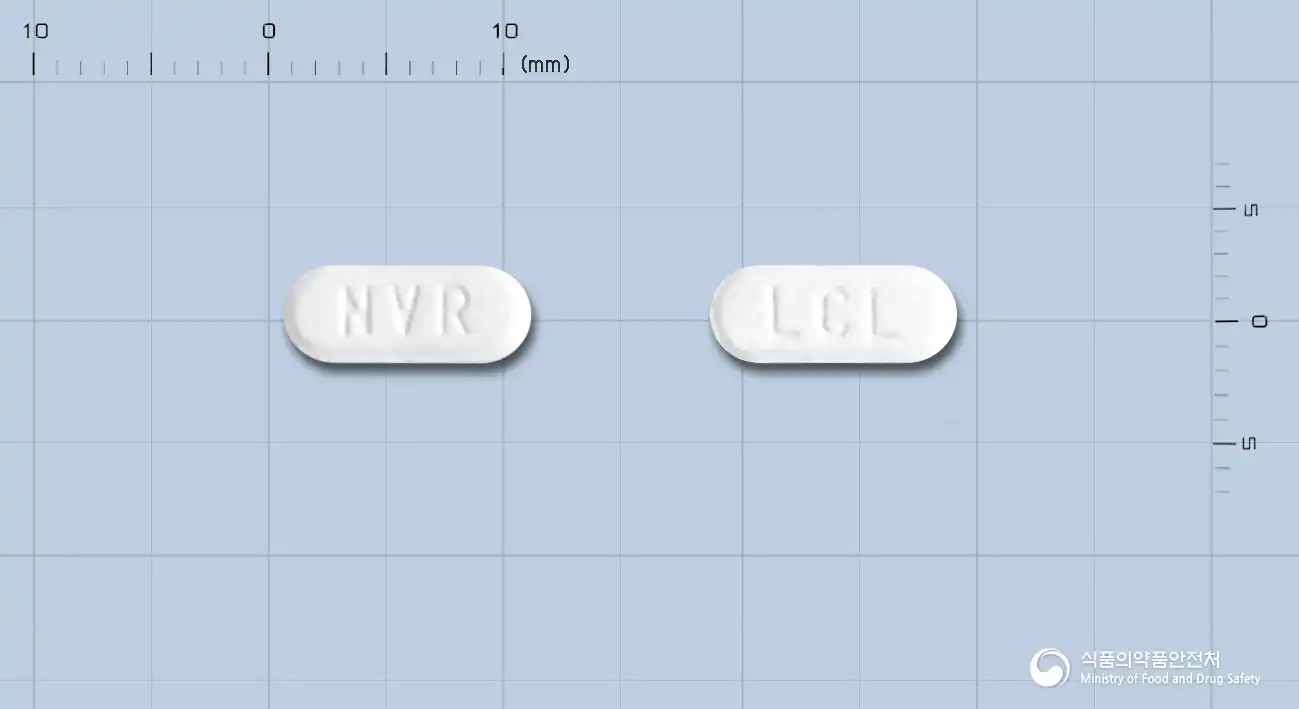
Everolimus 2.5mg
Tablet · Prescription medication
Novartis Korea Co., Ltd.
Even with the same ingredient, the dose and directions can differ by strength and dosage form. Talk to a doctor or pharmacist before switching from a medication you are already taking.
No questions yet.
For anything that needs medical judgment, consult a doctor or pharmacist.
This drug information is based on data provided by the Korea Ministry of Food and Drug Safety.
Consult a doctor or pharmacist for accurate dosage, administration, and usage instructions.