
 한국어
 English
 日本語
 中文(简体)
 Viewing now
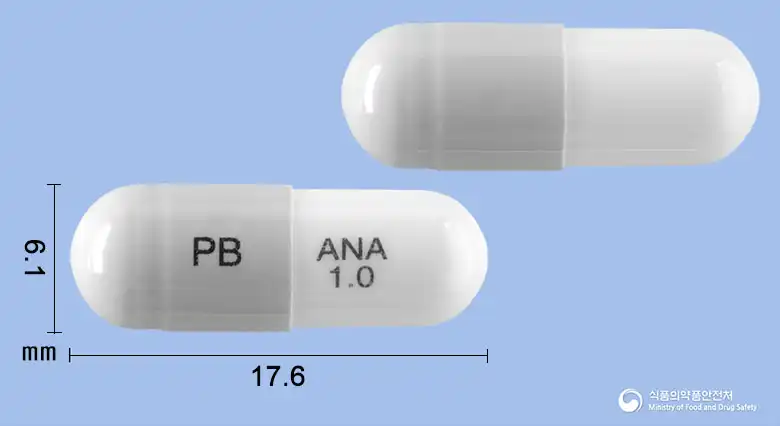
Anarid Capsule 1 Milligram (Anagrelide Hydrochloride)
Anagrelide Hydrochloride 1.22mg
Hard capsule · Prescription medication
(Co., Ltd.) Korea Pharmbio
MFDS item code 201803558 · Approved 2018.08.31 · Insurance code 659901420
Reduction in platelet count, reduction in the risk of thrombosis, and improvement of thrombotic and bleeding symptoms
This medication is used to improve symptoms in patients with myeloproliferative disorders, particularly essential thrombocythemia, polycythemia vera, and chronic myeloid leukemia, where platelet counts are abnormally elevated. It effectively reduces the elevated platelet count in the blood, lowering the risk of thrombosis and alleviating related symptoms such as thrombosis and bleeding tendencies. Thus, it helps to enhance the overall blood circulation health of patients and reduce the likelihood of complications. This medication contributes to the control of platelets and the prevention of thrombotic diseases.
For adults, the initial dose is 0.5 mg 4 times daily or 1.0 mg twice daily, with close monitoring, and should be maintained for at least 1 week. In both adults and children, administer the lowest effective dose required to reduce the platelet count to 600,000/μL or less, while keeping the platelet count within the normal range whenever possible. If the dose is increased, the increment should be no more than 0.5 mg/day, and the increased dose should not be raised further within 1 week. The maintenance dose is the same for adults and pediatric patients. Do not exceed 2.5 mg as a single dose or 10 mg as the total daily dose. To monitor the effect of this medicine and prevent the development of thrombocytopenia, measure the platelet count every 2 days during the first week of treatment, and at least once weekly after reaching the maintenance dose. Generally, the platelet count begins to decrease within 7-14 days at an appropriate dose. It takes 4-12 weeks to achieve a complete response, defined as a platelet count of 600,000/μL or less. Most patients will respond adequately to a dose of 1.5-3.0 mg daily. Monitor patients carefully if they have a history of heart disease, renal failure, or hepatic dysfunction, or if these conditions are suspected.
The initial dose in children ranges from 0.5 mg daily to 0.5 mg 4 times daily; based on limited data, an initial dose of 0.5 mg daily is recommended for children.
This medication should not be used in patients with severe liver impairment. Caution is necessary if liver function is moderately reduced as systemic exposure to this drug may significantly increase. Patients with lactose intolerance or specific metabolic disorders should not take this medication due to the lactose content. In patients with or suspected heart disease, this medication should be used cautiously as it may increase heart rate and contractility. Cardiac function tests should be performed before and during treatment, and any unusual symptoms should be reported to healthcare professionals immediately. Patients with impaired liver function will need dose adjustments, and liver function and cardiovascular status should be closely monitored. Caution is needed in patients with interstitial lung disease or suspected pulmonary hypertension, and respiratory status should be evaluated before and after treatment. Side effects such as headaches, palpitations, edema, nausea, and diarrhea may occur during the use of this medication, so if any unusual symptoms persist, consult a physician. Platelet counts can vary rapidly, so regular blood tests to monitor platelet levels are necessary. Sudden discontinuation of this medication may lead to a rapid increase in platelet count and thrombotic risk, so abrupt withdrawal should be avoided. This medication may interact with other drugs, particularly aspirin or heart-related medications, which can increase the risk of bleeding, so consultation with healthcare professionals is advised. Women who are pregnant or may become pregnant should not take this medication, and if pregnancy occurs while on the medication, they should discontinue it immediately and inform healthcare professionals. For breastfeeding women, as this medication may be excreted in breast milk, consideration should be given to stopping breastfeeding or discontinuing the medication. It can be administered to pediatric or elderly patients; however, because the risks of side effects may differ based on age, careful observation is required. In case of overdose, a decrease in platelet count as well as cardiovascular and central nervous system adverse reactions may occur, so if an overdose is suspected, immediate medical attention should be sought. This medication should be kept out of reach of children and should not be transferred to another container.
Headache, palpitations, fluid retention, nausea, diarrhea, anemia, pancytopenia, thrombocytopenia, bleeding, petechiae, edema, weight loss, weight gain, dizziness, depression, forgetfulness, confusion, insomnia, paresthesia, hypesthesia, neuroasthenia, dry mouth, migraine, stuttering, drowsiness, abnormal coordination, cerebral infarction, diplopia, visual disturbances, tinnitus, tachycardia, ventricular tachycardia, congestive heart failure, atrial fibrillation, supraventricular tachycardia, arrhythmia, hypertension, syncope, myocardial infarction, cardiomyopathy, cardiac hypertrophy, pericardial effusion, angina pectoris, orthostatic hypotension, vasodilation, Prinzmetal angina, Torsade de pointes, pulmonary hypertension, pneumonia, pleural effusion, dyspnea, epistaxis, pulmonary infiltrates, interstitial lung disease including pneumonia and allergic alveolitis, diarrhea, vomiting, abdominal pain, nausea, intragastric air retention, gastrointestinal bleeding, pancreatitis, loss of appetite, dyspepsia, constipation, gastrointestinal disorders, colitis, gastritis, gum bleeding, increased liver enzymes, hepatitis, rash, alopecia, pruritus, skin discoloration, dry skin, arthralgia, myalgia, low back pain, erectile dysfunction, renal failure, nocturia, tubulointerstitial nephritis, fatigue, chest pain, fever, chills, malaise, weakness, influenza-like symptoms, asthenia, increased serum creatinine, sinus tachycardia, thrombocytopenia, reduced mobility, loose stools, loss of appetite, thrombosis, rectal bleeding, increased ALP, acute renal failure, leukopenia, systemic weakness, chest discomfort, right ear pain, visual impairment, photosensitivity, increase in white blood cell count, neuropathy
Not everyone experiences these, and they can vary from person to person.
This medication should be stored in a tightly closed container to prevent exposure to air or light, avoiding direct sunlight. It is important to maintain a storage temperature between 1 and 30 degrees Celsius.
Gray hard capsule with the upper part filled with white powder and the lower part white
30 capsules/bottle, 100 capsules/bottle
Even with the same ingredient, strength, dosage form and how it is taken can differ.
Viewing nowAnagrelide Hydrochloride 1.22mg
Hard capsule · Prescription medication
(Co., Ltd.) Korea Pharmbio
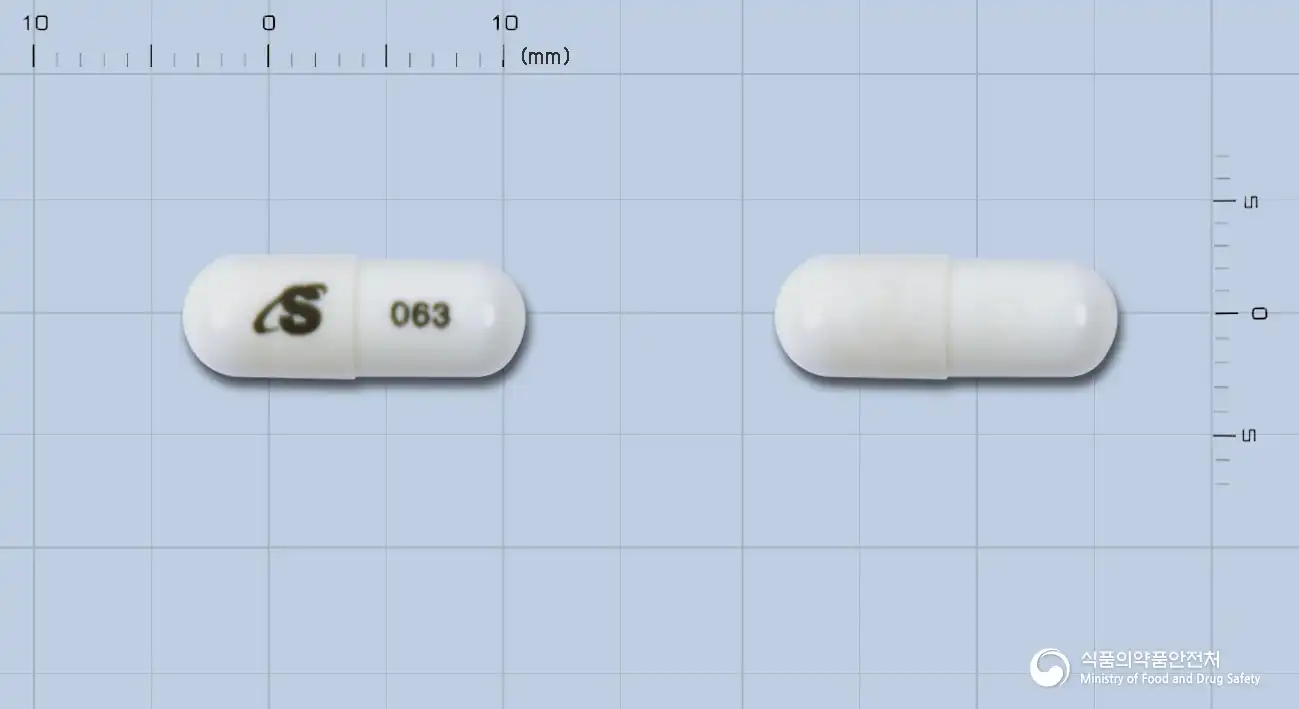
Anagrelide Hydrochloride 0.61mg
Hard capsule · Prescription medication
Takeda Korea Pharmaceutical Co., Ltd.
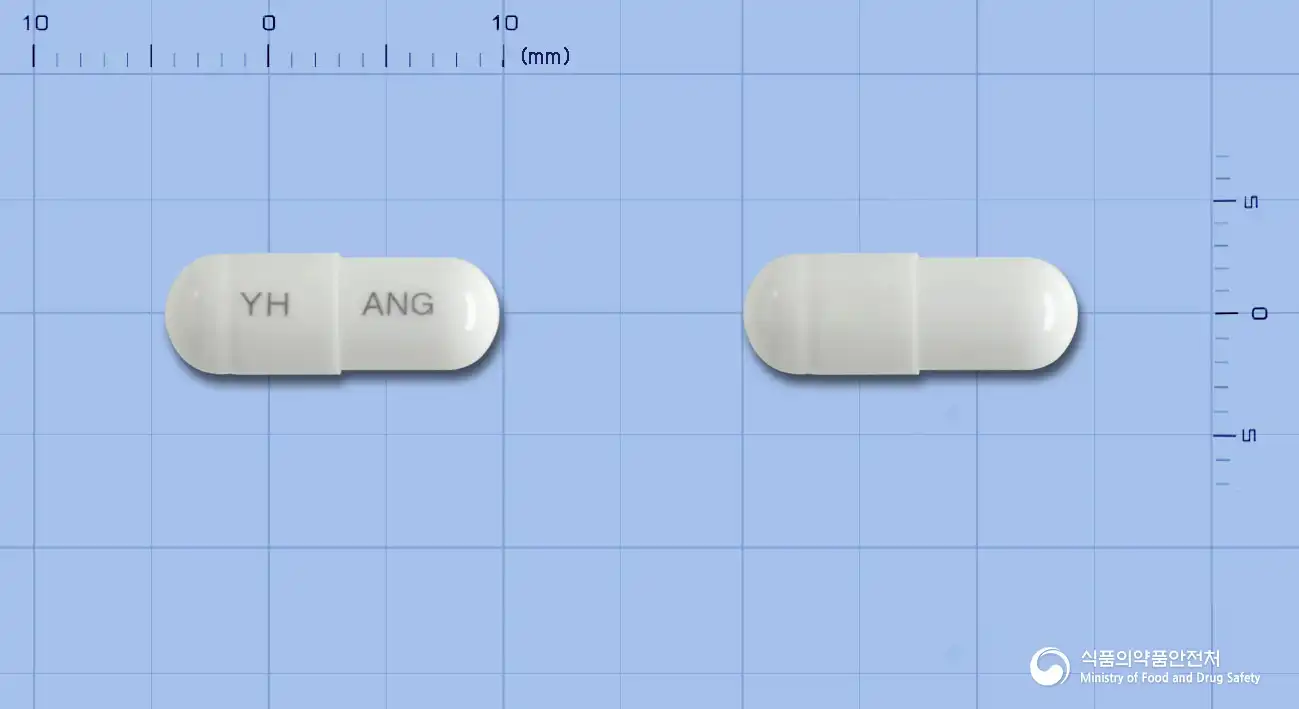
Anagrelide Hydrochloride 0.61mg
Hard capsule · Prescription medication
Yuhan Corporation
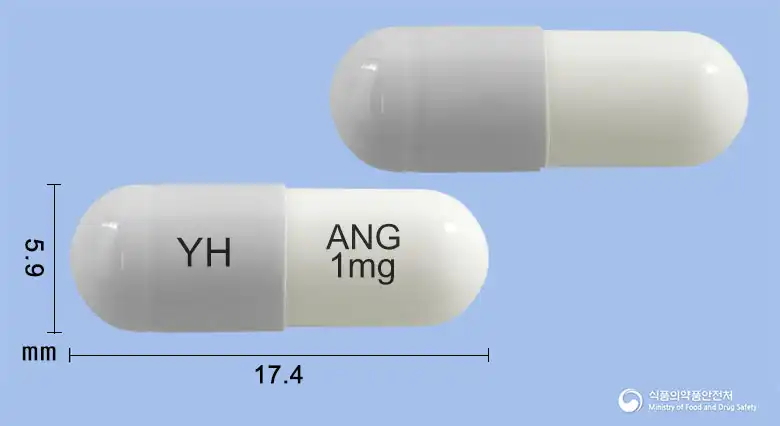
Anagrelide Hydrochloride 1.22mg
Hard capsule · Prescription medication
Yuhan Corporation
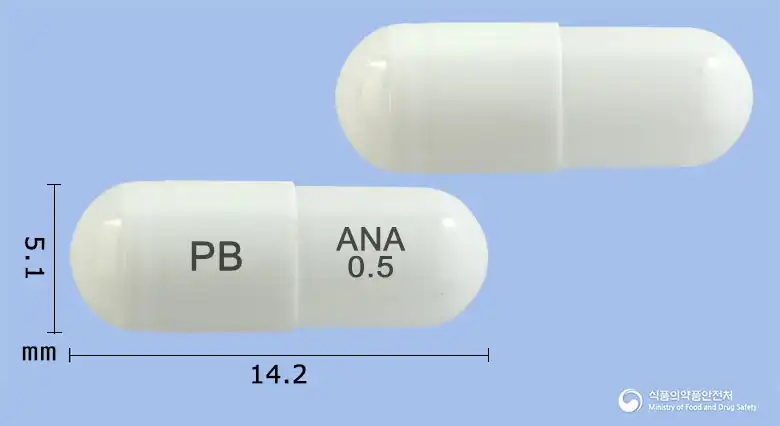
Anagrelide Hydrochloride 0.61mg
Hard capsule · Prescription medication
(Co., Ltd.) Korea Pharma Bio
Anagrelide Hydrochloride 1.22mg
Hard capsule · Prescription medication
MacNulty Pharmaceutical Co., Ltd.
Anagrelide Hydrochloride 0.61mg
Hard capsule · Prescription medication
McNulty Pharmaceuticals Co., Ltd.
Even with the same ingredient, the dose and directions can differ by strength and dosage form. Talk to a doctor or pharmacist before switching from a medication you are already taking.
No questions yet.
For anything that needs medical judgment, consult a doctor or pharmacist.
This drug information is based on data provided by the Korea Ministry of Food and Drug Safety.
Consult a doctor or pharmacist for accurate dosage, administration, and usage instructions.