
 한국어
한국어 English
 日本語
日本語 中文(简体)
 Viewing now
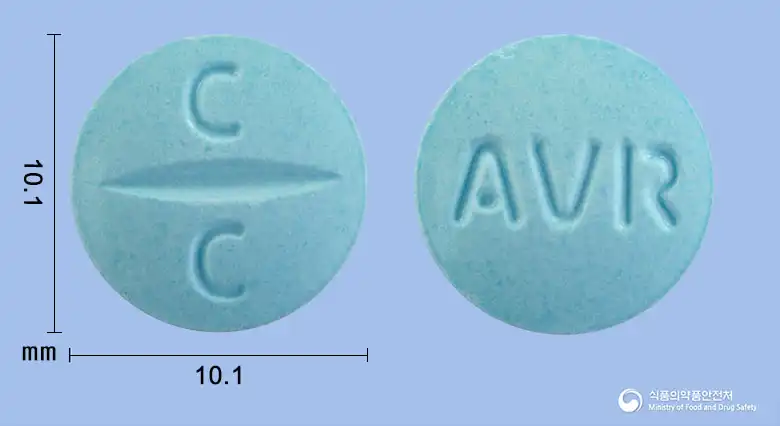
Clorak Tablet (Acyclovir)
Acyclovir 200mg
Tablet · Prescription medication
CTC Bio Co., Ltd.
MFDS item code 201803418 · Approved 2018.08.21 · Insurance code 669502370
Treatment of simplex herpes (including genital herpes) and shingles (acute pain) and improvement of chickenpox
This medicine is used to treat and prevent infections caused by the herpes simplex virus in skin and mucous membranes, including primary and recurrent genital herpes. It is also effective in treating shingles virus infections and particularly helps relieve acute pain. It is used for the treatment of chickenpox and is suitable for children over 2 years old. However, the efficacy against postherpetic neuralgia has not yet been clearly demonstrated. Overall, this drug is used to improve symptoms through the treatment of various viral infections.
1. Treatment of herpes simplex virus infections - Administer 200 mg five times a day at 4-hour intervals for 5 days; treatment can be extended in cases of severe primary infections. - In severe immunocompromised patients or those with gastrointestinal absorption disorders, the single dose may be increased to 400 mg or intravenous administration may be considered. 2. Prevention of herpes simplex infections in patients with normal immune function - Administer 200 mg four times a day at approximately 6-hour intervals, or it may also be given as 400 mg twice a day at 12-hour intervals. 3. Subsequent dosing may be reduced to 200 mg 2 to 3 times a day to confirm efficacy after the initial effective dose reduction. 4. Patients on long-term treatment should periodically discontinue treatment every 6 to 12 months to monitor the natural course of the disease. 3. Prevention of herpes simplex infections in immunocompromised patients 1) Administer 200 mg four times a day at approximately 6-hour intervals. 2) In severely immunocompromised patients (post-bone marrow transplant, etc.) or those with gastrointestinal absorption disorders, the single dose may be increased to 400 mg or intravenous administration may be considered. 3) Administration should occur during periods of increased risk of infection. 4. Treatment of shingles infections 1) Administer 800 mg five times a day excluding bedtime at approximately 4-hour intervals for a total of 7 days. 2) In severely immunocompromised patients or those with gastrointestinal absorption disorders, intravenous administration should be considered. 3) It is best to start treatment as soon as possible after infection, as quicker treatment results in better outcomes. ○ Children 1. For the treatment of herpes simplex infections and prevention of herpes simplex infections in immunocompromised patients 1) For children over 2 years: Same as adults. 2) For children under 2 years: Half of the adult dosage. 3) There is currently no definitive data on prevention of herpes simplex virus infections in children with normal immune function. 2. Treatment of chickenpox in children over 2 years: Administer 20 mg/kg (maximum 800 mg per dose) four times a day for 5 days. Treatment should start as soon as the chickenpox rash appears, preferably within 24 hours after the rash appears. ○ Patients with kidney disorders Patients with kidney impairment are susceptible to central nervous system adverse reactions, so it is important to extend intervals or reduce dosages as necessary. 1. Treatment of herpes simplex infections Oral doses are typically lower than those caused by intravenous accumulation. However, for patients with severe kidney impairment (creatinine clearance less than 10 mL/min), it is preferable to administer 200 mg every 12 hours. 2. Treatment of shingles virus infections 1) For patients with a creatinine clearance of less than 10 mL/min, it is preferable to administer 800 mg twice a day at 12-hour intervals. 2) For patients with a creatinine clearance of 10-25 mL/min, it is preferable to administer 800 mg three times a day at 8-hour intervals.
1. Treatment of herpes simplex infections and prevention of herpes simplex infections in immunocompromised patients - For children over 2 years: Same as adults. - For children under 2 years: Half of the adult dosage. 2. For children over 2 years
This medication should not be used by patients who have had allergic reactions to this drug or its ingredients, or to valacyclovir. Additionally, this medication contains lactose, so it should not be administered to patients with galactose intolerance, Lapp lactase deficiency or glucose-galactose malabsorption. Patients with poor kidney function should be cautious when using this medication as it may cause adverse reactions in the central nervous system. Patients with liver dysfunction should also be careful as there is a risk of worsening liver function when using this medication. Infants, children, and elderly patients should be particularly cautious when using this medication, and dosage and intervals should be adjusted appropriately. During treatment with this medication, severe allergic reactions such as anaphylaxis shock may rarely occur, so if symptoms such as difficulty breathing, decreased blood pressure, or chest tightness appear, treatment should be stopped immediately and medical help should be sought. Hypersensitivity reactions such as skin rash, fever, blisters, or urticaria may occur, so if such symptoms arise, discontinue use and consult a doctor. Rarely, various neurological symptoms such as hair loss, severe skin conditions, altered consciousness, confusion, seizures, drowsiness, tremors, and dizziness may occur, particularly more frequently in elderly patients or those with kidney disease. Multiple side effects have been reported such as decreased kidney function, blood disorders, liver function anomalies, gastrointestinal disturbances, muscle pain, arrhythmia, and urination problems, so any abnormal symptoms should be reported to a healthcare provider immediately. This medication is most effective when administered as soon as symptoms appear for herpes simplex and chickenpox, and for shingles, it should be started within 5 days after the appearance of skin symptoms and chickenpox within 3 days. Immunocompromised patients may consider intravenous treatment. During treatment with this medication, it is important to maintain adequate hydration to reduce the risk of dehydration and kidney toxicity. Patients with recurrent genital herpes should discuss with their physician whether to continue using this medication after one year of treatment. This medication may cause drowsiness or altered consciousness, so caution should be exercised when driving or operating hazardous machinery, especially for those with compromised kidney function. There may be interactions when used with other drugs, so caution is especially needed when used in conjunction with probenecid, cimetidine, theophylline, or mycophenolate mofetil. Women who are pregnant or may become pregnant should be cautious when using this medication, and nursing mothers should discontinue breastfeeding as this medication may pass into breast milk. In infants and children, it should be administered carefully in the minimum effective dose only when necessary, as safety in neonates and low-birth-weight infants has not been established. Elderly patients may have increased blood concentrations of this medicine due to reduced kidney function, so dosage and intervals should be adjusted, and adequate hydration is necessary. In cases of overdose, serious symptoms such as agitation, coma, seizures, and somnolence may occur, and it can cause kidney damage, requiring immediate medical observation and appropriate treatment. Blood dialysis may be required to control blood concentration.
Not everyone experiences these, and they can vary from person to person.
Keep this medication in a tightly closed container to prevent air and moisture from entering. It is best stored in a cool and dry place below 25 degrees Celsius.
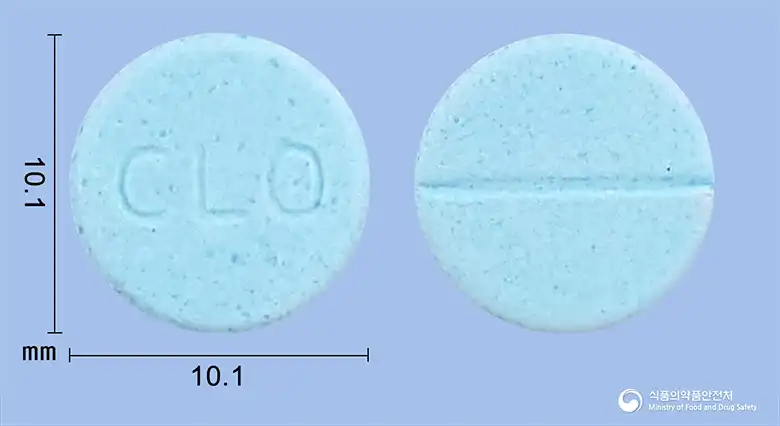
Light blue round tablet
30 tablets/bottle, 100 tablets/bottle
Even with the same ingredient, strength, dosage form and how it is taken can differ.
Viewing nowAcyclovir 200mg
Tablet · Prescription medication
CTC Bio Co., Ltd.
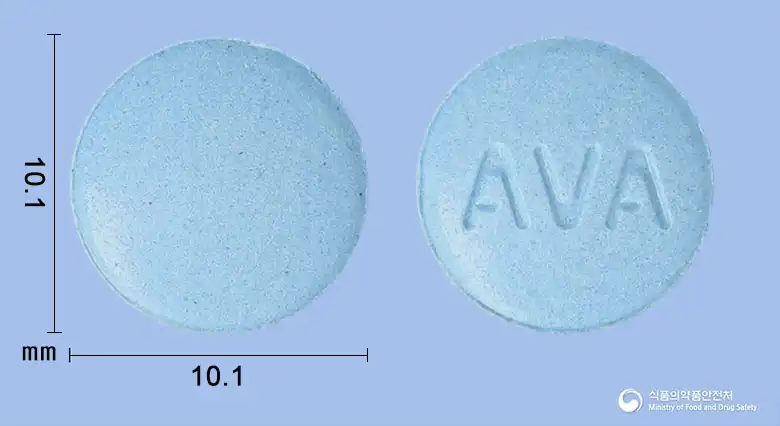
Acyclovir 200mg
Tablet · Prescription medication
Kyung dong Pharm Co., Ltd.
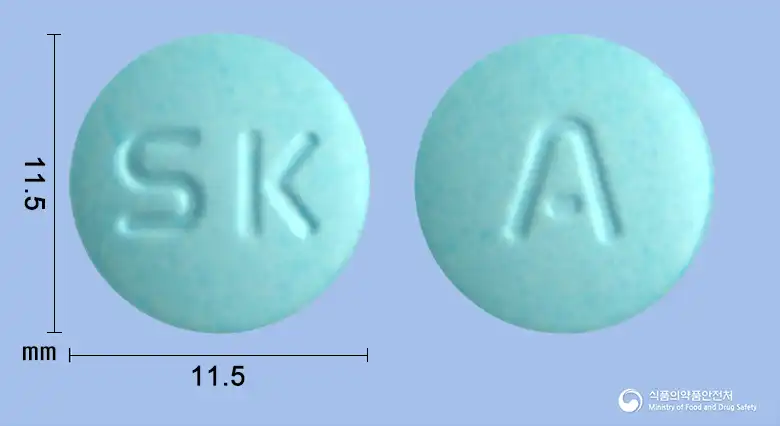
Acyclovir 200mg
Tablet · Prescription medication
SK Chemicals Co., Ltd.
Acyclovir
Prescription medication
Baskan Biopharmaceutical Co., Ltd.
Acyclovir 50mg
Cream · OTC medication
Dongkwang Pharmaceutical Co., Ltd.
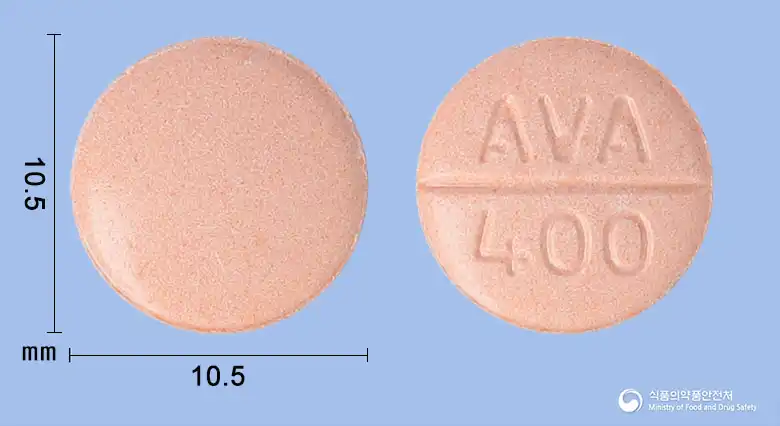
Acyclovir 400mg
Tablet · Prescription medication
Kyung dong Pharm Co., Ltd.
Acyclovir 50mg
Cream · OTC medication
Kyungdong Pharmaceutical Co., Ltd.
Acyclovir 200mg
Tablet · Prescription medication
Vivozon Pharmaceutical Co., Ltd.
Even with the same ingredient, the dose and directions can differ by strength and dosage form. Talk to a doctor or pharmacist before switching from a medication you are already taking.
No questions yet.
For anything that needs medical judgment, consult a doctor or pharmacist.
This drug information is based on data provided by the Korea Ministry of Food and Drug Safety.
Consult a doctor or pharmacist for accurate dosage, administration, and usage instructions.