
 한국어
 English
 日本語
 中文(简体)
 Viewing now
Sinacal Tablet (Sinacalset Hydrochloride)
Cinacalcet Hydrochloride 27.55mg
Tablet · Prescription medication
Huons Meditech Co., Ltd.
MFDS item code 201803384 · Approved 2018.08.20 · Insurance code 670402100
Treatment of secondary hyperparathyroidism in patients with chronic kidney disease undergoing dialysis
Secondary hyperparathyroidism in patients undergoing dialysis for chronic kidney failure can cause bone pain and osteoporosis due to an imbalance of calcium and phosphorus in the blood. This medication helps to regulate the secretion of parathyroid hormone to maintain blood calcium and phosphorus levels within the normal range. It is also used to prevent bone damage, improve bone health, and alleviate symptoms caused by secondary hyperparathyroidism. Therefore, it plays an important role in effectively managing bone metabolism abnormalities in patients with chronic kidney failure undergoing dialysis.
Do not divide the dose when administering this medicine orally. The initial dose for adults is cinacalcet 25 mg orally once daily. Thereafter, while monitoring the patient's parathyroid hormone (iPTH) and serum calcium concentrations, adjust the dose based on serum calcium or parathyroid hormone (iPTH) to 25, 50, or 75 mg once daily, administered orally. If improvement in parathyroid hormone (iPTH) is not observed, administer orally up to a maximum single dose of 100mg. When increasing the dose, increase it by 25mg at intervals of at least 3 weeks. As this medicine lowers blood calcium, confirm that the serum calcium level is not low (as a guideline, 9.0 mg/dL or higher) before initiating treatment. Measure serum calcium once weekly when initiating this medicine and adjusting the dose, and at least once every 2 weeks during maintenance. If serum calcium falls below 8.4 mg/dL, manage as shown below. Below 8.4mg/dL: Consider treatment with calcium or vitamin D preparations. As a rule, do not increase the dose of this medicine (reduce the dose if necessary). Measure serum calcium at least once weekly. An ECG is advisable. If increasing the dose, do so only after confirming recovery to 8.4mg/dL or higher. Below 7.5mg/dL: Withhold treatment immediately. If treatment is resumed, do so at the previous dose or a lower dose only after confirming recovery to 8.4mg/dL or higher. Serum calcium should preferably be measured before taking this medicine to appropriately assess its efficacy and safety. In cases of hypoalbuminemia (serum albumin below 4.0 g/dL), it is preferable to use the corrected value as an indicator. Method for calculating corrected calcium: Corrected calcium (mg/dL)=serum calcium (mg/dL)-serum albumin (g/dL)+4.0 Measure parathyroid hormone (iPTH) regularly to maintain it within the target range. It is preferable to measure parathyroid hormone (iPTH) twice monthly when initiating this medicine and adjusting the dose (for approximately 3 months after initiation as a guideline), and once monthly after confirming that parathyroid hormone (iPTH) has become relatively stable. Parathyroid hormone (iPTH) should preferably be measured before taking this medicine to appropriately assess its efficacy and safety. Patients with hepatic impairment: Exposure to this medicine (based on AUC) was 2.4-fold and 4.2-fold higher in patients with moderate and severe hepatic impairment, respectively, according to the Child-Pugh method, than in healthy individuals. When administering this medicine to patients with moderate or severe hepatic impairment, PTH and serum calcium concentrations should be closely monitored.
This medication may cause seizures in patients with a history of seizure disorders, so caution is needed. It should be used carefully in heart failure patients due to the risk of hypotension or worsening heart failure. It should not be taken by patients with hypersensitivity to this medication or specific genetic issues such as lactose intolerance. Patients with hypocalcemia need to monitor and manage their blood calcium levels frequently as this medication may worsen their symptoms. Caution is warranted in patients with liver dysfunction as they may be affected by the metabolism of this medication. Patients with a history of gastrointestinal bleeding or ulcers should use this medication cautiously as symptoms may worsen. Gastrointestinal symptoms such as nausea, vomiting, loss of appetite, abdominal bloating may occur during the use of this medication. Symptoms such as paralysis, muscle cramps, arrhythmias, hypotension, and seizures due to hypocalcemia should be observed closely. Cardiac abnormalities, such as QT interval prolongation, can occur, and if abnormalities are noted, immediate consultation with medical personnel is required. If gastrointestinal bleeding or ulcers occur, medication should be discontinued immediately and appropriate treatment sought. Decreased consciousness or transient loss of consciousness may occur, and administration should be stopped if symptoms are present. This medication has been reported to pose a risk of sudden death, and swift action should be taken in the event of significant adverse symptoms. Serum calcium levels should be checked regularly, and calcium or vitamin D supplementation should be considered if necessary. There are many drugs that interact with this medication, so it is essential to consult with healthcare providers regarding concomitant use of other medications. Elderly patients over 65 years old are at higher risk for side effects and require increased caution. Pregnant or nursing women should avoid using this medication and consult a specialist if unavoidable. Safety in children and adolescents under 19 years of age has not been established, so usage is not recommended. In case of an overdose, symptoms of hypocalcemia should be monitored, and treatment should be sought immediately; blood dialysis is not effective. This medication should be taken out of the PTP packaging before use; taking it directly in its packaging poses a risk of esophageal injury. Patients with chronic kidney failure should closely monitor changes in their blood calcium concentrations while being administered this medication. Long-term use of this medication may alter parathyroid hormone levels, so regular testing is necessary.
Convulsions, low blood pressure, worsening of heart failure, nausea, vomiting, stomach discomfort, loss of appetite, abdominal distension, hypocalcemia, decreased serum calcium, QT prolongation, paralysis, muscle cramps, malaise, arrhythmia, decreased blood pressure, gastrointestinal bleeding, gastrointestinal ulcers, decreased level of consciousness, transient loss of consciousness, sudden death, upper abdominal pain, abdominal pain, abdominal discomfort, diarrhea, constipation, gastric ulcer, gastritis and duodenitis, gastroesophageal reflux disease, dyspepsia, gastrointestinal disorders, stomatitis, gastroenteritis, fecal occult blood, hemorrhoids, epigastric discomfort, hiatal hernia, increased blood pressure, arrhythmia, myocardial infarction, myocardial ischemia, ventricular ectopic beats, loss of ectopic beats, atrial fibrillation, palpitations, tachycardia, dizziness, headache, insomnia, limb pain, joint pain, muscle pain, numbness, elevated CPK, elevated LDH, increased blood glucose, hyperlipidemia, elevated total cholesterol, taste disturbances, elevated ALP, abnormal liver function (elevated AST/ALT), elevated bilirubin, increased γ-GTP, conjunctival hemorrhage, dry eyes, pruritus, rash, hair loss, subcutaneous hemorrhage, goiter, anemia, thrombocytopenia, fatigue, chest discomfort, chest pain, exhaustion, edema, occlusion of arteriovenous fistula, thirst, fever, erectile dysfunction, myalgia, hypertension, lethargy, infection, peritonitis, dyspnea, systemic weakness, nausea, colon polyps, enteritis, hematemesis, chest discomfort, fracture, Achilles tendon rupture, nosebleed, pneumonia, pyelonephritis, bronchitis, seizures, worsening heart failure, blood pressure control failure, diabetic ulcers, procedural site reaction infection, cerebral infarction, surgical site reaction, laceration, upper respiratory infection, cold, neck/shoulder pain, fatigue, coldness, cough, bronchitis, procedural site reaction, herpes zoster, flank pain, tremors, falls, influenza-like symptoms, arthritis, bone pain, low back pain, bursitis, plantar fasciitis, increased sputum production, orthopnea, sore throat, nasal discharge, exacerbation of pneumonia, abscess, lower respiratory infection, leg tremors, peripheral neuropathy, carpal tunnel syndrome, restless legs, anxiety, sleep disorders, hypoglycemia, eye inflammation, conjunctival injection, cataract, venous stenosis, epididymal cyst, contusion
Not everyone experiences these, and they can vary from person to person.
This medication should be stored in a tightly sealed container to prevent exposure to air and moisture. It is also safe to store the medication at a cool room temperature, between 1 to 30 degrees Celsius.
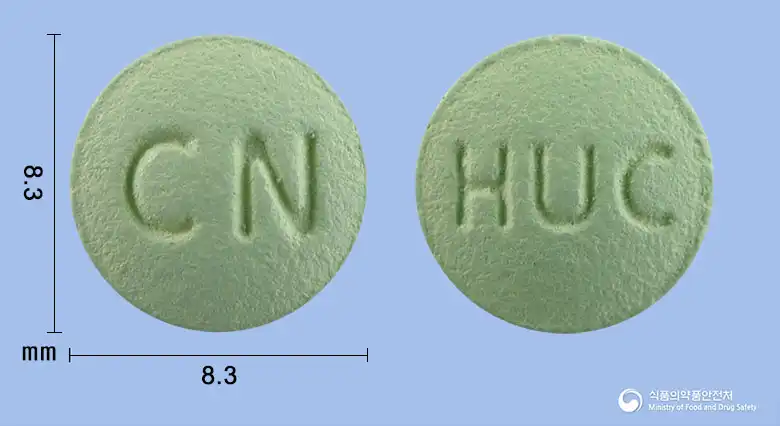
Round film-coated tablet of light green or light yellow-green color
100 tablets (10 tablets/PTP packaging x 10)
Even with the same ingredient, strength, dosage form and how it is taken can differ.
Viewing nowCinacalcet Hydrochloride 27.55mg
Tablet · Prescription medication
Huons Meditech Co., Ltd.
Cinacalcet Hydrochloride 27.55mg
Tablet · Prescription medication
Korea Kyowa Kirin Co., Ltd.
Cinacalcet Hydrochloride 82.65mg
Tablet · Prescription medication
Korea Kyowa Kirin Co., Ltd.
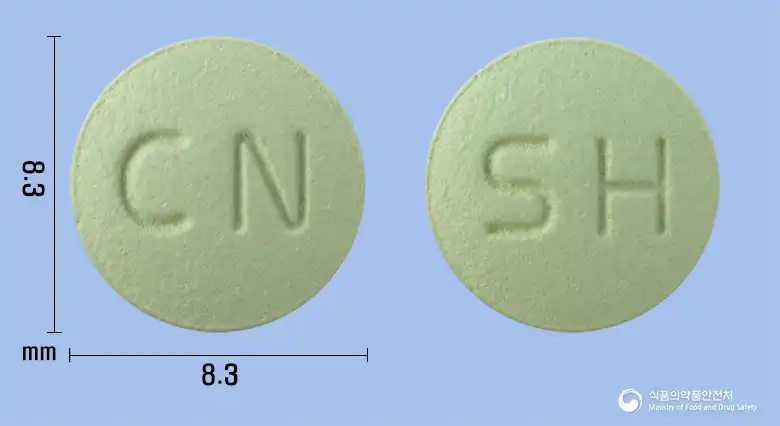
Cinacalcet Hydrochloride 27.55mg
Tablet · Prescription medication
Huons Co., Ltd.
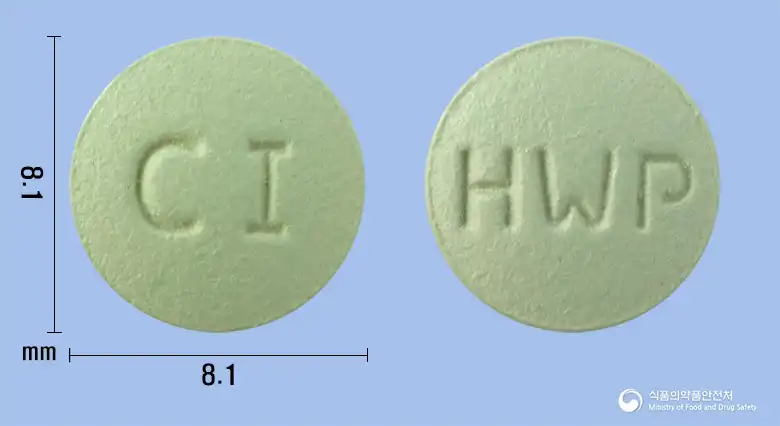
Cinacalcet Hydrochloride 27.55mg
Tablet · Prescription medication
Hanwha Pharmaceutical Co., Ltd.
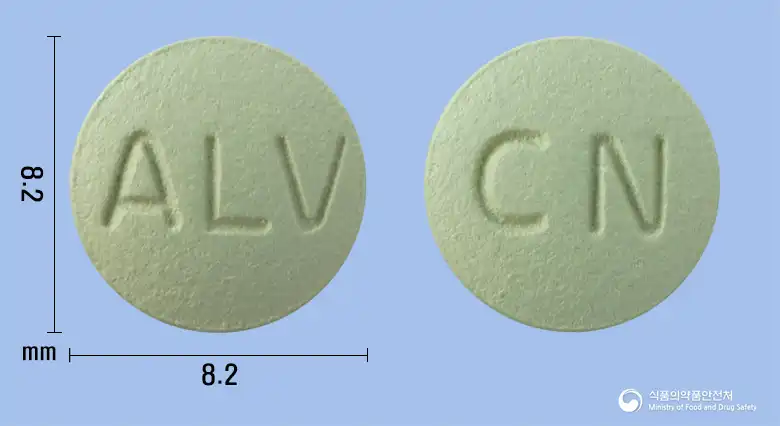
Cinacalcet Hydrochloride 27.55mg
Tablet · Prescription medication
Albozen Korea Co., Ltd.
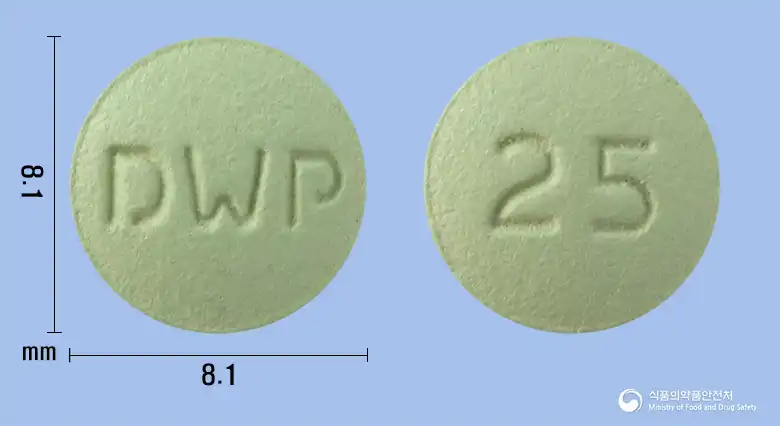
Cinacalcet Hydrochloride 27.55mg
Tablet · Prescription medication
DaeWon Pharmaceutical Co., Ltd.
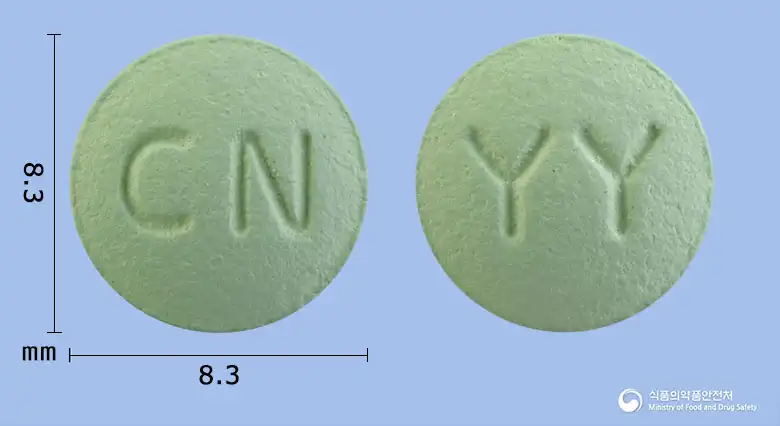
Cinacalcet Hydrochloride 27.55mg
Tablet · Prescription medication
Yuyu Pharmaceutical Co., Ltd.
Even with the same ingredient, the dose and directions can differ by strength and dosage form. Talk to a doctor or pharmacist before switching from a medication you are already taking.
No questions yet.
For anything that needs medical judgment, consult a doctor or pharmacist.
This drug information is based on data provided by the Korea Ministry of Food and Drug Safety.
Consult a doctor or pharmacist for accurate dosage, administration, and usage instructions.