
 한국어
 English
 日本語
 中文(简体)
 Viewing now
Nicobrek Tablets 1mg (Varenicline Salicylate)
Varenicline Salicylate 1.65mg
Tablet · Prescription medication
CTC Bio Co., Ltd.
MFDS item code 201803337 · Approved 2018.08.14
Suppression of smoking as an adjunct to smoking cessation treatment
This medication is used as an adjunctive therapy to assist in smoking cessation. It helps alleviate nicotine withdrawal symptoms that occur during the quitting process and aids in increasing the success rate of quitting smoking. It primarily works by reducing the urge to smoke and managing withdrawal symptoms, thereby supporting individuals who wish to quit smoking to maintain their cessation efforts consistently. This adjunctive therapy contributes to enhancing the effectiveness of smoking cessation treatment and moving toward a healthier lifestyle.
Patients should set a quit date and start taking this medication 1 week before that date. Alternatively, they may start quitting between days 8 and 35 after starting this medication. This medication should be taken after meals with plenty of water. The recommended dosage is as follows: after dose titration over 1 week, take 1 mg twice daily. Days 1–3 0.5 mg once daily Days 4–7 0.5 mg twice daily Day 8 until the end of treatment 1 mg twice daily For patients who cannot tolerate the adverse reactions to this medication, the dose may be reduced temporarily or on an ongoing basis. The treatment period is 12 weeks. For patients who successfully quit smoking after the initial 12 weeks of treatment, an additional 12 weeks of treatment with this medication is recommended to increase the likelihood of long-term abstinence. For patients who cannot or do not wish to stop smoking abruptly, gradual smoking cessation while taking this medication should be considered. Smoking should be reduced by 50% from the level before treatment within the first 4 weeks after starting this medication, and by an additional 50% within the following 4 weeks. Smoking should continue to be reduced so that complete cessation is achieved by week 12. Continue this medication for an additional 12 weeks, for a total treatment period of 24 weeks. Encourage patients to stop smoking sooner if they feel ready. In patients with severe renal impairment (estimated creatinine clearance < 30 mL/min), the recommended starting dose of varenicline is 0.5 mg once daily. If needed, the maximum dose is 0.5 mg twice daily. In patients with end-stage renal disease receiving hemodialysis, if well tolerated, a maximum dose of 0.5 mg once daily may be administered.
Under 18 years of age: Use is not recommended.
This medication is used to assist in smoking cessation. During the use of this medication, attention should be paid to mental health. Some patients may experience severe psychiatric symptoms, such as depression, anxiety, hallucinations, aggressive behavior, and suicidal thoughts. If any of these symptoms occur, the medication should be discontinued immediately and consulted with a doctor. Individuals with allergies to this medication should not take it. Women who are pregnant or breastfeeding should use this medication with caution and consult a physician if necessary. Common side effects such as nausea, headache, insomnia, and abnormal dreams may occur during treatment. These symptoms are usually mild or moderate and most often occur at the beginning of treatment. Dosage adjustments may be needed based on kidney function, and elderly patients with reduced kidney function should be particularly cautious. Activities requiring alertness, such as driving or operating machinery, should be done carefully during medication use, as drowsiness, dizziness, or reduced concentration may occur. Taking this medication with alcohol may lead to abnormal behavior or memory loss; therefore, it is advised to minimize or avoid alcohol consumption during treatment. This medication has relatively few drug interactions, but patients should inform their doctor of any other medications they are taking. There may be risks to the fetus when used during pregnancy, so it is crucial to consult a physician before taking this medication. Breastfeeding may allow this medication to pass into breast milk; therefore, patients should discuss whether to continue breastfeeding with their doctor. The safety and effectiveness of this medication have not been established in children under 18 years of age, so it is not recommended for use in this population. While no specific cases of overdose have been reported, appropriate treatment should be sought if necessary. This medication should be kept out of reach of children, and it is safe to store it in its original container.
Not everyone experiences these, and they can vary from person to person.
This medication should be stored in a tightly closed container to prevent exposure to air and moisture and should be kept at room temperature between 1 and 30 degrees Celsius. Storing it this way helps maintain the medication's effectiveness and ensures it can be used safely.
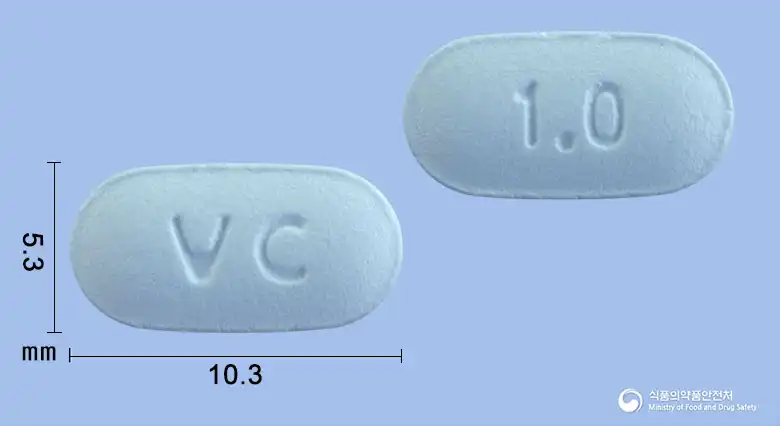
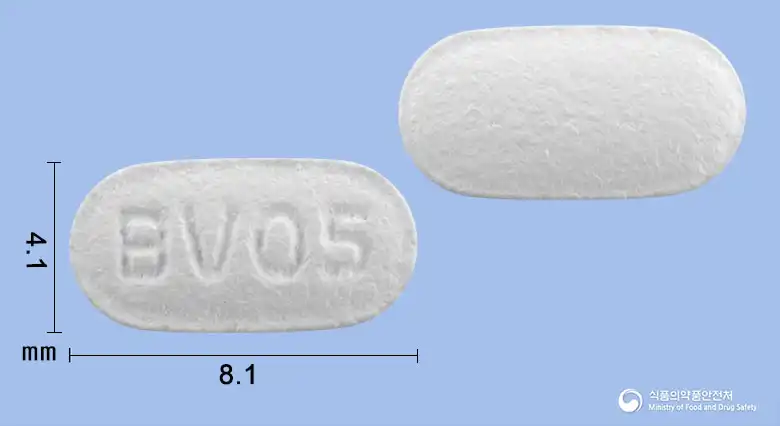
Light blue, biconvex, rectangular film-coated tablet
28 tablets (14 tablets/PTP X 2)
Even with the same ingredient, strength, dosage form and how it is taken can differ.
Viewing nowVarenicline Salicylate 1.65mg
Tablet · Prescription medication
CTC Bio Co., Ltd.
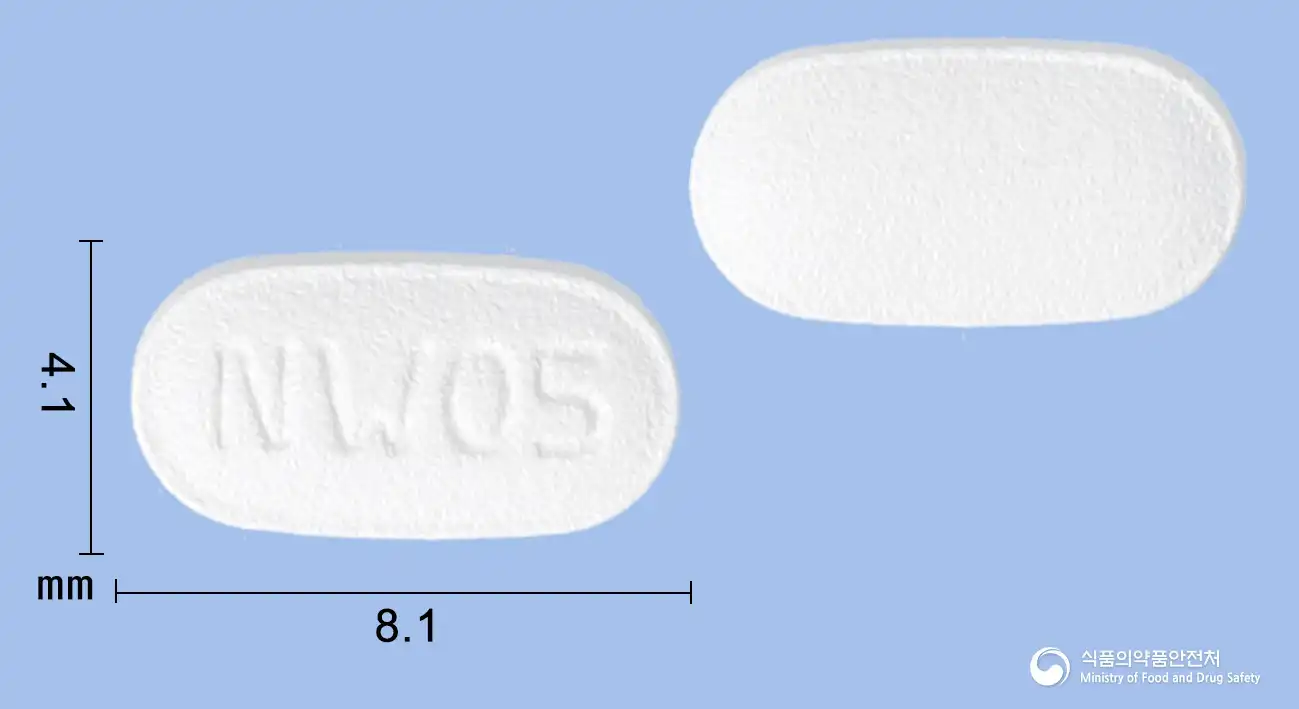
Varenicline Salicylate 0.825mg
Tablet · Prescription medication
McNulty Pharmaceuticals Co., Ltd.
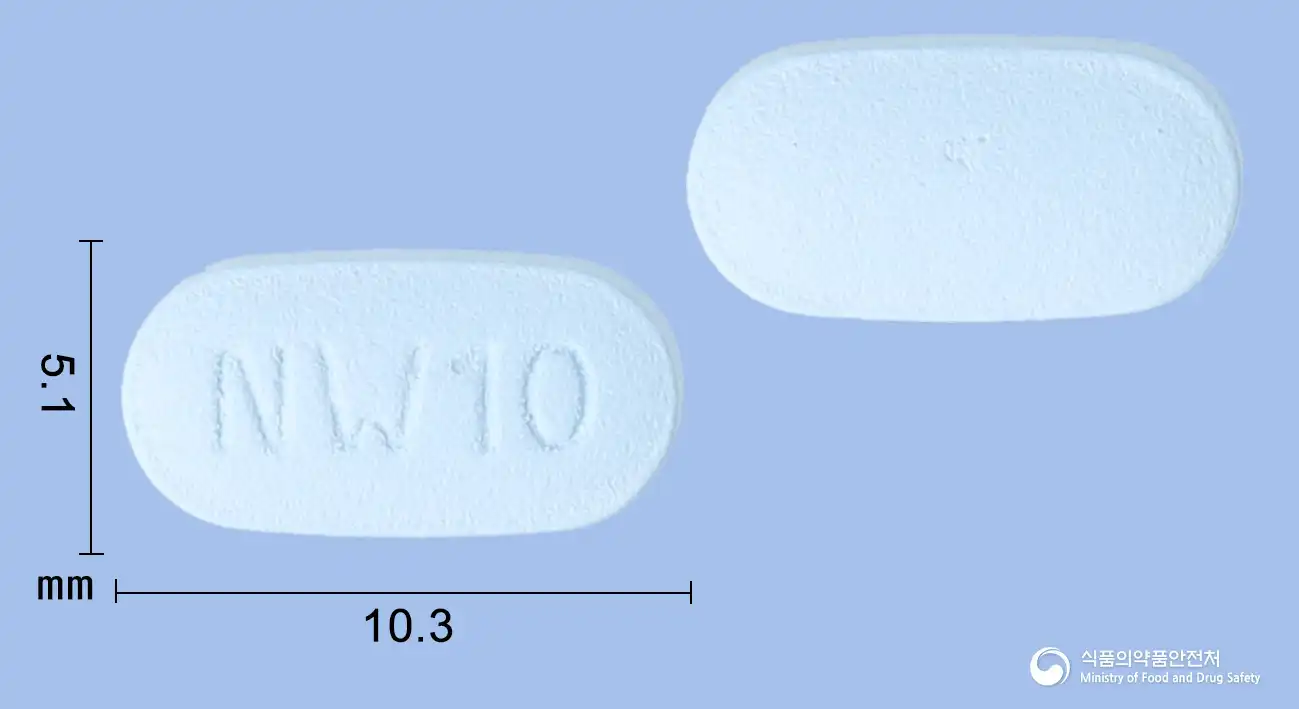
Varenicline Salicylate 1.65mg
Tablet · Prescription medication
McNulty Pharma Co., Ltd.
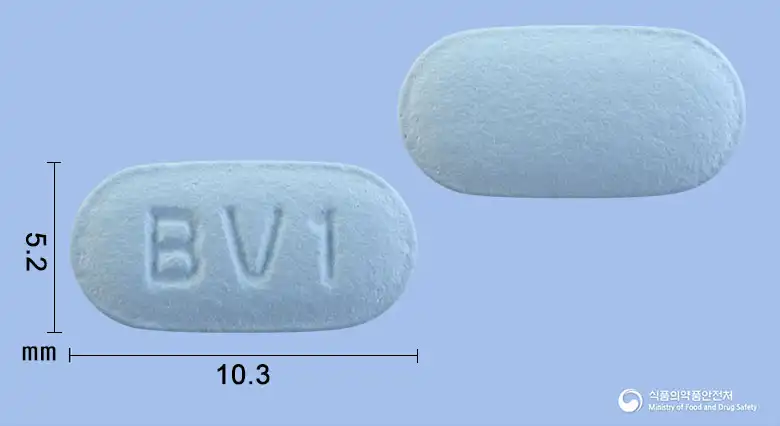
Varenicline Salicylate 1.65mg
Tablet · Prescription medication
Boryung Pharmaceutical Co., Ltd.
Varenicline Salicylate 0.825mg
Tablet · Prescription medication
Boryung Pharmaceutical Co., Ltd.
Varenicline Salicylate
Prescription medication
Korea Pavice Pharmaceuticals Co., Ltd.
Varenicline Salicylate
Prescription medication
HanKook Pavis Pharmaceutical Co., Ltd.
Varenicline Salicylate
Prescription medication
Samjin Pharmaceutical Co., Ltd.
Even with the same ingredient, the dose and directions can differ by strength and dosage form. Talk to a doctor or pharmacist before switching from a medication you are already taking.
No questions yet.
For anything that needs medical judgment, consult a doctor or pharmacist.
This drug information is based on data provided by the Korea Ministry of Food and Drug Safety.
Consult a doctor or pharmacist for accurate dosage, administration, and usage instructions.