
 한국어
 English
 日本語
 中文(简体)
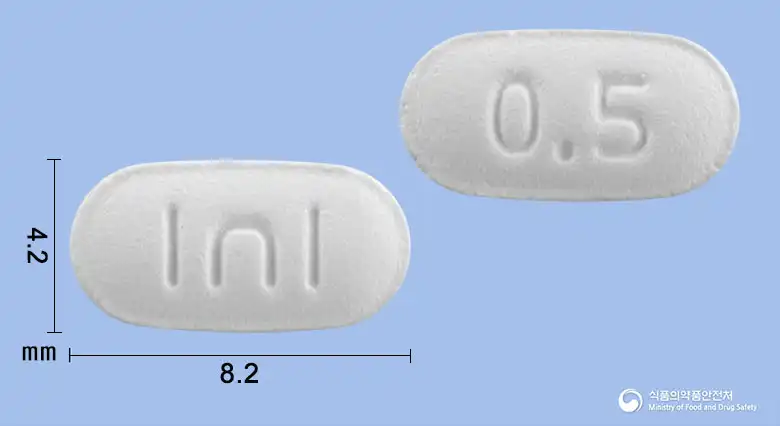 Viewing now
Zerocotin Tablet 0.5mg (Varenicline Salicylate)
Varenicline Salicylate 0.825mg
Tablet · Prescription medication
Vivozon Pharmaceutical Co., Ltd.
MFDS item code 201803330 · Approved 2018.08.14
Smoking cessation aid
This medication is used as an auxiliary therapy to aid in smoking cessation. It is effective in alleviating withdrawal symptoms and reducing the urge to smoke, thereby assisting patients in increasing their chances of quitting smoking successfully.
Patients should set a quit date and start taking this medicine 1 week before that date. Alternatively, they may begin quitting between days 8 and 35 after starting this medicine. Take this medicine after meals with plenty of water. The recommended dose of this medicine is as follows: after dose titration over 1 week, administer 1 mg twice daily. Days 1–3: 0.5 mg once daily Days 4–7: 0.5 mg twice daily Day 8 until end of treatment: 1 mg twice daily For patients who cannot tolerate the adverse reactions of this medicine, the dose may be reduced temporarily or permanently. The treatment period with this medicine is 12 weeks. For patients who successfully quit smoking with the first 12 weeks of treatment, it is recommended that this medicine be administered for an additional 12 weeks to increase the likelihood of long-term abstinence. For patients who cannot or do not wish to stop smoking abruptly, consider gradually stopping smoking while taking this medicine. Reduce the amount smoked by 50% from the pretreatment level within the first 4 weeks after starting this medicine, and by a further 50% within the next 4 weeks. Continue to reduce smoking so that complete abstinence can be achieved by week 12. Administer this medicine for an additional 12 weeks for a total treatment period of 24 weeks. Encourage patients to stop smoking sooner if they feel ready. Patients who fail to quit smoking with the first 12 weeks of treatment or who resume smoking after treatment should review the reasons for failure and try again. However, there are no data demonstrating the efficacy of an additional 12 weeks of treatment in patients who failed to quit during the first 12 weeks of treatment or resumed smoking after treatment. No dose adjustment is necessary in patients with mild (estimated creatinine clearance > 50 mL/min and ≤ 80 mL/min) to moderate (estimated creatinine clearance ≥ 30 mL/min and ≤ 50 mL/min) renal impairment. In patients with severe renal impairment (estimated creatinine clearance < 30 mL/min), the recommended starting dose of varenicline is 0.5 mg once daily. If needed, the maximum dose is 0.5 mg twice daily. In patients with end-stage renal disease undergoing hemodialysis, if well tolerated, a maximum dose of 0.5 mg once daily may be administered. No dose adjustment is necessary in patients with hepatic impairment. Because renal function is more likely to be decreased in elderly patients, caution should be exercised when selecting the dose, and monitoring renal function may be useful.
Patients under 18 years of age: Use is not recommended because the safety and efficacy of this medicine have not been established.
This medication is used to assist with smoking cessation and works on the nicotine receptors in the brain to enhance the success rate of quitting smoking. However, serious mental health issues such as depression, anxiety, and suicidal thoughts may occur during the use of this medication, so caution is necessary. If there is a history of psychiatric disorders or symptoms such as depressed mood, aggression, or hallucinations occur, consult a doctor immediately. This medication should not be used in patients with allergic reactions. Women who are pregnant or breastfeeding should discuss the use of this medication thoroughly with their doctor. During the initial dosage, side effects such as nausea, headache, insomnia, and unusual dreams may commonly occur; most are mild, but some patients may experience prolonged symptoms. Seizures may occur during the use of this medication; thus, patients with a history of seizures should exercise particular caution. When engaging in risky activities such as driving or operating machinery, caution is necessary due to symptoms of drowsiness or dizziness which may increase the risk of accidents. Dosage adjustments may be necessary for patients with reduced kidney function or the elderly. In the event of overdose, there are no specific antidotes, and appropriate treatment should be administered according to the symptoms. This medication has minimal drug interactions; however, side effects may worsen with alcohol consumption, so it is advisable to avoid alcohol while taking this medication. While using this medication, physical changes due to smoking cessation may affect the efficacy of other medications, so it is important to inform the doctor. The safety and efficacy in children have not been established, and use in children is not recommended. This medication should be kept out of the reach of children and stored in the original packaging for safety.
Not everyone experiences these, and they can vary from person to person.
This medication must be stored in a tightly closed container to prevent exposure to air or moisture. Additionally, it is important to store it at room temperature, between 1 degree Celsius and 30 degrees Celsius, to maintain its efficacy.
White or grayish white, double convex, film-coated tablet in rectangular shape
11 tablets (11 tablets/PTP×1)
Even with the same ingredient, strength, dosage form and how it is taken can differ.
Viewing nowVarenicline Salicylate 0.825mg
Tablet · Prescription medication
Vivozon Pharmaceutical Co., Ltd.
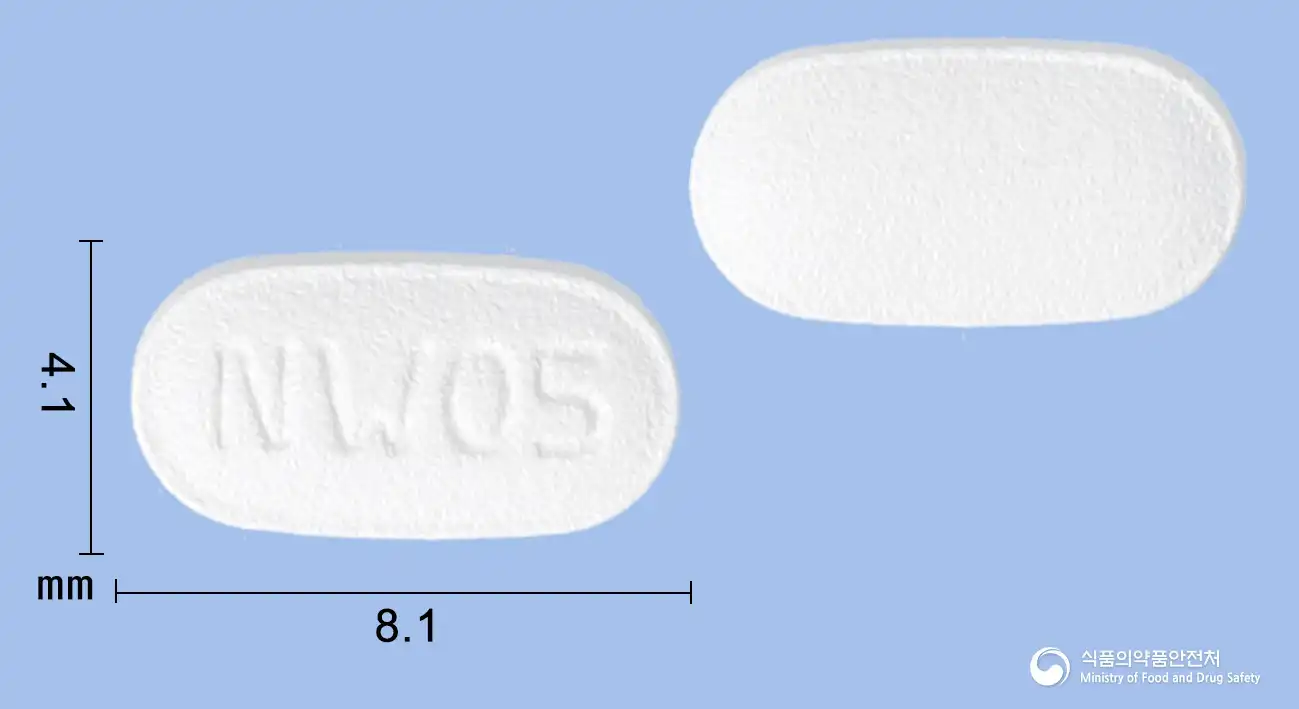
Varenicline Salicylate 0.825mg
Tablet · Prescription medication
McNulty Pharmaceuticals Co., Ltd.
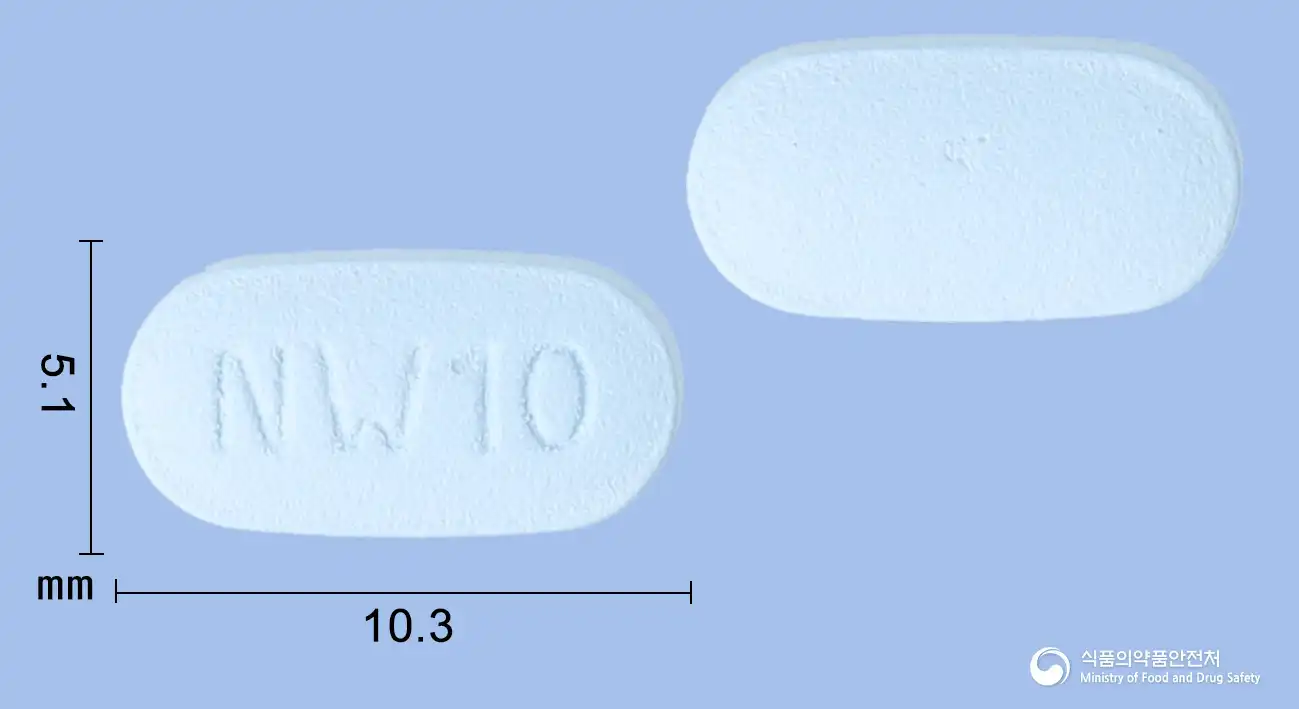
Varenicline Salicylate 1.65mg
Tablet · Prescription medication
McNulty Pharma Co., Ltd.
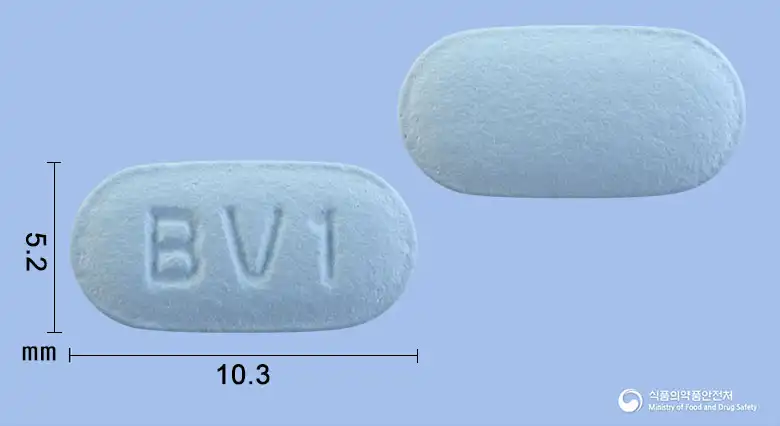
Varenicline Salicylate 1.65mg
Tablet · Prescription medication
Boryung Pharmaceutical Co., Ltd.
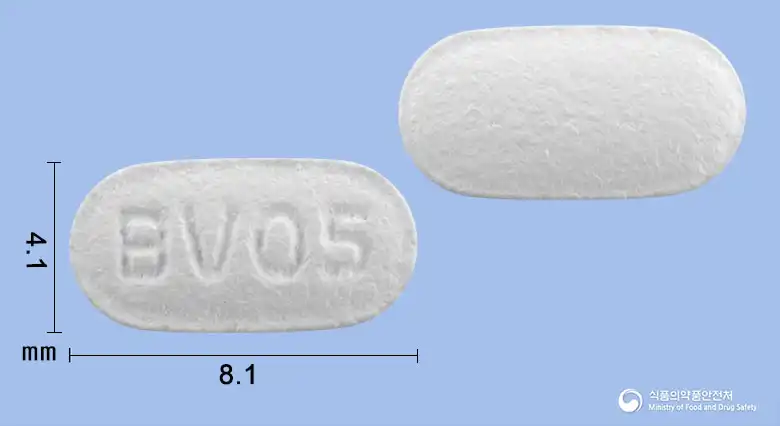
Varenicline Salicylate 0.825mg
Tablet · Prescription medication
Boryung Pharmaceutical Co., Ltd.
Varenicline Salicylate
Prescription medication
Korea Pavice Pharmaceuticals Co., Ltd.
Varenicline Salicylate
Prescription medication
HanKook Pavis Pharmaceutical Co., Ltd.
Varenicline Salicylate
Prescription medication
Samjin Pharmaceutical Co., Ltd.
Even with the same ingredient, the dose and directions can differ by strength and dosage form. Talk to a doctor or pharmacist before switching from a medication you are already taking.
No questions yet.
For anything that needs medical judgment, consult a doctor or pharmacist.
This drug information is based on data provided by the Korea Ministry of Food and Drug Safety.
Consult a doctor or pharmacist for accurate dosage, administration, and usage instructions.