Medication info
Nicobrex Tablets 0.5mg (Varenicline Salicylate)

Nicobrex Tablets 0.5mg (Varenicline Salicylate)

Prescription medicationTabletOral
Ingredient · strength
Varenicline Salicylate›0.825mg / 1 tablet
Manufacturer / importer
CTC Bio, Inc.
Appearance
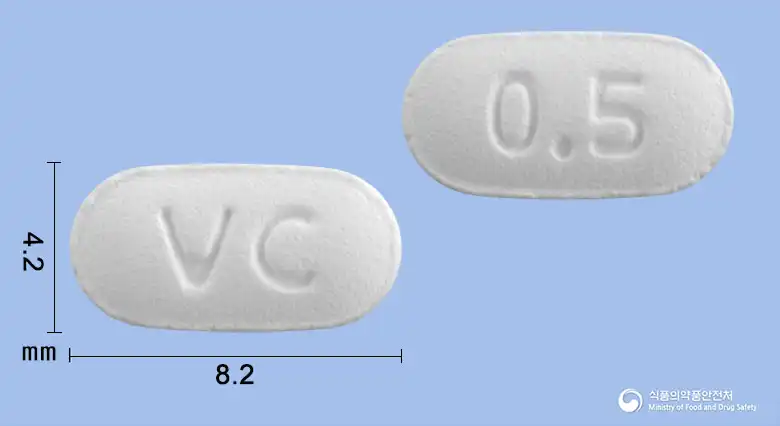
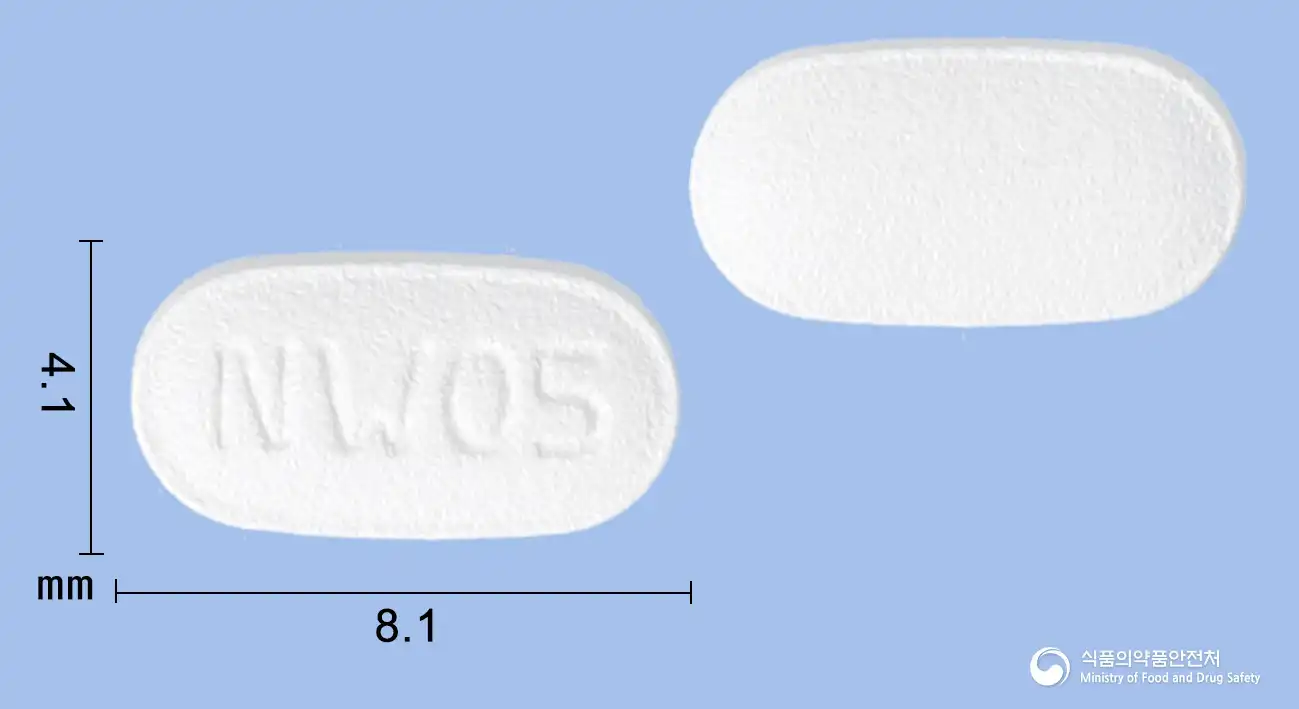
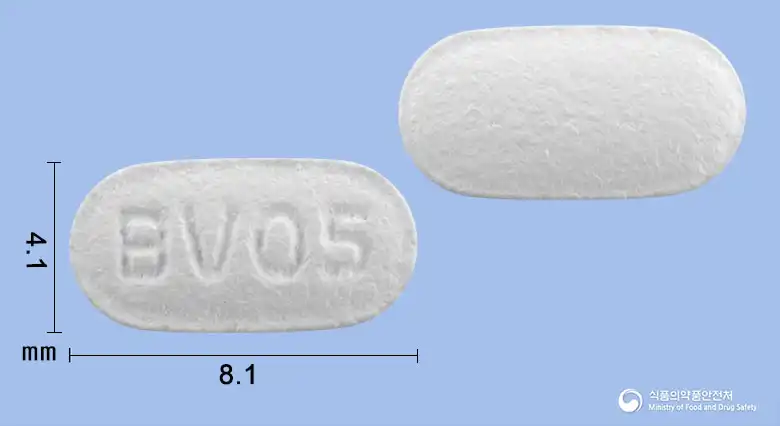
White or grayish-white, double convex, elongated film-coated tablet
Packaging
11 tablets (11 tablets/PTPX1)
Approval status
Active

MFDS item code 201803328 · Approved 2018.08.14

Summary

Main use
Smoking cessation aid
Who takes it
Adults · Children
Adult dose
Patients should set a quit date and start taking this medicine 1 week before that date. Alternatively, they may begin quitting between days 8 and 35 after starting this medicine. The recommended dose of this medicine is as follows: after dose titration over 1 week, administer 1 mg twice daily. Days 1–3 0.5mg once daily Days 4–7 0.5mg twice daily Day 8 until end of treatment 1mg twice daily For patients who cannot tolerate the adverse reactions of this medicine, the dose may be reduced temporarily or permanently. The treatment period with this medicine is 12 weeks. For patients who successfully quit smoking with the first 12 weeks of treatment, it is recommended that this medicine be administered for an additional 12 weeks to increase the likelihood of long-term abstinence. For patients who cannot or do not wish to stop smoking abruptly, consider gradually stopping smoking while taking this medicine. Reduce the amount smoked by 50% from the pretreatment level within the first 4 weeks after starting this medicine, and by a further 50% within the next 4 weeks. Continue to reduce smoking so that complete abstinence can be achieved by week 12. Administer this medicine for an additional 12 weeks for a total treatment period of 24 weeks. Patients who fail to quit smoking with the first 12 weeks of treatment or who resume smoking after treatment should review the reasons for failure and try again. However, there are no data demonstrating the efficacy of an additional 12 weeks of treatment in patients who failed to quit during the first 12 weeks of treatment or resumed smoking after treatment. No dose adjustment is necessary in patients with mild (estimated creatinine clearance > 50 mL/min and ≤ 80 mL/min) to moderate (estimated creatinine clearance ≥ 30 mL/min and ≤ 50 mL/min) renal impairment. In patients with severe renal impairment (estimated creatinine clearance < 30 mL/min), the recommended starting dose of varenicline is 0.5 mg once daily. If needed, the maximum dose is 0.5 mg twice daily. In patients with end-stage renal disease undergoing hemodialysis, if well tolerated, a maximum dose of 0.5 mg once daily may be administered. No dose adjustment is necessary in patients with hepatic impairment. Because renal function is more likely to be decreased in elderly patients, caution should be exercised when selecting the dose, and monitoring renal function may be useful.
Child dose
Patients under 18 years of age: Use is not recommended.

Ingredients

Manufacturer
CTC Bio, Inc.

Efficacy & effects

Smoking cessation aid

View approved original text

This medication is used as adjunct therapy to assist individuals in achieving smoking cessation. It helps alleviate withdrawal symptoms that may occur during the quitting process and reduces the desire to smoke, thereby supporting the resolve to stop smoking. It is therefore used to enhance the effectiveness of smoking cessation treatment and to support successful quitting.

How to take

Adult dose

Patients should set a quit date and start taking this medicine 1 week before that date. Alternatively, they may begin quitting between days 8 and 35 after starting this medicine. The recommended dose of this medicine is as follows: after dose titration over 1 week, administer 1 mg twice daily. Days 1–3 0.5mg once daily Days 4–7 0.5mg twice daily Day 8 until end of treatment 1mg twice daily For patients who cannot tolerate the adverse reactions of this medicine, the dose may be reduced temporarily or permanently. The treatment period with this medicine is 12 weeks. For patients who successfully quit smoking with the first 12 weeks of treatment, it is recommended that this medicine be administered for an additional 12 weeks to increase the likelihood of long-term abstinence. For patients who cannot or do not wish to stop smoking abruptly, consider gradually stopping smoking while taking this medicine. Reduce the amount smoked by 50% from the pretreatment level within the first 4 weeks after starting this medicine, and by a further 50% within the next 4 weeks. Continue to reduce smoking so that complete abstinence can be achieved by week 12. Administer this medicine for an additional 12 weeks for a total treatment period of 24 weeks. Patients who fail to quit smoking with the first 12 weeks of treatment or who resume smoking after treatment should review the reasons for failure and try again. However, there are no data demonstrating the efficacy of an additional 12 weeks of treatment in patients who failed to quit during the first 12 weeks of treatment or resumed smoking after treatment. No dose adjustment is necessary in patients with mild (estimated creatinine clearance > 50 mL/min and ≤ 80 mL/min) to moderate (estimated creatinine clearance ≥ 30 mL/min and ≤ 50 mL/min) renal impairment. In patients with severe renal impairment (estimated creatinine clearance < 30 mL/min), the recommended starting dose of varenicline is 0.5 mg once daily. If needed, the maximum dose is 0.5 mg twice daily. In patients with end-stage renal disease undergoing hemodialysis, if well tolerated, a maximum dose of 0.5 mg once daily may be administered. No dose adjustment is necessary in patients with hepatic impairment. Because renal function is more likely to be decreased in elderly patients, caution should be exercised when selecting the dose, and monitoring renal function may be useful.

Child dose

Patients under 18 years of age: Use is not recommended.

Precautions

This medication is used for the treatment of nicotine dependence and serves an aiding role in smoking cessation. Special attention must be given to mental health while taking this medication. Some patients may experience severe psychiatric symptoms such as depression, anxiety, aggression, hallucinations, or suicidal thoughts, and should consult a doctor immediately if these symptoms occur. Patients with a history of psychiatric illness must inform their doctor before taking this medication and continuously monitor their mental health during treatment. Pregnant or breastfeeding women should use this medication with caution, as the safety of its use during pregnancy has not been established. This medication can cause various side effects such as nausea, headaches, insomnia, and abnormal dreams, with nausea being particularly common. It is advisable to gradually increase the dose at the beginning of treatment to minimize the occurrence of side effects. Caution should be taken when engaging in activities that require alertness, such as driving or operating machinery, as drowsiness or dizziness may occur. This medication has relatively few drug interactions, but alcohol consumption may exacerbate side effects, so it is advisable to avoid or limit alcohol intake while on this medication. Elderly patients with impaired kidney function may require dose adjustments, and it is important to regularly monitor kidney function. In case of overdose, immediate medical attention should be sought, and appropriate treatment will be provided as needed. This medication is not recommended for children and should be stored out of reach of children. If unusual behavior or mood changes occur during treatment, immediate consultation with a healthcare professional is advised to avoid confusion with nicotine withdrawal symptoms that may appear when quitting smoking.

Side effects

  • Suicidal ideation
  • suicidal behavior
  • suicide
  • changes in actions or thoughts
  • depression
  • mania
  • mood changes
  • psychosis
  • aggressive behavior
  • hallucinations
Show 279 more
  • paranoia
  • delusions
  • thoughts of murder
  • hostility
  • restlessness
  • anxiety
  • panic state
  • discomfort
  • depressive mood
  • insomnia
  • irritability
  • frustration
  • anger
  • difficulty concentrating
  • restlessness
  • decreased heart rate
  • increased appetite
  • weight gain
  • decreased platelet count
  • weight gain
  • decreased appetite
  • increased appetite
  • abnormal dreams
  • insomnia
  • abnormal thoughts
  • restlessness
  • mood changes
  • decreased libido
  • discomfort
  • mental lethargy
  • headache
  • drowsiness
  • dizziness
  • taste abnormalities
  • tremors
  • excessive sleepiness
  • sensory loss
  • speech disorder
  • motor coordination disorder
  • taste reduction
  • circadian rhythm sleep disorder
  • conjunctivitis
  • eye pain
  • scotoma
  • photophobia
  • tinnitus
  • angina
  • tachycardia
  • palpitations
  • increased heart rate
  • atrial fibrillation
  • ECG ST segment depression
  • ECG T wave amplitude reduction
  • increased blood pressure
  • facial flushing
  • upper respiratory tract disorders
  • dyspnea
  • cough
  • upper respiratory tract inflammation
  • airway congestion
  • voice disorders
  • allergic rhinitis
  • throat irritation
  • sinus congestion
  • upper respiratory cough syndrome
  • runny nose
  • snoring
  • nausea
  • gastroesophageal reflux disease
  • vomiting
  • constipation
  • diarrhea
  • abdominal distension
  • abdominal pain
  • toothache
  • dyspepsia
  • flatulence
  • dry mouth
  • passage of blood in stools
  • gastritis
  • burping
  • aphthous stomatitis
  • gum pain
  • hematemesis
  • rash
  • itching
  • erythema
  • acne
  • hyperhidrosis
  • arthralgia
  • myalgia
  • back pain
  • muscle cramps
  • joint stiffness
  • frequent urination
  • nocturia
  • diabetes
  • polyuria
  • heavy menstrual bleeding
  • sexual dysfunction
  • chest pain
  • fatigue
  • chest discomfort
  • influenza-like illness
  • fever
  • weakness
  • lethargy
  • liver function test abnormality
  • anemia
  • lymphadenopathy
  • leukocytosis
  • splenomegaly
  • arrhythmia
  • bradycardia
  • ventricular ectopic contractions
  • myocardial infarction
  • heart flutter
  • coronary artery disease
  • pulmonary heart disease
  • acute coronary syndrome
  • dizziness
  • hearing loss
  • Meniere's disease
  • thyroid disorders
  • dry eyes
  • eye irritation
  • blurred vision
  • vision disorders
  • acquired night blindness
  • transient vision loss
  • subcapsular cataract
  • ocular vascular disease
  • vitreous floaters
  • gingivitis
  • dysphagia
  • enterocolitis
  • gastrointestinal bleeding
  • oral ulcers
  • esophagitis
  • peptic ulcers
  • intestinal obstruction
  • acute pancreatitis
  • edema
  • thirst
  • chills
  • gallbladder disease
  • hypersensitivity reactions
  • drug hypersensitivity reactions
  • ECG abnormalities
  • muscle enzyme increase
  • urinalysis abnormalities
  • diabetes
  • hyperlipidemia
  • hypokalemia
  • hyperkalemia
  • hypoglycemia
  • muscle cramps
  • musculoskeletal pain
  • arthritis
  • osteoporosis
  • myositis
  • attention deficit disorder
  • sensory disturbances
  • amnesia
  • migraine
  • olfactory abnormalities
  • psychomotor agitation
  • restless legs syndrome
  • syncope
  • balance disorders
  • cerebrovascular events
  • seizures
  • facial nerve paralysis
  • mental disorders
  • multiple sclerosis
  • eyelid twitching
  • psychomotor dysfunction
  • transient ischemic attack
  • visual field defects
  • anxiety
  • depression
  • emotional disorders
  • irritability
  • aggression
  • restlessness
  • disorientation
  • dissociation
  • euphoria
  • hallucinations
  • suicidal ideation
  • nephrolithiasis
  • abnormal urine
  • urethral syndrome
  • acute renal failure
  • urinary retention
  • erectile dysfunction
  • epistaxis
  • respiratory diseases
  • asthma
  • pleurisy
  • pulmonary embolism
  • dermatitis
  • dry skin
  • eczema
  • psoriasis
  • urticaria
  • phototoxic reactions
  • hypotension
  • peripheral ischemia
  • thromboembolism
  • insomnia
  • sleep disturbances
  • nightmares
  • excessive dreaming
  • sleep disturbances
  • nightmares
  • anxiety
  • abnormal thoughts
  • hallucinations
  • headache
  • drowsiness
  • dizziness
  • mental fog
  • taste abnormalities
  • syncope
  • fatigue
  • lethargy
  • weakness
  • chest discomfort
  • chest pain
  • decreased appetite
  • anorexia
  • increased appetite
  • itching
  • dyspnea
  • increased sputum
  • myalgia
  • gum swelling
  • nipple pain
  • seizures
  • traffic accidents
  • drowsiness
  • loss of consciousness
  • decreased concentration
  • gratitude
  • sleep disturbances
  • increased irritability
  • gratitude
  • death due to overdose of illegal drugs
  • angioedema
  • Stevens-Johnson syndrome
  • erythema multiforme
  • cerebrovascular events
  • myocardial infarction
  • unstable angina
  • insomnia
  • anxiety
  • abnormal thoughts
  • neuritis
  • syncope
  • pneumonia exacerbation
  • arterial stenosis
  • mental fog
  • excessive dreaming
  • increased sputum
  • malignant neoplasm exacerbation
  • lack of efficacy
  • unpleasant feelings
  • mental anguish
  • hair loss
  • cognitive impairment
  • coldness
  • worsening condition
  • stimulation
  • burning sensation
  • decreased blood pressure
  • increased blood pressure
  • hypermuscle tension
  • gastric ulcer

Not everyone experiences these, and they can vary from person to person.

Storage

This medication should be stored in a tightly closed container to avoid contact with air or moisture. It is best kept at room temperature between 1 to 30 degrees Celsius.

Appearance and packaging

Appearance

White or grayish-white, double convex, elongated film-coated tablet

Package unit

11 tablets (11 tablets/PTPX1)

Same-ingredient medicines

Even with the same ingredient, strength, dosage form and how it is taken can differ.

Even with the same ingredient, the dose and directions can differ by strength and dosage form. Talk to a doctor or pharmacist before switching from a medication you are already taking.

Questions about this medicine

No questions yet.

For anything that needs medical judgment, consult a doctor or pharmacist.

Related searches

Search tags

Suggested searches

This drug information is based on data provided by the Korea Ministry of Food and Drug Safety.
Consult a doctor or pharmacist for accurate dosage, administration, and usage instructions.