
 한국어
 English
 日本語
 中文(简体)
Dosage form image
Viewing nowNicost 1 mg Tablets (Varenicline Salicylate)
Varenicline Salicylate
Prescription medication
JW Pharmaceutical Co., Ltd.
MFDS item code 201803326 · Approved 2018.08.14
This product's status changed to Expired on 2023.08.14. It may no longer be sold, so consult a doctor or pharmacist before taking it.
Smoking cessation aid
This medication is used as an adjunct therapy for smoking cessation. It helps individuals who wish to quit smoking by alleviating withdrawal symptoms and reducing cravings. It contributes to improving the success rate of quitting smoking. Therefore, it is one of the important treatment methods supporting smoking cessation.
1. Usual dose for adults Smoking cessation treatment is more likely to be successful in patients who are motivated to quit and receive additional advice and support. Provide patients with appropriate educational materials to support their quit attempt and offer counseling. Patients should set a quit date and start taking this medicine 1 week before that date. Alternatively, they may begin quitting between days 8 and 35 after starting this medicine. Take this medicine after meals with plenty of water. The recommended dose of this medicine is as follows: after dose titration over 1 week, administer 1 mg twice daily. Days 1–3 0.5 mg once daily Days 4–7 0.5 mg twice daily Day 8 until end of treatment 1 mg twice daily For patients who cannot tolerate the adverse reactions of this medicine, the dose may be reduced temporarily or permanently. The treatment period with this medicine is 12 weeks. For patients who successfully quit smoking with the first 12 weeks of treatment, it is recommended that this medicine be administered for an additional 12 weeks to increase the likelihood of long-term abstinence. For patients who cannot or do not wish to stop smoking abruptly, consider gradually stopping smoking while taking this medicine. Reduce the amount smoked by 50% from the pretreatment level within the first 4 weeks after starting this medicine, and by a further 50% within the next 4 weeks. Continue to reduce smoking so that complete abstinence can be achieved by week 12. Administer this medicine for an additional 12 weeks for a total treatment period of 24 weeks. Encourage patients to stop smoking sooner if they feel ready. Patients who fail to quit smoking with the first 12 weeks of treatment or who resume smoking after treatment should review the reasons for failure and try again. However, there are no data demonstrating the efficacy of an additional 12 weeks of treatment in patients who failed to quit during the first 12 weeks of treatment or resumed smoking after treatment. 2. Patients with renal impairment No dose adjustment is necessary in patients with mild (estimated creatinine clearance > 50 mL/min and ≤ 80 mL/min) to moderate (estimated creatinine clearance ≥ 30 mL/min and ≤ 50 mL/min) renal impairment. In patients with severe renal impairment (estimated creatinine clearance < 30 mL/min), the recommended starting dose of varenicline is 0.5 mg once daily. If needed, the maximum dose is 0.5 mg twice daily. In patients with end-stage renal disease undergoing hemodialysis, if well tolerated, a maximum dose of 0.5 mg once daily may be administered. 3. Elderly patients and patients with hepatic impairment No dose adjustment is necessary in patients with hepatic impairment. Because renal function is more likely to be decreased in elderly patients, caution should be exercised when selecting the dose, and monitoring renal function may be useful.
Use is not recommended in patients under 18 years of age.
This drug works on nicotinic acetylcholine receptors to assist in smoking cessation. During treatment, psychological symptoms such as depression, suicidal thoughts, aggression, and hallucinations may occur, so mental status should be carefully monitored. Patients with a history of psychiatric disorders should inform their doctor before starting treatment, and any unusual symptoms should prompt immediate consultation with a physician. This medication should only be used during pregnancy if absolutely necessary, considering the potential risks to the fetus, and breastfeeding mothers should be cautious as the drug may pass into breast milk. Common side effects such as nausea, headache, insomnia, abnormal dreams, and dyspepsia may occur, so if symptoms are severe, medical advice should be sought. Patients with cardiovascular diseases should be carefully monitored as the risk of cardiac adverse reactions may increase with this medication. When engaging in hazardous activities such as driving or operating machinery, caution should be exercised due to potential drowsiness, dizziness, and decreased concentration. Drug interactions are minimal; however, no special dosage adjustments are required when taken with warfarin, digoxin, and metformin. Alcohol consumption may lead to unusual behavior or memory loss, so it is advisable to avoid or minimize alcohol intake during treatment. In case of overdose, visit a medical facility immediately for appropriate treatment, and keep out of reach of children. Elderly or patients with impaired kidney function may require dosage adjustments, so they should follow their doctor's instructions. This medication is not recommended for patients under 18 years of age as safety and efficacy have not been established.
Suicidal ideation, suicidal behavior, suicide, changes in behavior or thoughts, depression, mania, mood changes, psychosis, aggressive behavior, hallucinations, paranoia, delusions, homicidal ideation, hostility, restlessness, anxiety, panic state, discomfort, depressed mood, insomnia, irritability, frustration, anger, difficulties concentrating, fidgeting, decreased heart rate, increased appetite, weight gain, decreased platelet count, weight gain, decreased appetite, increased appetite, abnormal dreams, insomnia, abnormal thoughts, fidgeting, mood changes, decreased libido, discomfort, mental slowness, headache, drowsiness, dizziness, dysgeusia, tremors, hypersomnia, sensory impairment, dysarthria, motor coordination impairment, taste reduction, circadian rhythm sleep disorder, conjunctivitis, eye pain, scotoma, photophobia, tinnitus, angina, tachycardia, palpitations, increased heart rate, atrial fibrillation, electrocardiogram ST segment depression, electrocardiogram T-wave amplitude reduction, increased blood pressure, facial flushing, upper respiratory tract disorders, dyspnea, cough, upper respiratory tract inflammation, airway congestion, voice disorders, allergic rhinitis, throat irritation, sinus congestion, upper respiratory cough syndrome, runny nose, snoring, nausea, gastroesophageal reflux disease, vomiting, constipation, diarrhea, abdominal bloating, abdominal pain, toothache, dyspepsia, flatulence, dry mouth, blood in stool, gastritis, belching, aphthous stomatitis, gum pain, hematemesis, rash, itching, erythema, acne, hyperhidrosis, arthralgia, myalgia, back pain, muscle cramps, joint stiffness, frequent urination, nocturia, diabetes, polyuria, heavy menstrual bleeding, sexual dysfunction, chest pain, fatigue, chest discomfort, influenza-like illness, fever, weakness, lethargy, abnormal liver function tests, anemia, lymphadenopathy, leukocytosis, thrombocytopenia, splenomegaly, arrhythmia, bradycardia, ventricular ectopy, myocardial infarction, heart flutter, coronary artery disease, pulmonary heart disease, acute coronary syndrome, dizziness, hearing loss, Meniere's disease, thyroid disease, dry eyes, eye irritation, blurred vision, visual impairment, acquired night blindness, transient visual loss, cloudy cataract, vascular diseases of the eye, vitreous floaters, gingivitis, dysphagia, enterocolitis, gastrointestinal bleeding, oral ulcer, esophagitis, peptic ulcer, intestinal obstruction, acute pancreatitis, edema, thirst, chills, gallbladder disease, hypersensitivity, drug hypersensitivity, abnormal electrocardiogram, increased muscle enzymes, abnormal urinalysis, diabetes mellitus, hyperlipidemia, hypokalemia, hyperkalemia, hypoglycemia, muscle spasms, musculoskeletal pain, arthritis, osteoporosis, myositis, attention deficit disorder, sensory disorders, amnesia, migraine, olfactory disturbance, psychomotor hyperactivity, restless legs syndrome, syncope, balance disorders, cerebrovascular events, seizures, facial nerve paralysis, mental disorders, multiple sclerosis, eye twitching, psychomotor dysfunction, transient ischemic attack, visual field defect, anxiety, depression, emotional disorders, hyperreactivity, aggressiveness, restlessness, disorientation, dissociation, euphoria, hallucinations, suicidal ideation, nephrolithiasis, abnormal urine, urethral syndrome, acute renal failure, urinary retention, menstrual disorders, erectile dysfunction, bleeding, respiratory diseases, asthma, pleurisy, pulmonary embolism, dermatitis, dry skin, eczema, psoriasis, urticaria, photosensitivity reactions, hypotension, peripheral ischemia, thrombosis, sleep disorders, increased hypersensitivity, traffic accident, near traffic accident, drowsiness, dizziness, loss of consciousness, decreased concentration, sense of relief, excessive dreaming, sleep disturbances, nightmares, excessive dreaming, neuritis, exacerbation of pneumonia, arterial stenosis, hair loss, memory anomalies, coldness, worsening condition, irritation, burning sensation, decreased blood pressure, increased blood pressure, excessive muscle tension, gastric ulcer, excitement, waking up in the early morning, oropharyngeal headache, cheilitis, gum swelling, papillitis, ischemic and hemorrhagic reactions, cerebrovascular events, myocardial infarction, angioedema, Stevens-Johnson syndrome, erythema multiforme, seizures
Not everyone experiences these, and they can vary from person to person.
This medication should be stored in a tightly sealed container to protect it from air and moisture. The recommended storage temperature is room temperature between 1°C and 30°C.
Light blue, bilaterally convex, rectangular film-coated tablet
28 tablets (14 tablets/PTP×2)
Even with the same ingredient, strength, dosage form and how it is taken can differ.
Varenicline Salicylate
Prescription medication
JW Pharmaceutical Co., Ltd.
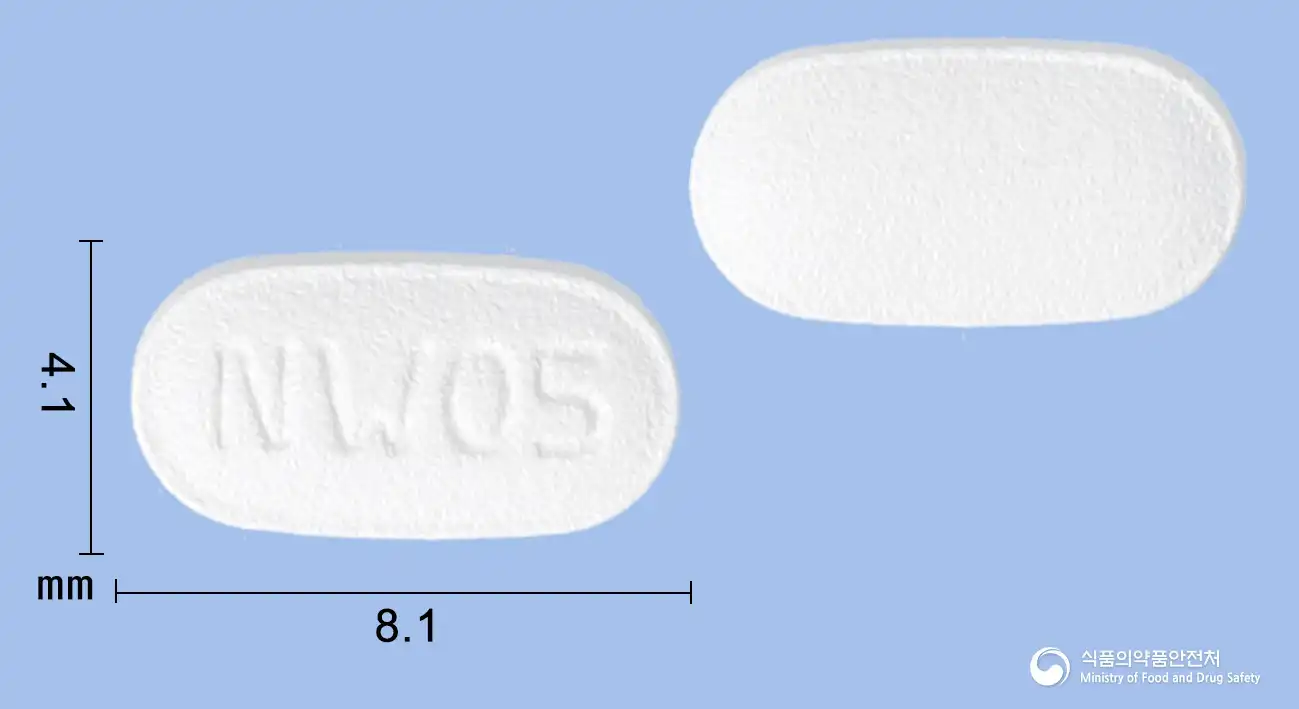
Varenicline Salicylate 0.825mg
Tablet · Prescription medication
McNulty Pharmaceuticals Co., Ltd.
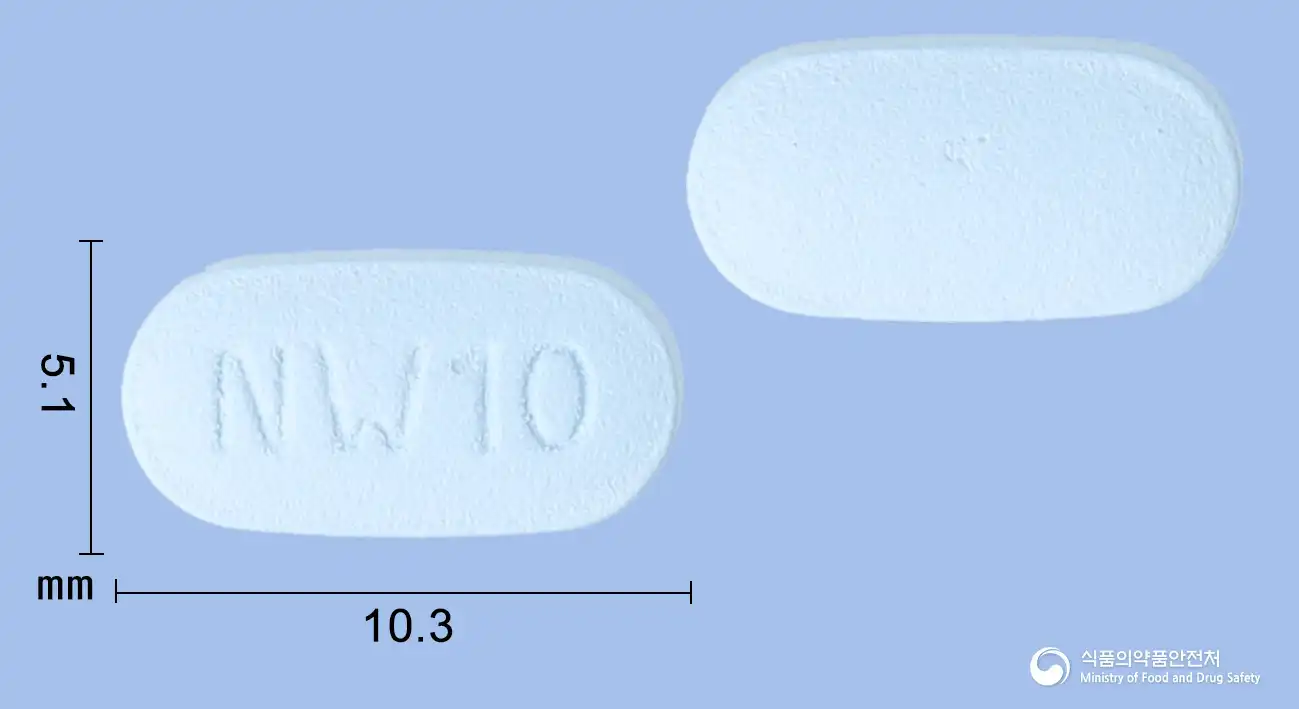
Varenicline Salicylate 1.65mg
Tablet · Prescription medication
McNulty Pharma Co., Ltd.
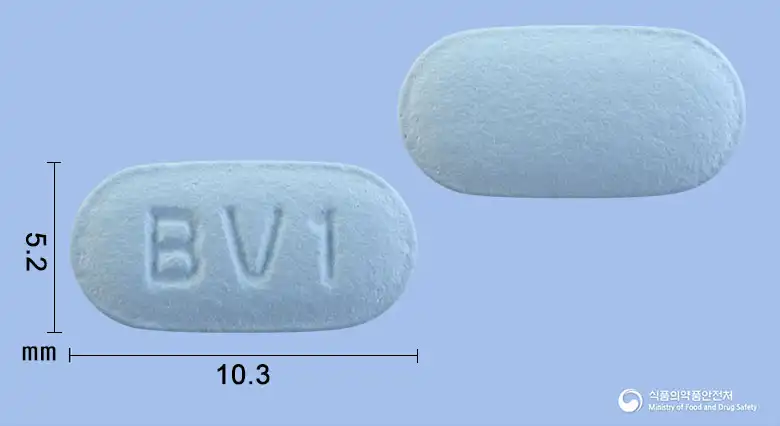
Varenicline Salicylate 1.65mg
Tablet · Prescription medication
Boryung Pharmaceutical Co., Ltd.
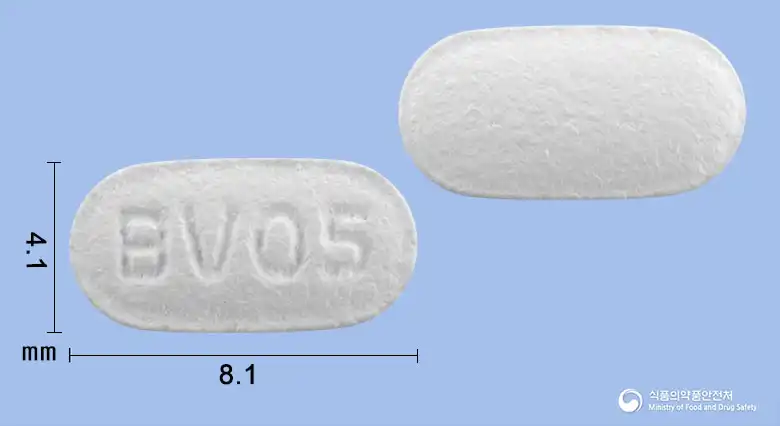
Varenicline Salicylate 0.825mg
Tablet · Prescription medication
Boryung Pharmaceutical Co., Ltd.
Varenicline Salicylate
Prescription medication
Korea Pavice Pharmaceuticals Co., Ltd.
Varenicline Salicylate
Prescription medication
HanKook Pavis Pharmaceutical Co., Ltd.
Varenicline Salicylate
Prescription medication
Samjin Pharmaceutical Co., Ltd.
Even with the same ingredient, the dose and directions can differ by strength and dosage form. Talk to a doctor or pharmacist before switching from a medication you are already taking.
No questions yet.
For anything that needs medical judgment, consult a doctor or pharmacist.
This drug information is based on data provided by the Korea Ministry of Food and Drug Safety.
Consult a doctor or pharmacist for accurate dosage, administration, and usage instructions.