
 한국어
한국어 English
 日本語
日本語 中文(简体)
 Viewing nowCombination
Ritamezin 2.5/500 mg
Linagliptin 2.5mg · Metformin Hydrochloride 500mg
Tablet · Prescription medication · Combination
Kyungdong Pharmaceutical Co., Ltd.
MFDS item code 201803142 · Approved 2018.07.30 · Insurance code 648104090
Improvement of blood glucose control in type 2 diabetes
This medicine helps control blood sugar levels in patients with type 2 diabetes by using linagliptin and metformin together. It can effectively manage blood glucose levels when administered alongside diet and exercise. This helps to maintain stable blood sugar levels. Patients can expect good results by consistently taking the medication along with lifestyle improvements. This medicine is used to improve blood glucose control in patients with type 2 diabetes.
The dosage of this medication should be determined based on each component's maximum recommended dose of linagliptin 2.5 mg and metformin 1000 mg, not exceeding two doses per day, considering the patient's current treatment regimen, efficacy, and tolerability. This medication is administered twice daily with meals. To reduce gastrointestinal side effects associated with metformin, dosage increases should be gradual. 1. If currently not treated with metformin: If the patient has no prior experience with diabetes medication and sufficient blood glucose control is difficult with monotherapy, the initial dose of this medication 2.5/500 mg should be administered twice daily, 1 tablet at a time, and it can be increased to 2.5/1000 mg, 1 tablet twice daily. 2. For patients transitioning from a combination therapy of linagliptin and metformin: Patients transitioning from a combination of linagliptin and metformin to this medication should take the same dosage as their previous linagliptin and metformin regimen. 3. For patients unable to achieve sufficient blood glucose control with insulin and metformin combination therapy: The initial dose of this medication should be considered similar to linagliptin 2.5 mg administered twice daily (total daily 5 mg) along with the existing metformin dosing. When administered with insulin, insulin dosage reductions may be required to minimize the risk of hypoglycemia (refer to precautions in 3. Caution in administration for patients). Studies on the safety and efficacy of transitioning from other oral hypoglycemic agents to this medication have not been conducted. Any changes to type 2 diabetes treatment regimens could affect blood glucose control, so caution should be exercised, and appropriate monitoring should be performed. Patients with renal impairment: This medication can be used in patients with moderate renal impairment stage 3a (creatinine clearance [CrCl] 45 ≤ < 60 ml/min or estimated glomerular filtration rate [eGFR] 45 ≤ < 60 mL/min/1.73 m2) if they do not exhibit any other symptoms that may increase the risk of lactic acidosis. Metformin's starting dose should be administered once daily at 500 mg or 850 mg; treatment should not be initiated using this medication. The maximum recommended dose of metformin is 500 mg twice daily. Renal function should be closely monitored every 3-6 months. If CrCl < 45 ml/min or eGFR < 45 ml/min/1.73 m2 indicates reduced renal function, this medication should be stopped immediately. Patients with liver impairment: This medication should not be administered to patients with liver dysfunction due to its metformin component (refer to precautions 2. Do not administer to the following patients).
This medication is intended to help manage blood sugar levels. Before taking this medicine, caution is advised as there is a rare but serious side effect called lactic acidosis that may occur. Lactic acidosis is a condition that occurs when there is an excessive buildup of lactic acid in the body, and without prompt treatment, it can be life-threatening. This medicine should not be administered to certain patients. For example, it is safe not to use if the patient is allergic to any of the ingredients or if they are a type 1 diabetes patient, a patient with severe renal impairment, a patient with acute heart disease or liver dysfunction, or if they are pregnant or nursing. When taken with other medications that pose a hypoglycemic risk, patients should be cautious of hypoglycemic symptoms and may need to adjust the dosages of other medications as necessary. Kidney function may decline, so renal status should be monitored regularly through blood tests, and this medication should be discontinued if kidney function significantly decreases. Patients with compromised heart function should use this medicine with caution according to their doctor's instructions, and this medication may need to be temporarily discontinued before and after surgery or radiation tests. During the use of this medicine, acute pancreatitis or skin blistering conditions may occur, and patients should notify healthcare providers immediately if they experience abdominal pain or skin abnormalities. Long-term use may decrease vitamin B12 levels, so if patients experience symptoms of anemia or neurological symptoms, they should be tested for vitamin B12 deficiency. This medication may interact with other drugs, so patients must inform their doctor or pharmacist of any other medications they are taking. It is advised that pregnant or nursing women should not use this medication; instead, if blood sugar control is necessary, it is safer to follow the doctor's orders for insulin treatment. The safety and effectiveness of this medicine in children and adolescents have not been sufficiently confirmed, so its use is not recommended. The elderly often experience decreased renal function, so dosage adjustments and regular monitoring of renal function are required. In case of overdose, the risk of lactic acidosis increases, and immediate hospital treatment is required, which may include blood dialysis if necessary. This medication should be kept out of reach of children, stored away from moisture, and should not be transferred to another container.
Not everyone experiences these, and they can vary from person to person.
This medication is sensitive to air and moisture, so it should be stored in a tightly sealed container. It is also advisable to store it at room temperature between 1 degree and 30 degrees. This will help maintain the effectiveness of the medication over time.
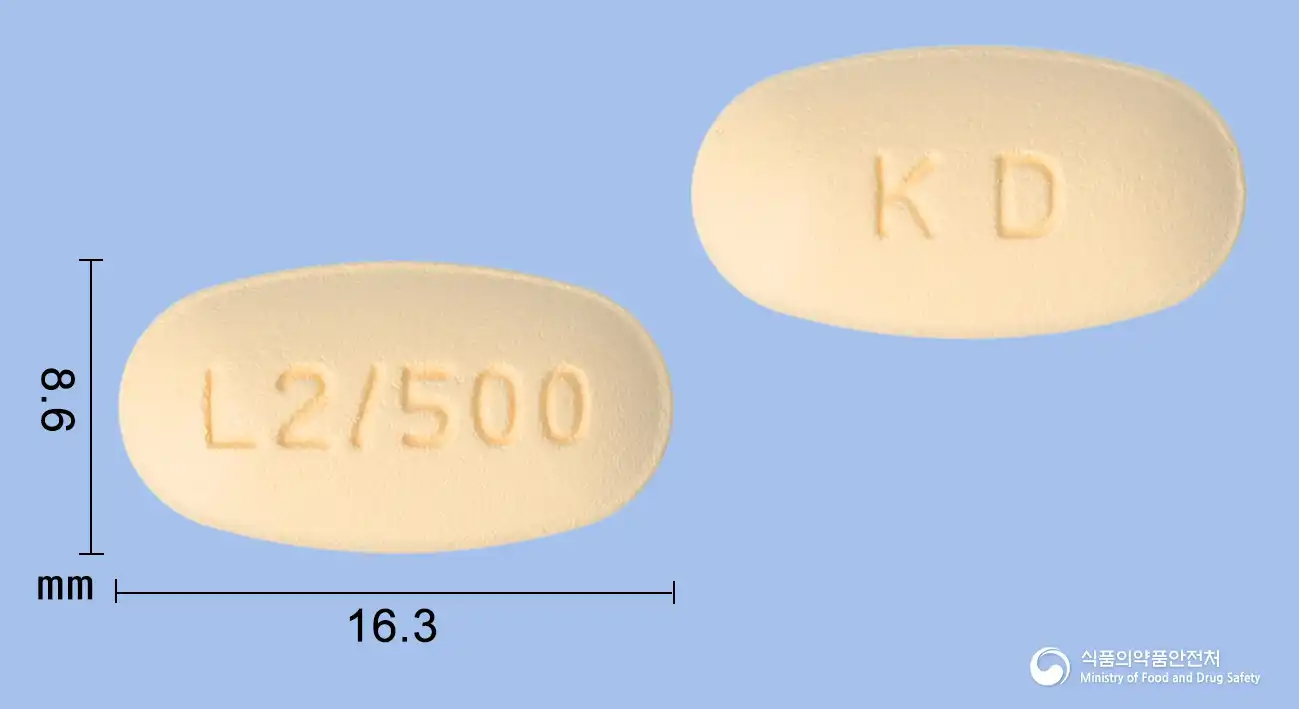
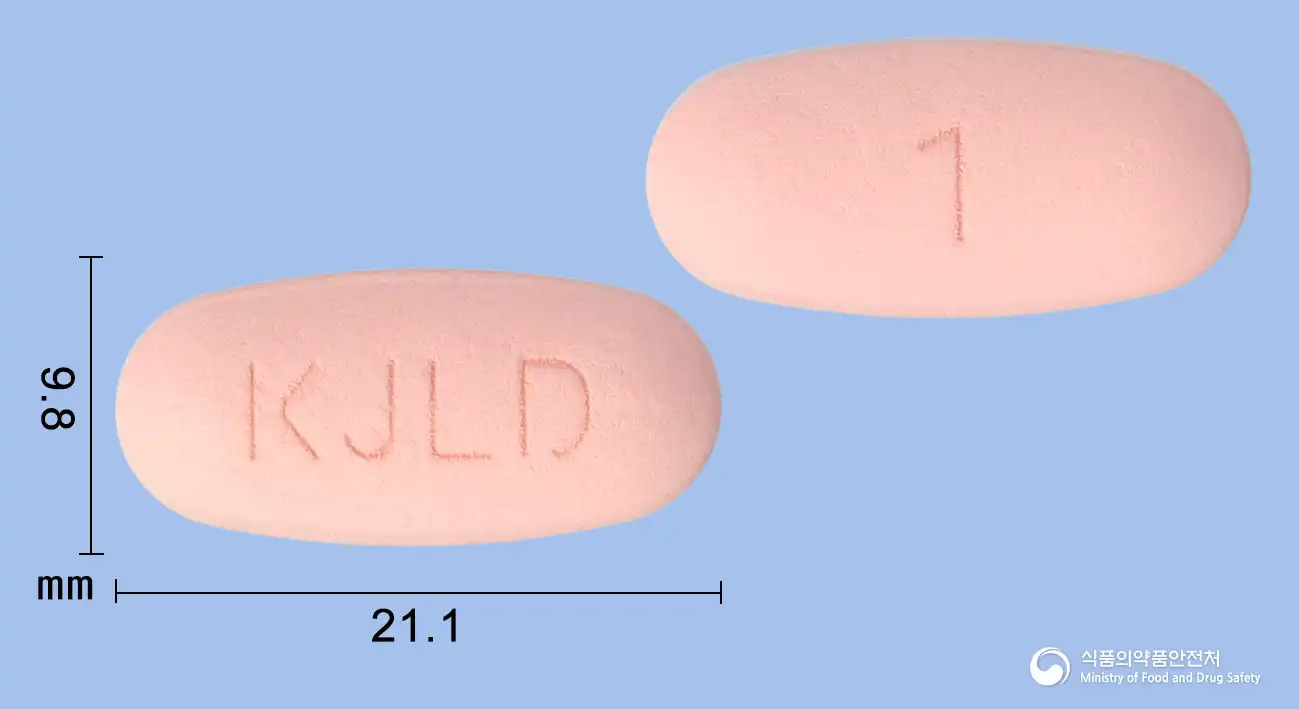
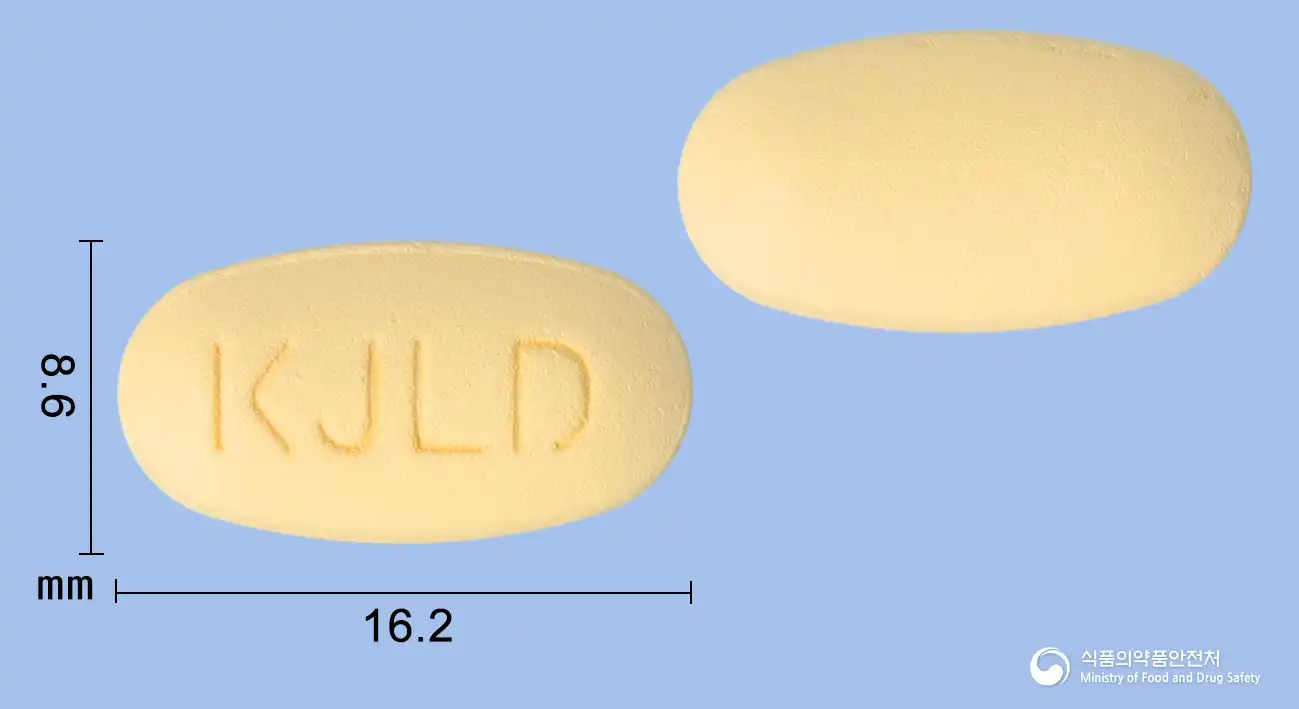
Bright yellow, biconvex, oval-shaped film-coated tablet
30 tablets/bottle, 60 tablets/bottle
Even with the same ingredient, strength, dosage form and how it is taken can differ.
Viewing nowCombinationLinagliptin 2.5mg · Metformin Hydrochloride 500mg
Tablet · Prescription medication · Combination
Kyungdong Pharmaceutical Co., Ltd.
 Combination
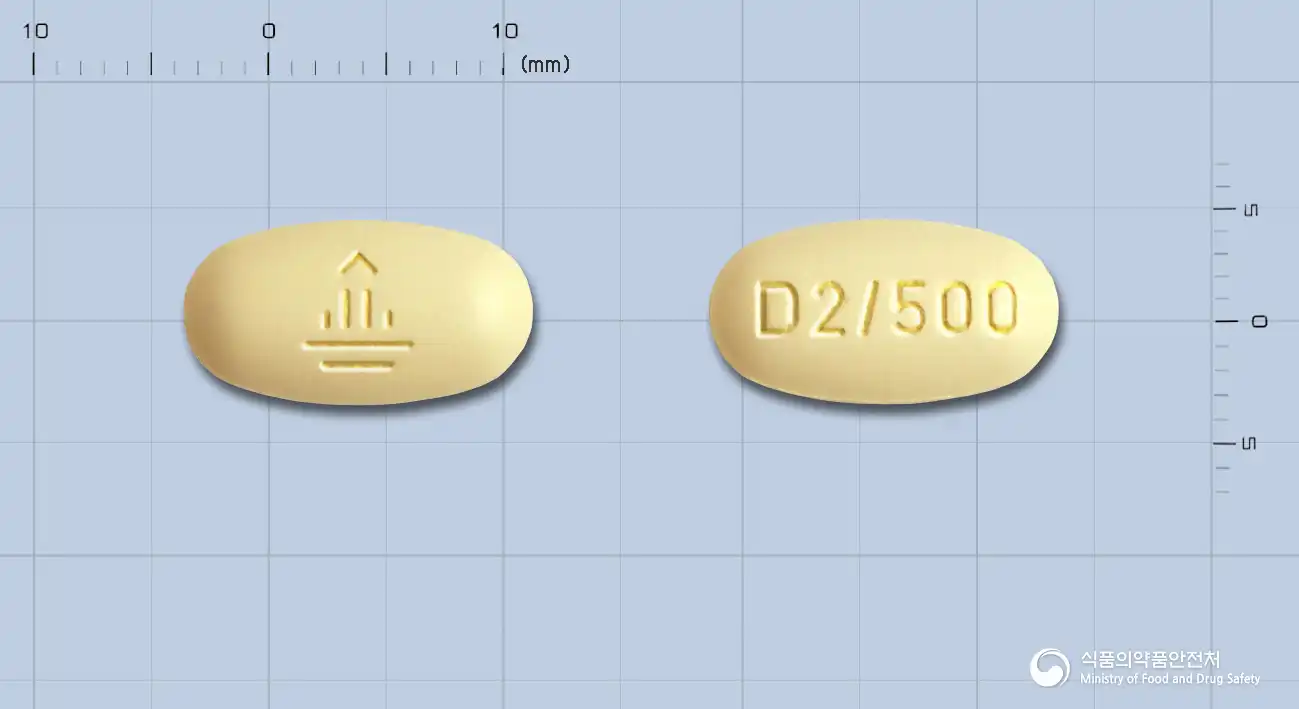
Linagliptin 2.5mg · Metformin Hydrochloride 500mg
Tablet · Prescription medication · Combination
Boehringer Ingelheim Korea Co., Ltd.
 Combination
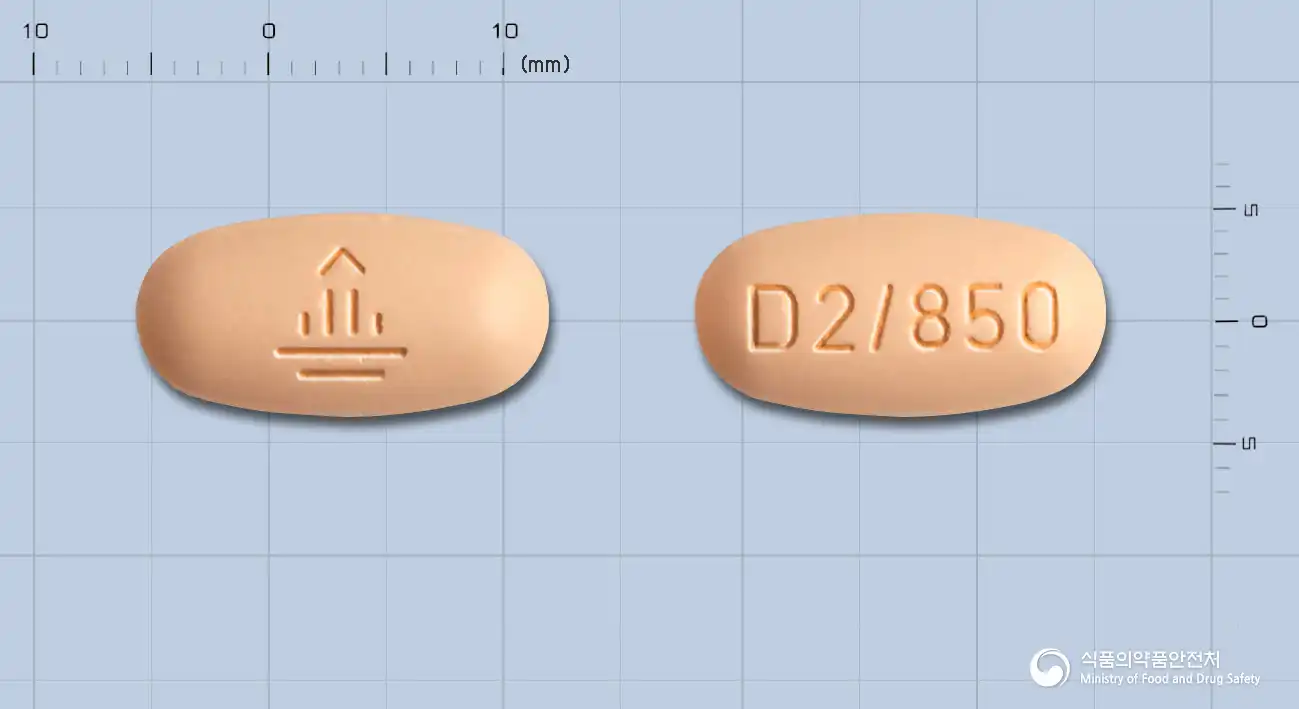
Linagliptin 2.5mg · Metformin Hydrochloride 850mg
Tablet · Prescription medication · Combination
Boehringer Ingelheim Korea Co., Ltd.
 Combination
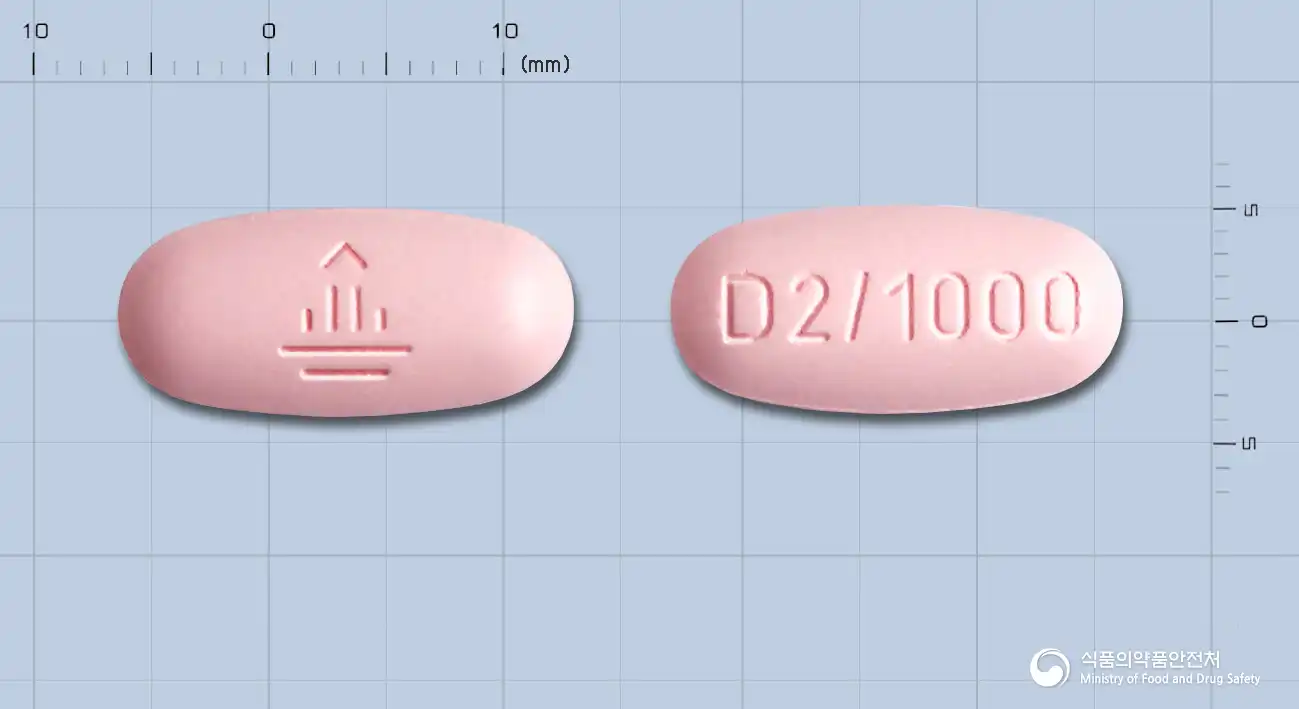
Linagliptin 2.5mg · Metformin Hydrochloride 1000mg
Tablet · Prescription medication · Combination
Boehringer Ingelheim Korea Co., Ltd.
Linagliptin 2.5mg · Metformin Hydrochloride 1000mg
Tablet · Prescription medication · Combination
Anguk Pharm Co., Ltd.
Linagliptin 2.5mg · Metformin Hydrochloride 1000mg
Prescription medication · Combination
Hanmi Pharmaceutical Co., Ltd.
 Combination
Linagliptin 2.5mg · Metformin Hydrochloride 1000mg
Tablet · Prescription medication · Combination
Kukje Pharmaceutical Co., Ltd.
 Combination
Linagliptin 2.5mg · Metformin Hydrochloride 500mg
Tablet · Prescription medication · Combination
International Pharmaceutical Co., Ltd.
Even with the same ingredient, the dose and directions can differ by strength and dosage form. Talk to a doctor or pharmacist before switching from a medication you are already taking.
No questions yet.
For anything that needs medical judgment, consult a doctor or pharmacist.
This drug information is based on data provided by the Korea Ministry of Food and Drug Safety.
Consult a doctor or pharmacist for accurate dosage, administration, and usage instructions.