
 한국어
 English
 日本語
 中文(简体)
Summary
- Main use
- Prevention of acute and delayed nausea and vomiting associated with chemotherapy
- Who uses it
- Adults
- Adult dosage
- Adults Administer 1 capsule of this medicine approximately 1 hour before starting chemotherapy. When this medicine is coadministered with dexamethasone, reduce the dose of oral dexamethasone by approximately 50 % (see sections 5. Drug Interactions and 10. Information for Healthcare Professionals in Precautions for Use). Swallow this medicine whole. This medicine may be taken with or without food. Patients with renal impairment No dose adjustment is necessary in patients with mild to moderate renal impairment. Avoid use in patients with severe renal impairment or end-stage renal disease requiring hemodialysis, as clinical data are unavailable. Patients with hepatic impairment No dose adjustment is necessary in patients with mild to moderate hepatic impairment (Child-Pugh score 5~8). Clinical data in patients with severe hepatic impairment (Child-Pugh score ≥9) are limited; therefore, use this medicine with caution in these patients.
Ingredients
- Importer
- HK inno.N corporation
Efficacy & effects
Prevention of acute and delayed nausea and vomiting associated with chemotherapy
- Nausea
- vomiting
View approved original textHide original text
This medication is used to prevent acute and delayed nausea and vomiting that may occur when adult patients first start or continue to receive chemotherapy that can cause severe vomiting. It is also effective for the same purpose in patients receiving moderately emetogenic chemotherapy. Thus, it helps reduce uncomfortable symptoms caused by cancer treatment and facilitates the smooth progression of therapy.
Dosage and Administration
Adult dosage
Adults Administer 1 capsule of this medicine approximately 1 hour before starting chemotherapy. When this medicine is coadministered with dexamethasone, reduce the dose of oral dexamethasone by approximately 50 % (see sections 5. Drug Interactions and 10. Information for Healthcare Professionals in Precautions for Use). Swallow this medicine whole. This medicine may be taken with or without food. Patients with renal impairment No dose adjustment is necessary in patients with mild to moderate renal impairment. Avoid use in patients with severe renal impairment or end-stage renal disease requiring hemodialysis, as clinical data are unavailable. Patients with hepatic impairment No dose adjustment is necessary in patients with mild to moderate hepatic impairment (Child-Pugh score 5~8). Clinical data in patients with severe hepatic impairment (Child-Pugh score ≥9) are limited; therefore, use this medicine with caution in these patients.
Precautions
This medication should not be used in patients who are allergic to this drug or its components. Pregnant women should not take this medication, and women who may become pregnant should avoid pregnancy while taking this medication. Patients with genetic issues such as fructose intolerance or glucose-galactose malabsorption, or sucrase-isomaltase deficiency should also refrain from using this medication. This drug should be used with caution in patients who have had allergic reactions to other selective 5-HT3 receptor antagonists. Patients with constipation or symptoms of bowel obstruction should also take care when using this medication. Caution is also required when taking serotonin medications such as selective serotonin reuptake inhibitors (SSRIs) or serotonin-norepinephrine reuptake inhibitors (SNRIs). Patients taking medications that can affect heart rhythm or those with prolonged QT intervals should use this medication with caution. Particular care is needed for patients with severely impaired liver function, those taking specific medications in combination, patients with severely reduced kidney function, and elderly patients over 75 years old. Additionally, patients with allergies to peanuts or soybeans should carefully monitor for allergic reactions due to soybean-derived ingredients in this medication. Common side effects of this medication may include headache, constipation, and fatigue. Rarely, various side effects such as blood abnormalities, mental changes, heart rhythm disturbances, digestive disorders, and skin rashes have been reported. Patients with severe constipation should monitor bowel function closely after taking this medication, as serious neurological side effects such as serotonin syndrome may occur when taking it alongside serotonin medications. Patients with a history of QT interval prolongation should consult with their doctor before taking this medication due to the risk of QT interval prolongation. This medication is metabolized by certain enzymes (CYP3A4) in the liver, so taking it with other medications that inhibit or activate this enzyme may alter the effectiveness or side effects of this medication. Caution is particularly needed when used in combination with certain anticancer drugs, immunosuppressants, antibiotics, sedatives, etc. This medication may cause dizziness, drowsiness, or fatigue while driving or operating hazardous machinery, so it should be avoided if these symptoms occur. Pregnant or breastfeeding women should not take this medication, and if breastfeeding, should discontinue for at least one month after taking this medication. The safety and effectiveness of this medication have not been established in children under 18 years old. Elderly patients over 75 years may have a prolonged half-life and limited experience with this medication, so close monitoring and caution are advised. In cases of overdose, symptoms may include headache, dizziness, constipation, anxiety, palpitations, euphoria, and leg pain, and in such cases, immediate discontinuation is necessary, and medical assistance should be sought. This medication does not induce vomiting, making it difficult to expel the drug in cases of overdose, and it is known that it is not removed by hemodialysis.
Side effects
Headache, constipation, fatigue, cystitis, neutropenia, leukocytosis, leukopenia, lymphocytosis, decreased appetite, hypokalemia, insomnia, acute psychosis, mood changes, sleep disturbances, dizziness, sensory impairment, drowsiness, conjunctivitis, blurred vision, vertigo, tinnitus, first-degree atrioventricular block, cardiomyopathy, conduction disorders, tachycardia, arrhythmia, second-degree atrioventricular block, bundle branch block, mitral valve insufficiency, myocardial ischemia, ectopic beats, hypertension, hypotension, flushing, hiccups, abdominal pain, diarrhea, dyspepsia, bloating, nausea, abdominal distension, dysphagia, coated tongue, xerostomia, burping, hemorrhoids, vomiting, alopecia, urticaria, erythema, pruritus, rash, low back pain, limb pain, asthenia, heat sensation, non-cardiac chest pain, taste disturbance, increased liver transaminases, increased serum ALP, increased serum creatinine, prolonged QT interval on electrocardiogram, increased serum bilirubin, increased serum creatine phosphokinase, increased blood urea, increased blood myoglobin, increased neutrophil count, ST segment depression on electrocardiogram, abnormalities in the ST-T interval on electrocardiogram, increased troponin, anaphylaxis, anemia, myalgia, increased alanine aminotransferase, increased aspartate aminotransferase, viral hepatitis, pancytopenia, iron deficiency anemia, thrombocytopenia, decreased food intake, depression, peripheral neuropathy, vomiting, epigastric pain, gastritis, esophageal discomfort, gastroesophageal reflux disease, rectal bleeding, anal fibroepithelial polyp, melena, arthralgia, muscle cramps, flank pain, fever, mucosal inflammation, peripheral edema, pain, chest pain, increased C-reactive protein, decreased hemoglobin, hypersensitivity, urinary incontinence, headache, dizziness, constipation, anxiety, palpitations, euphoria, leg pain
Not everyone experiences these, and they can vary from person to person.
Storage
This medication can be sensitive to air or moisture, so it should be stored in a tightly sealed container. To maintain the effectiveness of the medication, it is advisable to store it in a cool place between 1 and 30 degrees Celsius.
Appearance and packaging
Appearance
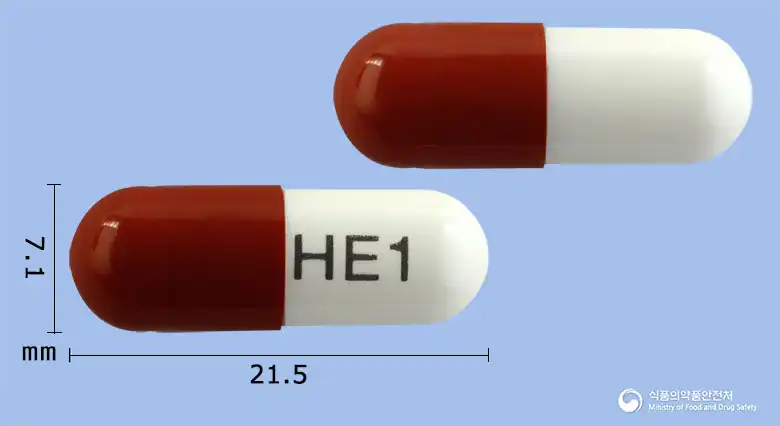
Three flat round tablets with rounded edges that are off-white and one opaque light yellow soft capsule that contains clear yellow contents, shaped circular or oval, with a hard outer shell that is brown on the upper side and white on the lower side.
Package unit
1 capsule/PTP
Questions about this medicine
No questions yet.
For anything that needs medical judgment, consult a doctor or pharmacist.