Medication info

Hybithran Capsule 150 mg (Dabigatran etexilate mesylate)

Prescription medicationExpired
Ingredient · strength
Dabigatran Etexilate Mesylate›Strength being verified
Manufacturer / importer
Huons Co., Ltd.
Appearance
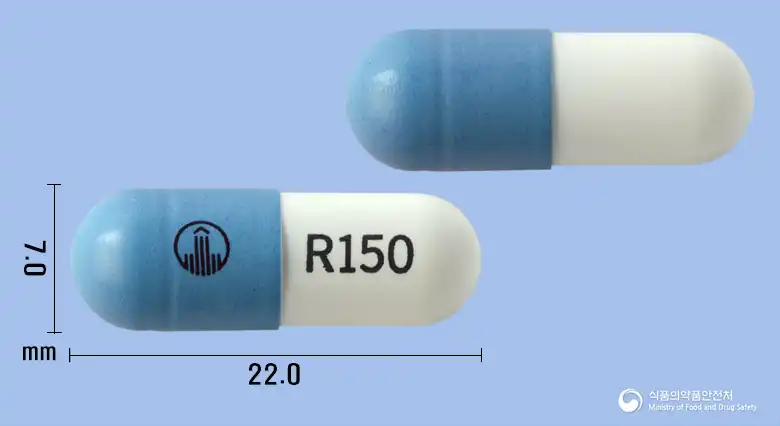
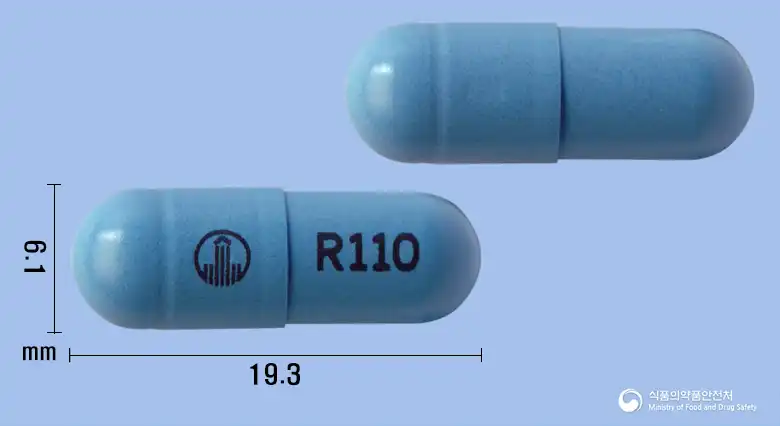
A white hard capsule with white pellets and yellow granules in the upper part.
Packaging
50 capsules (10 capsules/PTP x 5)
Approval status
Expired

MFDS item code 201801329 · Approved 2018.03.27

This product's status changed to Expired on 2023.03.27. It may no longer be sold, so consult a doctor or pharmacist before taking it.

Summary

Main use
Prevention of stroke and systemic embolism in atrial fibrillation; treatment of venous thrombosis and pulmonary embolism and prevention of recurrence
Who uses it
Adults
Adult dosage
This drug is administered with water, without regard to meals. 1. Adults (1) Reduction of the risk of stroke and systemic embolism in patients with nonvalvular atrial fibrillation Administer 150 mg orally per dose, twice daily. (2) Treatment of deep vein thrombosis and pulmonary embolism/reduction of the risk of recurrence of deep vein thrombosis and pulmonary embolism After at least 5 days of parenteral anticoagulant use, administer 150mg orally per dose, twice daily. (3) For patients who may be at increased risk of bleeding for the above three indications (see section '3. Patients requiring caution' under Precautions for Use), administration of 110 mg orally per dose, twice daily may be considered. In these patients, carefully monitor clinically for signs of bleeding or anemia, and use coagulation tests such as the aPTT to assess whether excessive exposure to this drug may increase risk. 2. Switching medications (1) Switching from this drug to a parenteral anticoagulant Start administration of the parenteral anticoagulant 12 hours after the last dose of this drug. (2) Switching from a parenteral anticoagulant to this drug In patients currently receiving a parenteral anticoagulant, administer this drug 0~2 hours before the next scheduled dose of the parenteral anticoagulant, or at the time continuous administration (e.g., intravenous administration of unfractionated heparin) is discontinued. (3) Switching from this drug to a vitamin K antagonist Adjust the time to start the vitamin K antagonist according to creatinine clearance (CrCl), as follows. • CrCl 50 mL/min or higher: Start the vitamin K antagonist 3 days before discontinuing this drug. • CrCl ≥ 30~<50 mL/min: Start the vitamin K antagonist 2 days before discontinuing this drug. This drug may increase INR. Since measuring INR at least 2 days after discontinuing this drug better reflects the effect of the vitamin K antagonist, interpret INR values cautiously until then. (4) Switching from a vitamin K antagonist to this drug Discontinue the vitamin K antagonist and administer this drug immediately when the INR is less than 2.0. 3. Patients with renal impairment No dose adjustment is required in patients with mild renal impairment (50 ≤ CrCL ≤ 80 mL/min). In patients with moderate renal impairment (30 ≤ CrCL < 50 mL/min), the risk of bleeding may increase; administration of 110 mg twice daily may be considered. Administration of this drug is contraindicated in patients with severe renal impairment (CrCl < 30 mL/min). 4. Patients aged 75 years or older The risk of bleeding may increase; administration of 110 mg twice daily may be considered. 5. If a dose of this drug is missed If a dose is missed, take it as soon as possible on the same day, but no later than 6 hours before the next scheduled dose. Do not take twice the recommended daily dose to make up for a missed dose.

Ingredients

Manufacturer
Huons Co., Ltd.

Efficacy & effects

Prevention of stroke and systemic embolism in atrial fibrillation; treatment of venous thrombosis and pulmonary embolism and prevention of recurrence

  • Stroke
  • systemic embolism
  • deep vein thrombosis
  • pulmonary embolism
View approved original text

This medication reduces the risk of stroke and systemic embolism in patients with non-valvular atrial fibrillation. It also helps treat deep vein thrombosis and pulmonary embolism while lowering the risk of recurrence of these conditions. This medication is effective in preventing and managing various cardiovascular issues related to thrombus. Therefore, it is used for the prevention and treatment of stroke and thrombosis.

Dosage and Administration

Adult dosage

This drug is administered with water, without regard to meals. 1. Adults (1) Reduction of the risk of stroke and systemic embolism in patients with nonvalvular atrial fibrillation Administer 150 mg orally per dose, twice daily. (2) Treatment of deep vein thrombosis and pulmonary embolism/reduction of the risk of recurrence of deep vein thrombosis and pulmonary embolism After at least 5 days of parenteral anticoagulant use, administer 150mg orally per dose, twice daily. (3) For patients who may be at increased risk of bleeding for the above three indications (see section '3. Patients requiring caution' under Precautions for Use), administration of 110 mg orally per dose, twice daily may be considered. In these patients, carefully monitor clinically for signs of bleeding or anemia, and use coagulation tests such as the aPTT to assess whether excessive exposure to this drug may increase risk. 2. Switching medications (1) Switching from this drug to a parenteral anticoagulant Start administration of the parenteral anticoagulant 12 hours after the last dose of this drug. (2) Switching from a parenteral anticoagulant to this drug In patients currently receiving a parenteral anticoagulant, administer this drug 0~2 hours before the next scheduled dose of the parenteral anticoagulant, or at the time continuous administration (e.g., intravenous administration of unfractionated heparin) is discontinued. (3) Switching from this drug to a vitamin K antagonist Adjust the time to start the vitamin K antagonist according to creatinine clearance (CrCl), as follows. • CrCl 50 mL/min or higher: Start the vitamin K antagonist 3 days before discontinuing this drug. • CrCl ≥ 30~<50 mL/min: Start the vitamin K antagonist 2 days before discontinuing this drug. This drug may increase INR. Since measuring INR at least 2 days after discontinuing this drug better reflects the effect of the vitamin K antagonist, interpret INR values cautiously until then. (4) Switching from a vitamin K antagonist to this drug Discontinue the vitamin K antagonist and administer this drug immediately when the INR is less than 2.0. 3. Patients with renal impairment No dose adjustment is required in patients with mild renal impairment (50 ≤ CrCL ≤ 80 mL/min). In patients with moderate renal impairment (30 ≤ CrCL < 50 mL/min), the risk of bleeding may increase; administration of 110 mg twice daily may be considered. Administration of this drug is contraindicated in patients with severe renal impairment (CrCl < 30 mL/min). 4. Patients aged 75 years or older The risk of bleeding may increase; administration of 110 mg twice daily may be considered. 5. If a dose of this drug is missed If a dose is missed, take it as soon as possible on the same day, but no later than 6 hours before the next scheduled dose. Do not take twice the recommended daily dose to make up for a missed dose.

Precautions

This medication is used to thin the blood to prevent or treat the formation of blood clots. However, it may increase the risk of bleeding, so caution is needed during use. If bleeding is suspected, immediate medical attention should be sought, as bleeding can occur anywhere. If serious bleeding occurs, discontinue use and promptly assess the bleeding site. Patients at high risk of bleeding or those with severely impaired renal function should not use this medication. Additionally, patients with allergies to this medication or those with certain bleeding disorders should avoid its use. This medication may further increase the risk of bleeding when taken with other anticoagulants or blood coagulation-affecting drugs. Elderly patients or those with reduced renal function may have increased concentrations of this medication, so dosage adjustment and careful monitoring are required. Pregnant or nursing women are advised not to take this medication, and women planning to become pregnant should also avoid it. Prior to surgery or invasive procedures, this medication should be temporarily discontinued, and instructions from a physician to reduce bleeding risk should be followed. Symptoms of bleeding, dizziness, severe headaches, blood in urine, black stools, etc., should be reported to medical personnel immediately during treatment with this medication. Additionally, this medication is in capsule form; do not open or break the capsules, and store it in a cool, dry place out of reach of children. Always consult with a physician or pharmacist to check for potential drug interactions during treatment with this medication.

Side effects

  • Bleeding
  • decreased hemoglobin
  • hypotension
  • anemia
  • thrombocytopenia
  • decreased hematocrit
  • drug hypersensitivity reaction
  • rash
  • pruritus
  • anaphylactic reaction
Show 203 more
  • angioedema
  • urticaria
  • intracranial bleeding
  • hematoma
  • wound bleeding
  • epistaxis
  • hemoptysis
  • gastrointestinal bleeding
  • abdominal pain
  • diarrhea
  • dyspepsia
  • nausea
  • rectal bleeding
  • hemorrhoidal bleeding
  • esophageal ulcer
  • esophagitis
  • gastroesophageal reflux disease
  • vomiting
  • dysphagia
  • liver dysfunction
  • abnormal liver function tests
  • increased ALT
  • increased AST
  • increased liver enzymes
  • hyperbilirubinemia
  • skin bleeding
  • vasculitis
  • hematuria
  • bleeding at the injection site
  • bleeding at the catheter site
  • bloody discharge
  • traumatic bleeding
  • incision site bleeding
  • postoperative hematoma
  • postoperative bleeding
  • postoperative anemia
  • postoperative discharge
  • wound discharge
  • wound drainage
  • postoperative drainage
  • myocardial infarction
  • dizziness
  • headache
  • dementia
  • stuttering
  • tremor
  • orthostatic dizziness
  • brainstem infarction
  • cerebellar infarction
  • epilepsy
  • seizures
  • status epilepticus
  • transient ischemic attack
  • stuttering
  • cerebellar infarction
  • chest discomfort
  • weakness
  • edema
  • death
  • hemoptysis
  • pleural effusion
  • chronic obstructive pulmonary disease
  • exertional dyspnea
  • aspiration pneumonia
  • atrial flutter
  • angina pectoris
  • acute myocardial infarction
  • congestive heart failure
  • coronary artery disease
  • pericardial effusion
  • cardiac dysfunction
  • unstable angina
  • cardiac arrest
  • acute heart failure
  • heart failure
  • mixed mitral valve disease
  • back pain
  • limb pain
  • arthralgia
  • arthritis
  • bursitis
  • soft tissue necrosis
  • pneumonia
  • respiratory tuberculosis
  • upper respiratory tract infection
  • liver fluke infection
  • encephalitis
  • influenza
  • sepsis
  • dental abscess
  • acute kidney injury
  • hypotension
  • aneurysm
  • artery rupture
  • hyperkalemia
  • hyponatremia
  • fracture
  • radiation proctitis
  • spinal compression fracture
  • subdural hematoma
  • subarachnoid hemorrhage
  • cataract
  • thrombocytopenia
  • cholestatic jaundice
  • hematochezia
  • cerebral infarction
  • cerebrovascular accident
  • dyspnea
  • hematuria
  • vessel rupture
  • flushing
  • facial edema
  • hair loss
  • insomnia
  • anxiety
  • hallucination
  • visual hallucination
  • hyperlipidemia
  • decreased appetite
  • contusion
  • increased serum creatinine
  • increased blood urea
  • eyelid spasm
  • corneal arcus
  • itching around the eyes
  • periorbital edema
  • strabismus
  • vertigo
  • sensory neural hearing loss
  • acute hearing loss
  • tinnitus
  • orthostatic vertigo
  • erectile dysfunction
  • gynecomastia
  • hemorrhoids
  • anal polyp
  • ischemic colitis
  • dental caries
  • dry mouth
  • gastric dysfunction
  • paralytic ileus
  • irritable bowel syndrome
  • colon polyp
  • odynophagia
  • periodontal disease
  • constipation
  • epigastric discomfort
  • ataxia
  • syncope
  • burning sensation
  • Alzheimer-type dementia
  • sensory loss
  • lumbar radiculopathy
  • migraine
  • mixed dementia
  • neurodegenerative disorder
  • peripheral paralysis
  • peripheral neuropathy
  • drowsiness
  • tension-type headache
  • central nervous system-induced vertigo
  • warmth sensation
  • chest pain
  • peripheral edema
  • facial edema
  • oropharyngeal pain
  • asthma
  • oropharyngeal discomfort
  • sleep apnea syndrome
  • palpitations
  • limb discomfort
  • musculoskeletal pain
  • myalgia
  • osteoarthritis
  • spinal stenosis
  • spinal pain
  • flank pain
  • muscle weakness
  • nasopharyngitis
  • soft tissue infection
  • dysuria
  • frequency of urination
  • colored urine
  • hyperactive bladder
  • incontinence
  • urgency
  • nephrotic syndrome
  • proteinuria
  • kidney dysfunction
  • ureteral stones
  • flushing
  • facial edema
  • hair loss
  • insomnia
  • anxiety disorder
  • anxiety
  • decreased appetite
  • hyperkalemia
  • hyponatremia
  • contusion
  • increased serum creatinine
  • increased blood urea
  • cataract

Not everyone experiences these, and they can vary from person to person.

Storage

This medication is sensitive to air and moisture, so it should be stored in a sealed container. It is advisable to maintain the storage temperature between 1 to 30 degrees Celsius at room temperature. Avoid storing it in a humid place to ensure the effectiveness of the medication.

Appearance and packaging

Appearance

A white hard capsule with white pellets and yellow granules in the upper part.

Package unit

50 capsules (10 capsules/PTP x 5)

Same-ingredient medicines

Even with the same ingredient, strength, dosage form and how it is taken can differ.

Even with the same ingredient, the dose and directions can differ by strength and dosage form. Talk to a doctor or pharmacist before switching from a medication you are already taking.

Questions about this medicine

No questions yet.

For anything that needs medical judgment, consult a doctor or pharmacist.

Related searches

Search tags

Suggested searches

This drug information is based on data provided by the Korea Ministry of Food and Drug Safety.
Consult a doctor or pharmacist for accurate dosage, administration, and usage instructions.