
 한국어
 English
 日本語
 中文(简体)
Dosage form image
Viewing nowVijadakin Injection (Azacitidine)
Azacitidine 100mg
Injections · Prescription medication
Boryung Pharmaceutical Co., Ltd.
MFDS item code 201800590 · Approved 2018.01.31 · Insurance code 641906761
Treatment of myelodysplastic syndromes, acute myeloid leukemia, and chronic myelomonocytic leukemia
This medication is used to treat various blood disorders. Firstly, it is effective in improving myelodysplastic syndromes (MDS) and various forms of refractory anemia (RA, RARS, RAEB) associated with it, as well as conditions characterized by excess myeloid blasts. It is also used in the treatment of acute myeloid leukemia (AML) classified as having 20-30% blasts according to WHO classification of multilineage dysplasia. It aids in the treatment of chronic myelomonocytic leukemia (CMML). Additionally, it is applicable for high-risk AML patients, especially those over 65 years old, who cannot undergo hematopoietic stem cell transplantation or intensive chemotherapy. This drug primarily works by inhibiting the abnormal proliferation of blood cells and promoting the formation of normal blood cells for patient treatment.
Because of differences in exposure, dosage, and administration schedule, this drug must not be used interchangeably with oral azacitidine. Verify the product name, dose, and route of administration. 1. Myelodysplastic syndromes (MDS), chronic myelomonocytic leukemia (CMML), and acute myeloid leukemia with 20~30% bone marrow blasts First treatment cycle: The recommended initial dose for all patients, regardless of pretreatment hematologic laboratory values, is 75mg/m2/day administered by subcutaneous or intravenous injection for 7 days. Patients should receive premedication for nausea and vomiting before administration of this product. Subsequent treatment cycles: Treatment cycles should be repeated at 4-week intervals. If a therapeutic effect is not observed after 2 treatment cycles and no toxicity other than nausea or vomiting is observed, the dose may be increased to 100mg/m2. Administration for at least 4~6 treatment cycles is recommended; however, more treatment cycles may be needed to achieve complete or partial remission. Treatment may continue for as long as the patient derives benefit. Hematologic remission and renal toxicity must be monitored, and treatment may need to be delayed or the dose reduced as described below. 2. Acute myeloid leukemia (AML) with >30% bone marrow blasts in adults aged 65 years or older who are not eligible for hematopoietic stem cell transplantation and intensive chemotherapy and have poor-risk cytogenetics First treatment cycle: The recommended initial dose for all patients, regardless of pretreatment hematologic laboratory values, is 75mg/m2/day administered by subcutaneous or intravenous injection for 7 days. Patients should receive premedication for nausea and vomiting before administration of this product. Subsequent treatment cycles: Treatment cycles should be repeated at 4-week intervals. Administration for at least 6 treatment cycles is recommended; however, more treatment cycles may be needed to achieve complete or partial remission. Treatment may continue for as long as the patient derives benefit. Hematologic remission and renal toxicity must be monitored, and treatment may need to be delayed or the dose reduced as described below. 4. Dose adjustment based on hematologic laboratory values Hematologic toxicity is defined as the lowest value observed during the treatment cycle when the platelet count is 50.0 x 10⁹/L or less and/or the absolute neutrophil count (ANC) is 1 x 10⁹/L or less. Recovery is defined as an increase in the count of the cell lineage with observed hematologic toxicity to at least the nadir plus half the difference between the nadir and the pretreatment value (i.e., blood cell count ≥ nadir + (0.5 x [pretreatment value – nadir]). 1) MDS, CMML, and AML with 20~30% bone marrow blasts For patients whose hematologic laboratory values before starting the first treatment cycle are WBC≥3.0x10⁹/L, ANC≥1.5x10⁹/L, and platelets ≥75.0x10⁹/L, the dose is adjusted based on the nadir during each treatment cycle as shown in the following table. Nadir ANC(x109/L) <0.5, Platelets(x109/L) <25.0: 50% of the dose in the next cycle Nadir ANC(x109/L) 0.5-1.5, Platelets(x109/L) 25.0-50.0: 67% of the dose in the next cycle Nadir ANC(x109/L) >1.5, Platelets(x109/L) >50.0: 100% of the dose in the next cycle For patients whose hematologic laboratory values before starting the first treatment cycle are WBC<3.0x10⁹/L, ANC<1.5x10⁹/L, or platelets <75x109/L, when starting the next treatment cycle, continue the current treatment dose if there is clear improvement in differentiation (the percentage of mature granulocytes and ANC are higher than at the start of the treatment cycle); otherwise, adjust the dose as shown in the following table based on the nadir and the bone marrow biopsy cellularity at the nadir. WBC or platelet nadir 50-75, percentage decrease from pretreatment value 30-60: Bone marrow biopsy cellularity (%) at nadir 30-60: dose 100%, 15-30: dose 50%, <15: dose 33% WBC or platelet nadir >75, percentage decrease from pretreatment value 30-60: Bone marrow biopsy cellularity (%) at nadir 30-60: dose 75%, 15-30: dose 50%, <15: dose 33% When the nadirs defined in the table above occur, the next treatment should begin 28 days after the start of the preceding treatment cycle, provided that the WBC and platelet counts are >25% above the nadir and are increasing. If the nadir has not increased by at least 25% by day 28, the counts should be reassessed every 7 days. If they have not increased by at least 25% by day 42, treat the patient with 50% of the scheduled dose. 2) AML with >30% bone marrow blasts in adults aged 65 years or older who are not eligible for hematopoietic stem cell transplantation and intensive chemotherapy and have poor-risk cytogenetics Patients whose baseline blood counts before the first dose of this drug are not reduced (i.e., white blood cell (WBC) count of 3.0 x 10⁹/L or higher, ANC of 1.5 x 10⁹/L or higher, and platelet count of 75.0 x 10⁹/L or higher): If hematologic toxicity is observed after administration of this drug, the next treatment cycle should be delayed until the platelet and ANC counts recover. If recovery occurs within 14 days, no dose adjustment is necessary. However, if recovery does not occur within 14 days, the dose should be reduced according to the following table. After a dose change, the treatment cycle duration should be reset to 28 days. Nadir ANC (x 109/L) ≤ 1.0, platelets (x 109/L) ≤ 50.0: If recovery does not occur within 14 days, dose in the next cycle 50 % Nadir ANC (x 109/L) > 1.0, platelets (x 109/L) > 50.0: If recovery does not occur within 14 days, dose in the next cycle 100 % *Recovery = blood cell count ≥ nadir + (0.5 x [pretreatment value – nadir]) Patients whose baseline blood counts before the first dose of this drug are reduced (i.e., WBC less than 3.0 x 10⁹/L or ANC less than 1.5 x 10⁹/L or platelets less than 75.0 x 10⁹/L): After administration of this drug, if the WBC, ANC, or platelet count decreases by 50 % or less compared with pretreatment, or decreases by more than 50% but cell-lineage differentiation improves, the next treatment cycle should not be delayed and the dose should not be adjusted. If the WBC, ANC, or platelet count decreases by more than 50 % compared with pretreatment and there is no improvement in cell-lineage differentiation, the next treatment cycle of this drug should be delayed until the platelet and ANC counts recover. If recovery occurs within 14 days, no dose adjustment is necessary. However, if recovery does not occur within 14 days, bone marrow cellularity should be assessed. If bone marrow cellularity is greater than 50 %, no dose adjustment is required. If bone marrow cellularity is 50 % or less, treatment should be delayed and the dose reduced according to the following table. Bone marrow cellularity 15-50 %: If recovery occurs within 21 days, dose in the next cycle 100 %; if recovery occurs after more than 21 days, dose in the next cycle 50 % Bone marrow cellularity < 15 %: If recovery occurs within 21 days, dose in the next cycle 100 %; if recovery occurs after more than 21 days, dose in the next cycle 33 % *Recovery = blood cell count ≥ nadir + (0.5 x [pretreatment value – nadir]) After a dose change, the treatment cycle duration should be reset to 28 days. 5. Dose adjustment based on renal function and serum electrolytes: If the serum bicarbonate concentration decreases to 20mEq/L or less for an unknown reason, the dose must be reduced by 50% in the next treatment. Similarly, if an unexplained increase in BUN or serum creatinine occurs, delay the next treatment cycle until the values return to normal or to pretreatment levels, and reduce the dose by 50% in the next treatment cycle. ※ Method of administration Subcutaneous injection: Add 4mL of Sterile Water for Injection to each vial of this drug to prepare a cloudy suspension (25mg/mL). For volumes greater than 4mL, divide the volume equally between 2 syringes and inject at 2 separate injection sites (thigh, abdomen, upper arm), alternating sites. New injections should be given at least 2.54 centimeters from the previous injection site, and should never be given into an injection site that is tender, red, bruised, or hard. Intravenous injection: Add 10mL of Sterile Water for Injection to each vial of this drug to prepare a clear diluent solution (10mg/mL), then add the required amount to a 50-100mL infusion bag of 0.9% sodium chloride or Lactated Ringer’s Injection and administer intravenously over 10-40 minutes. Administration must be completed within 1 hour after preparation of the diluent solution.
This medication can cause serious harm to the fetus if used during pregnancy; therefore, pregnant women should not take it. Women of childbearing age and men should be advised to avoid pregnancy during treatment. This medication is not to be used in patients with allergies to azacitidine or mannitol, progressive malignant liver tumors, or in breastfeeding women. Caution should be exercised when administering this medication to patients with impaired kidney or liver function, and blood tests should be conducted before and during treatment to confirm blood cell counts. This medication may cause various side effects such as nausea, vomiting, diarrhea, anemia, thrombocytopenia, leukopenia, fever, and rash at the injection site. Particularly, the risk of infection may be increased; therefore, any signs of infection should be reported to healthcare providers immediately. Patients with a history of heart or lung disease should be evaluated for cardiopulmonary status before administration and should be closely monitored during treatment. This medication can reduce blood cell counts, so regular blood tests are necessary, and adjustments to dosage or discontinuation may be required if abnormalities are found. Skin reactions or abnormalities at the injection site may occur; if symptoms are severe, consultation with healthcare providers is advised. This medication is not recommended for pregnant or breastfeeding women, and especially, breastfeeding women should stop nursing. Special caution is necessary when this medication is used in children or the elderly, as the risk of side effects may be higher in older adults due to decreased kidney function. If dizziness or fatigue occurs during use, patients should avoid driving or operating machinery. In case of overdose, report immediately to healthcare providers and receive appropriate treatment; there is no specific antidote for this medication. Caution should be taken during preparation to prevent the drug from coming into contact with skin or mucous membranes; if contact occurs, wash immediately with clean water. The prepared solution should be used within a specified time frame, and any remaining solution should be discarded and not reused. This medication has the potential to be carcinogenic and mutagenic, so caution is needed even with long-term use. Serious side effects such as tumor lysis syndrome may occur, so patients should be closely monitored during treatment.
Nausea, anemia, thrombocytopenia, vomiting, fever, leukopenia, diarrhea, fatigue, erythema at the injection site, constipation, neutropenia, petechiae, purpura, rigidity, weakness, hypokalemia, febrile neutropenia, pneumonia, septicemia, neutropenic sepsis, allergic reactions, cerebral hemorrhage, gastrointestinal bleeding, intracranial hemorrhage, elevated serum creatinine, renal tubular acidosis, hepatic coma, renal failure, necrotizing fasciitis, thrombocytopenia, neutropenia, leukopenia, febrile neutropenia, pneumonia, fever, septicemia, urinary tract infection, cellulitis, dizziness, dyspnea, constipation, nausea, diarrhea, fever, erythema at the injection site, febrile neutropenia, pneumonia, septicemia, nasopharyngitis, respiratory tract infection, urinary tract infection, cellulitis, diverticulitis, oral candidiasis, sinusitis, pharyngitis, rhinitis, herpes simplex, skin infection, fasciitis, febrile neutropenia, neutropenia, leukopenia, thrombocytopenia, pancytopenia, bone marrow failure, allergic reactions, anorexia, appetite loss, hypokalemia, dehydration, tumor lysis syndrome, insomnia, delirium, anxiety, dizziness, headache, intracranial hemorrhage, syncope, drowsiness, lethargy, eye hemorrhage, conjunctival hemorrhage, pericardial effusion, pericarditis, hypotension, hypertension, orthostatic hypotension, hematoma, dyspnea, epistaxis, pleural effusion, exertional dyspnea, oropharyngeal pain, interstitial lung disease, diarrhea, vomiting, constipation, nausea, abdominal pain, gastrointestinal bleeding, hemorrhoidal bleeding, stomatitis, gingival bleeding, pruritus, rash, purpura, alopecia, urticaria, erythema, maculopapular rash, acute febrile neutrophilic dermatosis, necrotizing fasciitis, arthralgia, musculoskeletal pain, muscle cramps, myalgia, renal failure, hematuria, renal tubular acidosis, fever, fatigue, weakness, chest pain, pain at the injection site, bruising, hematoma, sclerosis, rash, pruritus, inflammation, discoloration, nodules, malaise, chills, bleeding at the catheter site, necrosis at the injection site, weight loss, agranulocytosis, bone marrow suppression, splenomegaly, atrial fibrillation, heart failure, congestive heart failure, cardiac arrest, congestive cardiomyopathy, diverticulitis, gastrointestinal bleeding, melena, perirectal abscess, bleeding at the catheter site, systemic health deterioration, systemic inflammatory response syndrome, cholecystitis, anaphylactic shock, abscess of the limb, bacterial infection, soft tissue infection, candidiasis, infection at the injection site, Klebsiella septicemia, pharyngeal streptococcal infection, Klebsiella pneumonia, septicemia, septic shock, staphylococcal septicemia, staphylococcal infection, toxoplasmosis, dehydration, worsening of bone pain, muscle weakness, neck pain, skin leukemia, cerebral hemorrhage, seizures, intracranial hemorrhage, ocular hemorrhage, low back pain, hemoptysis, lung infiltration, pneumonia, respiratory diseases, necrotizing fasciitis, pruritic rash, skin sclerosis, cholecystectomy, orthostatic hypotension, interstitial lung disease, tumor lysis syndrome, necrosis at the injection site, Sweet's syndrome, necrotizing fasciitis, febrile neutropenia, neutropenia, pneumonia, fungal pneumonia, septic shock, blood in stool, colitis, intestinal ulcer, oral bleeding, vomiting, mechanical intestinal obstruction, abdominal pain, epigastric pain, upper gastrointestinal bleeding, diarrhea, pruritus, drug rash, thrombocytosis, osteoarthritis, flank pain, tendinitis, temporomandibular joint disorder, avascular necrosis, crystalline arthropathy, osteoporosis, joint stiffness, joint swelling, musculoskeletal stiffness, bursitis, spinal stenosis, rotator cuff syndrome, rhabdomyolysis, sensory loss, altered sensation, peripheral neuropathy, altered sensation, tremors, stuttering, hypersomnia, cerebral infarction, cerebral hemorrhage, cerebrovascular stenosis, carotid artery stenosis, seizures, radiculopathy, neuralgia, facial paralysis, sciatica, dementia, hypophosphatemia, hypocalcemia, hypomagnesemia, hypoglycemia, hyperglycemia, diabetes, iron overload, gout, hemosiderosis, impaired glucose tolerance, acanthosis, metabolic acidosis, acidosis, hyponatremia, hypoalbuminemia, increased ALT, increased AST, increased CRP, increased serum ferritin, increased blood bilirubin, hyperkalemia, decreased oral intake, tinnitus, chest discomfort, phlebitis, rectal pain, toothache, oral ulcers, gastroesophageal reflux disease, dry mouth, colitis, glossitis, gingival swelling, dental discomfort, anal fissure, intestinal ulcer, fecal incontinence, small intestine ulcer bleeding, duodenitis, aphthous ulcer, reflux, hiatal hernia, gastritis, gastrointestinal disorders, lip ulcer, gingival ulcer, small intestinal and large intestinal inflammation, mucous stool, rectal ulcer, rectal and anal discomfort, intestinal volvulus, dental caries, periodontal disease, hemorrhoidal bleeding, fetal membrane rupture, hematemesis, ischemic colitis, dry tongue, tongue discoloration, tongue hemorrhage, tongue pain, substance-induced mental disorder, delirium, change in mental status, azotemia, polyuria, urinary incontinence, urinary retention, overactive bladder, proteinuria, anuria, nephrolithiasis, nocturia, oliguria, hemosiderinuria, Behçet's disease, facial flushing, hemorrhagic infarction, vasculitis, thrombophlebitis, superficial thrombophlebitis, flushing, spinal compression fracture, skin abrasion, subdural hemorrhage, subdural hematoma, traffic accident, femoral fracture, hair damage, post-procedure contusion, ocular contusion, compression fracture, anal wound, dry eyes, cataract, blurred vision, presbyopia, eyelid dysfunction, retinal disorders, vision loss, ocular irritation, palpitations, bradycardia, heart failure, cardiac hypertrophy, cardiac arrest, cardiac dilated dysfunction, open Eustachian tube, ear discomfort, liver dysfunction, hepatotoxicity, liver disease, hyperbilirubinemia, cholangitis, cholelithiasis, toxic hepatitis, benign prostatic hyperplasia, vulvar pain, nipple pain, endometrial neoplasm, vaginal bleeding, adrenal insufficiency, secondary adrenal cortical insufficiency, hypoaldosteronism, hepatocellular carcinoma, cholangiocarcinoma
Not everyone experiences these, and they can vary from person to person.
This medication should be stored in a sealed container to prevent air exposure and kept at a temperature between 1 to 30 degrees Celsius at room temperature for safe storage. Following this storage method will help maintain the effectiveness of the medication for an extended period.
A white or almost white lyophilized powder in a colorless, transparent glass vial for injection.
1 vial (200 mg) / box
Even with the same ingredient, strength, dosage form and how it is taken can differ.
Azacitidine 100mg
Injections · Prescription medication
Boryung Pharmaceutical Co., Ltd.
Azacitidine 100mg
Prescription medication
(Yoo) Korea BMS Pharmaceuticals Co., Ltd.
Azacitidine 150mg
Injections · Prescription medication
Samyang BioPharm Co., Ltd.
Azacitidine 100mg
Injections · Prescription medication
Samhyang Biopharm Co., Ltd.
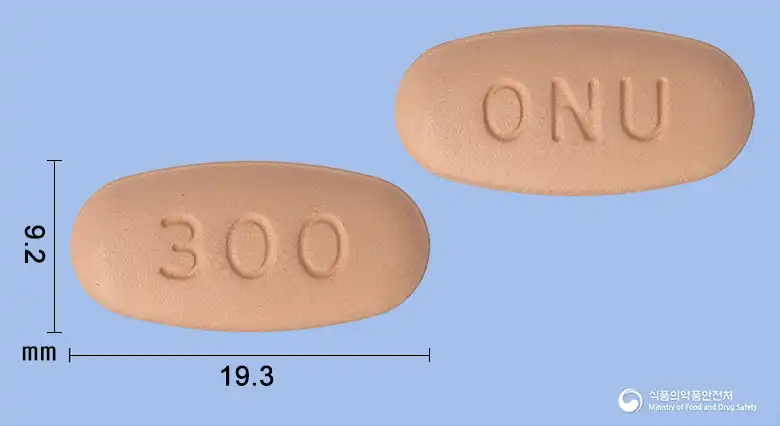
Azacitidine 300mg
Tablet · Prescription medication
Korean BMS Pharmaceutical Co., Ltd.
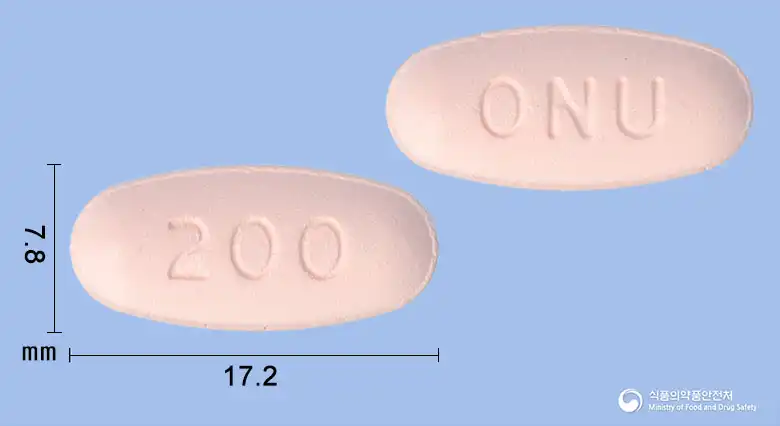
Azacitidine 200mg
Tablet · Prescription medication
(Yoo) Han-Kuk BMS Pharmaceuticals Co., Ltd.
Even with the same ingredient, the dose and directions can differ by strength and dosage form. Talk to a doctor or pharmacist before switching from a medication you are already taking.
No questions yet.
For anything that needs medical judgment, consult a doctor or pharmacist.
This drug information is based on data provided by the Korea Ministry of Food and Drug Safety.
Consult a doctor or pharmacist for accurate dosage, administration, and usage instructions.