
 한국어
 English
 日本語
 中文(简体)
 Viewing now
Paliperidone Extended Release Tablet 3 mg (Paliperidone)
Paliperidone 3mg
Tablet · Prescription medication
Myungin Pharmaceutical Co., Ltd.
MFDS item code 201707659 · Approved 2017.10.30 · Insurance code 651904590
Acute treatment of schizophrenia and schizoaffective disorder
This medication is used to treat the acute symptoms of schizophrenia and schizoaffective disorder. Schizophrenia is a chronic mental illness characterized by difficulties in reality perception, and this drug effectively alleviates symptoms and aids patients' daily lives. Additionally, it quickly improves symptoms during the acute phase of schizoaffective disorder, helping to maintain the patient's stability. Therefore, this drug is used for schizophrenia and associated mood disorders.
Adults (18 years and older) Administer 6 mg of paliperidone orally once daily in the morning. Take this medicine consistently either with food or on an empty stomach; do not alternate between these conditions. No initial dose adjustment is needed. A lower or higher dose within the range of 3-12mg of paliperidone once daily may be beneficial for some patients. Dose adjustments should be made only after clinical reassessment. If a dose increase is needed, it is recommended to increase by 3mg per day at intervals of at least 5 days. Schizoaffective disorder - Adults (18 years and older) Administer 6 mg of paliperidone orally once daily in the morning. Take this medicine consistently either with food or on an empty stomach; do not alternate between these conditions. No initial dose adjustment is needed. A lower or higher dose within the range of 3-12mg of paliperidone once daily may be beneficial for some patients. Dose adjustments should be made only after clinical reassessment. If a dose increase is needed, it is recommended to increase by 3mg per day at intervals of at least 4 days. No dose adjustment is needed in patients with mild to moderate hepatic impairment (Child-Pugh Classification A and B). Patients with severe hepatic impairment have not been studied. Dosing should be individualized according to the patient's renal function. Patients with mild renal impairment (creatinine clearance 50ml/min or more and less than 80ml/min): The recommended initial dose is 3mg once daily. Following clinical reassessment, the dose may be increased to a maximum of 6mg daily. Patients with moderate or severe renal impairment (creatinine clearance 10ml/min or more and less than 50ml/min): The recommended initial dose is 1.5mg once daily. Following clinical reassessment, the dose may be increased to a maximum of 3mg daily. This medicine has not been studied in patients with creatinine clearance below 10ml/min; therefore, its use in these patients is not recommended. Renal function may be reduced in elderly patients, so dose adjustment may be needed based on renal function. In general, the recommended dose for elderly patients with normal renal function is the same as that for adults with normal renal function. In patients with moderate or severe renal impairment (creatinine clearance 10ml/min or more and less than 50ml/min), the maximum recommended dose of this medicine is 3mg once daily (see the 'Patients with renal impairment' section under Dosage and Administration).
Adolescents (12 to 17 years) Administer 3mg of paliperidone orally once daily in the morning. Take this medicine consistently either with food or on an empty stomach; do not alternate between these conditions. No initial dose adjustment is needed. A higher dose within the range of 6-12mg of paliperidone once daily may be beneficial for some patients. Dose adjustments should be made only after clinical reassessment. If a dose increase is needed, increase by 3mg per day at intervals of at least 5 days. Under 51kg: 6mg 51kg or more: 12mg
This drug should not be used in elderly patients with dementia-related psychosis as it may increase mortality rates. Before taking this drug, risks of venous thromboembolism should be assessed, and necessary preventive measures must be taken. Individuals allergic to this drug or its components, those with severe gastrointestinal obstruction or dysphagia, breastfeeding women, and individuals with certain genetic metabolic disorders should not take this medication. Patients with cardiovascular disease, cerebrovascular disease, liver or kidney impairment, diabetes, or a history of seizures must use this drug with caution, and those with temperature regulation problems or Parkinson's disease or Lewy body dementia also require monitoring. This drug may affect heart rate; it should not be taken with other medications that prolong the QT interval, and patients with a history of heart disease should be especially cautious. Serious side effects such as neuroleptic malignant syndrome, tardive dyskinesia, and extrapyramidal symptoms may occur, so patients should immediately consult a doctor if symptoms arise. Hyperglycemia or diabetes symptoms may occur during treatment; therefore, blood sugar management should be strict, and weight gain and orthostatic hypotension should be closely monitored. The safety of this drug during pregnancy has not been established, and it should not be taken while breastfeeding. Safety and efficacy in children and adolescents have not been adequately studied, so caution is required for use. This medication may cause drowsiness or visual disturbances, so it is advisable to avoid driving or operating hazardous machinery. In case of overdose, immediate medical attention should be sought, and this medication should be kept out of the reach of children.
Increased mortality, venous thrombosis, first-degree atrioventricular block, bradycardia, bundle branch block, palpitations, arrhythmia, tachycardia, rapid heartbeat, dry eyes, ocular movement, blurred vision, abdominal pain, upper abdominal pain, diarrhea, dry mouth, dyspepsia, nausea, excessive salivation, gastric discomfort, toothache, vomiting, weakness, fatigue, fever, bronchitis, nasopharyngitis, rhinitis, upper respiratory infection, viral infection, falls, increased alanine aminotransferase, increased serum creatine phosphokinase, increased serum insulin, increased blood pressure, increased blood triglycerides, prolonged QT interval on electrocardiogram, abnormalities in T wave on electrocardiogram, inverted T wave on electrocardiogram, electrocardiogram abnormalities, increased heart rate, increased insulin C-peptide, weight loss, weight gain, decreased appetite, increased appetite, joint pain, back pain, muscle rigidity, neck pain, severe pain, shoulder pain, inability to sit still, dizziness, movement disorders, muscle tone disorders, extrapyramidal disorders, headache, excessive tension, Parkinson’s syndrome, sedation, drowsiness, fainting, tremors, aggression, anxiety, depression, nightmares, suicidal thoughts, cough, nasal congestion, itching, low blood pressure, orthostatic hypotension, agranulocytosis, thrombocytopenia, inappropriate secretion of antidiuretic hormone, diabetes, diabetic ketoacidosis, hypoglycemia, water intoxication, tension syndrome, mania, sleepwalking, sleep-related eating disorder, taste distortion, delayed motor disorder, intraoperative iris hypotension syndrome, atrial fibrillation, deep vein thrombosis, pulmonary embolism, sleep apnea syndrome, pancreatitis, intestinal obstruction, jaundice, vascular edema, hair loss, drug reactions accompanied by eosinophilia and systemic symptoms, Stevens-Johnson syndrome, toxic epidermal necrolysis, urinary retention, urinary incontinence, neonatal drug withdrawal symptoms, priapism, hypothermia, amnesia, worsening of depression, impaired concentration, difficulty swallowing, gastroesophageal reflux, hyperlipidemia, frequent urination, tension syndrome, mania, sleepwalking, sleep-related eating disorder
Not everyone experiences these, and they can vary from person to person.
This medication should be stored in a tightly sealed container to prevent air and moisture exposure and should be kept in a cool place between 15 to 30 degrees Celsius. Storing in a humid environment should be avoided to maintain the drug's efficacy.
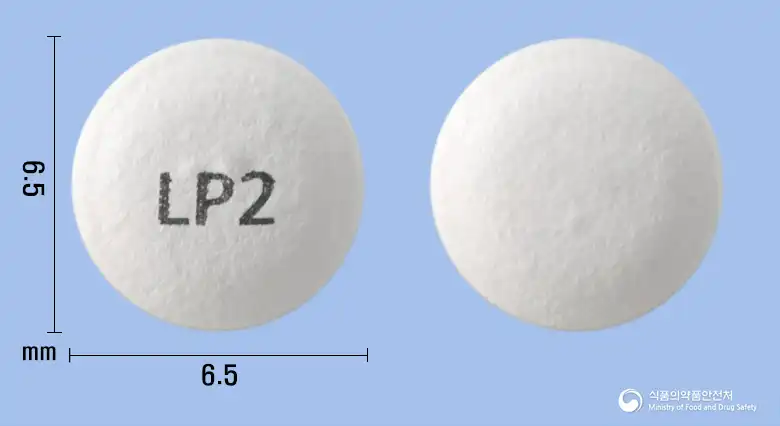
White round extended-release film-coated tablet
30 tablets/bottle
Even with the same ingredient, strength, dosage form and how it is taken can differ.
Viewing nowPaliperidone 3mg
Tablet · Prescription medication
Myungin Pharmaceutical Co., Ltd.

Paliperidone 9mg
Tablet · Prescription medication
Myungjin Pharmaceutical Co., Ltd.
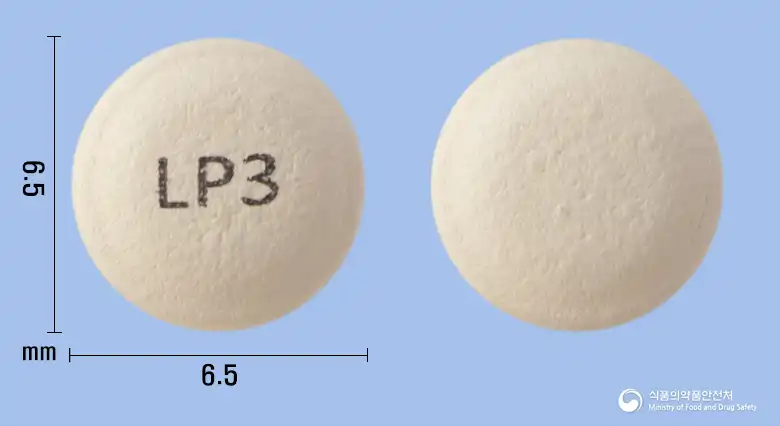
Paliperidone 6mg
Tablet · Prescription medication
Myungin Pharmaceutical Co., Ltd.
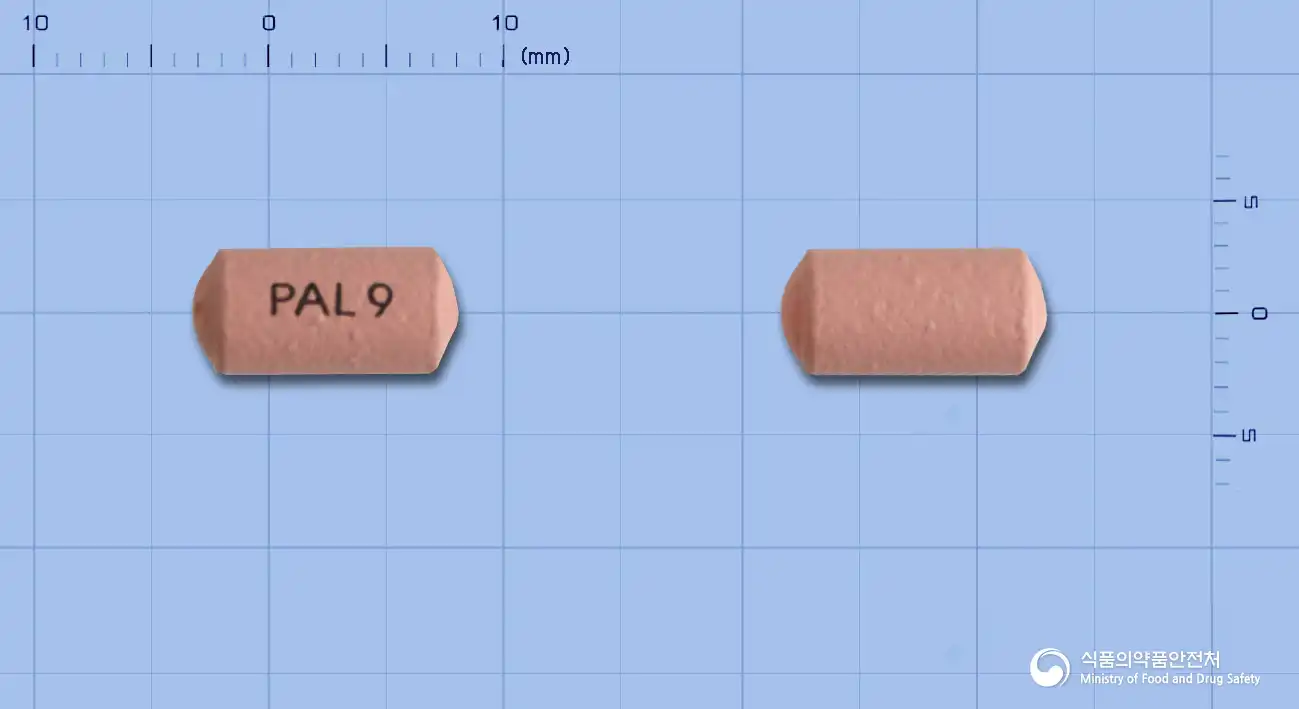
Paliperidone 6.3mg
Tablet · Prescription medication
Korea Janssen Co., Ltd.
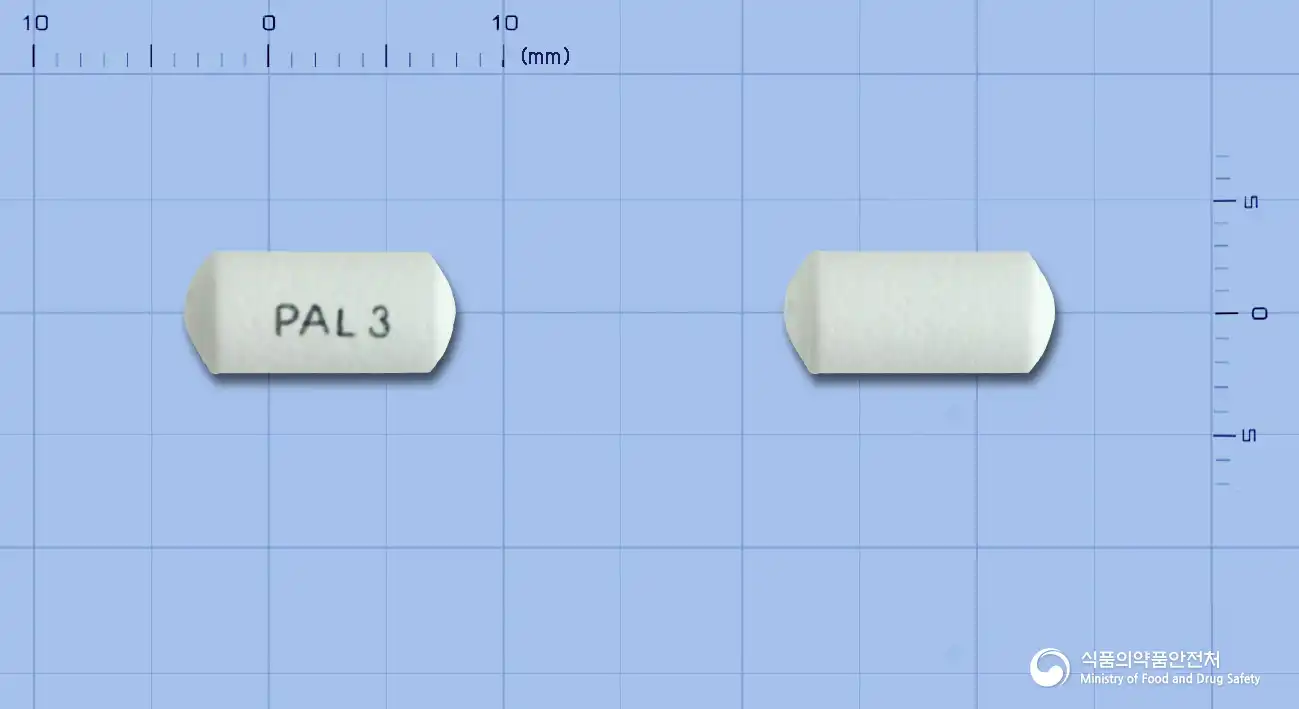
Paliperidone 2.1mg
Tablet · Prescription medication
Janssen Korea Co., Ltd.
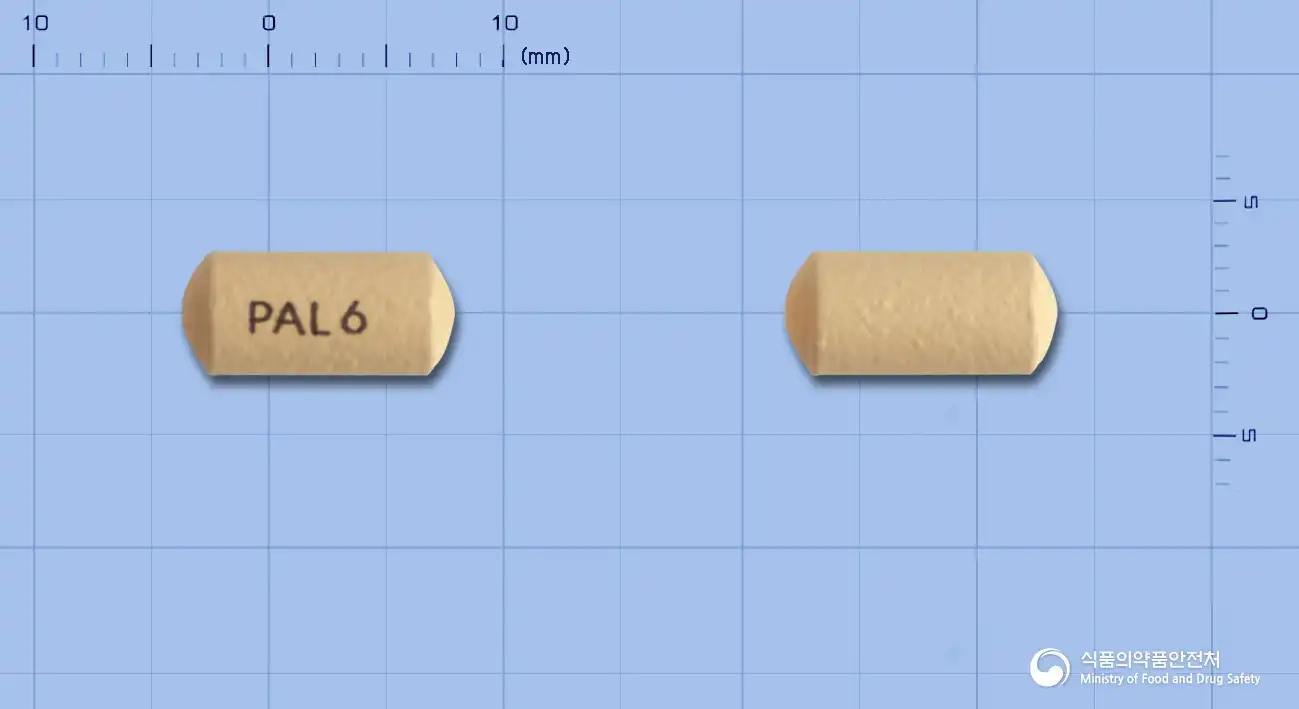
Paliperidone 4.2mg
Tablet · Prescription medication
Korea Janssen Co., Ltd.
Even with the same ingredient, the dose and directions can differ by strength and dosage form. Talk to a doctor or pharmacist before switching from a medication you are already taking.
No questions yet.
For anything that needs medical judgment, consult a doctor or pharmacist.
This drug information is based on data provided by the Korea Ministry of Food and Drug Safety.
Consult a doctor or pharmacist for accurate dosage, administration, and usage instructions.