
 한국어
 English
 日本語
 中文(简体)
 Viewing nowCombination
Tego Capsule 20
Tegafur 20mg · Gimeracil 5.8mg +1 more
Hard capsule · Prescription medication · Combination
Myeongmun Pharmaceutical Co., Ltd.
MFDS item code 201706904 · Approved 2017.08.31 · Insurance code 649807210
Treatment of gastric cancer and head and neck cancer
This medication is used for progressive or metastatic, recurrent gastric cancer and as adjuvant chemotherapy after surgery for gastric cancer. It is also used for the treatment of progressive or recurrent head and neck cancer. In other words, it is effective for the treatment of patients with gastric and head & neck cancer.
Usually, the initial dose (per dose) for adults is determined based on body surface area and administered orally twice daily, after breakfast and dinner, for 28 consecutive days, followed by a 14-day rest period. This is repeated as one cycle. However, if no abnormalities in clinical laboratory values (blood tests, liver and renal function tests) or gastrointestinal symptoms considered to be caused by administration of this medicine occur and there are no safety concerns, the rest period may be shortened, but even in that case, the rest period must be at least 7 days. The dose may be appropriately adjusted according to the patient's condition. Dose adjustment steps are 40,50,60,75mg/dose. As with the above, if it is determined that the dose can be increased without safety concerns, increase by one step from the initial reference dose, up to a maximum of 75mg/dose. Dose reduction is generally performed one step at a time, and the minimum dose is 40mg/dose. * Usually, when adjusting the dose according to the patient's condition, refer to the following doses. However, if increasing the dose, do so once per cycle and stop after one dose-increase step.
This medication is used for cancer chemotherapy and must be administered under the guidance of a physician with adequate knowledge and experience in cancer chemotherapy, capable of responding to emergencies in a medical facility. Prior to administration, the patient or family should be adequately informed about the effects and risks of this medication and consent must be obtained. Unlike conventional oral fluorouracil-based medications, this drug has myelosuppression as the main toxicity, so regular clinical tests should be conducted to frequently check blood counts, and it should only be used in an environment capable of handling emergencies. Patients with severely impaired liver function or those with a history of severe hepatitis should undergo regular liver function tests and should stop administration immediately if symptoms of liver damage occur, with appropriate treatment taken. Since serious blood disorders can occur when co-administered with other fluoropyrimidine-based anticancer agents or the antifungal agent flucytosine, it should not be co-administered. This medication is not to be administered to patients who are hypersensitive to its components, have serious myelosuppression, liver damage, renal damage, are pregnant or may become pregnant, or have dihydropyrimidine dehydrogenase (DPD) deficiency. Patients with myelosuppression, kidney or liver dysfunction, infections, blood sugar control abnormalities, a history of interstitial pneumonia, cardiovascular disease, gastrointestinal ulcers or bleeding, elderly patients, etc., should be administered cautiously, with regular observation of their condition. During treatment with this medication, side effects such as loss of appetite, nausea, vomiting, diarrhea, general malaise, stomatitis, skin rash may be common, and severe adverse reactions such as serious myelosuppression, liver damage, pneumonia, cardiac abnormalities, gastrointestinal bleeding, renal failure, and skin mucosal syndrome may occur, so immediate consultation with medical staff is necessary if symptoms appear. Dose adjustment or suspension may be necessary based on clinical test results, especially during the first treatment cycle and dosage escalation, where careful monitoring is especially important. It is effective to take this medication after meals, and there should be an interval of at least 7 days after discontinuation of other fluoropyrimidine-based medications or antifungal agents. This medication should not be used during pregnancy, and breastfeeding should be suspended if breastfeeding. Safety for pediatric and low-birth-weight infants, neonates, and young children has not been established, so special caution is necessary. Care should be taken not to swallow the packaging sheet when taking the medication, as the sharp edges of the sheet could damage the esophagus. There is a high risk of serious toxicity in patients with genetically deficient DPD enzyme, so it is recommended to confirm DPD deficiency through genetic testing or plasma uracil concentration measurement prior to administration. Elderly patients should be administered carefully considering physiological declines, and their condition should be closely monitored during administration. There is a risk of infection due to myelosuppression after administration of this medication, so attention should be paid to signs of infection, and should any abnormal symptoms arise, medical staff should be notified immediately.
Leukopenia, neutropenia, decreased hemoglobin, thrombocytopenia, increased AST (GOT), increased ALT (GPT), loss of appetite, nausea, vomiting, diarrhea, generalized weakness, stomatitis, pigmentation, rash, anemia, fatigue, hair loss, increased bilirubin, increased creatinine, hemolytic anemia, disseminated intravascular coagulation syndrome, signs of dehydration, severe enteritis, interstitial pneumonia, myocardial infarction, angina pectoris, arrhythmia, heart failure, severe stomatitis, gastrointestinal ulcer, gastrointestinal bleeding, gastrointestinal perforation, acute kidney failure, nephrotic syndrome, epidermal mucosa syndrome, toxic epidermal necrolysis, leukoencephalopathy, altered consciousness, perceptual loss, drowsiness, decreased memory, extrapyramidal disorder, speech impairment, limb paralysis, gait disturbance, urinary incontinence, sensory disturbance, acute pancreatitis, rhabdomyolysis, loss of smell, obstruction of tear ducts, fatty liver, dysphagia, tinnitus, agitation, increased serum uric acid levels, gynecomastia, tendency to bleed, eosinophilia, leukocytosis, abnormal hemoglobin, hemoglobinopathy, erythrocytopenia, pancytopenia, leukopenia, abnormal leukocytes, leukocytosis, abnormal neutrophils, febrile neutropenia, lymphocytopenia, thrombocytopenia, abnormal platelets, jaundice, positive urobilinogen in urine, abnormal liver function, increased liver enzymes, abnormal ALT, increased BUN, proteinuria, hematuria, loss of appetite, diarrhea, taste abnormalities, intestinal obstruction, ileus, abdominal pain, abdominal distension, substernal pain, gastritis, abdominal tenderness, pale stools, constipation, angular cheilitis, cheilitis, glossitis, thirst, erythema, desquamation, flushing, vesicles, hand-foot syndrome, skin ulcers, dermatitis, nail abnormalities, paronychia, herpes simplex, dry skin, roughness, photosensitivity, DLE-like rashes, pruritus, sensation of paralysis, headache, heaviness, dizziness, staggering, hypotension, hypertension, abnormal electrocardiogram, Raynaud's syndrome, excessive tearing, conjunctivitis, keratitis, corneal erosion, ocular pain, decreased vision, dry eyes, corneal ulcer, corneal limbal stem cell deficiency, elevated LDH, decreased total protein, decreased albumin, fever, generalized heat sensation, rhinitis, pharyngitis, sputum, diabetes, increased blood glucose levels, edema, myalgia, increased CK, arthralgia, electrolyte imbalance, weight loss, elevated serum amylase, dysuria, oliguria, hydronephrosis, facial edema, acute kidney failure, hematuria, nocturia, neck and shoulder pain, body pain, myalgia, arthralgia, skeletal pain, sepsis, septic shock, herpes zoster, hypotension, cerebral hemorrhage, vaginal bleeding, insomnia, depression, anxiety, neuropathy, decreased consciousness, peripheral neuropathy, hoarseness, oral ulcer formation, oral pain, pain upon swallowing, systemic weakness, fever, chills, palmar-plantar erythema, sensory disturbance, increased alkaline phosphatase, hyperkalemia, muscular weakness, visual impairment, conjunctival disorders, eye discharge
Not everyone experiences these, and they can vary from person to person.
This medication should be stored at room temperature between 1°C and 30°C in a tightly sealed container to prevent air exposure. This helps maintain the efficacy of the medication for a longer time.
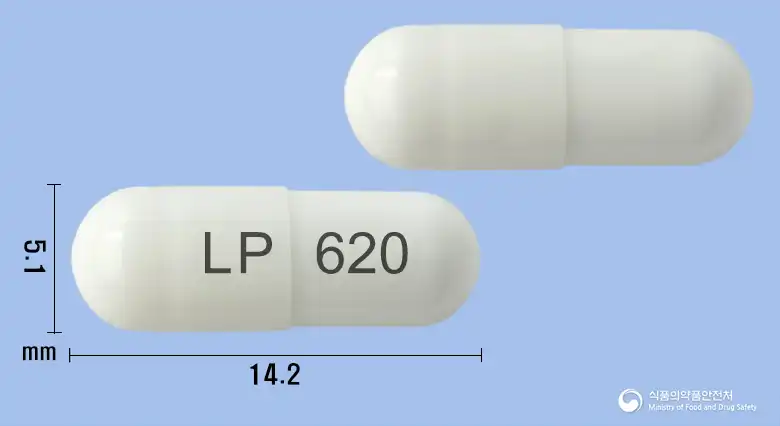
White opaque hard capsule containing white powder and particles.
56 capsules (14 capsules/PTP x 4)
Even with the same ingredient, strength, dosage form and how it is taken can differ.
Viewing nowCombinationTegafur 20mg · Gimeracil 5.8mg +1 more
Hard capsule · Prescription medication · Combination
Myeongmun Pharmaceutical Co., Ltd.
 Combination
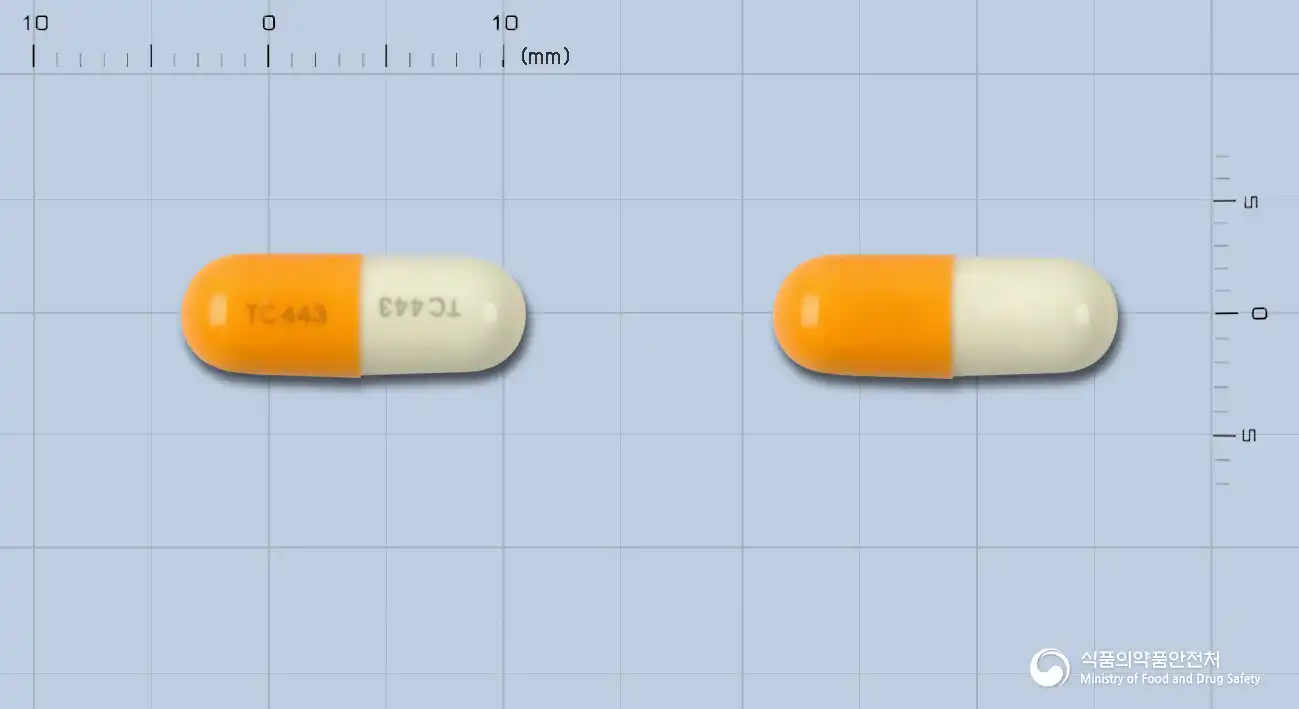
Tegafur 25mg · Gimeracil 7.25mg +1 more
Hard capsule · Prescription medication · Combination
Jeil Pharmaceutical Co., Ltd.
 Combination
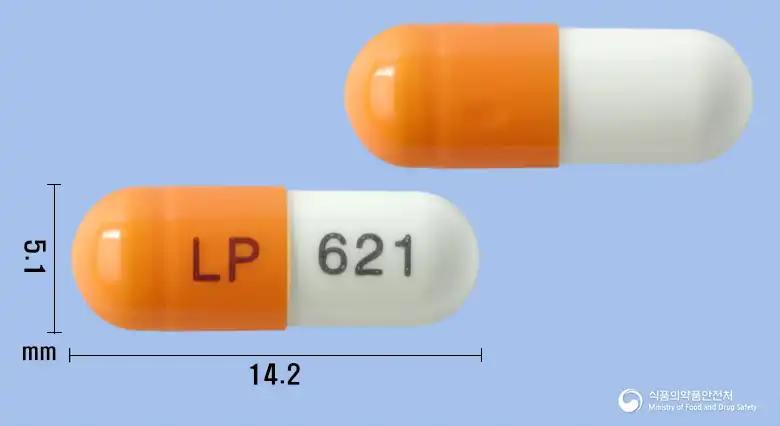
Tegafur 25mg · Gimeracil 7.25mg +1 more
Hard capsule · Prescription medication · Combination
Myeongmun Pharmaceutical Co., Ltd.
Even with the same ingredient, the dose and directions can differ by strength and dosage form. Talk to a doctor or pharmacist before switching from a medication you are already taking.
No questions yet.
For anything that needs medical judgment, consult a doctor or pharmacist.
This drug information is based on data provided by the Korea Ministry of Food and Drug Safety.
Consult a doctor or pharmacist for accurate dosage, administration, and usage instructions.