
 한국어
 English
 日本語
 中文(简体)
 Viewing now
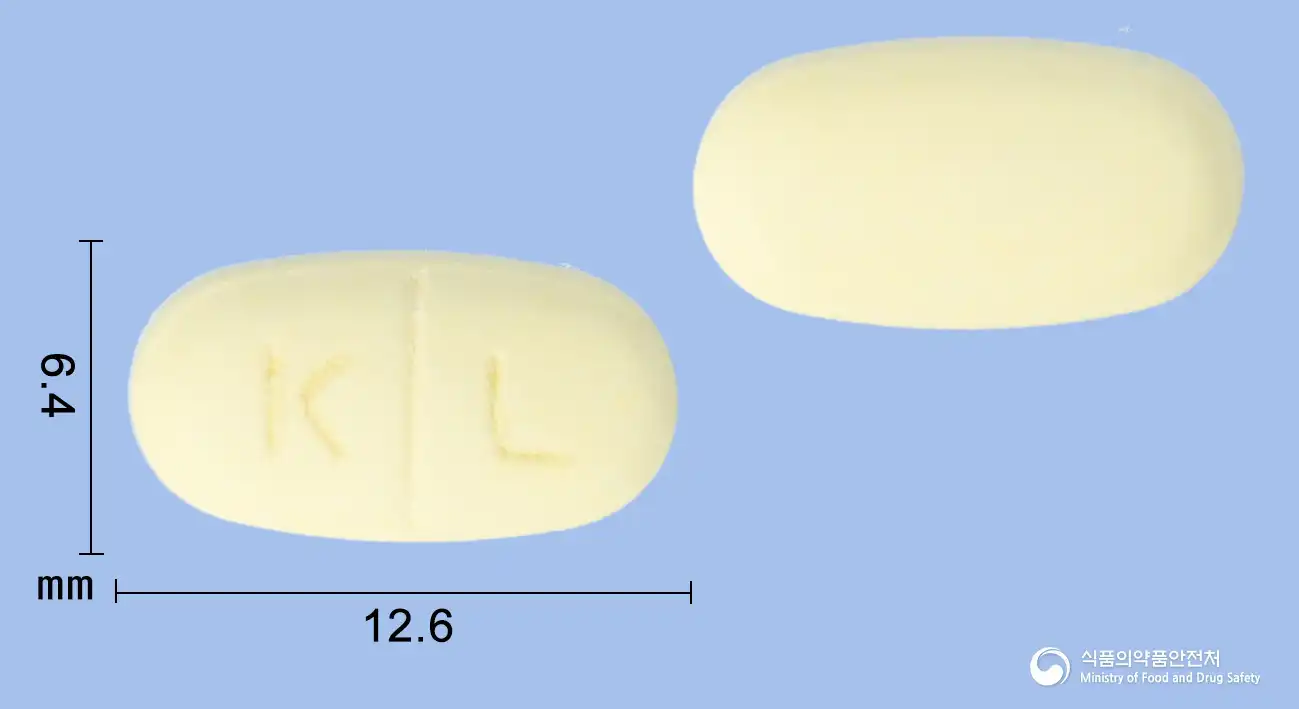
Piresco Tablet 200 mg (Pirfenidone)
Pirfenidone 200mg
Tablet · Prescription medication
Kolon Pharmaceutical Co., Ltd.
MFDS item code 201706866 · Approved 2017.08.29 · Insurance code 670304170
Treatment of idiopathic pulmonary fibrosis
Idiopathic pulmonary fibrosis is a disease in which lung tissue thickens and hardens, causing difficulty in breathing. This medication helps slow the progression of lung fibrosis and improves respiratory function. Thus, it helps to prevent the worsening of symptoms and maintain a more comfortable breathing in daily life. It is used for the treatment of idiopathic pulmonary fibrosis.
Adults: The initial dose of this product is 1 tablet (200 mg of pirfenidone) three times daily, taken orally after meals. Depending on the patient's response and tolerability, the dose may be increased by 1 tablet (200 mg) per dose at 2-week intervals, up to 3 tablets per dose (600 mg per dose, 1800 mg daily) three times daily. If gastrointestinal adverse reactions occur during treatment with this product, closely monitor the patient's response and consider reducing the dose or discontinuing treatment. Patients with hepatic impairment No dose adjustment is required for patients with mild to moderate hepatic impairment (e.g., Child-Pugh A or B); however, administer with caution because plasma concentrations of this product may increase. Perform liver function tests regularly during treatment, and consider dose adjustment or discontinuation if liver enzyme levels increase significantly (see Precautions for Use, 4. General Precautions). This product should not be administered to patients with severe hepatic impairment. Patients with renal impairment No dose adjustment is required for patients with mild to moderate renal impairment. This product should not be administered to patients with severe renal impairment (creatinine clearance <30mL/min) or end-stage renal disease requiring dialysis. Elderly patients No dose adjustment is required for patients aged 65 years or older.
The safety and efficacy of this product have not been established in pediatric and adolescent patients aged 18 years or younger.
This medication should not be administered to patients who are allergic to the active ingredient or excipients, patients with severe liver or kidney dysfunction, or patients with certain genetic metabolic disorders. Patients with impaired liver function or kidney function, elderly patients, and those with a history of photosensitivity should use this medication with additional caution. This medication may cause the skin to become very sensitive to sunlight; therefore, it is important to avoid direct sunlight or strong light exposure while taking it and to use long clothing, hats, and sunscreen. If any unusual reactions such as skin rash or itching occur, notify a physician immediately; dosage may be reduced or administration stopped if necessary. Regular liver function tests and blood tests are required, and if liver enzyme levels rise or blood cell counts change, dosage adjustments may be necessary. Drowsiness, dizziness, and fatigue may occur while taking this medication, so caution is needed when driving or operating machinery. Weight loss has been commonly reported, so monitor for weight changes, and increase nutritional intake if necessary. If any allergic reactions or serious angioedema symptoms occur, discontinue the medication immediately and seek emergency treatment. Hyponatremia may occur, so related symptoms should be confirmed through testing. Rarely, fatal skin reactions have been reported; therefore, if rashes or severe skin changes occur, discontinue administration immediately. This medication interacts with many other drugs, so it is especially important to avoid medications that inhibit or induce specific liver enzymes, smoking, and grapefruit juice consumption. Women who are pregnant or may become pregnant should avoid using this medication, and breastfeeding women should also avoid administration. The safety and efficacy for children under 18 have not been established, so it is not used in this population. Elderly patients may have reduced physical function, so administration should be conducted cautiously while closely monitoring their condition. In cases of overdose, the patient's condition should be closely monitored, and prompt treatment is necessary. This medication should be kept out of reach of children and stored in its original container to prevent misuse or degradation in quality.
Photosensitivity, appetite loss, elevated γ-GTP, gastrointestinal discomfort, nausea, drowsiness, dizziness, staggering, headache, heaviness of the head, taste disorders, anxiety, insomnia, depression, diarrhea, heartburn, abdominal distension, vomiting, constipation, gastroesophageal reflux disease, stomatitis, abdominal discomfort, abdominal pain, papular dermatitis, lip swelling, rash, itching, erythema, eczema, lichen planus, palpitations, leukocytosis, eosinophilia, thrombocytopenia, leukopenia, agranulocytosis, neutropenia, musculoskeletal pain, fatigue, weight loss, fever, flushing, increased liver enzymes (γ-GTP, AST, ALT), increased alkaline phosphatase, elevated LDH, elevated bilirubin, dyspepsia, dyspnea, cough, wet cough, facial flushing, Stevens-Johnson syndrome, toxic epidermal necrolysis, drug reactions accompanied by systemic symptoms and eosinophilia, myalgia, arthralgia, weakness, chest pain, decreased appetite, upper respiratory infection, urinary tract infection, drug-induced liver injury, anaphylaxis, skin symptoms, dermatitis, skin pain, palmoplantar erythematous sensory disturbance syndrome, seborrheic dermatitis, skin discoloration, skin disorders, skin tenderness, skin lesions, skin reactions, reduced food intake, pain, loss of taste, seizures, confusion, musculoskeletal discomfort, double vision, skin abrasions, shingles, COVID-19, acute otitis media, polyps, peripheral edema, angina pectoris, unstable angina, aneurysm, vasculitis, dry mouth, memory disturbances, hair loss, dysuria, hypersensitivity, hyponatremia, angioedema
Not everyone experiences these, and they can vary from person to person.
This medication should be stored in a tightly sealed container to protect it from air and moisture. It is important to maintain storage temperatures between 1 to 30 degrees Celsius (room temperature).
Light yellow to light brown oval film-coated tablet
100 tablets/box [(10 tablets/PTP*10)]
Even with the same ingredient, strength, dosage form and how it is taken can differ.
Viewing nowPirfenidone 200mg
Tablet · Prescription medication
Kolon Pharmaceutical Co., Ltd.
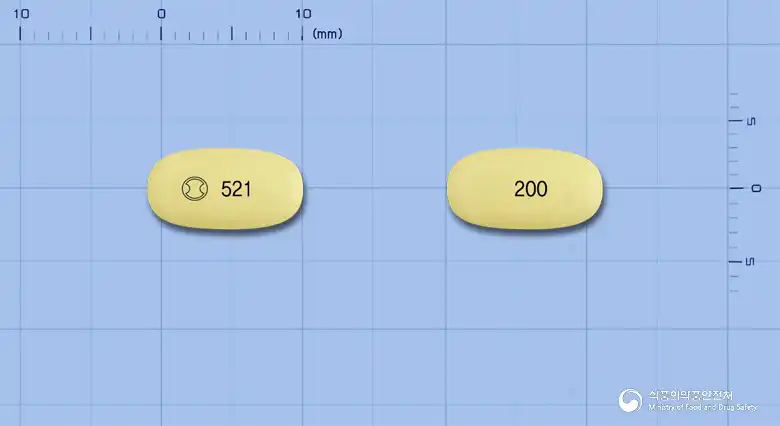
Pirfenidone 200mg
Tablet · Prescription medication
Ildong Pharmaceutical Co., Ltd.
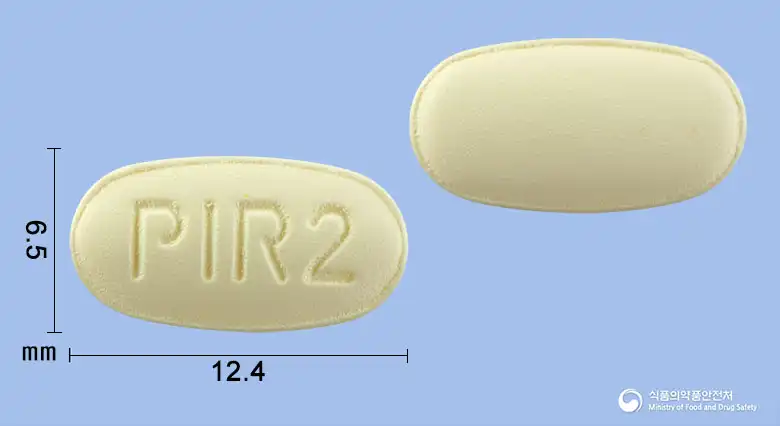
Pirfenidone 200mg
Tablet · Prescription medication
Youngjin Pharmaceutical Co., Ltd.
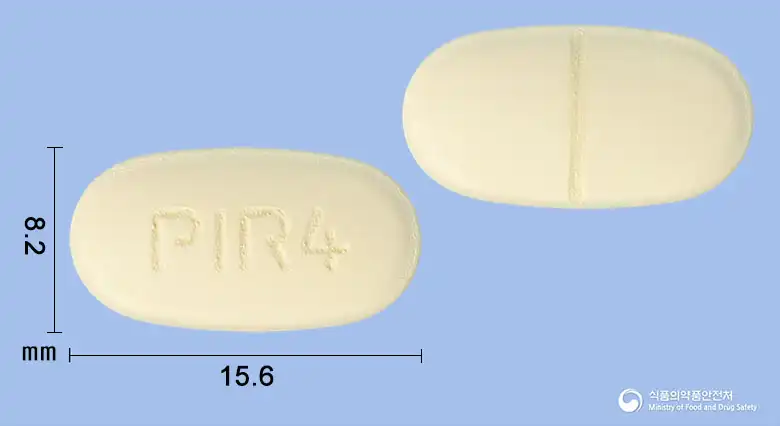
Pirfenidone 400mg
Tablet · Prescription medication
Youngjin Pharm. Co., Ltd.
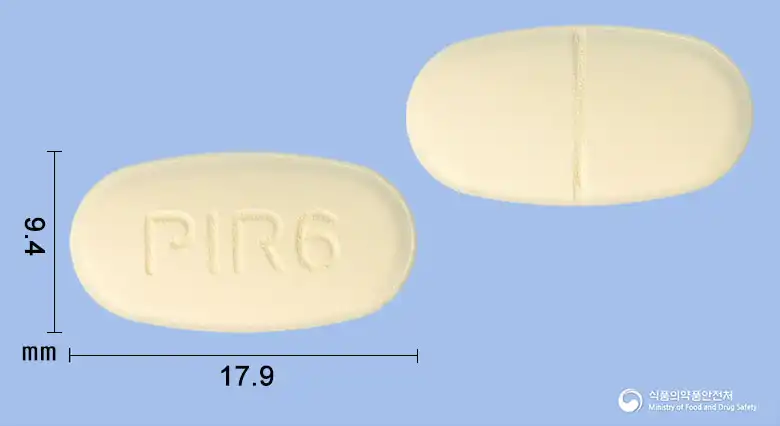
Pirfenidone 600mg
Tablet · Prescription medication
Youngjin Pharmaceutical Co., Ltd.
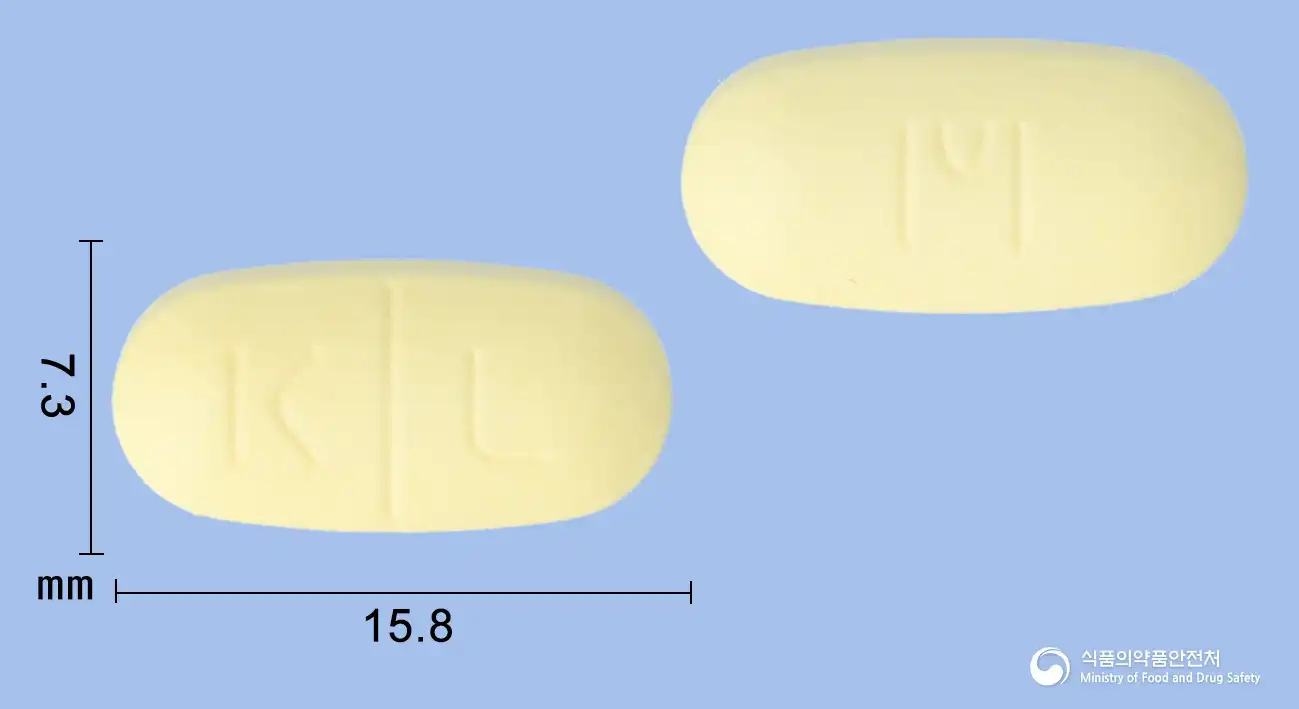
Pirfenidone 400mg
Tablet · Prescription medication
Kolon Pharmaceutical Co., Ltd.
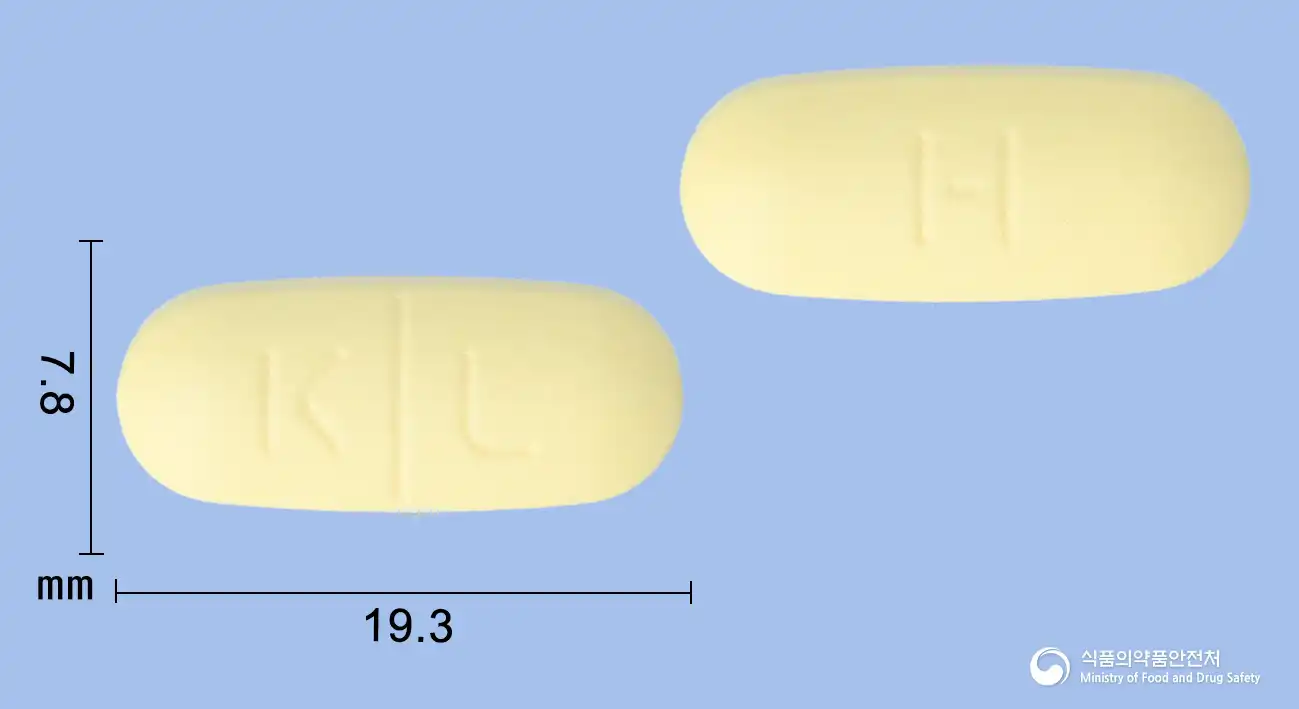
Pirfenidone 600mg
Tablet · Prescription medication
Kowon Pharm. Co., Ltd.
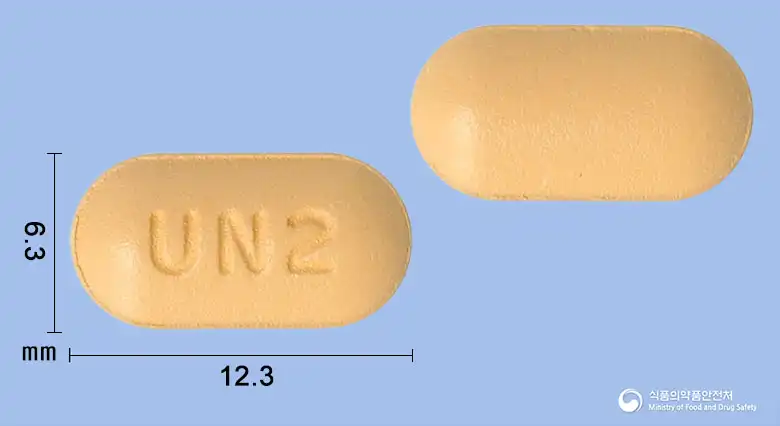
Pirfenidone 200mg
Tablet · Prescription medication
Korea Union Pharmaceutical Co., Ltd.
Even with the same ingredient, the dose and directions can differ by strength and dosage form. Talk to a doctor or pharmacist before switching from a medication you are already taking.
No questions yet.
For anything that needs medical judgment, consult a doctor or pharmacist.
This drug information is based on data provided by the Korea Ministry of Food and Drug Safety.
Consult a doctor or pharmacist for accurate dosage, administration, and usage instructions.