
 한국어
 English
 日本語
 中文(简体)
Summary
- Main use
- Treatment of chronic hepatitis B and HIV-1 infection
- Who takes it
- Adults · Children
- Adult dose
- Adults: Take 1 tablet once daily (equivalent to 245mg of tenofovir disoproxil). It may be taken with or without food. The optimal duration of treatment for chronic hepatitis B is unknown. Patients with renal impairment: For patients with a baseline creatinine clearance of <50mL/min, adjust the dosing interval of this medicine with reference to Table 1. For patients with mild renal impairment, no adjustment to the dosing interval of this medicine is necessary (creatinine clearance 50-80mL/min); calculated creatinine clearance estimates, serum phosphorus, urine glucose, and urine protein should be monitored regularly. Creatinine clearance (mL/min) ≥50: Recommended interval for taking 1 tablet: every 24 hours Creatinine clearance (mL/min) 30-49: Recommended interval for taking 1 tablet: every 48 hours Creatinine clearance (mL/min) 10-29: Recommended interval for taking 1 tablet: every 72-96 hours Patients receiving hemodialysis: Recommended interval for taking 1 tablet: every 7 days or after a total of approximately 12 hours of dialysis. Assuming 3 hemodialysis sessions of approximately 4 hours each per week, administer once weekly. This medicine should be administered after dialysis is completed. The pharmacokinetics of tenofovir have not been evaluated in patients with creatinine clearance below 10mL/min who are not receiving hemodialysis; therefore, no dosing recommendations are available for these patients.
- Child dose
- Pediatric patients aged 12 years and older (35kg or more): Take 1 tablet once daily (245mg as tenofovir disoproxil). It may be taken with or without food. Safety and efficacy have not been established in pediatric patients with chronic hepatitis B weighing less than 35kg. There are no data to provide dosage recommendations for pediatric patients with renal impairment.
Ingredients
- Manufacturer
- Dong-A ST Co., Ltd.
Efficacy & effects
Treatment of chronic hepatitis B and HIV-1 infection
- HIV-1 infection
- chronic hepatitis B
View approved original textHide original text
This medication is primarily used in adults and children over 12 years of age for the treatment of HIV-1 infection in combination with other antiretroviral agents. However, caution is needed to avoid co-administration with combination formulations that include tenofovir. Additionally, it is used for the treatment of chronic hepatitis B in the same age group, showing similar therapeutic effects. Thus, this drug is effective for treating both HIV-1 infection and chronic hepatitis B.
How to take
Adult dose
Adults: Take 1 tablet once daily (equivalent to 245mg of tenofovir disoproxil). It may be taken with or without food. The optimal duration of treatment for chronic hepatitis B is unknown. Patients with renal impairment: For patients with a baseline creatinine clearance of <50mL/min, adjust the dosing interval of this medicine with reference to Table 1. For patients with mild renal impairment, no adjustment to the dosing interval of this medicine is necessary (creatinine clearance 50-80mL/min); calculated creatinine clearance estimates, serum phosphorus, urine glucose, and urine protein should be monitored regularly. Creatinine clearance (mL/min) ≥50: Recommended interval for taking 1 tablet: every 24 hours Creatinine clearance (mL/min) 30-49: Recommended interval for taking 1 tablet: every 48 hours Creatinine clearance (mL/min) 10-29: Recommended interval for taking 1 tablet: every 72-96 hours Patients receiving hemodialysis: Recommended interval for taking 1 tablet: every 7 days or after a total of approximately 12 hours of dialysis. Assuming 3 hemodialysis sessions of approximately 4 hours each per week, administer once weekly. This medicine should be administered after dialysis is completed. The pharmacokinetics of tenofovir have not been evaluated in patients with creatinine clearance below 10mL/min who are not receiving hemodialysis; therefore, no dosing recommendations are available for these patients.
Child dose
Pediatric patients aged 12 years and older (35kg or more): Take 1 tablet once daily (245mg as tenofovir disoproxil). It may be taken with or without food. Safety and efficacy have not been established in pediatric patients with chronic hepatitis B weighing less than 35kg. There are no data to provide dosage recommendations for pediatric patients with renal impairment.
Precautions
Stopping this medication could severely worsen hepatitis, so regular check-ups of liver function should continue for several months even after discontinuation. This medication should not be used by individuals with allergies to it, or those with certain hereditary conditions such as lactose intolerance. It should not be taken in conjunction with certain other medications, especially those containing tenofovir or adefovir. Individuals with kidney impairment or at risk of kidney disease should undergo kidney function tests before taking this medication and should regularly monitor kidney status during treatment. It is advisable to avoid using this drug in conjunction with medications that could harm the kidneys. This medication can impact bone health, so patients at risk for osteoporosis or fractures should consider bone density tests and may require calcium and vitamin D supplementation. During treatment, various side effects such as headache, diarrhea, nausea, and rash may occur; if symptoms are severe or persistent, consult a doctor. It can be used during pregnancy if necessary; however, consultation with a physician is essential before and during pregnancy, and breastfeeding mothers should avoid breastfeeding while taking this medication. It is advisable not to use this medication in children under 12 years of age or those weighing less than 35 kg, as safety and efficacy have not been established. Elderly patients may have decreased kidney and liver function, requiring caution when taking this medication. In the case of an overdose, immediate medical attention is required, and this medication can be partially removed by hemodialysis. Store this medication at room temperature between 1 to 30 degrees Celsius, out of the reach of children, and keep it in the original container for safety.
Side effects
- Worsening of hepatitis
- acute renal failure
- Fanconi syndrome
- hypophosphatemia
- bone pain
- limb pain
- fractures
- muscle pain
- proximal tubular dysfunction
- dizziness
Show 116 moreCollapse
- diarrhea
- nausea
- headache
- pain
- depression
- asthenia
- vomiting
- dyspepsia
- lipodystrophy
- arthralgia
- myalgia
- insomnia
- peripheral neuropathy
- anxiety
- pneumonia
- rash
- fever
- abdominal pain
- low back pain
- loss of appetite
- abdominal distension
- sweating
- weight loss
- sinusitis
- upper respiratory tract infection
- nasopharyngitis
- fatigue
- dizziness
- nausea
- vomiting
- gastrointestinal disorders
- pneumonia
- rash reaction
- rhabdomyolysis
- osteomalacia
- muscle weakness
- myopathy
- acute tubular necrosis
- interstitial nephritis
- nephrogenic diabetes insipidus
- renal failure
- elevated creatinine
- proteinuria
- polyuria
- allergic reaction
- lactic acidosis
- hypokalemia
- respiratory distress
- pancreatitis
- increased amylase
- fatty liver disease
- hepatitis
- increased liver enzymes
- asthenia
- dyspepsia
- constipation
- gastroesophageal reflux disease
- ascites
- abdominal distension
- urinary tract infection
- gastroenteritis
- shingles
- septic shock
- deterioration of condition
- increased ALT
- increased AST
- hepatocellular carcinoma
- metastatic brain tumor
- osteoporosis
- flank pain
- sensory loss
- cerebral infarction
- diabetic neuropathy
- metabolic brain disease
- seizures
- cholelithiasis
- cirrhosis
- alcoholic sclerosis
- liver failure
- liver fibrosis
- hand fractures
- febrile neutropenia
- leukopenia
- deep vein thrombosis
- corneal degeneration
- graft-versus-host disease
- hair loss
- erythema multiforme
- sialadenitis
- onychocryptosis
- urticaria
- fibromyalgia
- herniated disc
- osteoarthritis
- limb pain
- dementia
- confusion
- sleep disorders
- bladder dysfunction
- urinary stones
- dysuria
- renal cysts
- ureteral stones
- anemia
- splenomegaly
- thrombocytopenia
- decreased appetite
- eating disorders
- cough
- rhinitis
- upper respiratory cough syndrome
- hypertension
- conjunctival hemorrhage
- ocular movement disorders
- conjunctival hyperemia
- benign prostatic hyperplasia
Not everyone experiences these, and they can vary from person to person.
Storage
This medication may be sensitive to air and moisture, so it should be stored in a tightly sealed container. It is advisable to maintain storage temperature between 1 to 30 degrees Celsius to preserve the effectiveness of the medication.
Appearance and packaging
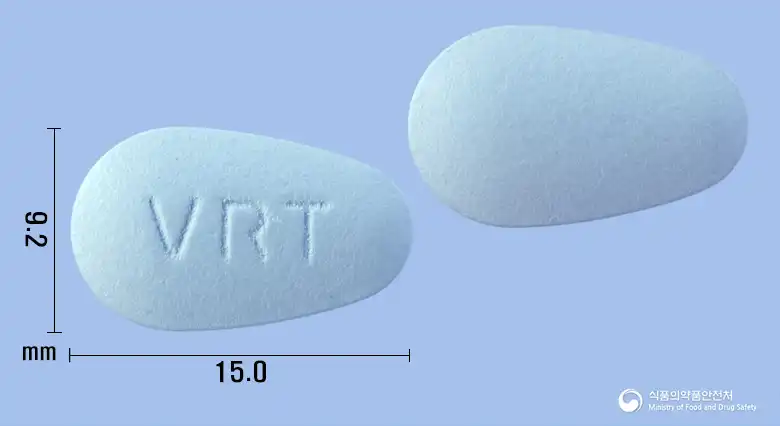
Appearance
Light blue film-coated tablet in an almond shape
Package unit
30 tablets/bottle
Questions about this medicine
No questions yet.
For anything that needs medical judgment, consult a doctor or pharmacist.