
 한국어
 English
 日本語
 中文(简体)
 Viewing now
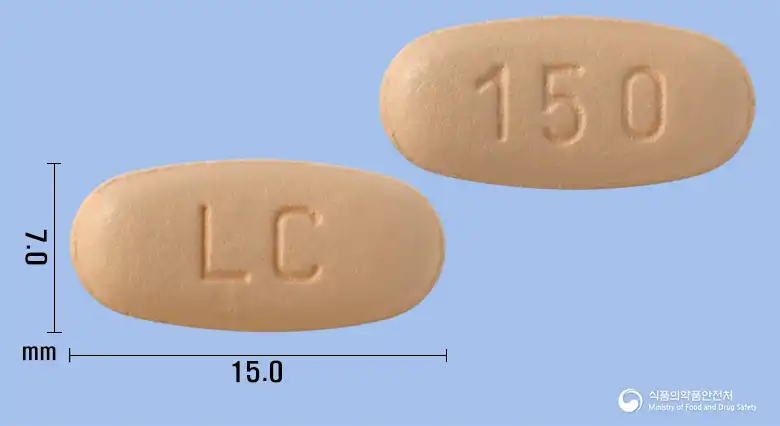
Lacosamide 150 mg (Lacosamide)
Lacosamide 150mg
Tablet · Prescription medication
Myungin Pharmaceutical Co., Ltd.
MFDS item code 201704863 · Approved 2017.06.29 · Insurance code 651904550
Adjunctive treatment of partial-onset seizures in patients with epilepsy aged 16 years and older
This medication is used to treat partial seizures in epilepsy patients aged 16 and older, effective whether generalized seizures are present or not. It helps control seizures that start partially, thus reducing the frequency and intensity of seizures. This medication is used as an adjunct to existing therapy for more effective seizure control. Patients can expect improvement in their seizure symptoms with this medication.
This medicine should be taken twice daily. The recommended initial dose is 50mg twice daily, and should be increased to 100mg twice daily after 1 week. Depending on clinical response and tolerability, the maintenance dose may be increased each week by 50mg twice daily; the maximum recommended dose is 400mg/day (200mg twice daily). If treatment with this medicine is to be discontinued, gradual dose reduction is recommended. (e.g., gradually reduce the daily dose by 200mg each week) This medicine may be taken with or without food. Patients with renal impairment No dose adjustment is necessary in patients with mild or moderate renal impairment (CLCR>30mL/min). A maximum dose of 300mg/day is recommended in patients with severe renal impairment (CLCR≤30mL/min) and end-stage renal disease. Since this medicine is removed from plasma by hemodialysis, supplemental doses of up to 50% of the single dose are recommended immediately after hemodialysis in patients undergoing hemodialysis. Treatment of patients with end-stage renal disease should be undertaken with caution because clinical experience is limited and metabolites (with unknown pharmacological activity) may accumulate. Dose adjustment should be performed carefully in all patients with renal impairment. Patients with hepatic impairment Dosing should be undertaken with caution in patients with hepatic impairment. A maximum dose of 300mg/day is recommended for patients with mild or moderate hepatic impairment. Use is not recommended in patients with severe hepatic impairment. Older adults Dose reduction is not necessary in older adults. Experience with lacosamide in older adults with epilepsy is limited; however, the decrease in renal clearance and increase in AUC associated with age should be taken into account in older adults. (See section ‘Patients with renal impairment’)
Children and adolescents under 16 years of age: Use in this age group is not recommended because data on the safety and efficacy of this medicine in children and adolescents under 16 years of age are not available.
This medication carries a risk of suicidal thoughts, suicidal behavior, and mental health issues such as depression during treatment, therefore patients and their caregivers should inform the doctor immediately if there are any changes in mood or behavior. It should not be used if there is an allergy to any component in this drug. Dizziness may occur, posing a risk of falls or injuries; hence special caution is needed when starting treatment or adjusting the dosage. Cardiac rhythm or conduction abnormalities may occur, so patients with heart disease or those taking heart-related medications should have an ECG under medical supervision. This medication can rarely cause a severe allergic reaction known as multi-organ hypersensitivity, so if symptoms such as fever or skin rashes occur, it should be discontinued immediately and medical attention sought. Common side effects include dizziness, headaches, nausea, double vision, and others. Often, these symptoms improve over time. Caution is required when driving or operating hazardous machinery as this medication may cause dizziness or blurred vision. It may interact with other anticonvulsants or heart-related drugs, so if the patient is taking any other medications, they should inform their doctor or pharmacist. For the elderly, special dosage adjustments are generally not needed, but caution is warranted due to age-related physiological changes that might affect drug concentrations. The safety and efficacy of this medication in children and adolescents under 16 years have not been established, so use in this age group is not recommended. Pregnant women should consult with their healthcare provider due to potential risks to the fetus, and breastfeeding mothers should be careful as this medication may be excreted in breast milk and affect the infant. Overdose may result in dizziness, nausea, and vomiting. There is no specific antidote; prompt medical treatment is necessary. This medication has the potential to cause psychological dependence, so it should be taken as prescribed by a doctor, without stopping or adjusting the dosage on one's own. It should be kept out of reach of children, and transferring it to another container can affect its quality.
suicidal thoughts, suicidal behavior, depression, dizziness, ataxia, prolonged PR interval, second-degree or higher atrioventricular block, atrial fibrillation, atrial flutter, multiple organ hypersensitivity reaction, headache, nausea, double vision, confusion, insomnia, mood changes, feeling depressed, cognitive impairment, eye twitching, balance disorder, cooperation disorder, memory impairment, tremors, drowsiness, dysarthria, attention deficit, sensory loss, sensory abnormalities, cerebellar syndrome, blurred vision, vertigo, tinnitus, vomiting, constipation, gastric distension, indigestion, dry mouth, diarrhea, oral sensory decline, muscle cramps, itching, gait disturbance, weakness, fatigue, hypersensitivity, feeling drunk, fever, falls, skin laceration, contusion, neutropenia, anemia, palpitations, atrioventricular block, syncope, bradycardia, abnormal liver function tests, agranulocytosis, drug hypersensitivity reaction, relief, suicide attempt, aggression, anxiety, psychotic disorder, hallucinations, bradycardia, cardiac asystole, cardiac arrest, death, toxic epidermal necrolysis, Stevens-Johnson syndrome, rash, angioedema, urticaria, convulsions, psychogenic seizures, ataxia, sedation, hair loss, blisters, early satiety, weight gain, decreased appetite, urinary incontinence, hiccups, tonic-clonic seizures, status epilepticus, electrocardiogram abnormalities, cardiac arrest
Not everyone experiences these, and they can vary from person to person.
This medication should be stored in a tightly closed container to prevent exposure to air or moisture, ideally at room temperature between 1 to 30 degrees Celsius. Storing it this way helps maintain the drug’s efficacy over time.
Peach-colored oval film-coated tablet
30 tablets/bottle, 200 tablets/bottle
Even with the same ingredient, strength, dosage form and how it is taken can differ.
Viewing nowLacosamide 150mg
Tablet · Prescription medication
Myungin Pharmaceutical Co., Ltd.
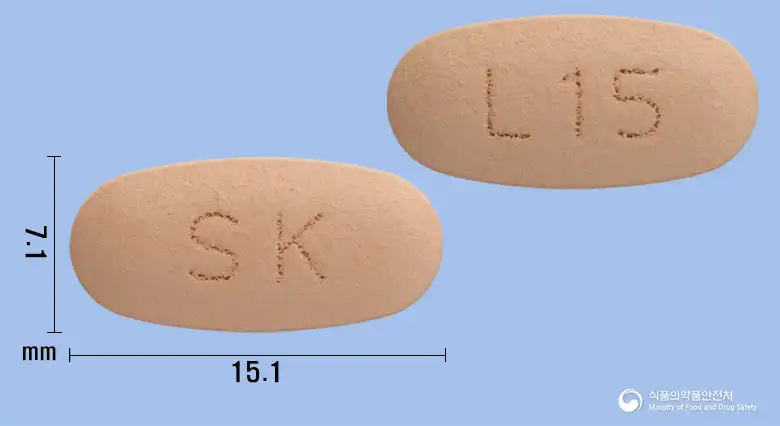
Lacosamide 150mg
Tablet · Prescription medication
SK Chemicals Co., Ltd.
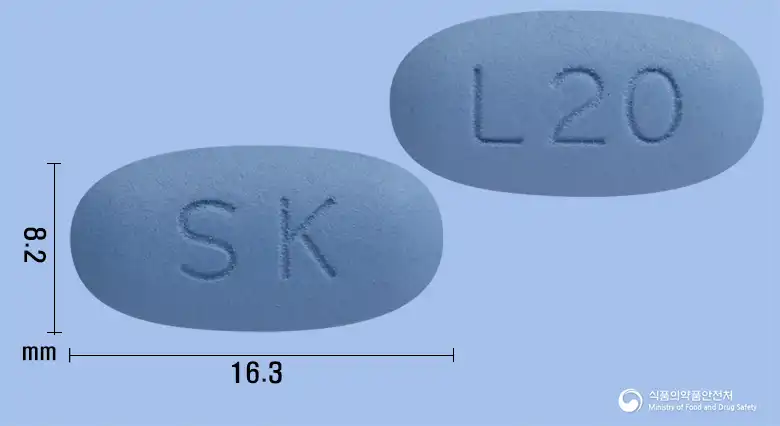
Lacosamide 200mg
Tablet · Prescription medication
SK Chemical Co., Ltd.
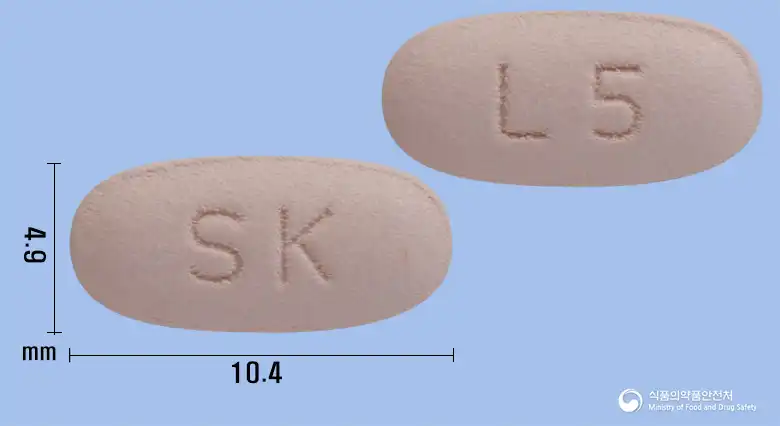
Lacosamide 50mg
Tablet · Prescription medication
SK Chemicals Co., Ltd.
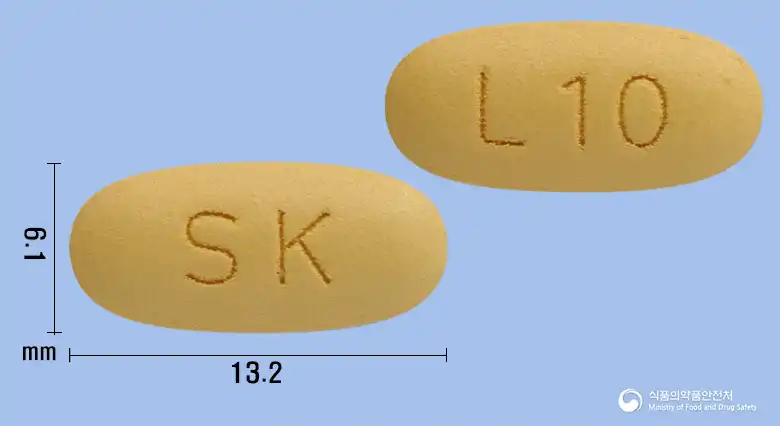
Lacosamide 100mg
Tablet · Prescription medication
SK Chemicals Co., Ltd.
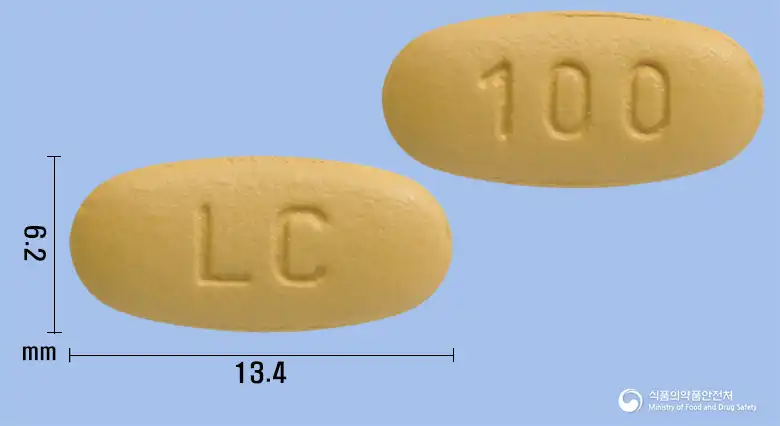
Lacosamide 100mg
Tablet · Prescription medication
Myungin Pharmaceutical Co., Ltd.
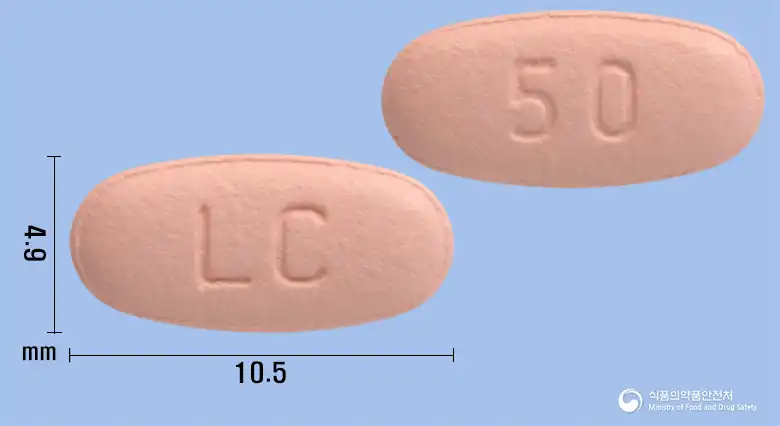
Lacosamide 50mg
Tablet · Prescription medication
Myungjin Pharmaceutical Co., Ltd.
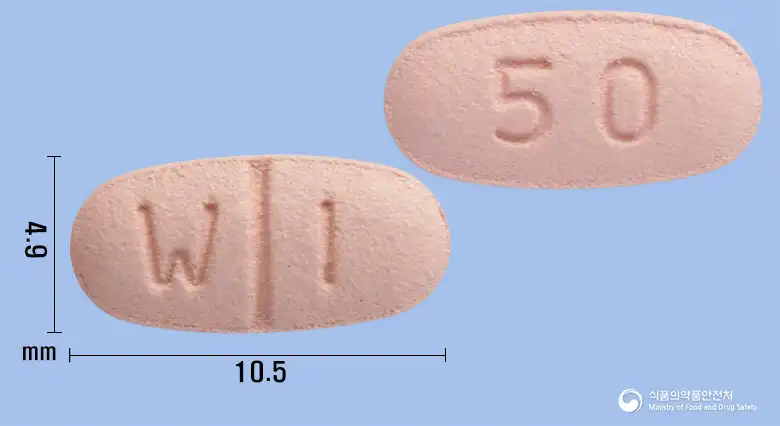
Lacosamide 50mg
Tablet · Prescription medication
Hanin Pharmaceutical Co., Ltd.
Even with the same ingredient, the dose and directions can differ by strength and dosage form. Talk to a doctor or pharmacist before switching from a medication you are already taking.
No questions yet.
For anything that needs medical judgment, consult a doctor or pharmacist.
This drug information is based on data provided by the Korea Ministry of Food and Drug Safety.
Consult a doctor or pharmacist for accurate dosage, administration, and usage instructions.