
 한국어
 English
 日本語
 中文(简体)
 Viewing now
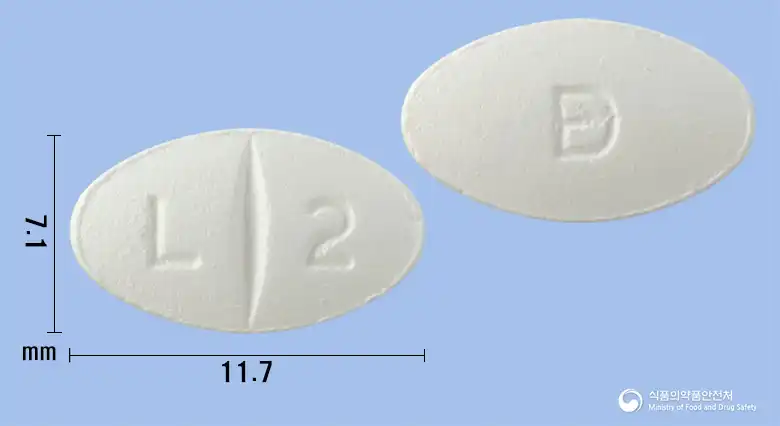
Lexastat Tablets 20mg (Escitalopram Oxalate)
Escitalopram Oxalate 25.54mg
Tablet · Prescription medication
Daewoong Bio Co., Ltd.
MFDS item code 201702248 · Approved 2017.04.28 · Insurance code 694001370
Treatment of major depressive disorder, anxiety disorders (including panic and social anxiety), and obsessive-compulsive disorder
This medication is used to treat several mental health issues including major depressive disorder, panic disorder (with or without agoraphobia), social anxiety disorder (social phobia), generalized anxiety disorder, and obsessive-compulsive disorder.
This drug is administered once daily, in the morning or evening, with or without food. 1) Adults (1) Major depressive disorder: The usual dose is 10mg once daily. The dose may be increased to a maximum of 20mg per day according to the patient's response. If the dose is to be increased to 20mg, it should be increased at intervals of at least 1 week. (2) Panic disorder with or without agoraphobia: It is recommended to start with 5mg per day for 1 week, then increase to 10mg per day. The dose may be increased to a maximum of 20mg per day according to the patient's response. (3) Social anxiety disorder: The usual dose is 10mg once daily. In general, 2-4 weeks are required for symptoms to improve. Thereafter, the dose may be reduced to 5mg per day or increased to a maximum of 20mg per day according to the patient's response. (4) Generalized anxiety disorder: The initial dose is 10mg once daily. The dose may be increased to a maximum of 20mg per day after at least 1 week of treatment, according to the patient's response. (5) Obsessive-compulsive disorder: The usual dose is 10mg once daily. The dose may be increased to a maximum of 20mg per day according to the patient's response. 3) Patients with hepatic impairment An initial dose of 5mg per day for the first 2 weeks is recommended. The dose may be increased to 10mg per day according to the patient's response. 4) Discontinuation of treatment When discontinuing this drug, the dose should be gradually reduced over at least 1-2 weeks to avoid the possibility of withdrawal symptoms.
This medication may increase the risk of suicidal thoughts or behaviors in children, adolescents, and young adults with major depression or other psychiatric disorders, so caution is needed. This medication should not be administered to patients with hypersensitivity to any of its components or those taking specific drugs such as MAO inhibitors, pimozide, etc. Patients with closed-angle glaucoma or a history of glaucoma should use this medication with caution due to its dilating effects which may increase intraocular pressure. Adverse reactions may frequently occur during the initial 1-2 weeks of administration, and various symptoms such as anxiety, insomnia, nausea, weight changes, and sexual dysfunction may appear. This medication may temporarily worsen anxiety symptoms, and patients with a history of seizures or mania should be especially cautious. Diabetic patients should rigorously manage blood sugar levels as this medication may affect blood sugar control. If symptoms such as suicidal impulses, aggressiveness, anxiety, or restlessness occur during treatment, medical consultation should be sought immediately. When discontinuing this medication, it should not be stopped suddenly, as withdrawal symptoms such as dizziness, anxiety, and sleep disturbances may occur, so it must be gradually reduced according to a physician's instructions. This medication can cause QT interval prolongation, so patients with heart diseases or those taking related drugs should undergo cardiac assessments and use it with caution. Taking this medication with other serotonergic drugs may lead to a serious side effect called serotonin syndrome, hence concurrent use should be avoided. Pregnant or breastfeeding women must consult with a physician regarding the use of this medication and if breastfeeding, they should consider stopping breastfeeding or avoiding the medication. Elderly patients should start with a lower dose and use it with caution, and safety and efficacy have not been established in children or adolescents. Patients should observe their condition carefully when driving or operating machinery, as caution may be needed. In case of overdose, central nervous system symptoms, gastrointestinal disturbances, and cardiac arrhythmias may occur, and immediate medical treatment should be sought.
Thrombocytopenia, anaphylactic reaction, inappropriate secretion of antidiuretic hormone, hyperprolactinemia, decreased appetite, increased appetite, weight gain, weight loss, hyponatremia, anorexia, anxiety, restlessness, abnormal dreams, decreased libido, sexual dysfunction, bruxism, agitation, irritability, panic attack, confusion, aggression, depersonalization, hallucination, mania, suicidal ideation, suicidal behavior, insomnia, drowsiness, dizziness, abnormal perception, tremor, taste disorder, sleep disorder, syncope, serotonin syndrome, dyskinesia, movement disorder, convulsion, psychomotor agitation, akathisia, mydriasis, visual impairment, tinnitus, tachycardia, bradycardia, QT interval prolongation on ECG, polymorphic ventricular tachycardia, ventricular arrhythmia, orthostatic hypotension, sinusitis, yawning, nosebleed, nausea, diarrhea, constipation, vomiting, thirst, gastrointestinal bleeding, hepatitis, abnormal liver function tests, increased sweating, urticaria, hair loss, rash, itching, petechiae, angioedema, arthralgia, myalgia, rhabdomyolysis, urinary retention, ejaculation disorder, erectile dysfunction, uterine bleeding, menorrhagia, galactorrhea, postpartum hemorrhage, priapism, fatigue, fever, edema, headache, dry mouth, abdominal pain, dyspepsia, enteritis, sensory disturbance, cough, asthma, dyspnea, fracture, palpitations, hypertension, paralysis, extrapyramidal disorder, migraine, chest pain, sleepiness, aggressive reaction, anorexia, hallucination, sedation, polyuria, tremor, dry mouth, heartburn, anxiety, insomnia, hallucination, dizziness, decreased libido, weight gain, nausea, abdominal pain, sexual dysfunction, drowsiness, decreased libido, hallucination, cough, asthma, dyspnea, fracture, arthralgia, palpitations, hypertension, dizziness, sensory disturbance, paralysis, extrapyramidal disorder, migraine, headache, polyuria, tremor, sweating, tremor, confusion, headache, diarrhea, palpitations, emotional instability, irritability, visual impairment, hypokalemia, hypomagnesemia, hypotension, hyponatremia
Not everyone experiences these, and they can vary from person to person.
This medication is sensitive to light, so it should be stored in a light-resistant container. Additionally, it is important to store it at room temperature between 1 degree and 30 degrees to maintain its efficacy.
White oval film-coated tablet
30 tablets/bottle, 100 tablets/bottle
Even with the same ingredient, strength, dosage form and how it is taken can differ.
Viewing nowEscitalopram Oxalate 25.54mg
Tablet · Prescription medication
Daewoong Bio Co., Ltd.
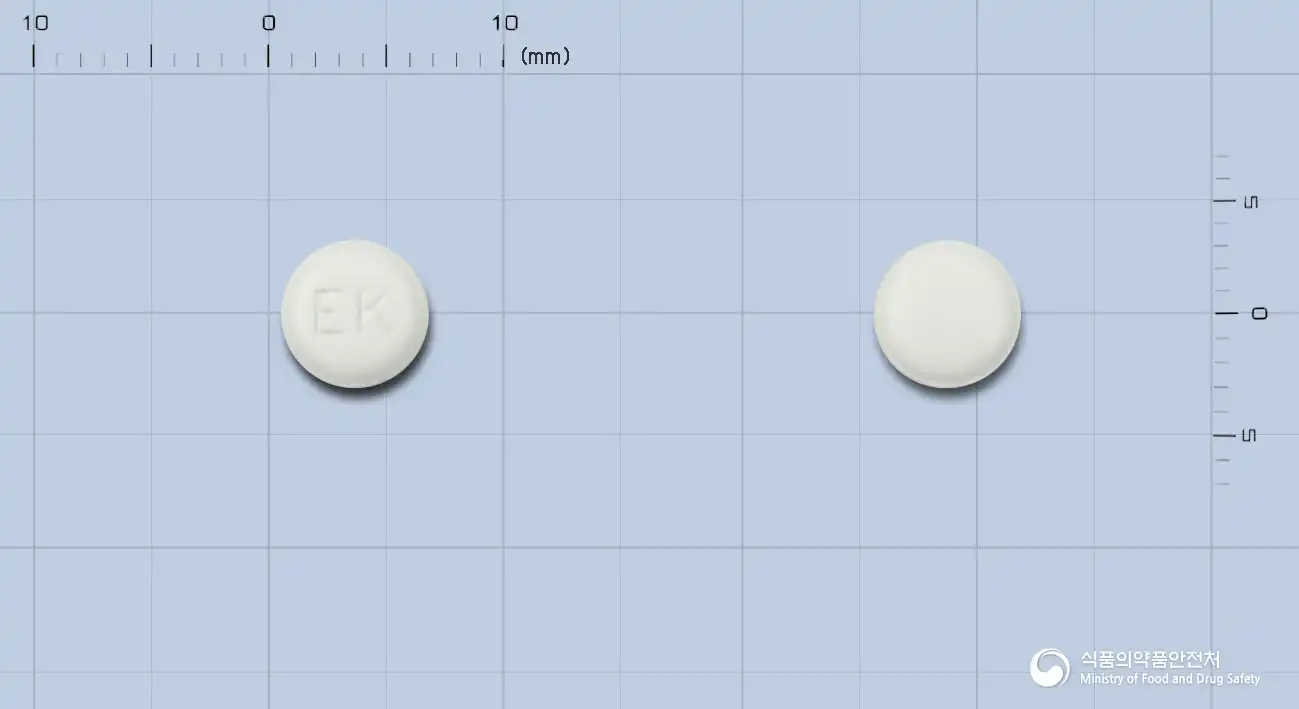
Escitalopram Oxalate 6.39mg
Tablet · Prescription medication
Lundbeck Korea Co., Ltd.
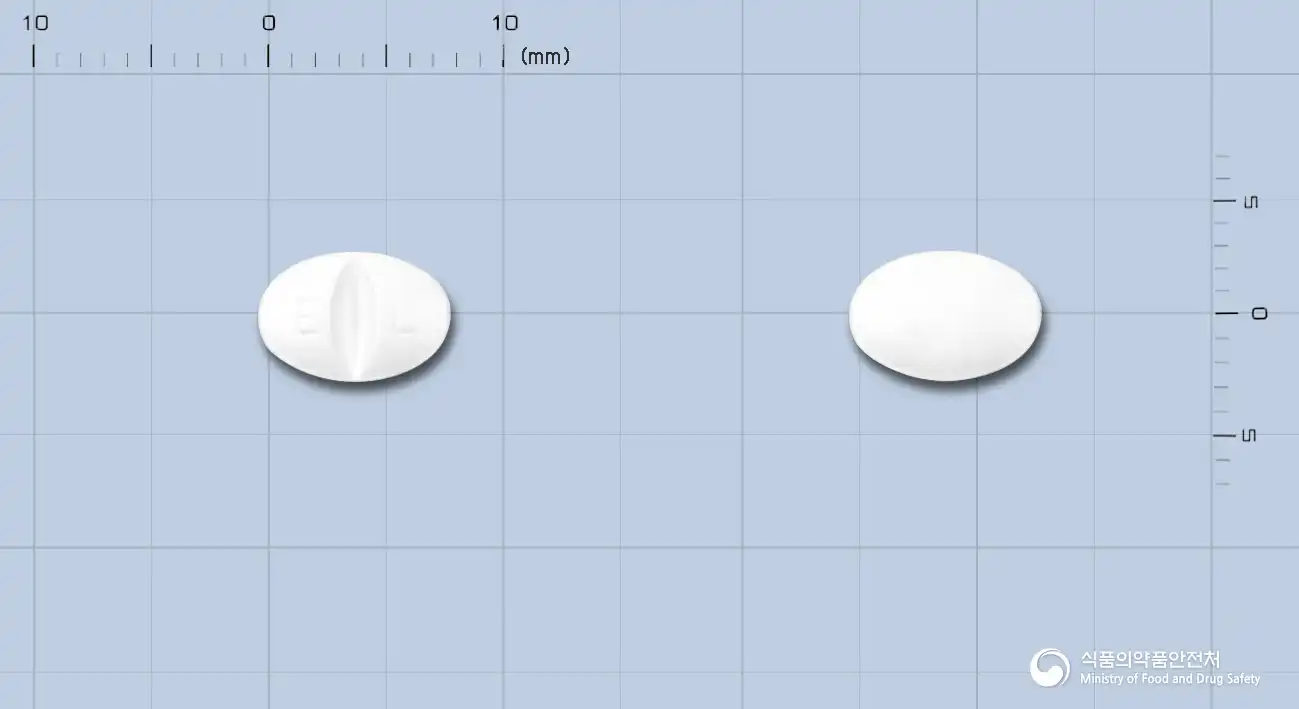
Escitalopram Oxalate 12.77mg
Tablet · Prescription medication
Hanmi Pharmaceuticals Co., Ltd.
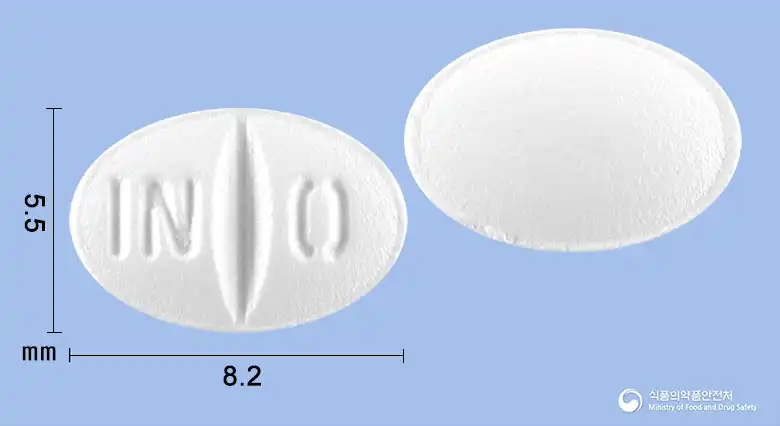
Escitalopram Oxalate 12.77mg
Tablet · Prescription medication
HK inno.N Co., Ltd.
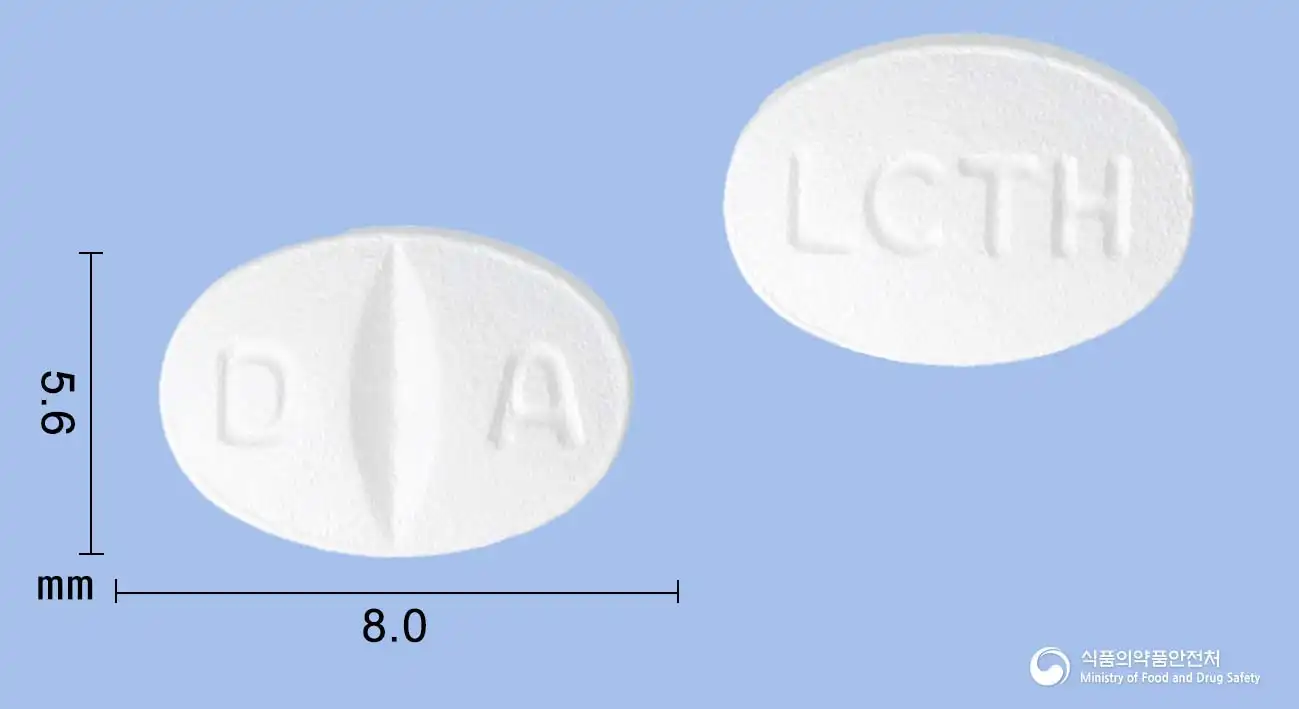
Escitalopram Oxalate 12.77mg
Tablet · Prescription medication
Dong-A ST Co., Ltd.
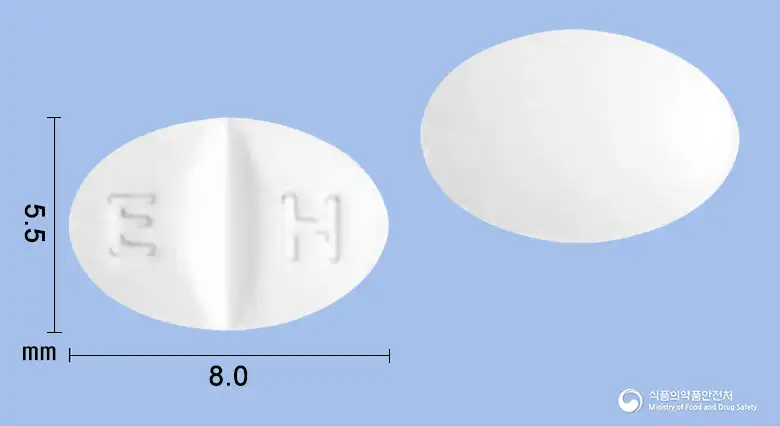
Escitalopram Oxalate 12.77mg
Tablet · Prescription medication
Hyundai Pharmaceutical Co., Ltd.
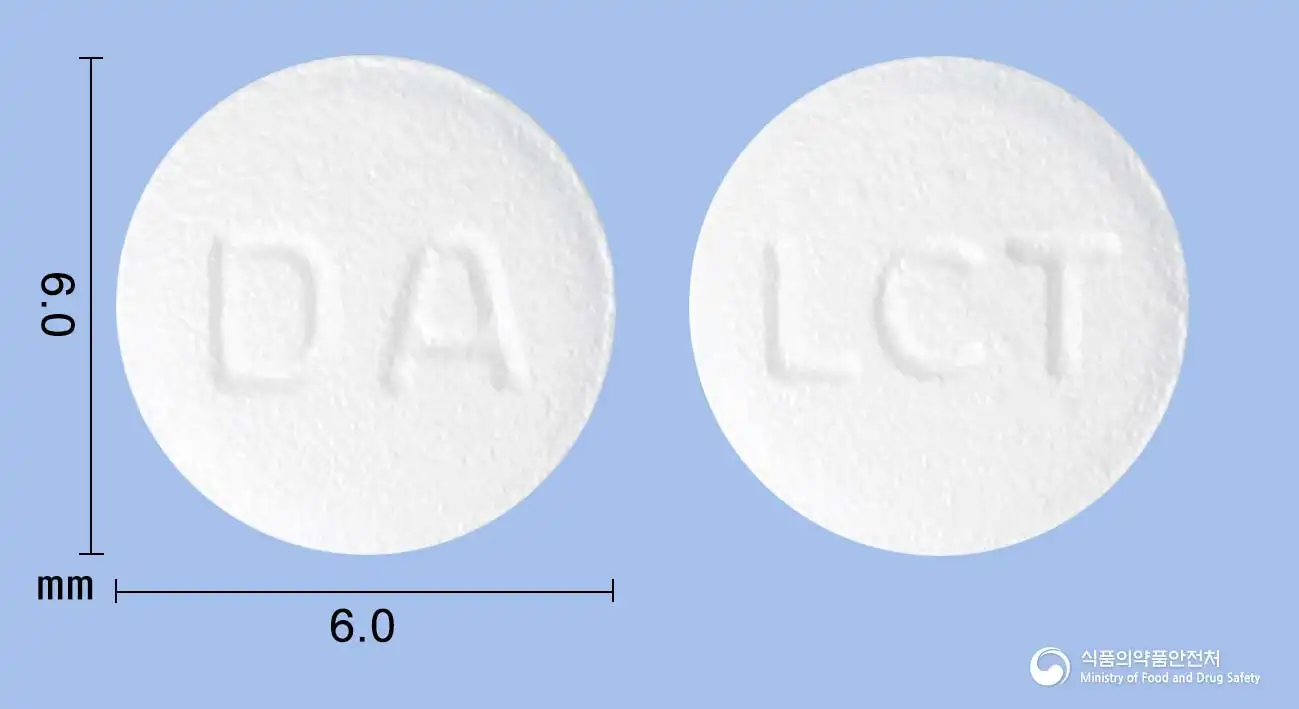
Escitalopram Oxalate 6.39mg
Tablet · Prescription medication
Dong-A ST Co., Ltd.
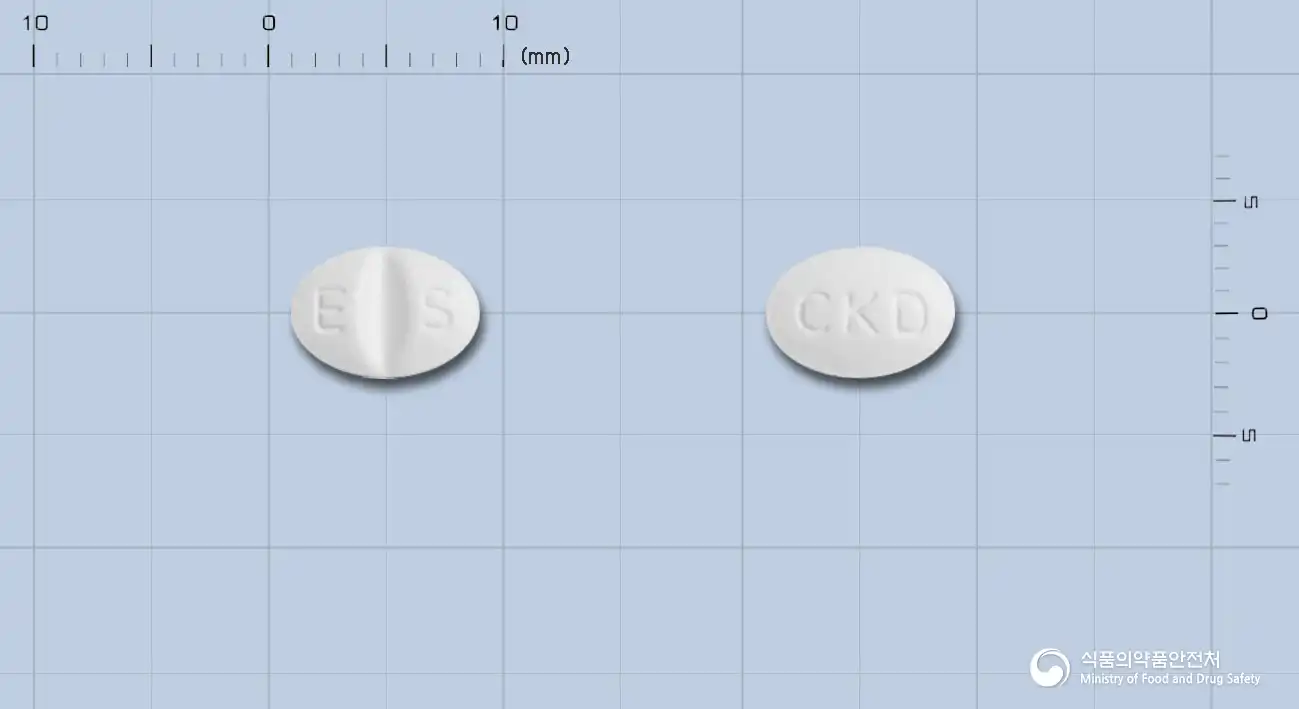
Escitalopram Oxalate 12.77mg
Tablet · Prescription medication
Jongkundang Co., Ltd.
Even with the same ingredient, the dose and directions can differ by strength and dosage form. Talk to a doctor or pharmacist before switching from a medication you are already taking.
No questions yet.
For anything that needs medical judgment, consult a doctor or pharmacist.
This drug information is based on data provided by the Korea Ministry of Food and Drug Safety.
Consult a doctor or pharmacist for accurate dosage, administration, and usage instructions.