
 한국어
 English
 日本語
 中文(简体)
 Viewing nowCombination
Trilevo 150/37.5/200 mg (Levodopa, Carbidopa, Entacapone)
Levodopa 150mg · Carbidopa Hydrate 40.5mg +1 more
Tablet · Prescription medication · Combination
Myungin Pharmaceutical Co., Ltd.
MFDS item code 201701460 · Approved 2017.03.28 · Insurance code 651904490
Treatment of motor fluctuations in Parkinson’s disease that do not improve with standard therapy
Levodopa and the DOPA decarboxylase inhibitor are used to treat motor fluctuations, i.e., late-stage motor symptoms that do not improve with standard treatment in patients with Parkinson's disease. These medicines effectively replenish the lack of dopamine in the brain, alleviating symptoms and helping to improve patients' motor function and quality of life. Therefore, these treatments play a critical role in improving the daily movements of patients with late-stage Parkinson's disease.
Take 1 tablet of Trilevo per dose, orally with or without food. One tablet constitutes one dose and should be taken whole without splitting or crushing. The appropriate daily dose for each patient should be determined carefully by adjusting the levodopa dose. It is preferable to select one of the marketed strengths of Trilevo (containing levodopa/carbidopa/entacapone at 50/12.5/200mg, 75/18.75/200mg, 100/25/200mg, 125/31.25/200mg, 150/37.5/200mg, or 200/50/200mg, respectively) and take 1 tablet per dose. Instruct patients to take only 1 tablet per dose. Patients taking 70mg~100mg or less of carbidopa per day are more likely to experience nausea and vomiting. Experience with total daily doses of 200mg or more of carbidopa is limited, whereas the maximum recommended daily dose of entacapone is 2000mg and the maximum recommended daily dose of levodopa is 1500mg. Therefore, the maximum recommended daily dose is 10 tablets for Trilevo 50/12.5/200mg, 75/18.75/200mg, 100/25/200mg, 125/31.25/200mg, and 150/37.5/200mg, and 7 tablets for Trilevo 200/50/200mg. In general, Trilevo may be used in patients currently treated with a standard levodopa/dopa decarboxylase inhibitor preparation and entacapone at doses equivalent to those in Trilevo. 1. Switching to Trilevo in patients already receiving a standard levodopa/dopa decarboxylase inhibitor (carbidopa or benserazide) and entacapone: 1) Patients currently receiving a standard levodopa/carbidopa preparation and entacapone at doses equivalent to those in Trilevo may switch directly to Trilevo. For example, a patient taking levodopa/carbidopa 50/12.5mg and entacapone 200mg 4 times daily may instead take 1 tablet of Trilevo 50/12.5/200mg 4 times daily. 2) In patients currently receiving a standard levodopa/carbidopa preparation and entacapone at doses that are not equivalent to those in Trilevo, carefully titrate the dose to achieve optimal clinical effect. The initial dose of Trilevo should be set to approximate the patient's current total daily levodopa dose as closely as possible. 3) When switching patients receiving a standard levodopa/benserazide preparation and entacapone to Trilevo, discontinue levodopa/benserazide on the night before starting treatment and begin Trilevo the next morning. Initiate treatment with a Trilevo dose equivalent to the current levodopa dose or slightly higher (5~10%). 2. Switching to Trilevo in patients not currently taking entacapone: In patients with Parkinson's disease whose end-of-dose motor fluctuations are not adequately controlled with standard levodopa/dopa decarboxylase inhibitor therapy, Trilevo at a dose equivalent to their current treatment may be considered. However, direct switching from standard levodopa/dopa decarboxylase inhibitor therapy to Trilevo is not recommended in patients with dyskinesia or those taking a daily levodopa dose of 800mg or more. In these patients, it is preferable to administer entacapone as a separate tablet and adjust (reduce) the levodopa dose if necessary before switching to Trilevo. Entacapone enhances the effects of levodopa. Therefore, particularly in patients with dyskinesia, it may be necessary to reduce the levodopa dose by approximately 10-30% within 1 day to 1 week after initiating Trilevo. The daily levodopa dose may be reduced by lengthening the dosing interval or reducing the levodopa dose per administration, according to the patient's clinical condition. 3. Dose adjustment during treatment If an increase in the levodopa dose is required, the frequency of Trilevo administration should be increased according to the dosage and administration instructions described above, or a dose increase within the recommended range should be considered. If a reduction in the levodopa dose is required, reduce the total daily dose of Trilevo by lengthening the dosing interval and reducing the frequency of administration, or by reducing the dose of Trilevo administered. If another levodopa medicine is used concomitantly with Trilevo, observe the maximum recommended dose. - Discontinuation of Trilevo: When Trilevo (levodopa/carbidopa/entacapone) is discontinued and the patient is switched to a levodopa/dopa decarboxylase inhibitor, adjustment of the doses of other antiparkinsonian medicines, particularly levodopa, is necessary to control the symptoms of Parkinson's disease. - Elderly patients: No dose adjustment of Trilevo is required in elderly patients. - Patients with hepatic impairment: Trilevo should be administered with caution to patients with mild or moderate hepatic impairment. Dose adjustment (reduction) may be necessary. - Renal impairment: Renal impairment does not affect the pharmacokinetics of entacapone. No specific reports are available on the pharmacokinetics of levodopa and carbidopa in patients with renal impairment. Trilevo should be administered with caution to patients with severe renal impairment, including patients receiving dialysis.
Patients 18 years of age or younger: The safety and efficacy of Trilevo have not been evaluated. Therefore, use of Trilevo is not recommended in patients 18 years of age or younger.
This medication is used in the treatment of Parkinson's disease and helps alleviate motor disorder symptoms. Severe side effects such as severe movement disorders or rhabdomyolysis, which may occur after neuroleptic malignant syndrome, should be monitored when taking this medication. Symptoms may include muscle rigidity, high fever, changes in mental status, and autonomic nervous system abnormalities; thus, if any unusual symptoms occur, it is essential to consult healthcare professionals immediately. This drug should not be administered to specific patients, such as those with allergies to the drug ingredients, pregnant or breastfeeding women, and those with severe liver disease or certain ophthalmic conditions. Patients with impaired liver or kidney function, a history of peptic ulcers, cardiovascular diseases, or psychiatric disorders should use this medication cautiously and make decisions regarding administration in consultation with healthcare professionals. During the course of this medication, various side effects such as movement disorders, nausea, diarrhea, muscle pain, dizziness, drowsiness, blood pressure changes may appear; thus, symptoms should be closely monitored and reported immediately if any abnormalities occur. Changes in mental health status, such as hallucinations, depression, impulse control disorders, may occur; therefore, patients and caretakers should observe these changes carefully. Furthermore, this medication may interact with other drugs, so if there are other medications being taken, it is vital to inform healthcare professionals, especially when combined with antidepressants, antipsychotics, or antihypertensive medications. Pregnant or breastfeeding women should avoid the use of this medication and consult healthcare professionals for safe alternative treatments. If this medication is taken for a long time, regular monitoring of liver function, blood tests, cardiovascular, and renal function is recommended. In case of overdose, it is necessary to visit a medical facility immediately for appropriate treatment such as gastric lavage, drug absorption inhibition, and monitoring of heart and respiratory conditions, as self-treatment can be hazardous.
Not everyone experiences these, and they can vary from person to person.
This medication should be stored in a tightly sealed container to protect it from air and humidity. It is recommended to store it at room temperature, between 1°C and 30°C, rather than in extremely cold or hot places.
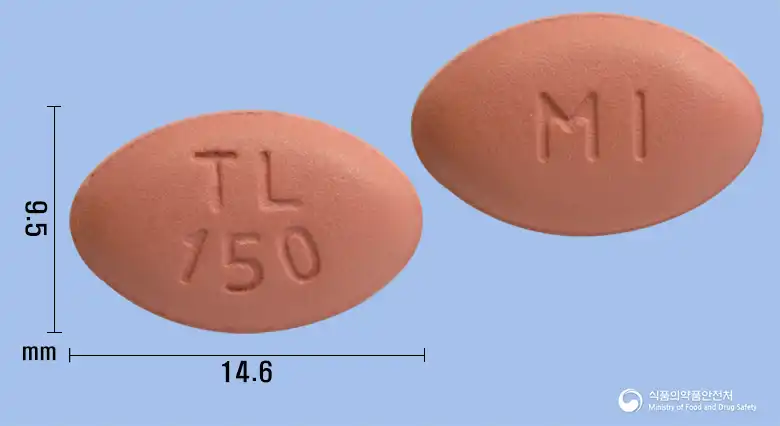
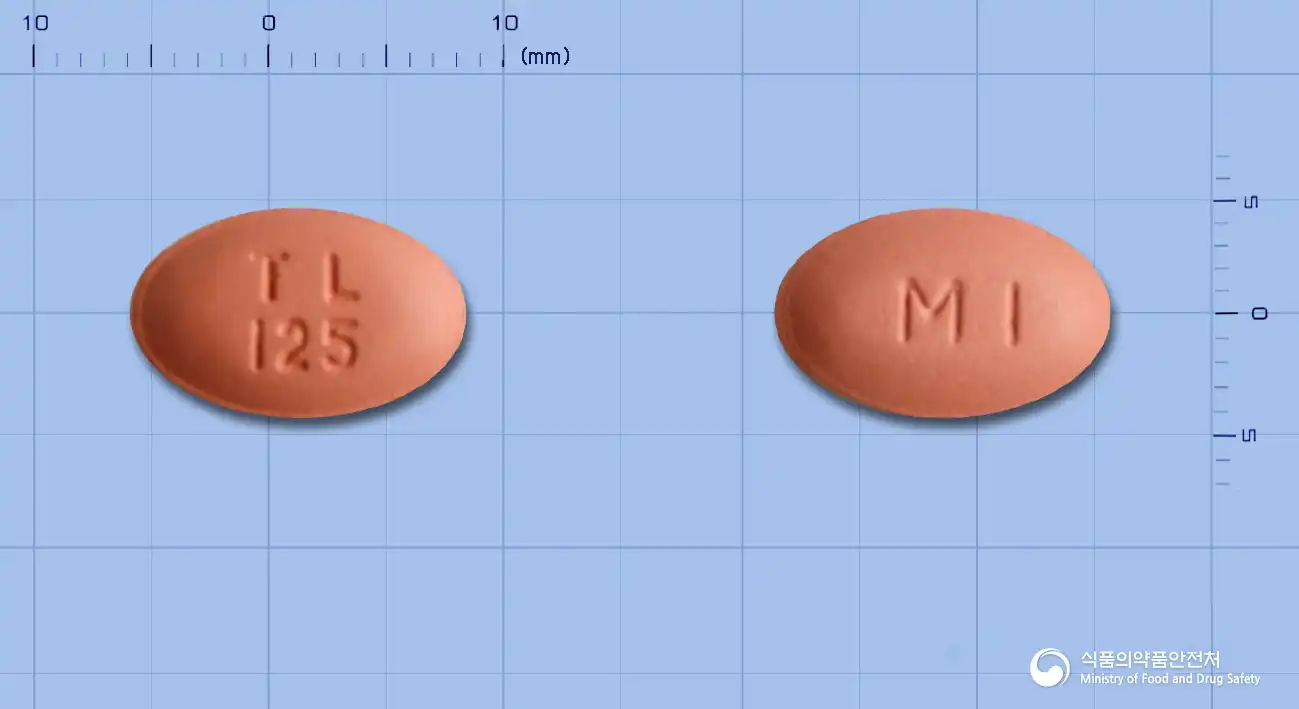
Round brownish-red film-coated tablets
30 tablets/bottle, 100 tablets/bottle
Even with the same ingredient, strength, dosage form and how it is taken can differ.
Viewing nowCombinationLevodopa 150mg · Carbidopa Hydrate 40.5mg +1 more
Tablet · Prescription medication · Combination
Myungin Pharmaceutical Co., Ltd.
 Combination
Entacapone 200mg · Levodopa 50mg +1 more
Tablet · Prescription medication · Combination
Alvogen Korea Co., Ltd.
 Combination
Entacapone 200mg · Levodopa 100mg +1 more
Tablet · Prescription medication · Combination
Alvogen Korea Co., Ltd.
 Combination
Entacapone 200mg · Levodopa 150mg +1 more
Tablet · Prescription medication · Combination
AlboGen Korea Co., Ltd.
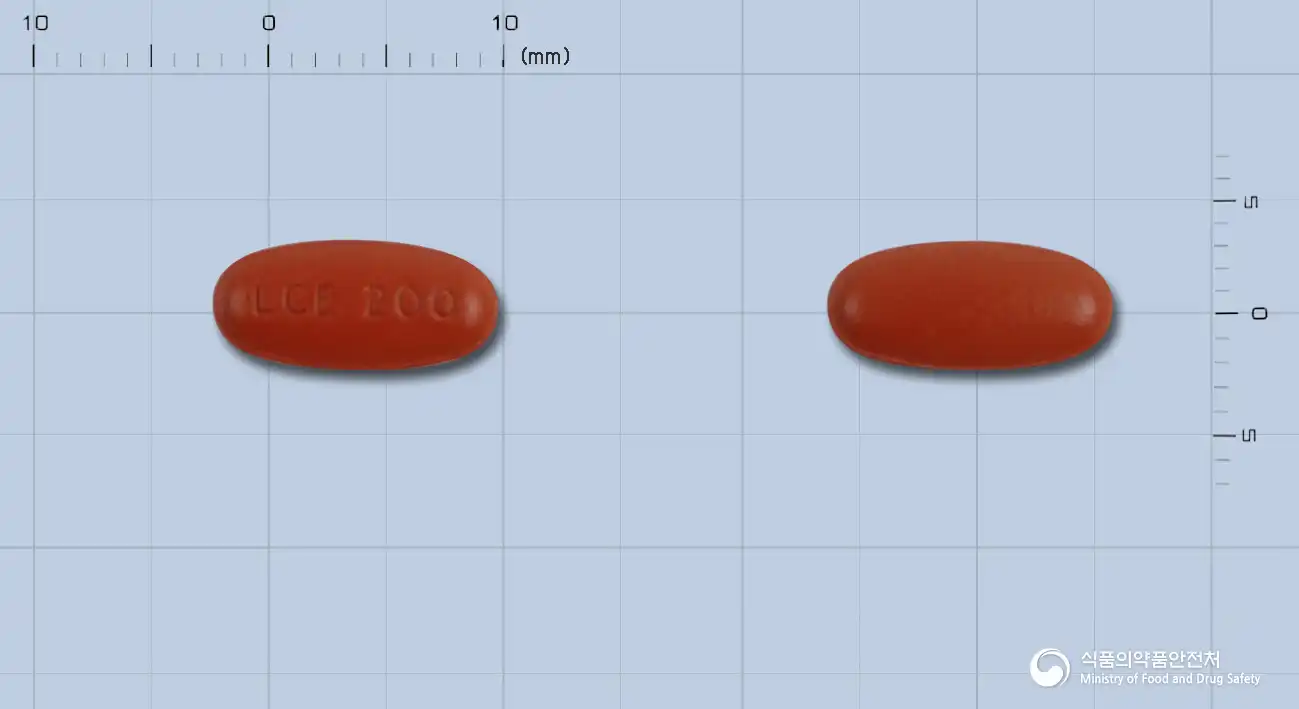 Combination
Entacapone 200mg · Levodopa 200mg +1 more
Tablet · Prescription medication · Combination
Albozen Korea Co., Ltd.
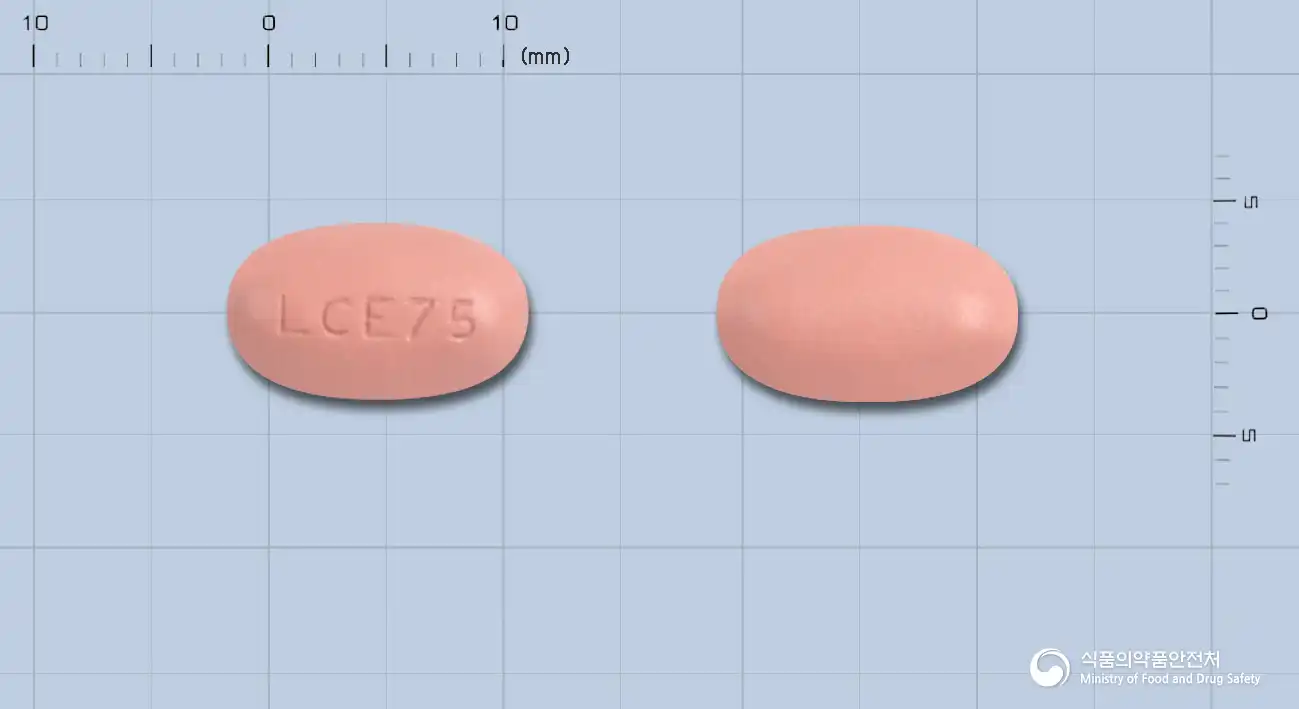 Combination
Entacapone 200mg · Levodopa 75mg +1 more
Tablet · Prescription medication · Combination
Albozen Korea Co., Ltd.
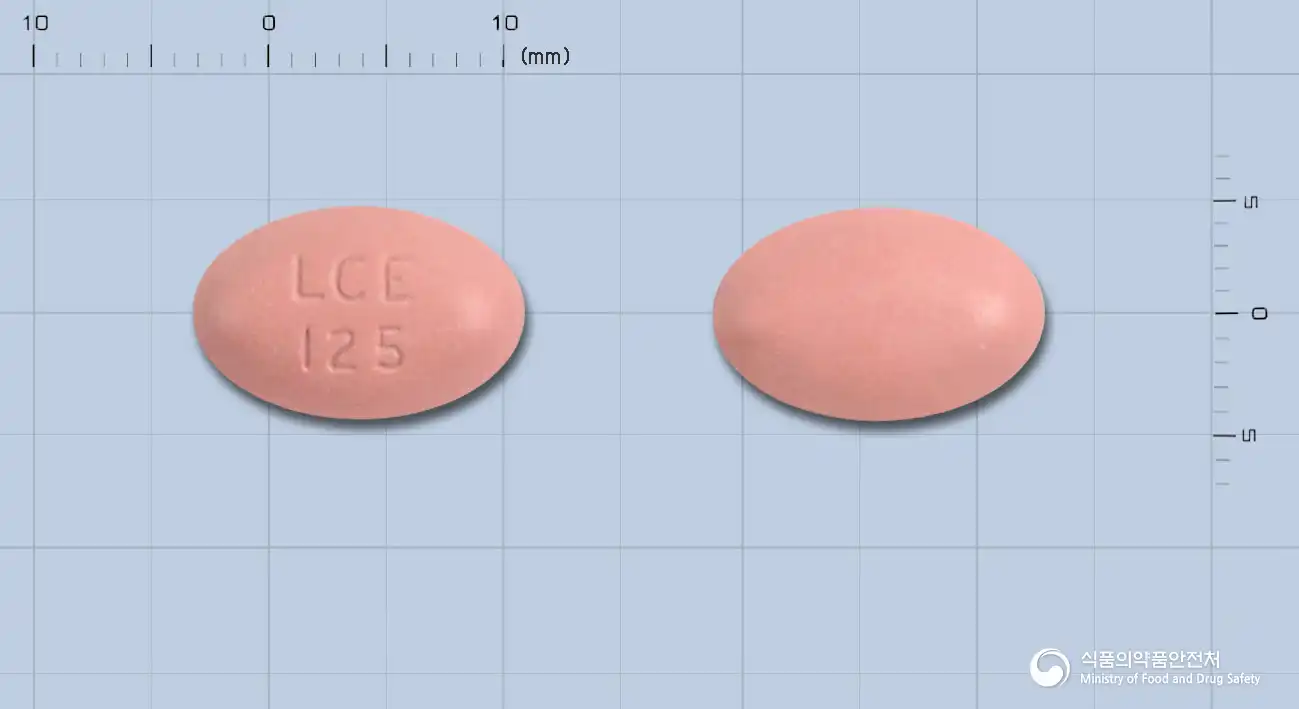 Combination
Entacapone 200mg · Levodopa 125mg +1 more
Tablet · Prescription medication · Combination
Albazen Korea Co., Ltd.
 Combination
Levodopa 125mg · Carbidopa Hydrate 33.8mg +1 more
Tablet · Prescription medication · Combination
Myeongjin Pharmaceutical Co., Ltd.
Even with the same ingredient, the dose and directions can differ by strength and dosage form. Talk to a doctor or pharmacist before switching from a medication you are already taking.
No questions yet.
For anything that needs medical judgment, consult a doctor or pharmacist.
This drug information is based on data provided by the Korea Ministry of Food and Drug Safety.
Consult a doctor or pharmacist for accurate dosage, administration, and usage instructions.