
 한국어
 English
 日本語
 中文(简体)
 Viewing now
Jungheon Ribavirin Capsule 200 mg
Ribavirin 200mg
Hard capsule · Prescription medication
Jungheon Pharmaceutical Co., Ltd.
MFDS item code 201701378 · Approved 2017.03.21
Treatment of chronic hepatitis C in combination with interferon
This medication is used in combination with interferon alpha-2b or peginterferon alpha-2a, and alpha-2b injections for the treatment of chronic hepatitis C. It helps to suppress the virus and improve liver function. It contributes to increasing the treatment effect for patients and preventing complications due to chronic hepatitis. Therefore, good results can be expected when it is used in combination for the treatment of chronic hepatitis C.
1. Adults: Administer orally twice daily, adjusting the dose according to body weight. 1) Less than 65 kg: 800 mg per day (400 mg in the morning, 400 mg in the evening) 2) 65∼85 kg: 1000 mg per day (400 mg in the morning, 600 mg in the evening) 3) More than 85 kg: 1200 mg per day (600 mg in the morning, 600 mg in the evening) 2. Reduce the dose to 600 mg per day in patients with a hemoglobin level below 10 g/dL, and discontinue treatment in patients with a level below 8.5 g/dL. 3. In patients with a history of stable cardiovascular disease, if the hemoglobin level decreases by 2 g/dL or more within 4 weeks at any time during treatment, reduce the dose to 600 mg per day. If the level remains below 12 g/dL after 4 weeks on the reduced dose, discontinue treatment. 4. Do not administer to patients with a creatinine clearance of less than 50 mL/min.
This drug should not be used by pregnant women or women who may become pregnant, and their partners. This drug can cause severe malformations or harmful effects to the fetus. Patients with unstable heart disease should also not use this drug. This drug can cause a serious side effect called hemolytic anemia, which can worsen heart conditions. Individuals who have previously experienced allergic reactions to this drug or interferon injections should not take this drug. Patients with autoimmune hepatitis, severe heart disease, hemoglobinopathy, or severe liver or kidney dysfunction should also refrain from using it. Breastfeeding women must cease breastfeeding during the use of this medication. This drug is not recommended for children or adolescents with serious mental health issues. Patients with anemia should have frequent blood tests before administering this drug and carefully monitor their heart condition. Patients with a history of mental illness should use this drug very cautiously as it may exacerbate depression or psychiatric symptoms. Patients with autoimmune diseases should also be careful when using this drug. Patients with gout, leukopenia, thrombocytopenia, diabetes, or elderly individuals should be cautious when using this drug. Regular blood tests, liver function tests, and thyroid function tests should be performed while taking this medication. Women who may become pregnant should use effective contraception during and for a certain period after the treatment, and should have regular pregnancy tests. This drug may increase the risk of side effects when taken with certain other medications, so it should be discussed with a doctor. There is no specific antidote for overdose, so it should be reported to healthcare personnel immediately, and appropriate treatment should be received based on symptoms. The safety and efficacy of this drug in children have not been established, so it should not be used in those under 18 years of age. This drug may affect eye health, so if there are changes in vision, an examination should be conducted immediately. If psychiatric symptoms or serious hypersensitivity reactions occur, use should be discontinued immediately and healthcare personnel consulted.
Not everyone experiences these, and they can vary from person to person.
This medication should be stored in a tightly sealed container to protect it from air and moisture. Additionally, it is best to store the drug at room temperature between 1°C and 30°C. This storage method ensures that the efficacy of the drug is well maintained and can be used safely.
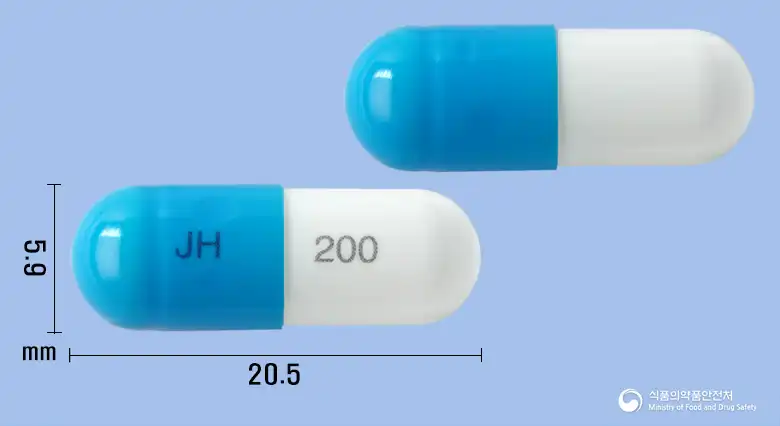
A hard capsule with a dark blue upper part and a white lower part containing a white powder
30 capsules/bottle, 100 capsules/bottle
Even with the same ingredient, strength, dosage form and how it is taken can differ.
Viewing nowRibavirin 200mg
Hard capsule · Prescription medication
Jungheon Pharmaceutical Co., Ltd.
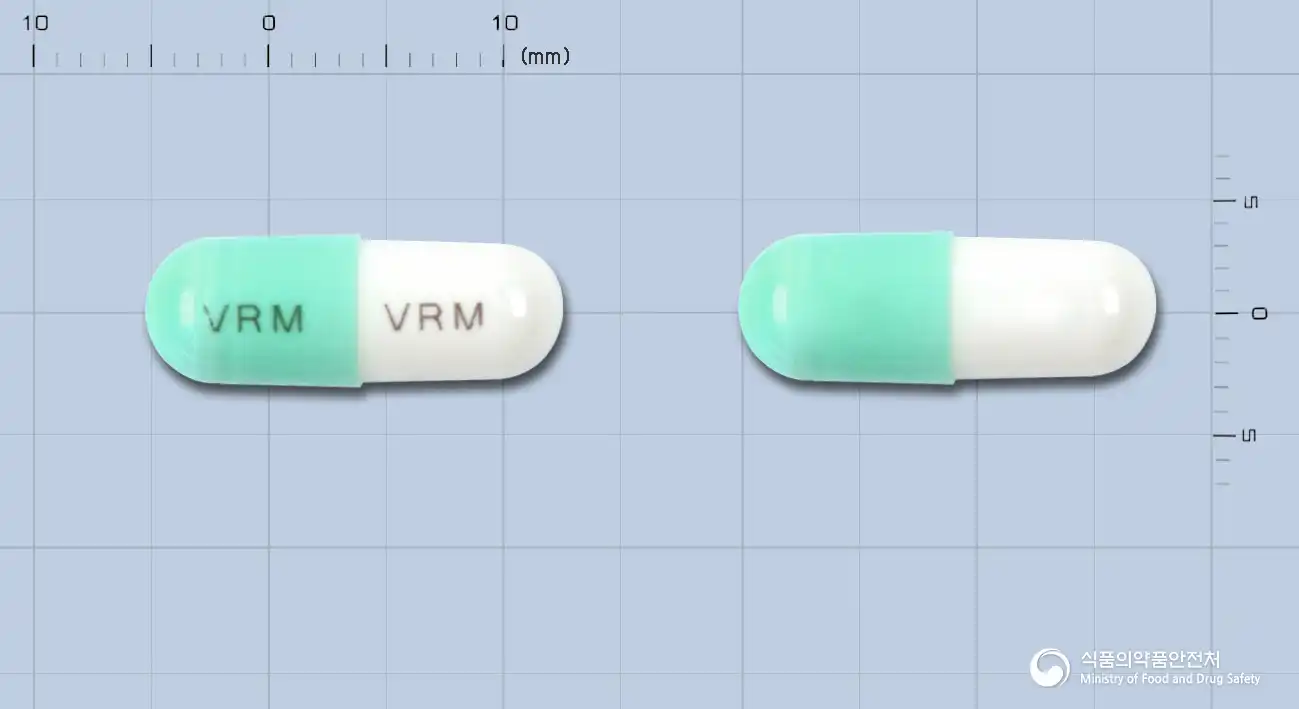
Ribavirin 100mg
Hard capsule · Prescription medication
Ilsung IS Co., Ltd.
Ribavirin
Prescription medication
Donggu Bio Pharmaceutical Co., Ltd.
Even with the same ingredient, the dose and directions can differ by strength and dosage form. Talk to a doctor or pharmacist before switching from a medication you are already taking.
No questions yet.
For anything that needs medical judgment, consult a doctor or pharmacist.
This drug information is based on data provided by the Korea Ministry of Food and Drug Safety.
Consult a doctor or pharmacist for accurate dosage, administration, and usage instructions.