
 한국어
한국어 English
 日本語
日本語 中文(简体)
 Viewing now
Termina Tablet (Terbinafine Hydrochloride)
Terbinafine Hydrochloride 140.625mg
Tablet · Prescription medication
IYON Pharmaceutical Co., Ltd.
MFDS item code 201701292 · Approved 2017.03.15
Treatment of dermatophyte infections (tinea pedis, tinea corporis, etc.) and onychomycosis
This medication is used in adults for the treatment of dermatophyte infections such as tinea pedis, tinea corporis, and tinea cruris, as well as onychomycosis. It is also used for the treatment of tinea capitis in children. In summary, it helps improve various fungal infections occurring in the skin and nails.
As terbinafine, administer 125 mg once, twice daily, or 250 mg once daily. The duration of treatment depends on the condition: 1) Dermatophyte infections - Tinea pedis (interdigital, plantar/moccasin type): 2 to 6 weeks - Tinea corporis: 2 to 4 weeks - Tinea cruris (jock itch): 2 to 4 weeks 2) Onychomycosis - Typically administered for 6 weeks to 3 months. - If infected toenails or relatively small toes, or if the patient is young, treatment can be shortened to less than 3 months. The treatment duration for nail infections is usually sufficient for 3 months, but in some patients, it may take 6 months or more. In patients with slow nail growth, the treatment period may be extended.
Administered to children over 2 years of age. It is not recommended for those under 2 years as there is no experience of administration. Tinea capitis: 4 weeks 1) Children weighing less than 20 kg (under 5 years): 1 time 62.5 mg, 1
It is best to avoid using this medication in patients with chronic liver disease or active liver disease. Before taking this medication, it is essential to verify whether there is a history of liver disease. Since liver function could be affected, it is important to have regular liver function tests before and during the use of this medication. If liver function test results elevate, the use of this medication must be stopped immediately. If symptoms such as unexplained nausea, decreased appetite, fatigue, vomiting, pain in the upper right abdomen, jaundice, dark urine, or diarrhea occur during treatment, notify a doctor immediately. This medication can rarely result in severe liver damage or liver failure, and in such cases, it must be discontinued immediately. Patients with allergic reactions to this medication or its ingredients, those with blood disorders or severe renal failure, children under 2 years of age, and nursing mothers should not take this medication. Additionally, patients with genetic metabolic disorders such as lactose intolerance should also not use this medication. Patients with decreased kidney function, elderly individuals over 65 years of age, and children under 20 kg should use this medication with caution. Severe skin reactions can rarely occur while taking this medication, so if skin rashes or unusual symptoms arise, discontinue use immediately. Caution is needed while driving or operating machinery as dizziness and other symptoms may occur. This medication can interact with other drugs, so it is important to inform your doctor or pharmacist if you are taking other medications. Women who are pregnant or may become pregnant should consult their doctor thoroughly if they need to take this medication. It is safe for nursing mothers to stop breastfeeding while on this medication. Overdose can result in headaches, nausea, upper abdominal pain, or dizziness; seek medical attention immediately if these symptoms occur. This medication must be stored out of reach of children and kept at room temperature, avoiding direct sunlight.
Hepatobiliary failure, hepatitis, cholestasis, jaundice, neutropenia, pancytopenia, agranulocytosis, thrombocytopenia, mucocutaneous syndrome (Stevens-Johnson syndrome), toxic epidermal necrolysis, acute generalized exanthematous pustulosis, erythema multiforme, toxic skin rash, exfoliative dermatitis, blistering dermatitis, severe skin reactions, rhabdomyolysis, anaphylactic reactions (including angioedema, systemic lupus erythematosus)
Rash, itching, fever, nausea, vomiting, decreased appetite, fatigue, musculoskeletal reactions (joint pain, muscle pain), muscle pain, weakness, elevated CPK, increased myoglobin in blood and urine, lowered blood pressure, shortness of breath, chest tightness, hives, erythema, facial swelling, lymphangitis, gastrointestinal symptoms (abdominal bloating, indigestion, diarrhea), discomfort in the stomach, thirst, glossitis, depression, anxiety, headache, taste disturbance, dizziness, drowsiness, fatigue
Not everyone experiences these, and they can vary from person to person.
This medication should be stored in a tightly sealed container to prevent air and moisture from entering. It is also recommended to keep it at room temperature between 1°C and 30°C. This will help maintain the medication's effectiveness for a longer period.
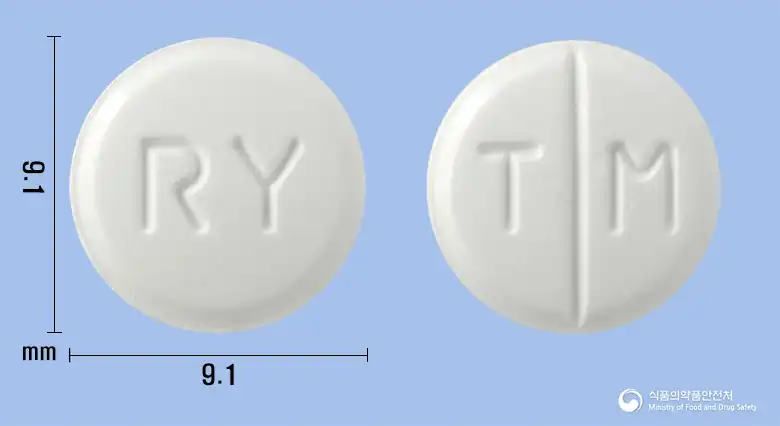
White round tablet
30 tablets/bottle, 100 tablets/bottle
Even with the same ingredient, strength, dosage form and how it is taken can differ.
Viewing nowTerbinafine Hydrochloride 140.625mg
Tablet · Prescription medication
IYON Pharmaceutical Co., Ltd.
Terbinafine Hydrochloride 10mg
Cream · OTC medication
GP Therapeutics Korea Co., Ltd.
Terbinafine Hydrochloride 10mg
Cream · OTC medication
Korea Hutex Pharmaceutical Co., Ltd.
Terbinafine Hydrochloride 10mg
Cream · OTC medication
Anguk Pharmaceutical Co., Ltd.
Terbinafine Hydrochloride 10mg
Cream · OTC medication
Medica Korea Co., Ltd.
Terbinafine Hydrochloride 10mg
Cream · OTC medication
Gyeongnam Pharmaceutical Co., Ltd.
Terbinafine Hydrochloride 10mg
Cream · OTC medication
Daehwa Pharmaceutical Co., Ltd.
Terbinafine Hydrochloride 10mg
Cream · OTC medication
Korea Pharmaceutical Co., Ltd.
Even with the same ingredient, the dose and directions can differ by strength and dosage form. Talk to a doctor or pharmacist before switching from a medication you are already taking.
No questions yet.
For anything that needs medical judgment, consult a doctor or pharmacist.
This drug information is based on data provided by the Korea Ministry of Food and Drug Safety.
Consult a doctor or pharmacist for accurate dosage, administration, and usage instructions.