
 한국어
한국어 English
 日本語
日本語 中文(简体)
 Viewing now
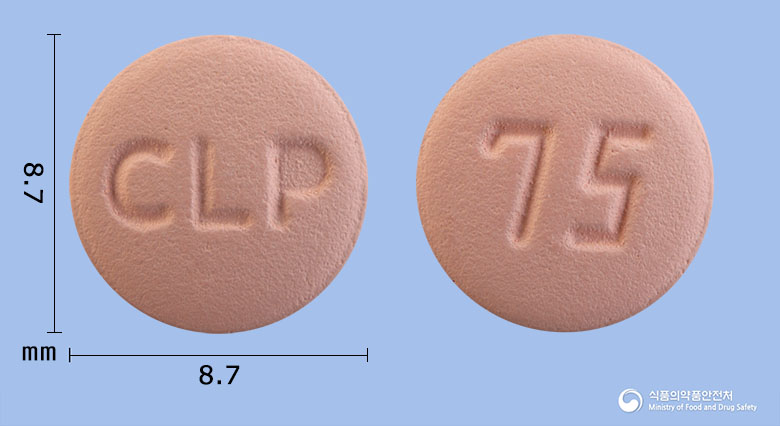
Selavix Tablet 75 mg (Clopidogrel Sulfate)
Clopidogrel Bisulfate 97.875mg
Tablet · Prescription medication
Celltrion Pharmaceutical Co., Ltd.
MFDS item code 201701198 · Approved 2017.03.09 · Insurance code 693902400
Treatment to improve atherosclerotic symptoms such as ischemic stroke and myocardial infarction, and to reduce the risk of stroke.
This medication is used to improve symptoms of various cardiovascular-related diseases. It first improves atherosclerotic symptoms in adult patients with ischemic stroke, myocardial infarction, or peripheral arterial disease. Additionally, it helps improve atherosclerotic symptoms such as death due to cardiovascular issues, myocardial infarction, stroke, or refractory ischemia in adult patients with acute coronary syndrome. Meanwhile, in patients with atrial fibrillation who have vascular risk factors, where vitamin K antagonists are unsuitable and the risk of bleeding is low, it is used to reduce the risk of thrombosis such as stroke. It is effectively utilized in improving symptoms of patients with various cardiovascular diseases and risk factors.
For patients with ischemic stroke, myocardial infarction, or peripheral arterial disease, clopidogrel should be taken orally at a dose of 75 mg once daily. For patients with acute coronary syndrome, a loading dose of 300 mg should be taken orally once on the day of initiation followed by a maintenance dose of 75 mg once daily. For patients with atrial fibrillation, 75 mg should be taken orally once daily. Aspirin 75–325 mg should be taken once daily in combination with this medication.
This medication prevents blood platelets from aggregating to prevent blood clotting. Firstly, this medication is affected by the function of the specific enzyme CYP2C19 in the liver. Individuals with genetically reduced function of this enzyme may have decreased medication effectiveness, thereby increasing the risk of heart or vascular issues. Moreover, taking medications that activate the CYP2C19 enzyme along with this medication can increase the concentration of the active ingredient, elevating the risk of bleeding. Taking such medications together is not recommended. This medication should not be used in certain situations. For example, individuals allergic to this medication or its ingredients, those who currently have bleeding, individuals with severe liver dysfunction, breastfeeding women, and those with genetic issues like lactose intolerance should not take it. Patients with a high risk of bleeding or bleeding disorders, those with decreased liver or kidney function, patients who recently suffered a stroke, individuals with severe hypertension, elderly patients, underweight individuals, and those allergic to similar medications should use this medication with caution. During treatment, if symptoms of bleeding or abnormal reactions occur, immediate consultation with a doctor is advised, and if surgery is planned, this medication can be discontinued 5-7 days prior to the surgery. This medication may increase the risk of bleeding, so it is particularly important to exercise caution when taken with other drugs related to bleeding risk. For instance, co-administration with aspirin, non-steroidal anti-inflammatory drugs, anticoagulants, or selective serotonin reuptake inhibitors (SSRIs) may heighten the risk of bleeding. During pregnancy, the risk to the fetus is not high, but there is a bleeding risk during childbirth, so caution is warranted. If breastfeeding, consideration should be given to stopping breastfeeding or discontinuing the medication due to the potential for the drug to be excreted in breast milk. Safety and efficacy in children have not been established, and seniors are at a higher risk of bleeding, thus requiring dosage adjustment and condition monitoring. In cases of overdose, the risk of significant bleeding may increase, so caution is advised. In emergencies, platelet transfusion can reverse the effects of the medication. Finally, this medication should be stored out of the reach of children, and transferring it to another container is not advisable for quality maintenance.
Urticaria, severe swelling (edema), bleeding disorders (gastrointestinal bleeding, intracranial bleeding, hematomas, intraocular bleeding, hemoptysis, pulmonary hemorrhage, hematuria, etc.), hemorrhagic stroke, life-threatening bleeding, severe allergic reactions, thrombocytopenia, agranulocytosis, aplastic anemia, thrombotic thrombocytopenic purpura (TTP), liver dysfunction (liver function impairment, acute liver failure, hyperbilirubinemia), severe skin reactions (Stevens-Johnson syndrome, toxic epidermal necrolysis)
Not everyone experiences these, and they can vary from person to person.
This medication should be stored in a tightly sealed container to prevent exposure to air or moisture. The storage temperature should be maintained between 1 degree and 30 degrees Celsius to effectively preserve the medication's efficacy and safety.
Pink, round, film-coated tablet
30 tablets (10 tablets/Alu-Alu *3)
Even with the same ingredient, strength, dosage form and how it is taken can differ.
Viewing nowClopidogrel Bisulfate 97.875mg
Tablet · Prescription medication
Celltrion Pharmaceutical Co., Ltd.
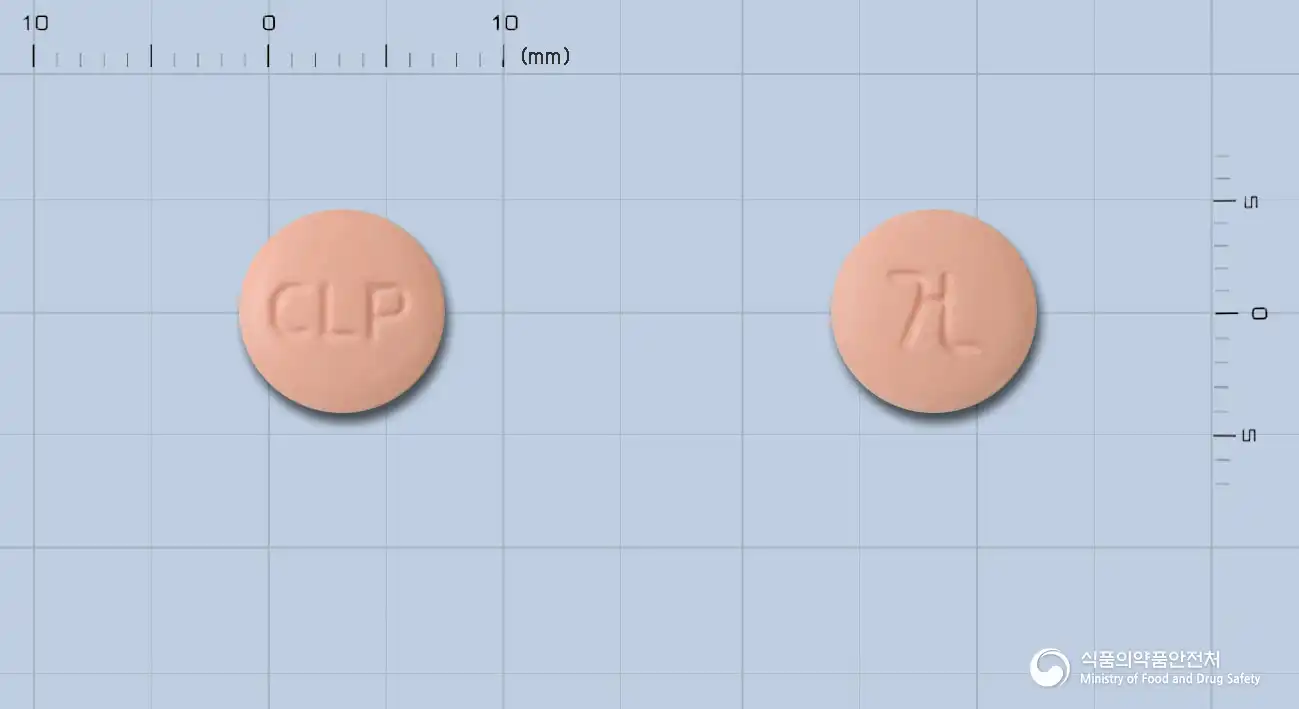
Clopidogrel Bisulfate 97.875mg
Tablet · Prescription medication
Geonil Pharmaceutical Co., Ltd.
Clopidogrel Bisulfate 97.875mg
Tablet · Prescription medication
Sama Pharmaceutical Co., Ltd.
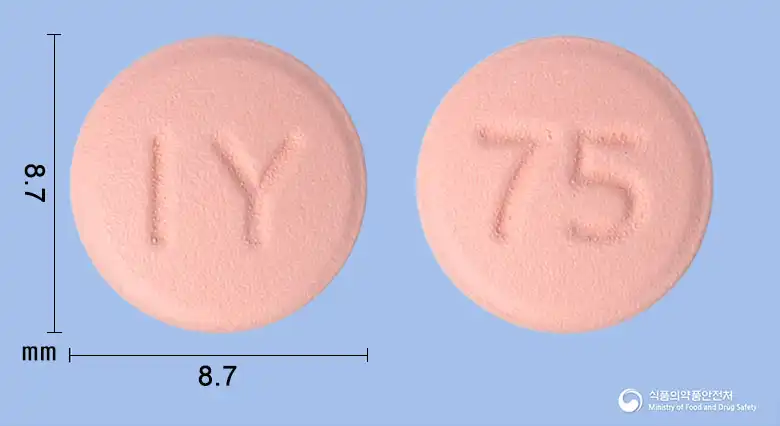
Clopidogrel Bisulfate 97.875mg
Tablet · Prescription medication
Il Yang Pharmaceutical Co., Ltd.
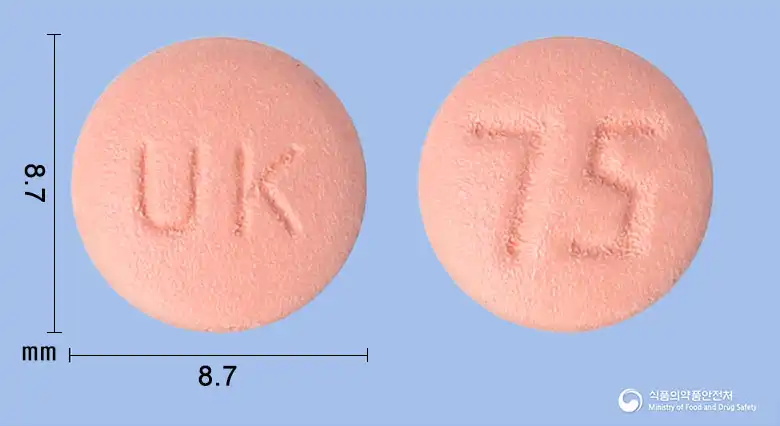
Clopidogrel Bisulfate 97.875mg
Tablet · Prescription medication
Korea Union Pharmaceutical Co., Ltd.
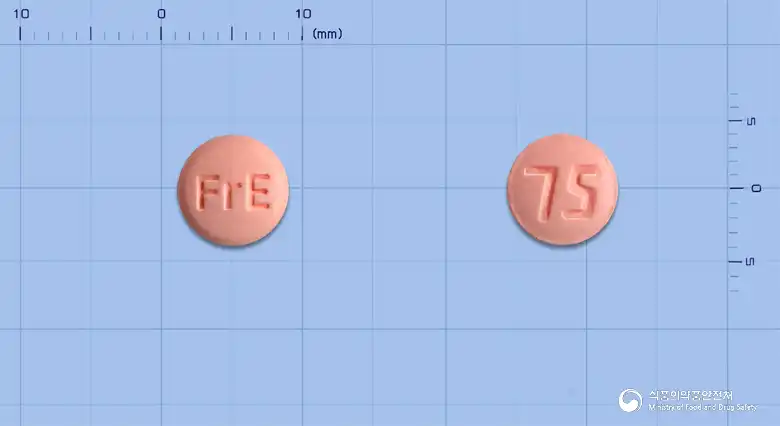
Clopidogrel Bisulfate 97.875mg
Tablet · Prescription medication
(Co., Ltd.) Korea Pharma
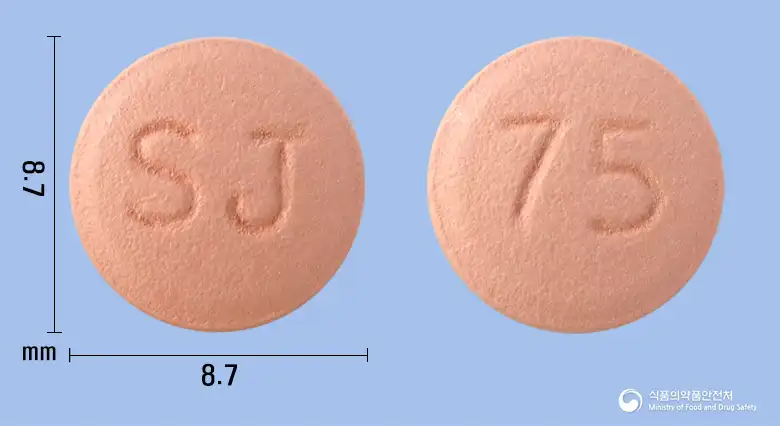
Clopidogrel Bisulfate 97.875mg
Tablet · Prescription medication
Samjin Pharmaceutical Co., Ltd.
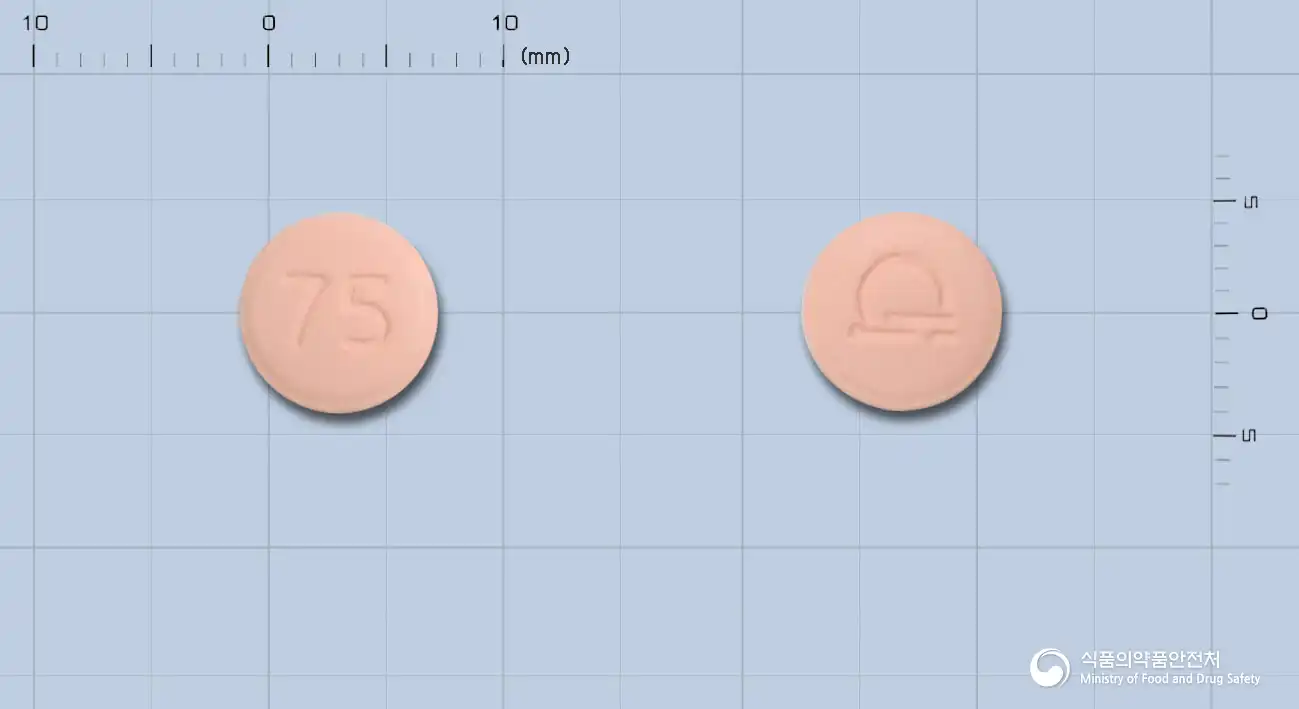
Clopidogrel Bisulfate 97.875mg
Tablet · Prescription medication
Daewon Pharmaceutical Co., Ltd.
Even with the same ingredient, the dose and directions can differ by strength and dosage form. Talk to a doctor or pharmacist before switching from a medication you are already taking.
No questions yet.
For anything that needs medical judgment, consult a doctor or pharmacist.
This drug information is based on data provided by the Korea Ministry of Food and Drug Safety.
Consult a doctor or pharmacist for accurate dosage, administration, and usage instructions.