
 한국어
 English
 日本語
 中文(简体)
 Viewing now
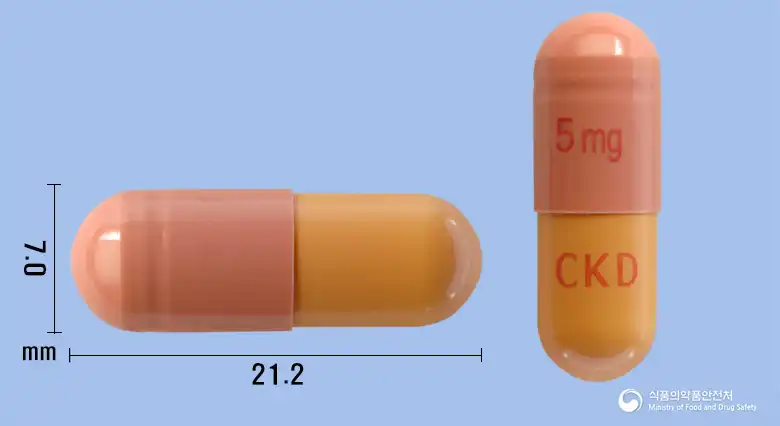
Tacrolimus Sustained Release Capsule 5 mg (Tacrolimus)
Tacrolimus Hydrate 5.1mg
Hard capsule · Prescription medication
Jongkundang Co., Ltd.
MFDS item code 201700874 · Approved 2017.02.17 · Insurance code 643307820
Prevention of rejection after kidney and liver transplantation
This medication is used to prevent rejection reactions that can occur in patients following kidney or liver transplantation. As a result, it helps to maintain the stable function of the kidney or liver. In other words, this medicine plays an important role in protecting the normal function of the transplanted organs in recipients of organ transplants. Thus, this drug is effective in preventing rejection after kidney and liver transplantation.
1. Kidney transplantation Adults: The usual initial dose is 0.20 ∼ 0.30 mg/kg of body weight of tacrolimus orally once daily in the morning, followed by gradual dose reduction. The maintenance dose should be adjusted as appropriate according to symptoms, with reference to the “recommended minimum blood drug concentration.” 2. Liver transplantation Adults: The usual initial dose is 0.10 ∼ 0.20 mg/kg of body weight of tacrolimus orally once daily in the morning, followed by gradual dose reduction. The maintenance dose should be adjusted as appropriate according to symptoms, with reference to the “recommended minimum blood drug concentration.” General considerations for kidney and liver transplantation The initial doses presented above are intended only as guidelines. Treatment with this medicine should be based on measurement of blood concentrations in each patient and clinical assessment of rejection and tolerability (see “Recommended minimum blood drug concentrations” below). If clinical signs of rejection are clear, a change in the immunosuppressive regimen should be considered. Method of administration It is recommended that this medicine be administered once daily in the morning. Take this medicine immediately after removing it from the blister. Instruct patients not to swallow the desiccant. Swallow the capsule with liquid (preferably water). This medicine is generally administered on an empty stomach, or 1 hour before a meal or 2 ∼ 3 hours after a meal, to achieve maximum absorption. If a morning dose is missed, take it as soon as possible on the same day. Do not take a double dose the next morning. Recommended dose—switching from conventional tacrolimus formulations to this medicine When a transplant patient who has been taking a conventional tacrolimus formulation twice daily (Prograf capsules) is switched to this medicine, which is taken once daily, the total daily dose should be converted on a 1 : 1 (mg : mg) basis. This medicine should be administered in the morning. Measure the tacrolimus trough blood concentration for 2 weeks after the switch and adjust the dose as necessary to maintain similar systemic exposure. Dose adjustments in specific patient populations 1) Patients with hepatic impairment The dose may be reduced in patients with severe hepatic impairment to maintain the trough blood concentration within the recommended target range. 2) Patients with renal impairment No dose adjustment is necessary because the pharmacokinetics of tacrolimus are not affected by renal function. However, careful monitoring of renal function is recommended because of the potential nephrotoxicity of tacrolimus (including serial serum creatinine measurements, calculation of creatinine clearance, and monitoring of urine output). 3) Sex There is no evidence that different doses are required for men and women to achieve similar trough blood concentrations. 4) Older adults There is no evidence that dose adjustment is necessary in older adults. Recommended minimum blood drug concentrations (whole blood trough level) for kidney and liver transplantation The correlation between tacrolimus trough blood drug concentration (C24) and systemic exposure (AUC0-24) is similar for this medicine and conventional tacrolimus formulations. Tacrolimus trough blood drug concentrations should be monitored continuously. The trough blood concentration of this medicine should be measured immediately before the next dose (approximately 24 hours after the previous dose). Frequent measurement of trough blood concentrations is recommended during the first 2 weeks after transplantation, followed by regular monitoring during the maintenance period. Trough blood drug concentrations should be monitored when switching from a conventional tacrolimus formulation to this medicine, adjusting the dose, changing immunosuppressive therapy, or coadministering drugs that may affect whole-blood tacrolimus concentrations (see “Interactions”). The frequency of blood concentration measurements should be based on clinical need. Since tacrolimus has low clearance, it may take several days for changes in blood drug concentrations to appear after dose adjustment. According to clinical trial analyses, successful outcomes were achieved in most patients when tacrolimus trough blood concentrations were maintained below 20 ng/mL. In general, in clinical practice, early post-transplant trough blood concentrations were 5 ∼ 20 ng/mL in liver transplant patients and 10 ∼ 20 ng/mL in kidney and heart transplant patients. During the subsequent maintenance period, trough blood concentrations were 5 ∼ 15 ng/mL in liver, kidney, and heart transplant patients.
This drug is used to suppress the immune system to reduce rejection in transplant recipients. However, because the immune function is weakened, the risk of infection may increase, and there is also a rare possibility of developing cancers such as lymphoma. It can put strain on the kidneys, so renal function should be regularly assessed, and the dose adjusted if necessary. Since blood potassium levels may rise, potassium levels should be monitored frequently, and it is advisable not to take potassium-sparing diuretics concurrently. Neurological side effects such as headaches, tremors, and changes in mental state may occur, so patients should consult their doctor if such symptoms arise. During treatment, blood pressure and blood glucose levels should be carefully monitored, as diabetes may develop or worsen. Women who are pregnant or may become pregnant should consult their doctor before taking this medication, as it may affect the fetus and requires careful management. Regular blood tests and physical examinations should be conducted during treatment to quickly identify and address any adverse reactions or side effects. This drug interacts with many other medications, so if the patient is taking any other medications, they must inform their doctor or pharmacist. Patients should strictly adhere to the prescribed time and dosage and must not stop or change the medication arbitrarily.
Increased susceptibility to infections, possibility of lymphoma development, acute and chronic renal impairment, elevated serum creatinine, hyperkalemia, decreased urine output, hyperuricemia, progressive renal failure, increased blood urea, proteinuria, tremors, headaches, changes in motor function, changes in mental status, changes in sensory function, seizures, coma, delirium, posterior reversible encephalopathy syndrome (PRES), convulsions, visual disturbances, hypertension, lymphoproliferative disorders, malignant tumors, BK virus-related nephropathy, JC virus-related progressive multifocal leukoencephalopathy (PML), CMV infection, transplant rejection, insulin-dependent post-transplant diabetes, pure red cell aplasia (PRCA), myocardial disorders, decreased cardiac function, cardiac chamber enlargement, ventricular wall hypertrophy, heart failure, ventricular and supraventricular arrhythmias, myocardial infarction, angina, pericardial effusion, QT interval prolongation, Torsades de pointes, acute renal failure, nephrotic syndrome, thrombotic microangiopathy, pancytopenia, thrombocytopenic purpura, agranulocytosis, hemolytic anemia, intestinal obstruction, bacterial infections, viral infections, fungal infections, protozoan infections, systemic infections, localized infections, reversible posterior encephalopathy syndrome, cerebral infarction, cerebral hemorrhage, aspiration pneumonia, diabetes mellitus, exacerbation of diabetes, hyperglycemia, pancreatitis, Stevens-Johnson syndrome, respiratory distress, acute respiratory distress syndrome, renal impairment, decreased urine output, polyuria, frequent urination, post-void residual urine, glucosuria, hyperkalemia, hyperuricemia, hypomagnesemia, acidosis, hypercholesterolemia, hyperphosphatemia, hypophosphatemia, hypertriglyceridemia, hyperchloremia, hypercalcemia, hypocalcemia, hyponatremia, hypokalemia, diabetes, increased blood pressure, edema, tachycardia, palpitations, abnormal electrocardiogram, hypotension, bradycardia, ataxia, hallucinations, sensory abnormalities, anxiety, delirium, insomnia, numbness, eye twitching, limb rigidity, paralysis, drowsiness, altered consciousness, localized sensory loss, delirium, depression, agitation, chest pain, abdominal distension, intestinal motility disorder, anorexia, diarrhea, abdominal pain, gastric ulcer, duodenal ulcer, colitis, stomatitis, nausea, vomiting, melena, hemorrhage, gastrointestinal perforation, elevated amylase, abnormal liver function (AST elevated, ALT elevated, ALP elevated, LDH elevated, γ-GTP elevated), jaundice, anemia, increased or decreased platelet count, leukopenia, leukocytosis, lymphocytopenia, itching, hair loss, erythema, rashes, tubular necrosis, hypertrophic cardiomyopathy, gynecomastia, vasodilation, decreased serum phosphate concentration, pleural effusion, ascites, asthma, fever, weight loss, flushing, general malaise, menorrhagia, myalgia, arthralgia, dysgeusia, aplastic anemia, cerebral infarction, colitis, toxic epidermal necrolysis (Lyell's syndrome), glaucoma, ketosis, nystagmus, mania, meningitis, hypercapnia, thrombotic venous inflammation, thrombosis, vasculitis, sensation of foreign body in the throat, pain, eye pain, redness, excessive sweating, thirst, temperature fluctuations, optic neuropathy, febrile neutropenia, headaches, diarrhea, hypertension, nausea, renal impairment, dizziness, dyspepsia, chest pain, hematuria, renal failure, cystitis, dysuria, hydronephrosis, renal tubular necrosis, nocturia, pyuria, toxic nephropathy, acute renal failure, proteinuria, BK nephropathy, bladder spasms, decreased urine output, urgency incontinence, frequent urination, urinary incontinence, urine retention, vaginitis, acidosis, increased alkaline phosphatase, alkalosis, hyperbilirubinemia, non-healing wounds, hyperlipidemia, hyperphosphatemia, hyperuricemia, hypocalcemia, hyponatremia, hypoproteinemia, increased AST, increased ALT, decreased bicarbonate, dehydration, hyperglycemia, hypoglycemia, increased lactate dehydrogenase, weight gain, increased BUN, edema, gout, hypercalcemia, hypercholesterolemia, hypophosphatemia, peripheral edema, Cushing's syndrome, coagulation disorders, purpura, hypopigmented anemia, leukopenia, decreased platelets, increased red blood cells, decreased prothrombin, decreased plasma iron, increased hematocrit, abnormal hemoglobin, leukocytosis, arthralgia, systemic seizures, limb seizures, myalgia, myasthenia, osteoporosis, joint disorders, painful muscle spasms, asthma, bronchitis, increased coughing, pulmonary disease, pulmonary edema, pharyngitis, pneumonia, respiratory distress, rhinitis, sinusitis, voice changes, pneumothorax, hiccups, decreased lung function, hair loss, herpes simplex, hypertrichosis, skin disorders, sweating, acne, fungal dermatitis, skin discoloration, skin ulcers, exfoliative dermatitis, shingles, skin benign neoplasms, abdominal enlargement, abscess, chills, hernia, peritonitis, photosensitivity reactions, allergic reactions, cellulitis, influenza-like syndrome, sepsis, abdominal pain, incidental injuries, asthenia, back pain, soft tissue infection, falls, sensory disturbances, heat intolerance, ulcers, shingles, liver failure due to reactivation of hepatitis B virus
Not everyone experiences these, and they can vary from person to person.
This medication is sensitive to light and should be stored in a tightly sealed container that is protected from light. Care should also be taken to keep it dry, and the storage temperature should be maintained at room temperature between 1°C and 30°C.
Hard capsule with a reddish-brown upper part and a yellow-brown lower part containing white or almost white granules.
50 capsules (10 capsules/PTP x 5)
Even with the same ingredient, strength, dosage form and how it is taken can differ.
Viewing nowTacrolimus Hydrate 5.1mg
Hard capsule · Prescription medication
Jongkundang Co., Ltd.
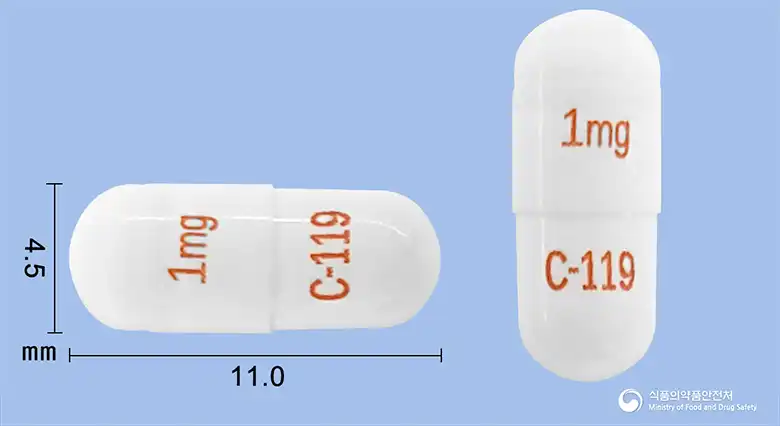
Tacrolimus Hydrate 1.02mg
Hard capsule · Prescription medication
Chongkundang Corporation
 Combination
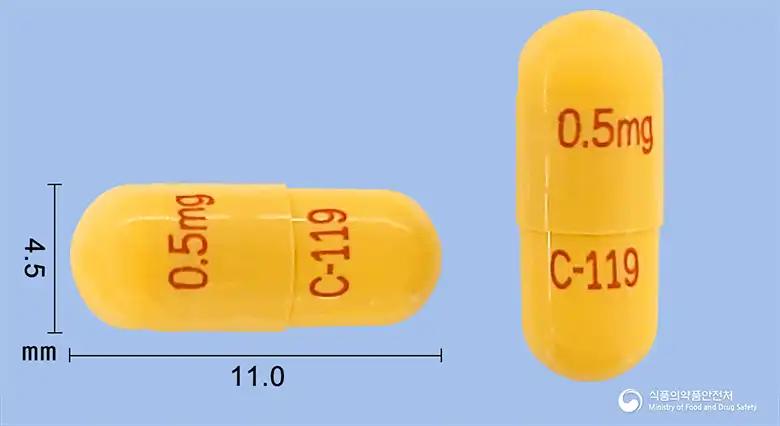
Tacrolimus Hydrate 0.51mg · Tacrolimus Hydrate 0.51mg
Hard capsule · Prescription medication · Combination
Chongkundang Corporation
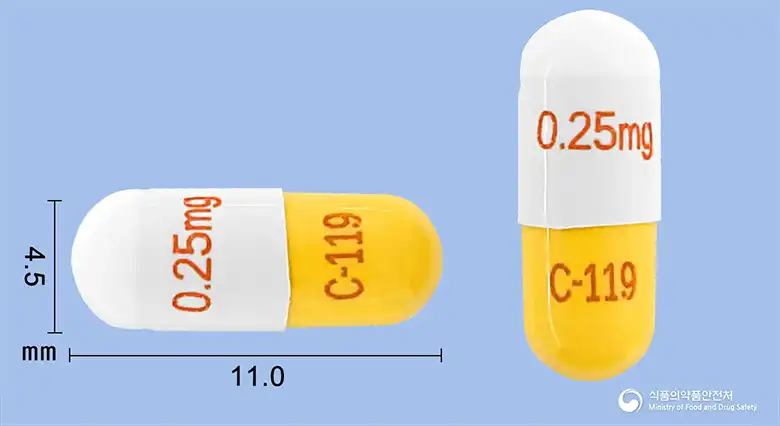
Tacrolimus Hydrate 0.255mg
Hard capsule · Prescription medication
Chongkundang Corporation
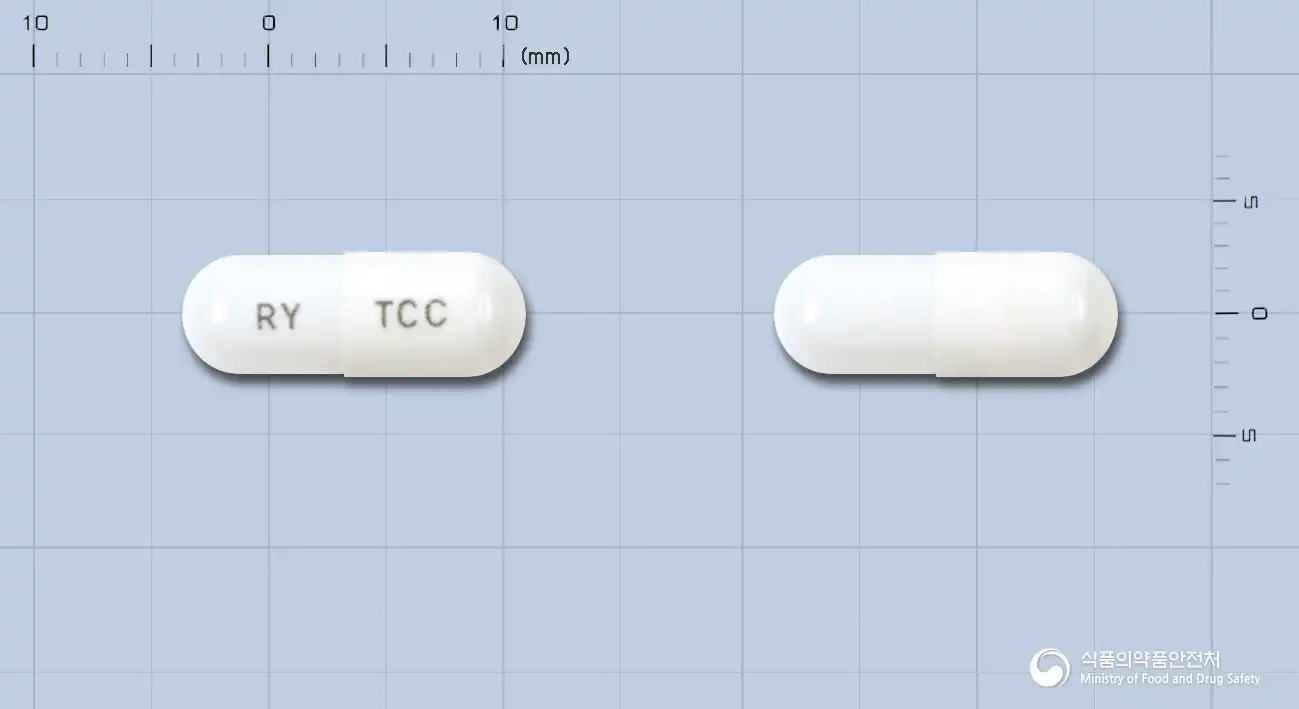
Tacrolimus Hydrate 1.02mg
Hard capsule · Prescription medication
Ilyun Pharmaceutical Co., Ltd.
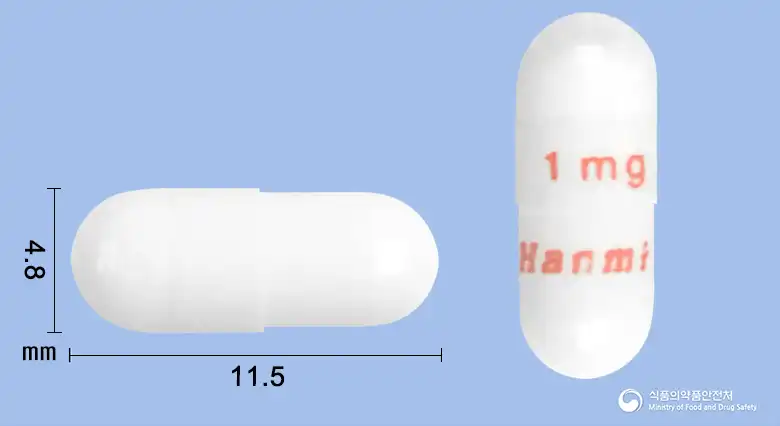
Tacrolimus Hydrate 1.02mg
Hard capsule · Prescription medication
Hanmi Pharmaceutical Co., Ltd.
Tacrolimus Hydrate 5.1mg
Prescription medication
Korea Astellas Pharma Co., Ltd.
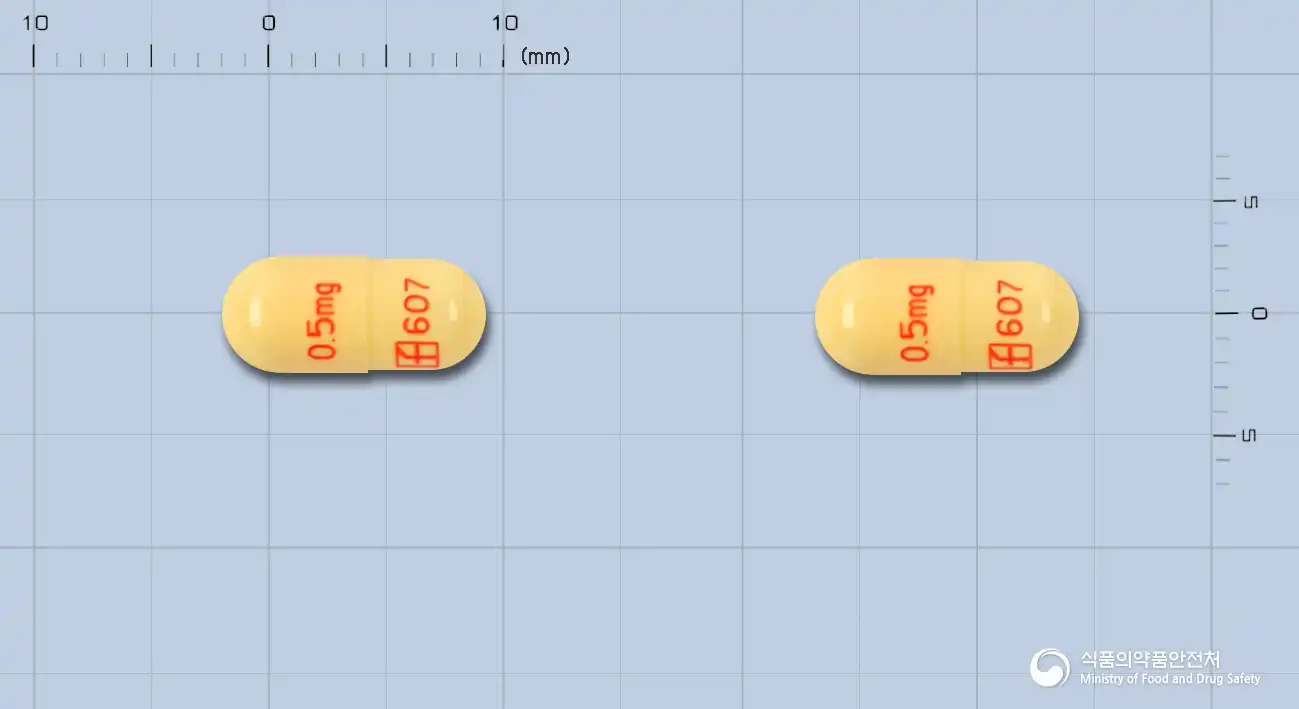
Tacrolimus Hydrate 0.51mg
Hard capsule · Prescription medication
Korea Astellas Pharma Co., Ltd.
Even with the same ingredient, the dose and directions can differ by strength and dosage form. Talk to a doctor or pharmacist before switching from a medication you are already taking.
No questions yet.
For anything that needs medical judgment, consult a doctor or pharmacist.
This drug information is based on data provided by the Korea Ministry of Food and Drug Safety.
Consult a doctor or pharmacist for accurate dosage, administration, and usage instructions.