
 한국어
한국어 English
 日本語
日本語 中文(简体)
 Viewing now
GL Cimetidine 200 mg Tablet
Cimetidine 200mg
Tablet · Prescription medication
GL Pharma Co., Ltd.
MFDS item code 201700710 · Approved 2017.02.10
This product's status changed to Approval withdrawn on 2026.02.11. It may no longer be sold, so consult a doctor or pharmacist before taking it.
Treatment of gastric ulcers and gastroesophageal reflux disease, improvement of gastric mucosal lesions
This medication is effective for ulcers that arise in the stomach and duodenum, gastroesophageal reflux disease, recurrent ulcers, ulcers that occur at surgical anastomoses, and conditions such as Zollinger-Ellison syndrome. It is also used to improve symptoms of gastric mucosal erosion, bleeding, redness, and swelling during acute exacerbations of acute and chronic gastritis. This drug helps protect the gastric mucosa and alleviates inflammation, contributing significantly to symptom improvement. Therefore, it is widely used for the treatment and symptom relief of various gastrointestinal diseases.
For adults, cimetidine 400 mg is administered orally twice a day (after breakfast and at bedtime) or 800 mg once a day (at bedtime). Additionally, 300 mg can be taken orally four times a day (after meals and at bedtime) with the possibility to increase to 400 mg four times a day (after meals and at bedtime) (totaling 1.6 g). For acute gastritis and acute exacerbation of chronic gastritis, administer 200 mg once or 400 mg once daily.
For children, administer 20-40 mg per day, divided by body weight in kg, orally.
This medication is used to suppress gastric acid secretion with the ingredient cimetidine for the treatment of gastric ulcers or gastritis. This drug should not be administered to patients who have had allergic reactions to cimetidine or other ingredients. In addition, it is not used for patients taking dofetilide, as the risk of cardiac arrhythmias may increase. Patients with poor kidney function should use this drug cautiously, as it may remain in the body longer, necessitating reduced dosage or increased dosing intervals. Patients with impaired liver function also need to exercise caution, and those with a history of drug allergies, elderly patients, and children under 19 should use this medication carefully. Patients undergoing hemodialysis should take this medication after dialysis. Rarely, this medication may cause a decrease in blood cell count leading to symptoms such as fatigue, bleeding, and fever; thus, if any such symptoms occur, they should inform a hospital immediately. Varied side effects such as liver dysfunction, kidney problems, allergic reactions, gynecomastia, dyspepsia, headache, dizziness, and skin rashes may occur, requiring attention. Especially in the elderly or patients with reduced kidney function, neurological symptoms such as confusion or seizures may also occur, and monitoring is important. This drug has a high potential for interactions with other medications; therefore, when taking multiple medications such as warfarin, antidepressants, heart medications, or diabetes medications, inform your doctor or pharmacist. Changes in drug concentration may necessitate dosage adjustments or changes in administration methods. Women who are pregnant or may become pregnant should carefully consider the benefits and risks of taking this drug, and nursing mothers are advised to discontinue breastfeeding while taking it. In children and elderly individuals, the dosage should be adjusted considering the potential for reduced kidney function, and it should be administered with caution. In cases of overdose, serious symptoms such as respiratory depression may occur, and immediate medical treatment should be sought. This medication should be stored in a safe place out of the reach of children, and transferring it to other containers should be avoided as it may compromise the quality.
Generalized rash, difficulty breathing, shock, anaphylaxis-like reactions, rash, jaundice, altered consciousness, seizures, Stevens-Johnson syndrome, toxic epidermal necrolysis, epidermal necrolysis, erythema multiforme, exfoliative dermatitis, generalized exfoliative erythema and swelling
Not everyone experiences these, and they can vary from person to person.
This medication should be stored in a tightly sealed container to prevent air or moisture from entering, with a storage temperature maintained between 1°C and 30°C. This is a method to maintain the efficacy of the medicine and prevent degradation.
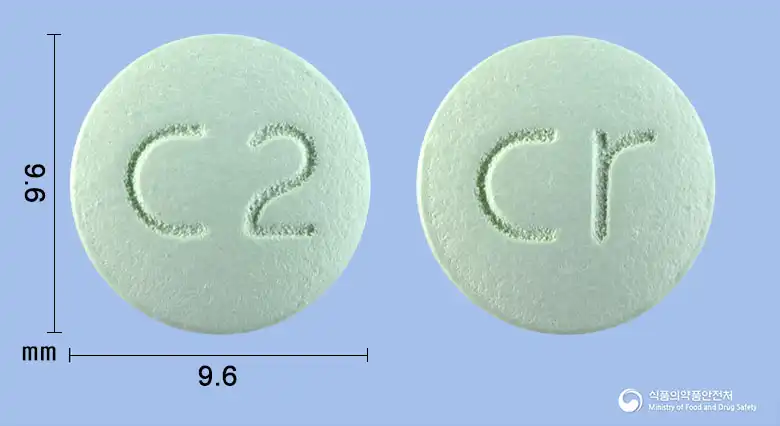
Pale green round film-coated tablet
500 tablets/bottle
Even with the same ingredient, strength, dosage form and how it is taken can differ.
Viewing nowCimetidine 200mg
Tablet · Prescription medication
GL Pharma Co., Ltd.
Cimetidine 200mg
Tablet · Prescription medication
Ildong Pharmaceutical Co., Ltd.

Cimetidine 200mg
Tablet · Prescription medication
International Pharmaceutical Co., Ltd.
Cimetidine 100mg
Prescription medication
(Company) Yuhan Corporation

Cimetidine 200mg
Tablet · Prescription medication
Donghwa Pharmaceutical Co., Ltd.

Cimetidine 200mg
Tablet · Prescription medication
Bukwang Pharmaceutical Co., Ltd.
Cimetidine 200mg
Tablet · Prescription medication
Bionex Co., Ltd.

Cimetidine 300mg
Tablet · Prescription medication
Bukwang Pharmaceuticals Co., Ltd.
Even with the same ingredient, the dose and directions can differ by strength and dosage form. Talk to a doctor or pharmacist before switching from a medication you are already taking.
No questions yet.
For anything that needs medical judgment, consult a doctor or pharmacist.
This drug information is based on data provided by the Korea Ministry of Food and Drug Safety.
Consult a doctor or pharmacist for accurate dosage, administration, and usage instructions.