
 한국어
 English
 日本語
 中文(简体)
 Viewing now
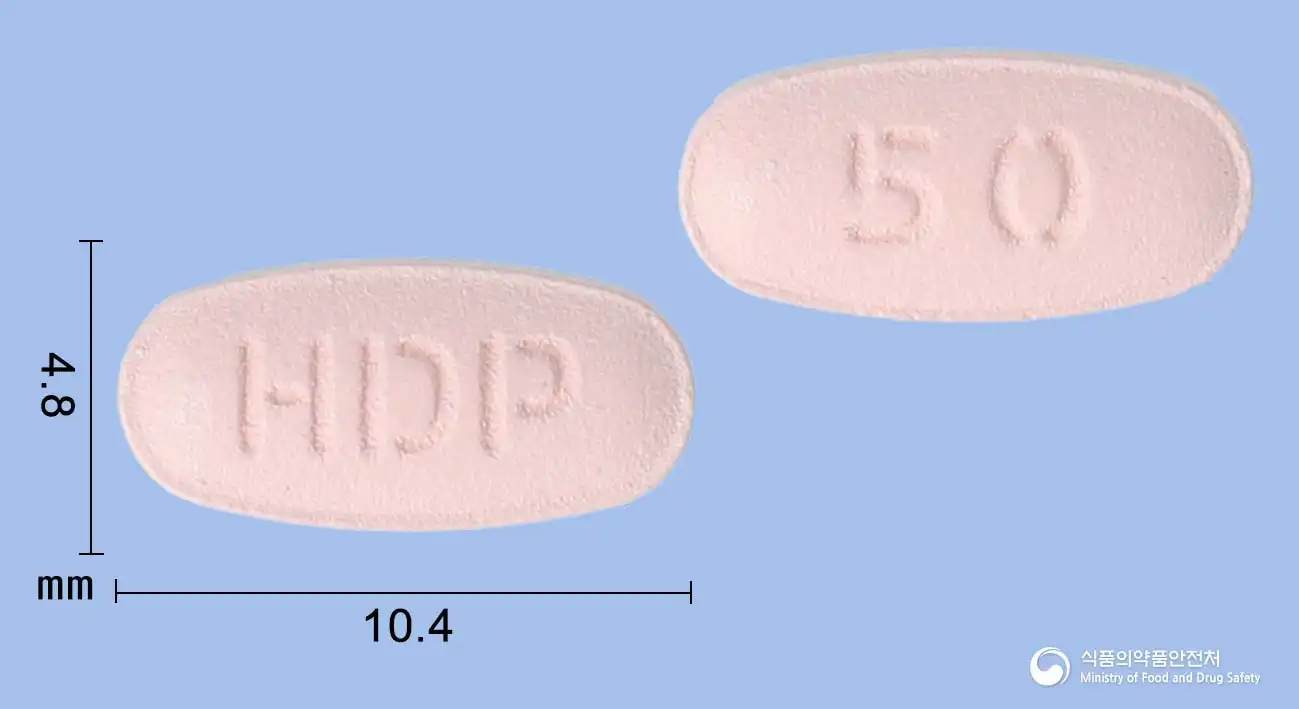
Lacosamide Tablet 50 mg (Lacosamide)
Lacosamide 50mg
Tablet · Prescription medication
Hyundai Pharmaceutical Co., Ltd.
MFDS item code 201700399 · Approved 2017.01.23 · Insurance code 642004040
Adjunctive treatment of partial-onset seizures in patients with epilepsy aged 16 years and older
This medication is used as an adjunctive therapy for the treatment of partial-onset seizures in patients with epilepsy aged 16 years and older, and it is also effective in cases where generalized seizures are associated. In other words, it helps reduce the frequency and severity of epileptic seizures when used in combination with primary medications. It plays an important role in improving patients' seizure symptoms and preventing the recurrence of seizures. It contributes to a better quality of life for patients through safe and effective treatment. Therefore, it is used as adjunctive therapy for partial-onset seizures in epilepsy.
This medicine should be taken twice daily. The recommended initial dose is 50mg twice daily, and it should be increased to 100mg twice daily after 1 week. Depending on clinical response and tolerability, the maintenance dose may be increased by 50mg per dose twice daily each week. The maximum recommended dose is 400mg daily (200mg twice daily). If treatment with this medicine is to be discontinued, gradual dose reduction is recommended (e.g., reduce the daily dose gradually by 200mg each week). This medicine may be taken with or without food. Patients with renal impairment No dose adjustment is necessary in patients with mild or moderate renal impairment (CLCR>30mL/min). A maximum dose of 300mg daily is recommended for patients with severe renal impairment (CLCR≤30mL/min) and end-stage renal disease. Since this medicine is removed from plasma by hemodialysis, an additional dose of up to 50% of the single dose is recommended immediately after hemodialysis for patients receiving hemodialysis. Treatment of patients with end-stage renal disease requires caution because clinical experience is limited and a metabolite (with unknown pharmacological activity) may accumulate. Dose adjustments should be made cautiously in all patients with renal impairment. Patients with hepatic impairment The dose should be used with caution in patients with hepatic impairment. A maximum dose of 300mg daily is recommended in patients with mild or moderate hepatic impairment. Use is not recommended in patients with severe hepatic impairment. Elderly patients Dose reduction is not necessary in elderly patients. Experience with lacosamide use in elderly patients with epilepsy is limited; however, the age-related decrease in renal clearance and increase in AUC should be considered in elderly patients (see section ‘Patients with renal impairment’).
As there are no data on the safety and efficacy in children and adolescents under 16 years of age, use in these age groups is not recommended.
This drug is an anticonvulsant that may increase the risk of suicidal thoughts or behavior; therefore, if any symptoms of depression or mood changes occur during treatment, consultation with a physician is essential. Patients with allergies to any of the components of this medication should not take it. Dizziness or balance impairment may occur, thus caution should be exercised to prevent falls or injury after taking the medication, particularly when starting treatment. In cases of cardiac conduction abnormalities or heart diseases, since this medication may affect heart rhythm, a cardiac examination should be conducted before use, and patients should follow their physician's instructions. This medication affects the central nervous system and may cause side effects such as dizziness, headache, drowsiness, and blurred vision, and if these symptoms are severe, consultation with a physician is required. It is advisable to avoid driving or operating dangerous machinery if experiencing dizziness or blurred vision symptoms. There may be interactions when taken with other medications, so patients should inform their healthcare providers of any other medications they are taking. Elderly patients can take this medication without special dose adjustments, but care should be taken as physiological changes due to age may affect drug concentration. The safety and efficacy of this medication have not been established for children under 16 years of age, and its use in this age group is not recommended. Women who are pregnant or planning to become pregnant should consult a physician before taking this medication, and breastfeeding mothers are advised to discontinue breastfeeding. In the event of overdose, symptoms such as dizziness, nausea, and vomiting may occur; there is no specific antidote, so immediate medical attention is necessary. This medication has a potential for psychological dependence; therefore, patients should not abruptly discontinue use without consulting their physician and should taper off their dosage.
suicidal ideation, suicidal behavior, depression, dizziness, ataxia, prolonged PR interval, second-degree or greater atrioventricular block, atrial fibrillation, atrial flutter, multiorgan hypersensitivity reaction, headache, nausea, double vision, depressed mood, confusion, insomnia, mood changes, cognitive impairment, eye twitching, balance disorder, cooperation disorder, memory impairment, tremor, drowsiness, speech disorder, attention deficit, sensory loss, paresthesia, cerebellar syndrome, blurred vision, vertigo, tinnitus, vomiting, constipation, gastric distension, dyspepsia, dry mouth, diarrhea, oral sensory decline, muscle cramps, itching, gait disorder, weakness, fatigue, hypersensitivity, feelings of intoxication, fever, falls, skin laceration, contusion, neutropenia, anemia, palpitations, atrioventricular block, syncope, bradycardia, atrial fibrillation, atrial flutter, abnormal liver function tests, agranulocytosis, drug hypersensitivity reaction, well-being, suicide attempts, aggression, anxiety, psychotic disorder, hallucinations, bradycardia, asystole, cardiac arrest, death, toxic epidermal necrolysis, Stevens-Johnson syndrome, rash, angioedema, urticaria, convulsions, psychogenic seizures, ataxia, sedation, hair loss, vesicles, early satiety, weight gain, decreased appetite, urinary incontinence, hiccups, stiffening-clonic seizures, status epilepticus, cardiac arrest
Not everyone experiences these, and they can vary from person to person.
This medication should be stored in an airtight container to protect it from air and moisture. It is advisable to maintain storage temperatures between 1 and 30 degrees Celsius. Proper storage helps preserve the drug's effectiveness and safety over time.
Purple oval film-coated tablet
60 tablets/PTP (10 tablets/PTP x 6), 30 tablets/bottle, 100 tablets/bottle
Even with the same ingredient, strength, dosage form and how it is taken can differ.
Viewing nowLacosamide 50mg
Tablet · Prescription medication
Hyundai Pharmaceutical Co., Ltd.
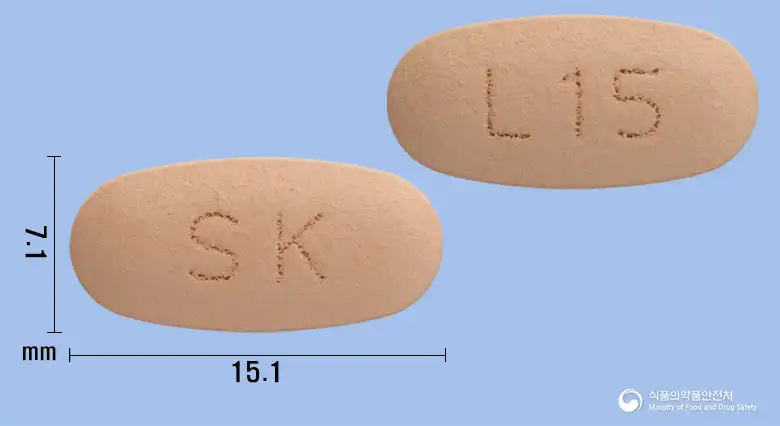
Lacosamide 150mg
Tablet · Prescription medication
SK Chemicals Co., Ltd.
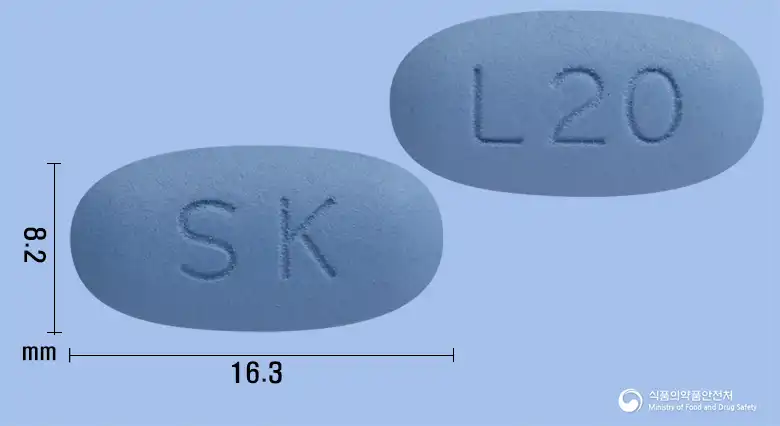
Lacosamide 200mg
Tablet · Prescription medication
SK Chemical Co., Ltd.
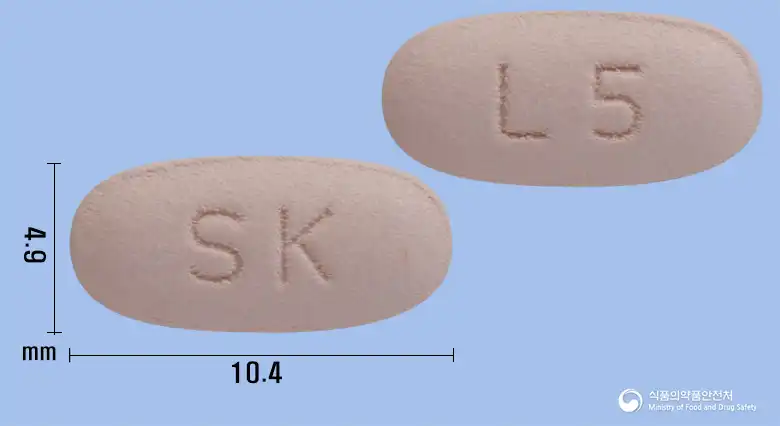
Lacosamide 50mg
Tablet · Prescription medication
SK Chemicals Co., Ltd.
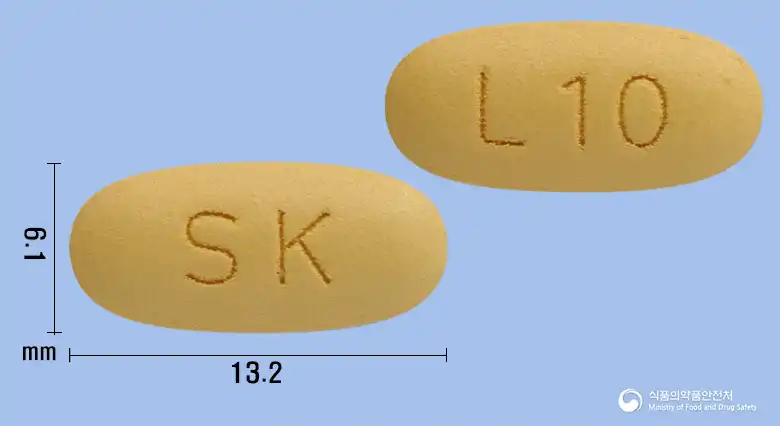
Lacosamide 100mg
Tablet · Prescription medication
SK Chemicals Co., Ltd.
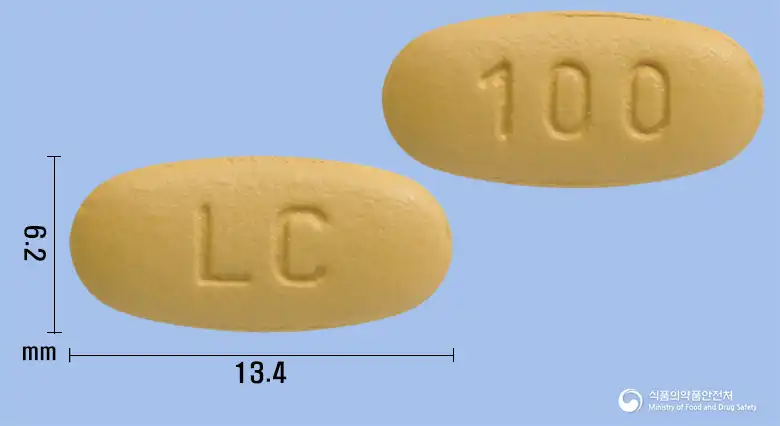
Lacosamide 100mg
Tablet · Prescription medication
Myungin Pharmaceutical Co., Ltd.
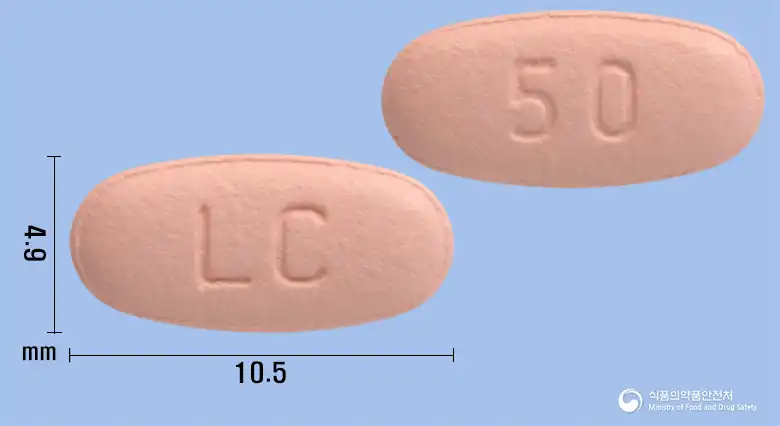
Lacosamide 50mg
Tablet · Prescription medication
Myungjin Pharmaceutical Co., Ltd.
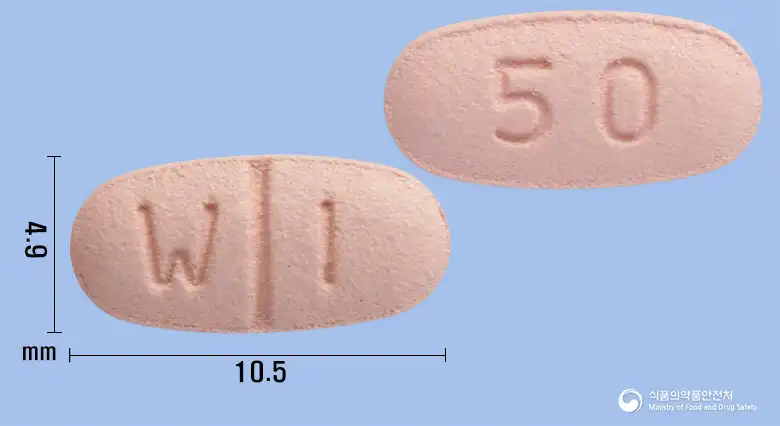
Lacosamide 50mg
Tablet · Prescription medication
Hanin Pharmaceutical Co., Ltd.
Even with the same ingredient, the dose and directions can differ by strength and dosage form. Talk to a doctor or pharmacist before switching from a medication you are already taking.
No questions yet.
For anything that needs medical judgment, consult a doctor or pharmacist.
This drug information is based on data provided by the Korea Ministry of Food and Drug Safety.
Consult a doctor or pharmacist for accurate dosage, administration, and usage instructions.