
 한국어
 English
 日本語
 中文(简体)
 Viewing now
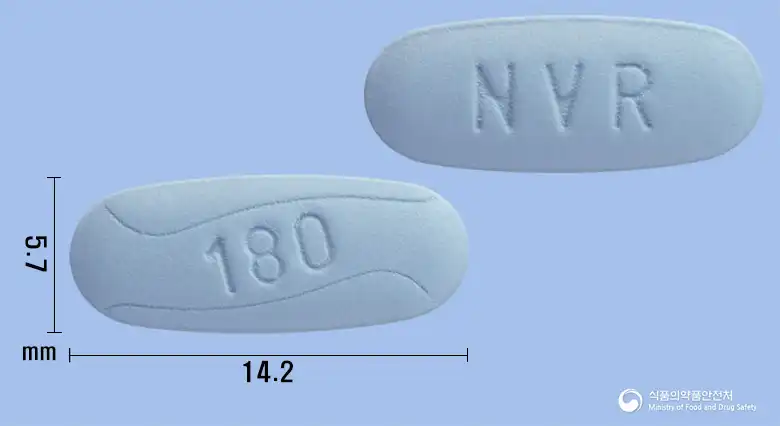
Exjade Film-Coated Tablet 180 mg (Deferasirox)
Deferasirox 180mg
Tablet · Prescription medication
Hanmi Novartis Co., Ltd.
MFDS item code 201607128 · Approved 2016.12.16 · Insurance code 653602910
Treatment of transfusion-dependent hemosiderosis
Transfusion-dependent hemosiderosis is a condition caused by excessive iron overload. This medication is used to remove accumulated iron from the body to prevent and treat organ damage caused by iron deposition. By doing so, it helps improve patients' health and reduce the occurrence of complications. Therefore, this medication is used to effectively reduce the iron accumulated in the body due to transfusions.
In patients receiving regular blood transfusions, treatment with this medicine is recommended after transfusion of approximately 20 units of packed red blood cells (equivalent to 100mL/kg), or when clinical monitoring shows clinical evidence of chronic iron accumulation (serum ferritin > 1000μg/L or liver iron concentration > 2mg Fe/g dry weight). The dose should be calculated in mg/kg, and whole tablets of the nearest available strength should be used. When patients currently receiving chelation therapy with Exjade dispersible tablets switch to this medicine, the dose should be calculated as 30% lower than the Exjade dispersible tablet dose, using tablets of the nearest available strength. Starting dose: Exjade dispersible tablets 20 mg/kg/day, Exjade film-coated tablets 14 mg/kg/day, approximately 20 units of packed red blood cells (equivalent to 100mL/kg) or > 1000 μg/L Alternative starting dose: Exjade dispersible tablets 30 mg/kg/day, Exjade film-coated tablets 21 mg/kg/day, packed red blood cells exceeding 14 mL/kg/month (more than 4 units per month in adults) Alternative starting dose: Exjade dispersible tablets 10 mg/kg/day, Exjade film-coated tablets 7 mg/kg/day, packed red blood cells less than 7 mL/kg/month (less than 2 units per month in adults) Patients well controlled with deferoxamine: 1/2 of the deferoxamine dose, 1/3 of the deferoxamine dose Monitoring: monthly Target range: 500-1000 μg/L Dose increase: > 2500 μg/L; 5-10 mg/kg/day. Maximum 40 mg/kg/day; 3.5-7 mg/kg/day. Maximum 28 mg/kg/day Dose reduction: <2500 μg/L; in patients receiving doses exceeding 30mg/kg/day, reduce by 5-10 mg/kg/day until the target is reached; in patients receiving doses exceeding 21mg/kg/day, reduce by 3.5-7 mg/kg/day until the target is reached Maximum dose: 40 mg/kg/day; 28 mg/kg/day Consider discontinuing treatment: < 500 μg/L Deferoxamine (if well controlled) 10 mg/kg — Exjade dispersible tablets 5 mg/kg — Exjade film-coated tablets 3.5 mg/kg Deferoxamine (if well controlled) 20 mg/kg — Exjade dispersible tablets 10 mg/kg — Exjade film-coated tablets 7 mg/kg Deferoxamine (if well controlled) 30 mg/kg — Exjade dispersible tablets 15 mg/kg — Exjade film-coated tablets 10.5 mg/kg Deferoxamine (if well controlled) 40 mg/kg — Exjade dispersible tablets 20 mg/kg — Exjade film-coated tablets 14 mg/kg Deferoxamine (if well controlled) 50 mg/kg — Exjade dispersible tablets 25 mg/kg — Exjade film-coated tablets 17.5 mg/kg Deferoxamine (if well controlled) 60 mg/kg — Exjade dispersible tablets 30 mg/kg — Exjade film-coated tablets 21 mg/kg Not applicable — Exjade dispersible tablets 35 mg/kg — Exjade film-coated tablets 24.5 mg/kg Not applicable — Exjade dispersible tablets 40 mg/kg — Exjade film-coated tablets 28 mg/kg The recommended starting dose of this medicine is 14mg/kg once daily. A starting dose of 21mg/kg/day may be considered in patients receiving transfusions of packed red blood cells exceeding 14mL/kg/month (more than 4 units per month in adults) who require a reduction in iron overload. A starting dose of 7mg/kg/day may be considered in patients receiving less than 7mL/kg/month of packed red blood cells (less than 2 units per month in adults) who need to maintain their iron levels. In patients who are already responding well to deferoxamine therapy, the starting dose of this medicine should be considered at a dose equivalent to 1/3 of the deferoxamine dose. (For example, a patient receiving deferoxamine 40mg/kg/day for 5 days every week, or an equivalent dose, may start treatment with this medicine at a dose of 14mg/kg/day.) Serum ferritin should be monitored monthly, and it is recommended that the dose of this medicine be adjusted every 3-6 months, if necessary, according to changes in serum ferritin. The dose may be adjusted in increments of 3.5-7mg/kg, individually according to the patient's response and treatment goal (maintenance or reduction of iron burden). In patients who are not adequately controlled with a dose of 21mg/kg (for example, when serum ferritin levels persistently exceed 2500μg/L and show no decreasing trend over time), increasing the dose to 28mg/kg may be considered. Since experience with doses exceeding 28mg/kg/day is limited, doses exceeding 28mg/kg/day are not recommended. In patients whose serum ferritin has reached the target level (usually within the range of 500-1,000μg/L), dose reduction in increments of 3.5-7 mg/kg should be considered to maintain levels within the target range and minimize the risk of excessive chelation (overchelation). Treatment with this medicine should be discontinued if serum ferritin is below 500μg/L on several consecutive measurements. The recommended starting dose for patients with renal impairment is the same as that for adults in general. Serum creatinine should be monitored monthly in all patients, and the daily dose may be reduced to 7mg/kg if necessary. Do not administer to patients with creatinine clearance below 60ml/min. The starting dose for patients with moderate hepatic impairment (Child-Pugh B) should be reduced by up to approximately 50%; do not administer to patients with severe hepatic impairment (Child-Pugh C). In patients with mild (Child-Pugh A) or moderate hepatic impairment (Child-Pugh B), closely monitor efficacy and the occurrence of adverse reactions that may require dose adjustment. The recommended dose for elderly patients is the same as that for adult patients. Closely monitor for adverse reactions that may require dose adjustment. This medicine should be taken once daily, preferably at the same time each day, on an empty stomach at least 30 minutes before food, or with a light meal.
A higher dose than that required in adults may be needed in children aged 2 to under 6 years. However, the starting dose should be the same as in adults, and should be adjusted individually thereafter. Monthly measurement of serum ferritin is recommended to assess the patient's response to treatment and prevent excessive chelation. Changes in body weight over time should be taken into account when calculating the dose. Children under 2 years: This medicine should not be administered to children under 2 years because there are insufficient data on its efficacy and safety in this age group.
This medication may affect kidney and liver functions; therefore, regular kidney and liver function tests should be conducted before and during treatment. Particularly, patients with impaired kidney function or liver dysfunction should use this medication with extra caution. This medication may irritate the gastrointestinal tract and poses a risk of gastrointestinal bleeding or ulcers; thus, if gastrointestinal symptoms occur, medical personnel should be notified immediately. Blood cell counts may decrease, so regular blood tests should be performed to monitor blood cell levels. Hypersensitivity reactions may occur rarely, so if allergic symptoms arise, discontinue use of this medication and consult a healthcare professional immediately. This medication should not be used with other iron chelating agents, and it may interact with certain medications, so any current medications must be disclosed. Pregnant or breastfeeding individuals should carefully consider the use of this medication and consult healthcare professionals if necessary. Extra caution is required for children and elderly patients, with regular monitoring of growth and developmental status. In the case of overdose, gastrointestinal symptoms and abnormalities in liver and kidney functions may occur, necessitating immediate emergency treatment. Store this medication in a dry place below 30 degrees Celsius and keep out of reach of children.
Not everyone experiences these, and they can vary from person to person.
This medication should be stored in a tightly sealed container to avoid exposure to air or moisture, at room temperature between 1 degree and 30 degrees Celsius. This storage condition will help maintain the efficacy of the medication.
A blue, double convex, oval-shaped film-coated tablet with rounded edges
30 tablets (10 tablets per PTP pack x 3)
Even with the same ingredient, strength, dosage form and how it is taken can differ.
Viewing nowDeferasirox 180mg
Tablet · Prescription medication
Hanmi Novartis Co., Ltd.
Deferasirox 2500mg
Suspension · Prescription medication
Daewon Pharmaceutical Co., Ltd.
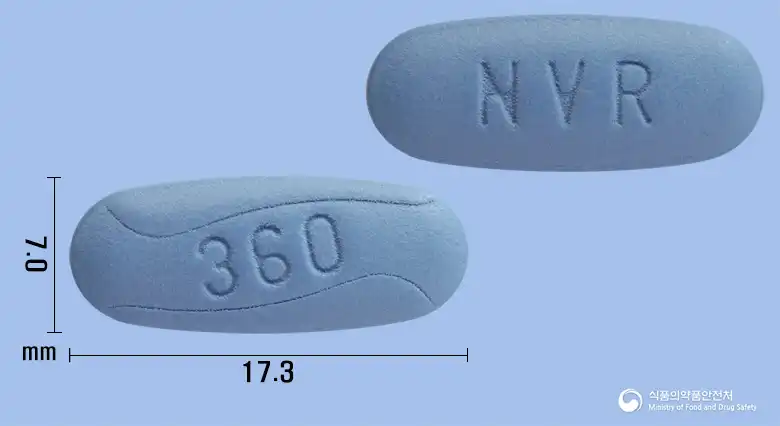
Deferasirox 360mg
Tablet · Prescription medication
Korea Novartis Co., Ltd.
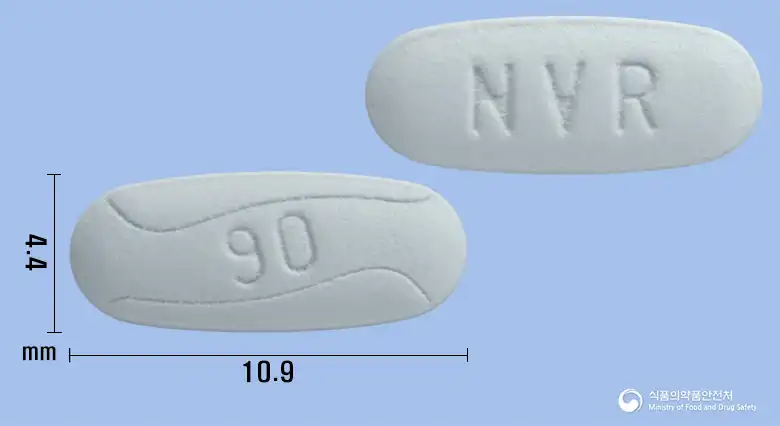
Deferasirox 90mg
Tablet · Prescription medication
Korea Novartis Co., Ltd.
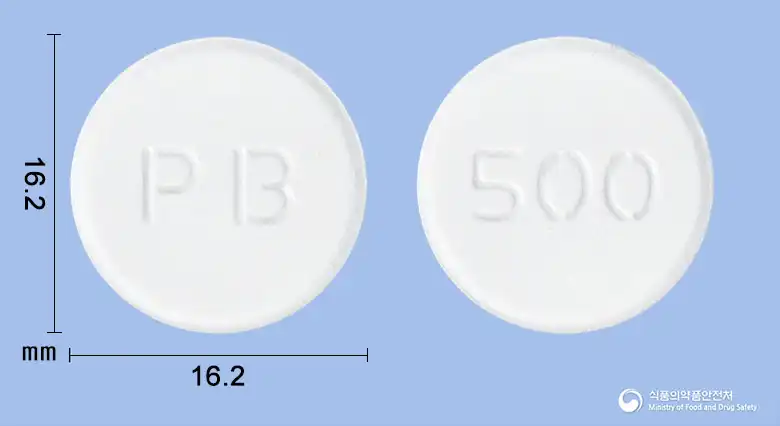
Deferasirox 500mg
Tablet · Prescription medication
HanKo PharmBio Co., Ltd.
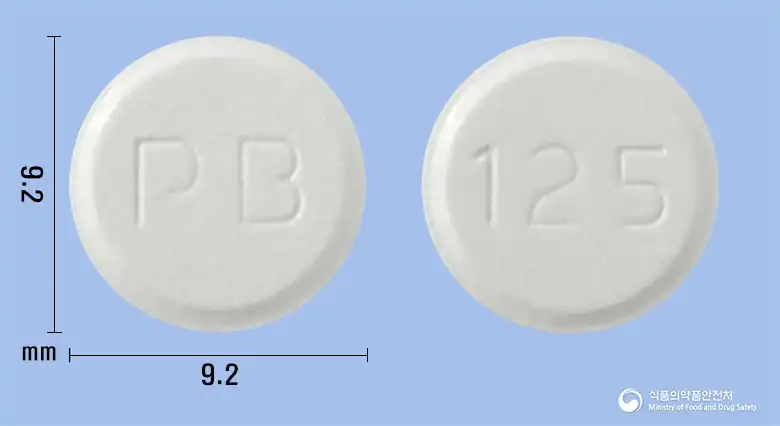
Deferasirox 125mg
Tablet · Prescription medication
Korea Pharm Bio Co., Ltd.
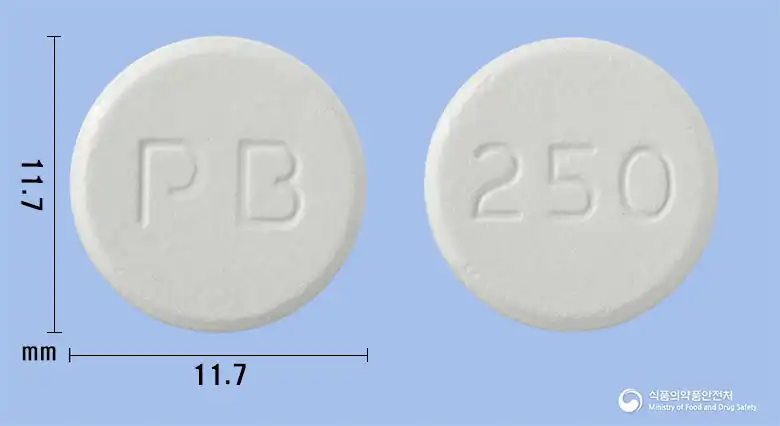
Deferasirox 250mg
Tablet · Prescription medication
Korea Pharma Bio Co., Ltd.
Deferasirox 1000mg
Prescription medication
Konyang Pharmaceutical Co., Ltd.
Even with the same ingredient, the dose and directions can differ by strength and dosage form. Talk to a doctor or pharmacist before switching from a medication you are already taking.
No questions yet.
For anything that needs medical judgment, consult a doctor or pharmacist.
This drug information is based on data provided by the Korea Ministry of Food and Drug Safety.
Consult a doctor or pharmacist for accurate dosage, administration, and usage instructions.