
 한국어
 English
 日本語
 中文(简体)
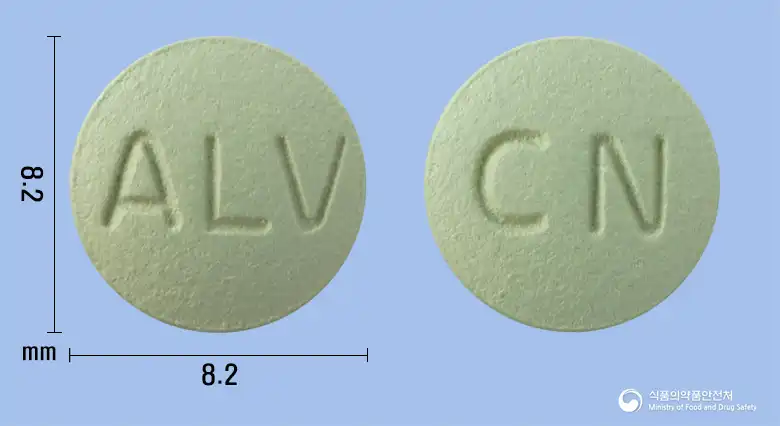 Viewing now
Sinacete Tablet (Sinacalset Hydrochloride)
Cinacalcet Hydrochloride 27.55mg
Tablet · Prescription medication
Albozen Korea Co., Ltd.
MFDS item code 201606563 · Approved 2016.11.10 · Insurance code 652606330
Treatment of secondary hyperparathyroidism in patients with chronic renal failure undergoing dialysis
Secondary hyperparathyroidism can often occur in patients undergoing dialysis for chronic kidney failure. This condition arises from excessive secretion of hormones from the parathyroid glands, leading to issues with calcium and phosphate homeostasis. Consequently, bone weakening and other metabolic abnormalities may occur, necessitating appropriate treatment. The treatment of secondary hyperparathyroidism focuses on regulating calcium and phosphate levels and suppressing excessive secretion of parathyroid hormone. Patients are recommended to improve symptoms through medication, dialysis management, and dietary modifications. This effectively treats secondary hyperparathyroidism.
Do not divide the dose when taking this medicine orally. The initial dose for adults is 25 mg of cinacalcet orally once daily. Thereafter, while monitoring the patient's parathyroid hormone (iPTH) and serum calcium levels, adjust the dose based on serum calcium or parathyroid hormone (iPTH) to 25, 50, or 75 mg once daily, administered orally. However, if improvement in parathyroid hormone (iPTH) is not confirmed, administer orally up to a maximum of 100mg per dose. If increasing the dose, increase by 25mg at intervals of at least 3 weeks. 1. Since this medicine lowers blood calcium levels, confirm that the serum calcium level is not low (as a reference, 9.0 mg/dL or higher) before starting treatment. 2. Measure serum calcium once weekly when starting this medicine and when adjusting the dose, and at least once every 2 weeks during maintenance. If the serum calcium level falls below 8.4 mg/dL, respond as follows. Below 8.4mg/dL: Consider administering calcium or vitamin D preparations. As a rule, do not increase the dose of this medicine (reduce the dose if necessary). Measure serum calcium at least once weekly. An electrocardiogram is preferably performed. If increasing the dose, do so only after confirming that the serum calcium level has recovered to 8.4mg/dL or higher. Below 7.5mg/dL: Discontinue treatment immediately. If restarting treatment, resume at the previous dose or a lower dose only after confirming that the serum calcium level has recovered to 8.4mg/dL or higher. Serum calcium should preferably be measured before taking this medicine to appropriately assess its efficacy and safety. In cases of hypoalbuminemia (serum albumin below 4.0 g/dL), it is preferable to use the corrected value as an index. Calculation of corrected calcium: Corrected calcium (mg/dL)=serum calcium (mg/dL)-serum albumin (g/dL)+4.0 3. Measure parathyroid hormone (iPTH) regularly to maintain it within the target range. Measure parathyroid hormone (iPTH) twice monthly when starting this medicine and when adjusting the dose (as a guide, for approximately 3 months from the start of treatment); after confirming that parathyroid hormone (iPTH) has become relatively stable, monthly measurement is preferable. In addition, parathyroid hormone (iPTH) should preferably be measured before taking the medicine to appropriately assess its efficacy and safety. 4. Patients with hepatic impairment: Exposure to this medicine (based on AUC) was 2.4-fold and 4.2-fold higher, respectively, in patients with moderate and severe hepatic impairment (according to the Child-Pugh method) than in individuals with normal hepatic function. PTH and serum calcium levels should be closely monitored when this medicine is administered to patients with moderate or severe hepatic impairment.
This drug carries a risk of seizures in patients with a history of seizure disorders. In heart failure patients, hypotension or worsening heart failure symptoms may occur, as this is due to a decrease in serum calcium levels. Patients with allergies to any component of this medication should not use it. Patients with hypocalcemia, a history of seizures, liver dysfunction, heart failure, gastrointestinal bleeding, or ulcer history should be administered with caution. During treatment, gastrointestinal symptoms such as nausea, vomiting, loss of appetite, abdominal bloating, as well as cardiovascular adverse reactions like hypocalcemia and prolonged QT interval may occur. It is crucial to regularly monitor serum calcium levels to prevent hypocalcemia, and if abnormalities are detected, calcium or vitamin D should be administered, or the dosage should be adjusted. If gastrointestinal bleeding or ulcer symptoms occur, discontinue the medication immediately and seek appropriate treatment. There may be a decrease in consciousness level or transient loss of consciousness; if symptoms appear, consult a healthcare provider immediately. This drug may affect serum thyroid hormone levels, which can cause bone disorders; therefore, regular monitoring of parathyroid hormone levels is necessary. Patients with severe liver dysfunction may have elevated blood concentrations of this medication, warranting more careful monitoring. Drug interactions may lead to increased plasma levels or heightened side effects, so it is essential to inform the doctor or pharmacist if taking other medications. Elderly patients over 65 may be more prone to side effects such as QT prolongation, necessitating caution. Pregnant women or those who may become pregnant should avoid this medication unless deemed absolutely necessary after consultation with a doctor. It is also recommended that breastfeeding women discontinue nursing while taking this medication. The safety of this medication in children or adolescents under 19 has not been established, and it is advisable to avoid its use in this population. In the event of an overdose, hypocalcemia may worsen, so symptoms need to be carefully monitored, and calcium injections or other treatments may be necessary. This drug should be taken out of the PTP package before ingestion; care should be taken not to swallow it in its packaging, as severe issues like esophageal injury or perforation may occur. This drug has not been approved for patients with renal failure before initiating dialysis and may lead to hypocalcemia more readily than in dialysis patients, necessitating caution. Regular check-ups and symptom monitoring during the use of this drug are crucial for early detection and appropriate response to adverse reactions.
Not everyone experiences these, and they can vary from person to person.
This medication should be stored in a sealed container to protect it from air and moisture. It is important to maintain a storage temperature between 1 degree and 30 degrees Celsius. Proper storage will help maintain the efficacy and safety of the medication.
Pale green or pale yellow-green round film-coated tablet
100 tablets (10 tablets/PTP packaging x 10)
Even with the same ingredient, strength, dosage form and how it is taken can differ.
Viewing nowCinacalcet Hydrochloride 27.55mg
Tablet · Prescription medication
Albozen Korea Co., Ltd.
Cinacalcet Hydrochloride 27.55mg
Tablet · Prescription medication
Korea Kyowa Kirin Co., Ltd.
Cinacalcet Hydrochloride 82.65mg
Tablet · Prescription medication
Korea Kyowa Kirin Co., Ltd.
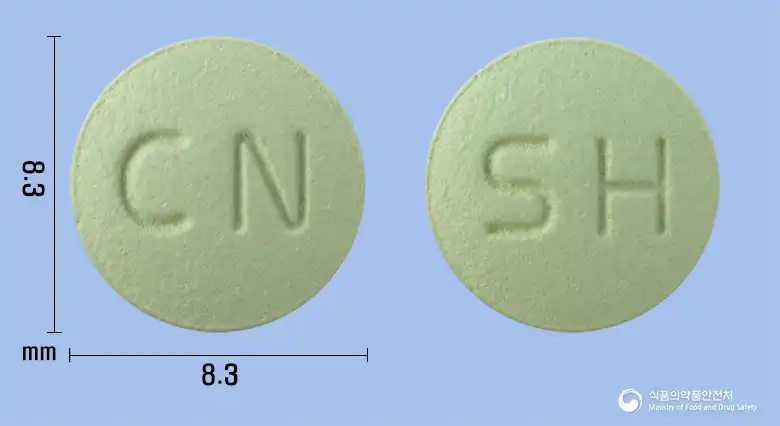
Cinacalcet Hydrochloride 27.55mg
Tablet · Prescription medication
Huons Co., Ltd.
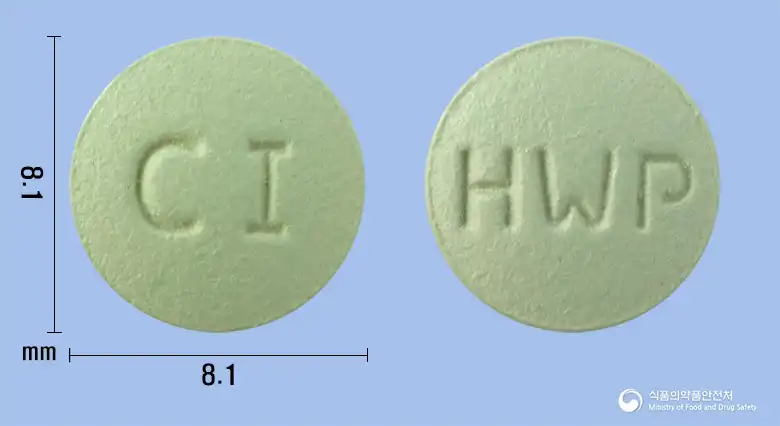
Cinacalcet Hydrochloride 27.55mg
Tablet · Prescription medication
Hanwha Pharmaceutical Co., Ltd.
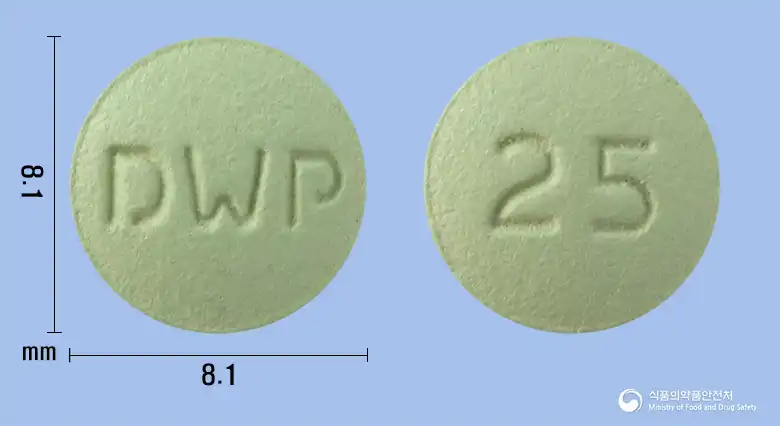
Cinacalcet Hydrochloride 27.55mg
Tablet · Prescription medication
DaeWon Pharmaceutical Co., Ltd.
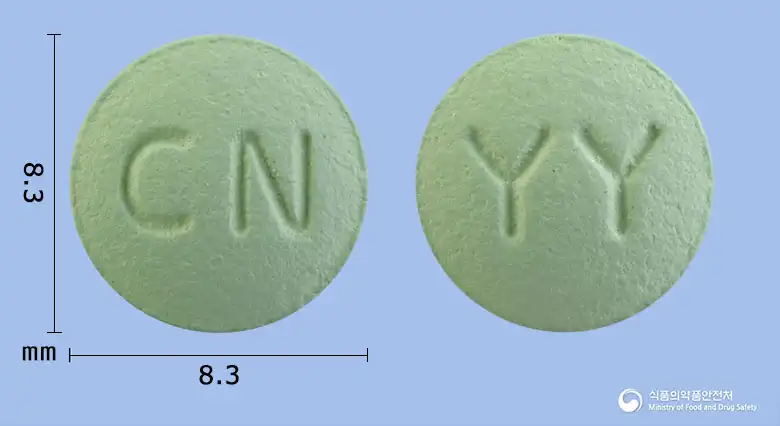
Cinacalcet Hydrochloride 27.55mg
Tablet · Prescription medication
Yuyu Pharmaceutical Co., Ltd.
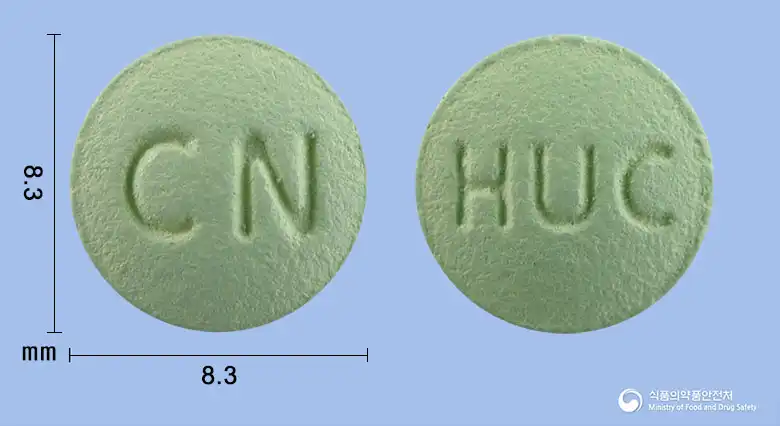
Cinacalcet Hydrochloride 27.55mg
Tablet · Prescription medication
Huons Meditech Co., Ltd.
Even with the same ingredient, the dose and directions can differ by strength and dosage form. Talk to a doctor or pharmacist before switching from a medication you are already taking.
No questions yet.
For anything that needs medical judgment, consult a doctor or pharmacist.
This drug information is based on data provided by the Korea Ministry of Food and Drug Safety.
Consult a doctor or pharmacist for accurate dosage, administration, and usage instructions.