
 한국어
 English
 日本語
 中文(简体)
Summary
- Main use
- Adjuvant therapy after surgery for ALK-positive non-small cell lung cancer; treatment of locally advanced or metastatic disease
- Who takes it
- Adults
- Adult dose
- This medicine should be taken with food and swallowed whole. Do not open the capsules or dissolve them before administration. The recommended dosage of this medicine is 600 milligrams (4 capsules) orally twice daily (total daily dose of 1200 milligrams). For patients with severe hepatic impairment, administer 450 milligrams orally twice daily (total daily dose of 900 milligrams). • Adjuvant therapy following resection of non-small cell lung cancer It is recommended that this medicine be administered until disease recurrence, unacceptable toxicity, or for 2 years. • Treatment of patients with locally advanced or metastatic non-small cell lung cancer It is recommended that this medicine be administered until disease progression or unacceptable toxicity. If a scheduled dose is missed, the patient should take it as soon as possible if more than 6 hours remain until the next dose. If the patient vomits after taking this medicine, the patient should take the next dose at the scheduled time. Temporary interruption, dose reduction, or discontinuation of this medicine may be necessary to manage adverse reactions. The dose of this medicine may be reduced by 150 milligrams twice daily based on tolerability. Permanently discontinue this medicine if the patient cannot tolerate 300 milligrams twice daily. Dose adjustment schedule 600 milligrams twice daily First dose reduction: 450 milligrams twice daily Second dose reduction: 300 milligrams twice daily Interstitial lung disease/pneumonitis (all grades) Immediately discontinue this medicine and permanently discontinue it if no other potential cause of interstitial lung disease/pneumonitis is identified. Total bilirubin increased to ≤2 times the upper limit of normal (ULN) and ALT or AST increased to >5 times the upper limit of normal Temporarily withhold treatment until recovery to baseline or ≤3 times the upper limit of normal, then resume treatment at a reduced dose (see Table 1). Total bilirubin increased to >2 times the upper limit of normal and ALT or AST increased to >3 times the upper limit of normal, without cholestasis or hemolysis Permanently discontinue this medicine. Total bilirubin increased to >3 times the upper limit of normal Temporarily withhold treatment until recovery to baseline or ≤1.5 times the upper limit of normal, then resume treatment at a reduced dose (see Table 1). Grade 3 renal impairment Temporarily withhold treatment until blood creatinine recovers to ≤1.5 times the upper limit of normal, then resume treatment at a reduced dose. Grade 4 renal impairment Permanently discontinue this medicine. Grade 2 or 3 bradycardia* (symptomatic, severe and medically significant, requiring medical intervention) Temporarily withhold treatment until recovery to Grade 1 (asymptomatic) bradycardia or lower, or to a heart rate of 60 bpm or higher. Assess whether the patient is taking concomitant medications known to cause bradycardia, as well as antihypertensive medications. If a causative concomitant medication is identified and can be discontinued or its dose adjusted, resume treatment at the previous dose when the patient recovers to Grade 1 (asymptomatic) bradycardia or lower, or to a heart rate of 60 bpm or higher. If no causative concomitant medication can be identified, or it cannot be discontinued or its dose adjusted, resume treatment at a reduced dose (see Table 1) when the patient recovers to Grade 1 (asymptomatic) bradycardia or lower, or to a heart rate of 60 bpm or higher. Grade 4 bradycardia* (life-threatening consequences, requiring urgent intervention) If no causative concomitant medication can be identified, permanently discontinue this medicine. If a causative concomitant medication is identified and can be discontinued or its dose adjusted, resume treatment at a reduced dose (see Table 1) when the patient recovers to Grade 1 (asymptomatic) bradycardia or lower, or to a heart rate of 60 bpm or higher, and monitor frequently as clinically indicated. Permanently discontinue treatment if bradycardia recurs. CPK increased to >5 times the upper limit of normal Temporarily withhold treatment until recovery to baseline or ≤2.5 times the upper limit of normal, then resume treatment at the previous dose. CPK increased to >10 times the upper limit of normal, or a second occurrence of CPK increased to >5 times the upper limit of normal Temporarily withhold treatment until recovery to baseline or ≤2.5 times the upper limit of normal, then resume treatment at a reduced dose according to Table 1. Hemolytic anemia with hemoglobin level <10 g/dL (Grade ≥2) Temporarily withhold treatment until recovery, then resume treatment at a reduced dose (see Table 1) or permanently discontinue treatment. * Heart rate less than 60 beats per minute (60 bpm)
Ingredients
- Importer
- Roche Korea Co., Ltd.
Efficacy & effects
Adjuvant therapy after surgery for ALK-positive non-small cell lung cancer; treatment of locally advanced or metastatic disease
View approved original textHide original text
This medication is used for patients with ALK-positive non-small cell lung cancer. It is applied as adjuvant therapy for patients who have undergone complete tumor resection to prevent cancer recurrence and enhance treatment efficacy. Additionally, it is administered to patients with locally advanced or metastatic non-small cell lung cancer to help inhibit cancer progression and improve survival rates. This drug plays a significant role in the treatment of non-small cell lung cancer, improving patients' conditions.
How to take
Adult dose
This medicine should be taken with food and swallowed whole. Do not open the capsules or dissolve them before administration. The recommended dosage of this medicine is 600 milligrams (4 capsules) orally twice daily (total daily dose of 1200 milligrams). For patients with severe hepatic impairment, administer 450 milligrams orally twice daily (total daily dose of 900 milligrams). • Adjuvant therapy following resection of non-small cell lung cancer It is recommended that this medicine be administered until disease recurrence, unacceptable toxicity, or for 2 years. • Treatment of patients with locally advanced or metastatic non-small cell lung cancer It is recommended that this medicine be administered until disease progression or unacceptable toxicity. If a scheduled dose is missed, the patient should take it as soon as possible if more than 6 hours remain until the next dose. If the patient vomits after taking this medicine, the patient should take the next dose at the scheduled time. Temporary interruption, dose reduction, or discontinuation of this medicine may be necessary to manage adverse reactions. The dose of this medicine may be reduced by 150 milligrams twice daily based on tolerability. Permanently discontinue this medicine if the patient cannot tolerate 300 milligrams twice daily. Dose adjustment schedule 600 milligrams twice daily First dose reduction: 450 milligrams twice daily Second dose reduction: 300 milligrams twice daily Interstitial lung disease/pneumonitis (all grades) Immediately discontinue this medicine and permanently discontinue it if no other potential cause of interstitial lung disease/pneumonitis is identified. Total bilirubin increased to ≤2 times the upper limit of normal (ULN) and ALT or AST increased to >5 times the upper limit of normal Temporarily withhold treatment until recovery to baseline or ≤3 times the upper limit of normal, then resume treatment at a reduced dose (see Table 1). Total bilirubin increased to >2 times the upper limit of normal and ALT or AST increased to >3 times the upper limit of normal, without cholestasis or hemolysis Permanently discontinue this medicine. Total bilirubin increased to >3 times the upper limit of normal Temporarily withhold treatment until recovery to baseline or ≤1.5 times the upper limit of normal, then resume treatment at a reduced dose (see Table 1). Grade 3 renal impairment Temporarily withhold treatment until blood creatinine recovers to ≤1.5 times the upper limit of normal, then resume treatment at a reduced dose. Grade 4 renal impairment Permanently discontinue this medicine. Grade 2 or 3 bradycardia* (symptomatic, severe and medically significant, requiring medical intervention) Temporarily withhold treatment until recovery to Grade 1 (asymptomatic) bradycardia or lower, or to a heart rate of 60 bpm or higher. Assess whether the patient is taking concomitant medications known to cause bradycardia, as well as antihypertensive medications. If a causative concomitant medication is identified and can be discontinued or its dose adjusted, resume treatment at the previous dose when the patient recovers to Grade 1 (asymptomatic) bradycardia or lower, or to a heart rate of 60 bpm or higher. If no causative concomitant medication can be identified, or it cannot be discontinued or its dose adjusted, resume treatment at a reduced dose (see Table 1) when the patient recovers to Grade 1 (asymptomatic) bradycardia or lower, or to a heart rate of 60 bpm or higher. Grade 4 bradycardia* (life-threatening consequences, requiring urgent intervention) If no causative concomitant medication can be identified, permanently discontinue this medicine. If a causative concomitant medication is identified and can be discontinued or its dose adjusted, resume treatment at a reduced dose (see Table 1) when the patient recovers to Grade 1 (asymptomatic) bradycardia or lower, or to a heart rate of 60 bpm or higher, and monitor frequently as clinically indicated. Permanently discontinue treatment if bradycardia recurs. CPK increased to >5 times the upper limit of normal Temporarily withhold treatment until recovery to baseline or ≤2.5 times the upper limit of normal, then resume treatment at the previous dose. CPK increased to >10 times the upper limit of normal, or a second occurrence of CPK increased to >5 times the upper limit of normal Temporarily withhold treatment until recovery to baseline or ≤2.5 times the upper limit of normal, then resume treatment at a reduced dose according to Table 1. Hemolytic anemia with hemoglobin level <10 g/dL (Grade ≥2) Temporarily withhold treatment until recovery, then resume treatment at a reduced dose (see Table 1) or permanently discontinue treatment. * Heart rate less than 60 beats per minute (60 bpm)
Precautions
This medication may cause inflammation in the lungs or interstitial lung disease; therefore, if any respiratory symptoms occur during treatment, you should consult a doctor immediately. Those with allergies to this medication or its components should not take it. Patients with lactose intolerance or specific genetic metabolic disorders should also avoid using this medication. While taking this medication, various side effects such as constipation, myalgia, edema, anemia, skin rash, liver function abnormalities may occur. Report any severe symptoms to medical personnel. Regular liver function tests should be conducted, and if liver enzymes significantly increase, the medication may need to be discontinued or the dosage adjusted. Muscle pain or weakness should be reported immediately, and if necessary, muscle enzyme tests should be performed. Bradycardia may occur, so heart rate and blood pressure should be monitored periodically. Anemia symptoms may appear, so if fatigue or paleness is severe, consult healthcare providers. Kidney function issues may arise, and in severe cases, the medication should be discontinued, necessitating kidney function tests. Sensitivity to sunlight may increase; therefore, use of sunscreen is recommended and prolonged sun exposure should be avoided. Women who are pregnant or planning to become pregnant should consult a doctor before taking this medication as it may pose risks to the fetus. Effective contraception should be practiced during treatment, and male patients' partners should also avoid pregnancy. If breastfeeding, consult healthcare providers regarding the potential for this medication to be excreted in breast milk. Safety in children and elderly patients has not been adequately established, so caution is needed. Patients with severe liver or kidney dysfunction may require dosage adjustments or restrictions. In case of overdose, contact a medical institution immediately to receive appropriate measures.
Side effects
- interstitial lung disease
- pneumonia
- constipation
- myalgia
- edema
- anemia
- rash
- increased bilirubin
- increased ALT
- increased AST
Show 79 moreCollapse
- abdominal pain
- diarrhea
- COVID-19
- fatigue
- cough
- dyspnea
- kidney impairment
- dysgeusia
- headache
- weight gain
- bradycardia
- nausea
- vomiting
- back pain
- increased serum creatine phosphokinase
- photosensitivity reaction
- drug-induced liver damage
- visual disturbances
- hemolytic anemia
- acute kidney injury
- musculoskeletal pain
- arthralgia
- muscle weakness
- dizziness
- pruritus
- decreased appetite
- stomatitis
- dyspepsia
- esophagitis
- dysphagia
- abdominal discomfort
- reflux
- toothache
- decreased erythrocyte volume
- decreased red blood cell count
- fever
- pain
- death
- chest pain
- walking disability
- myopathy
- muscle spasms
- myositis
- hemoptysis
- oropharyngeal pain
- pulmonary embolism
- voice disorder
- nasal obstruction
- purulent vesicles
- oral candidiasis
- tinea pedis
- sensory disturbances
- drowsiness
- tremor
- peripheral sensory neuropathy
- urticaria
- dry skin
- alopecia
- pigmentary disorders
- eczema
- contact dermatitis
- excessive skin pigmentation
- skin discoloration
- hypokalemia
- frequent urination
- proteinuria
- chronic kidney disease
- dysuria
- azotemia
- jaundice
- hepatitis
- toxic hepatitis
- hepatic dysfunction
- ocular jaundice
- atrial fibrillation
- freeze node dysfunction
- cardiac hypertrophy
- eye pain
- sexual dysfunction
Not everyone experiences these, and they can vary from person to person.
Storage
This medication is sensitive to air, light, and moisture, so it should be stored in a tightly sealed container. Furthermore, it should be kept in a cool place below 30 degrees Celsius to maintain its efficacy.
Appearance and packaging
Appearance
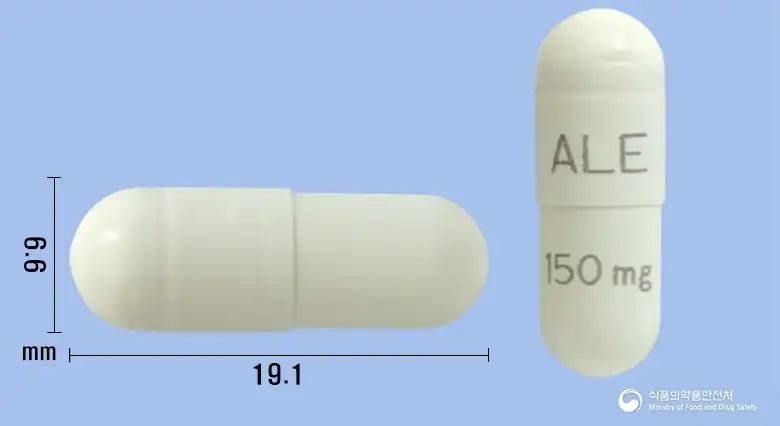
This medication is encapsulated in white to off-white hard capsules filled with white to pale yellow powder or granules.
Package unit
224 capsules (8 capsules/PTP packaging × 28)
Questions about this medicine
No questions yet.
For anything that needs medical judgment, consult a doctor or pharmacist.