
 한국어
 English
 日本語
 中文(简体)
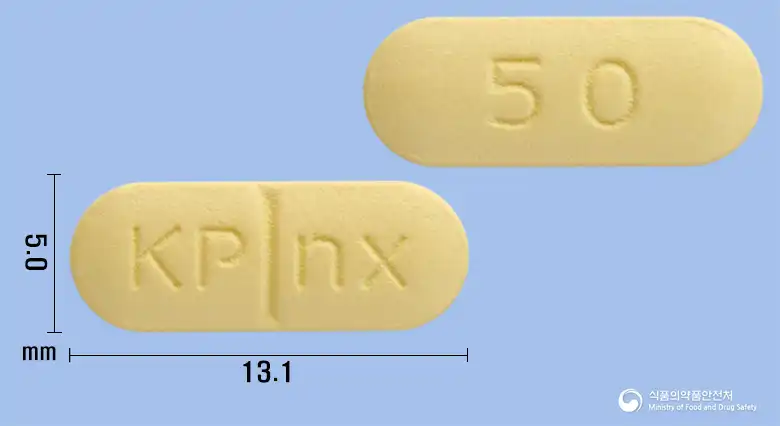 Viewing now
Phamanaltrexone Tablet 50 mg (Naltrexone Hydrochloride)
Naltrexone Hydrochloride 50mg
Tablet · Prescription medication
Korea Pharma Co., Ltd.
MFDS item code 201604834 · Approved 2016.08.08 · Insurance code 653005830
Treatment of alcohol dependence; suppression of the effects of exogenous opioids
This medication helps in the treatment of alcohol dependence when used in conjunction with an appropriate management program, and blocks the effects of externally ingested opioid drugs. This contributes to improving physical and mental issues caused by alcohol and opioids.
Naltrexone hydrochloride treatment may be started only if the physician determines that the patient has not used opioids within 7 ∼ 10 days before treatment. If opioid dependence is suspected, a naloxone challenge test should be performed. 1. Treatment of alcohol dependence Adults: Administer 50 mg of naltrexone hydrochloride orally once daily. Placebo-controlled studies have administered this dose for up to 12 weeks, but other doses or treatment durations were not evaluated in these studies. 2. Blocking the effects of exogenous opioids 1) Treatment should be started only after urine testing confirms that the patient has not used opioids for at least 7 ∼ 10 days before treatment. 2) If opioid dependence is suspected, perform the following naloxone challenge test. Do not administer this medicine if opioid withdrawal symptoms continue to be observed during the test. However, the naloxone challenge test may be resumed after 24 hours. 3) Initiate treatment cautiously, increasing the dose gradually. The initial dose is 25 mg. After observing the patient for one hour, if no withdrawal symptoms occur, the remainder of the daily dose (25 mg) may be administered. 4) A dose of 50 mg once daily can adequately block the effects of intravenously administered opioids (this dose blocks the effects of 25 mg of intravenously administered heroin). To improve medication adherence, the dosing schedule may be adjusted as follows: ○ 50 mg daily on weekdays and 100 mg on Saturday ○ 100 mg every 2 days ○ 150 mg every 3 days However, doses exceeding 50 mg at a time may increase the risk of hepatocellular injury; this regimen should therefore be used only when the benefits of improved medication adherence outweigh the risk of hepatotoxicity. In addition, doses exceeding 150 mg at a time are not recommended because they may increase the likelihood of adverse reactions. <Naloxone challenge test> The naloxone challenge test may be performed by either the intravenous or subcutaneous route. 1. Test procedure 1) Intravenous challenge test Draw 0.8 mg of naloxone into a sterile syringe. Inject 0.2 mg of naloxone and, with the needle in the patient's vein, observe for signs or symptoms of withdrawal for approximately 30 seconds. If no withdrawal symptoms occur, inject the remaining 0.6 mg and observe the patient's condition for 20 minutes for the onset of withdrawal symptoms. 2) Subcutaneous challenge test Inject 0.8 mg of naloxone subcutaneously and observe the patient's condition for approximately 20 minutes for signs or symptoms of withdrawal.
This medication may potentially cause liver damage; therefore, it should not be taken in excess of the recommended dose. Overdose may result in abnormal liver function, so it is important for patients at risk of liver damage to stop using this medication and seek medical attention. This medication should not be used in patients currently taking opioid analgesics, those with opioid dependence, or those experiencing acute opioid withdrawal symptoms. It should not be administered to patients with severely impaired liver or kidney function, pregnant or breastfeeding women, children under 18 years, and the elderly. This medication can interact with opioid drugs; thus, patients taking other medications should consult a physician or pharmacist. Regular liver function tests are required during the use of this medication to monitor for liver damage. Attempts to rapidly consume large amounts of opioids to negate this medication's blocking effect are extremely dangerous and potentially life-threatening. If any abnormal symptoms occur during treatment, immediate consultation with medical personnel is necessary, especially in the case of abdominal pain or symptoms of jaundice (yellowing of the eyes or skin). This medication must be taken only as prescribed by a physician, and patients must not change the dosage or discontinue use arbitrarily. Keep this medication in a safe place where children or others cannot accidentally take it.
Not everyone experiences these, and they can vary from person to person.
This medication is sensitive to light, so it should be stored in a dark place and in a sealed container to prevent contact with air. It is important to maintain the storage temperature between 1 to 30 degrees Celsius.
Light yellow, oval film-coated tablet
100 tablets/bottle, 30 tablets/bottle
Even with the same ingredient, strength, dosage form and how it is taken can differ.
Viewing nowNaltrexone Hydrochloride 50mg
Tablet · Prescription medication
Korea Pharma Co., Ltd.
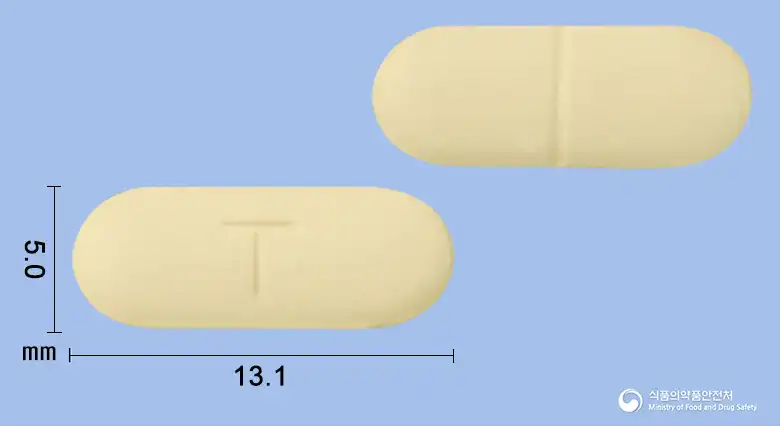
Naltrexone Hydrochloride 50mg
Tablet · Prescription medication
Jeil Pharmaceutical Co., Ltd.
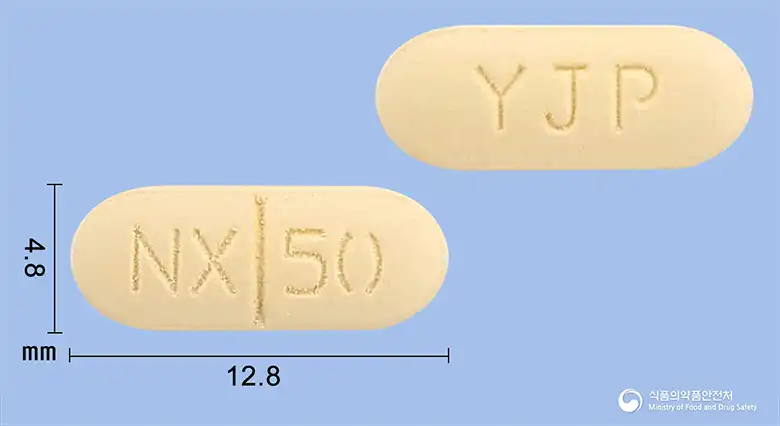
Naltrexone Hydrochloride 50mg
Tablet · Prescription medication
Young Jin Pharmaceutical Co., Ltd.
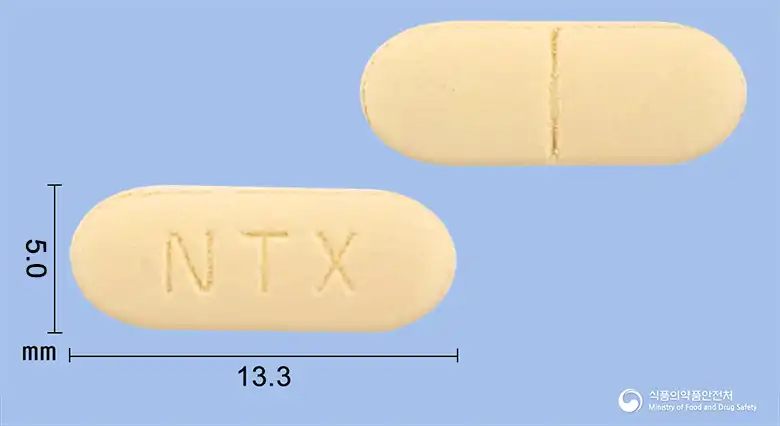
Naltrexone Hydrochloride 50mg
Tablet · Prescription medication
Hwanin Pharmaceutical Co., Ltd.
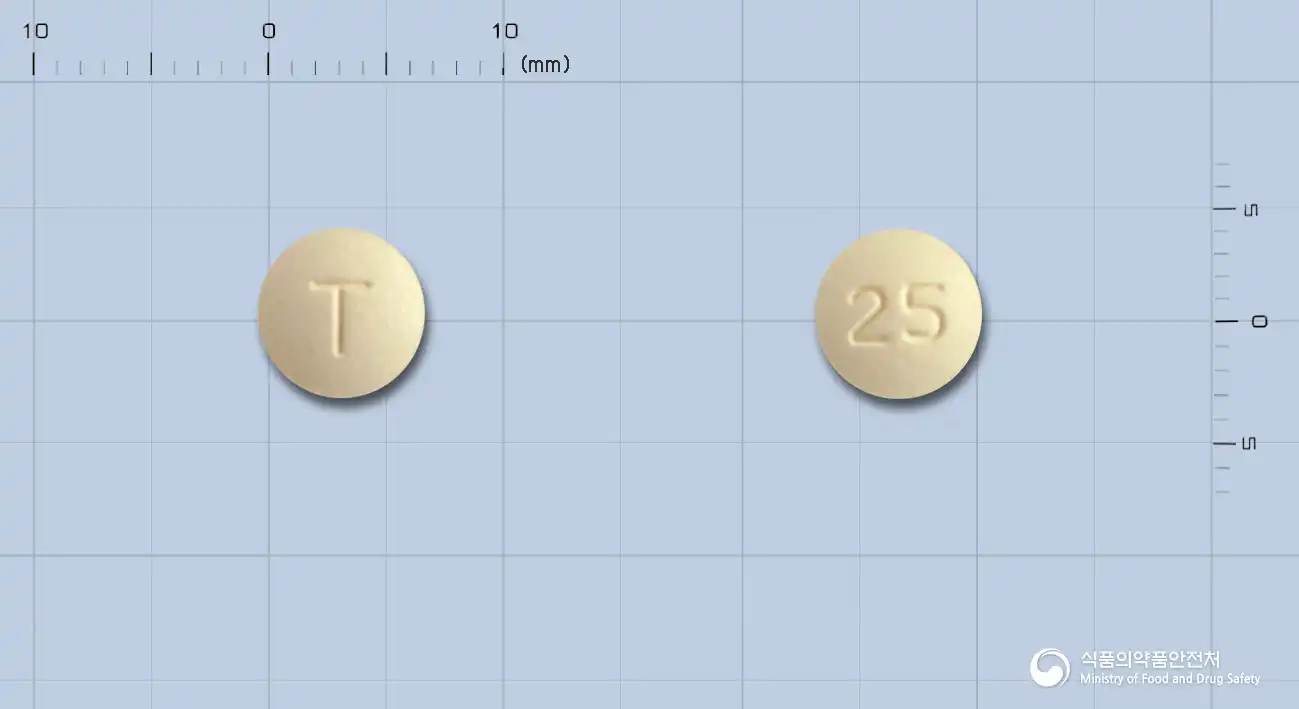
Naltrexone Hydrochloride 25mg
Tablet · Prescription medication
Myeongin Pharmaceutical Co., Ltd.
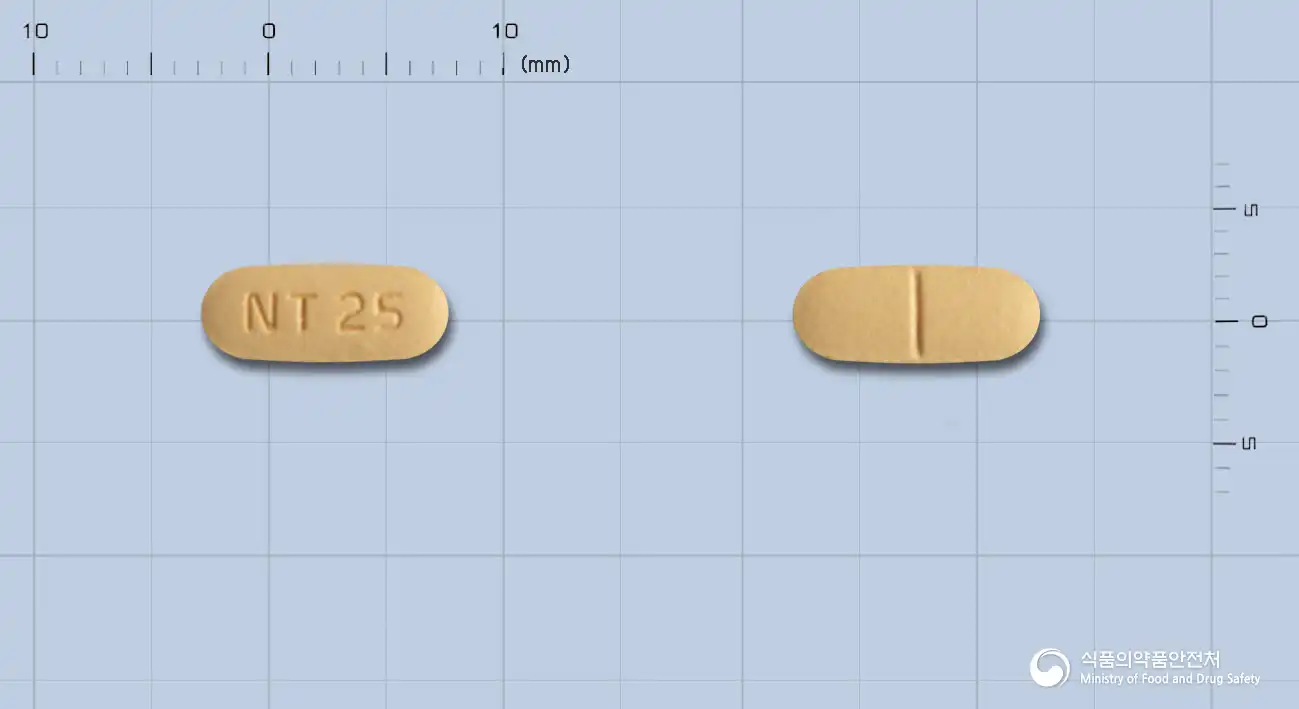
Naltrexone Hydrochloride 25mg
Tablet · Prescription medication
Hwanin Pharmaceutical Co., Ltd.
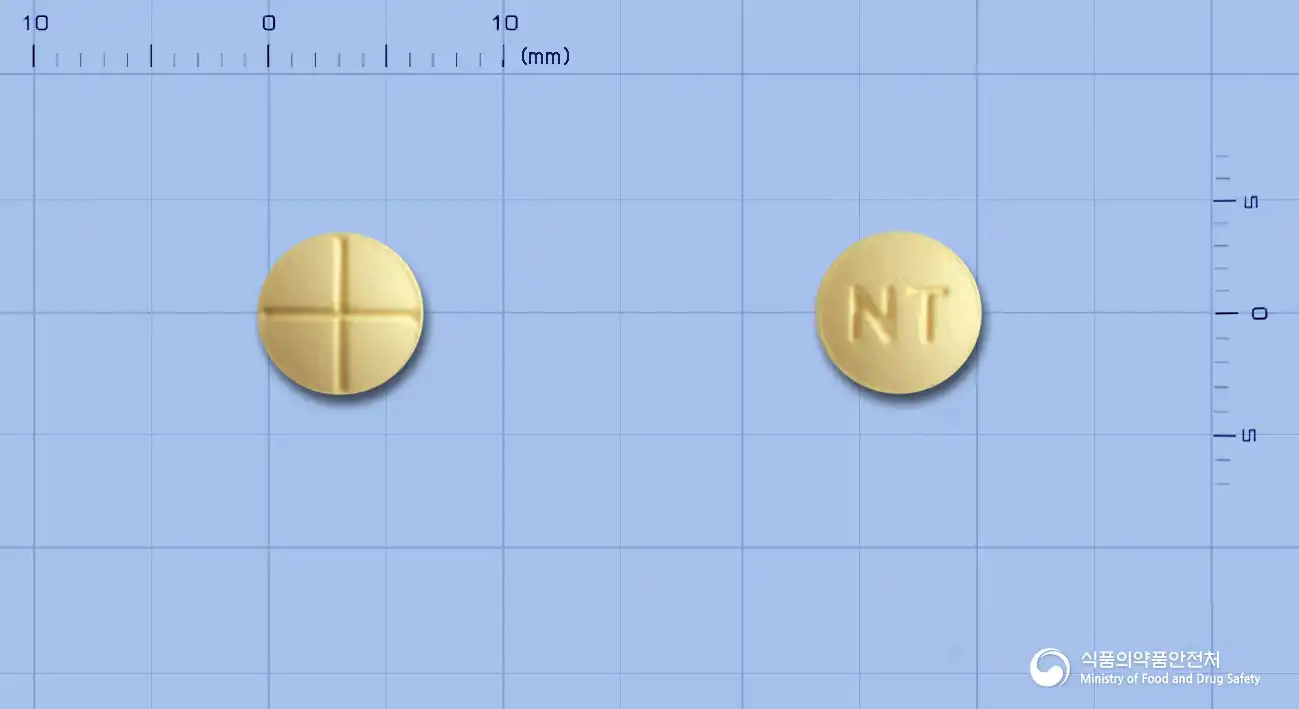
Naltrexone Hydrochloride 25mg
Tablet · Prescription medication
AlboGen Korea Co., Ltd.
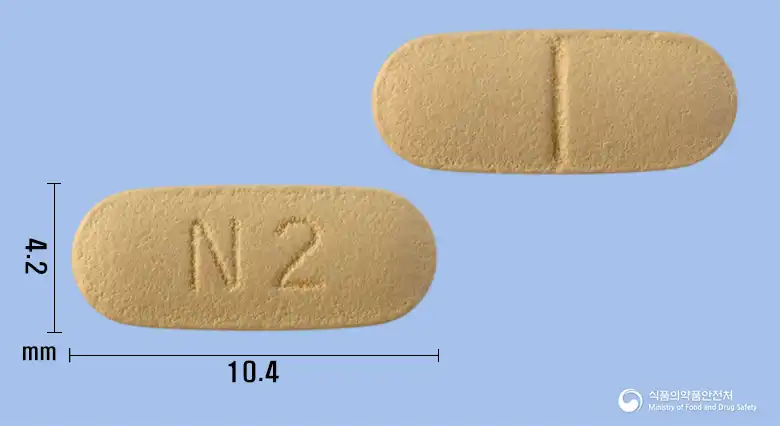
Naltrexone Hydrochloride 25mg
Tablet · Prescription medication
Daehan New Pharm Co., Ltd.
Even with the same ingredient, the dose and directions can differ by strength and dosage form. Talk to a doctor or pharmacist before switching from a medication you are already taking.
No questions yet.
For anything that needs medical judgment, consult a doctor or pharmacist.
This drug information is based on data provided by the Korea Ministry of Food and Drug Safety.
Consult a doctor or pharmacist for accurate dosage, administration, and usage instructions.