
 한국어
 English
 日本語
 中文(简体)
 Viewing now
Nizatidine Capsule 150mg (Nizatidine)
Nizatidine 150mg
Hard capsule · Prescription medication
iWorld Pharmaceutical Co., Ltd.
MFDS item code 201603586 · Approved 2016.06.20 · Insurance code 669604870
Treatment of ulcers and prevention of duodenal ulcer recurrence; treatment of esophagitis and heartburn; improvement of gastric mucosal lesions
This medication is used to treat active gastric and duodenal ulcers and to prevent the recurrence of duodenal ulcers. It also alleviates symptoms of erosive and ulcerative esophagitis diagnosed by endoscopy, as well as heartburn associated with gastroesophageal reflux disease. Additionally, it helps improve lesions such as erosion, bleeding, redness, and swelling of the gastric mucosa that occur during acute exacerbations of acute and chronic gastritis. This medication effectively treats symptoms and lesions of various gastrointestinal diseases, thereby improving the gastric health of patients.
1. Treatment of active gastric and duodenal ulcers Adults: Administer nizatidine 300mg once daily at bedtime, or 150mg orally twice daily, in the morning and evening. Most ulcers heal within 4 weeks, but treatment may be continued for up to 8 weeks if necessary. For active gastric ulcers, malignancy must be ruled out before treatment. 2. Prevention of recurrence of duodenal ulcers Adults: After healing of a duodenal ulcer, administer 150mg orally once daily at bedtime. Treatment may continue for up to 1 year; results of longer-term treatment are unknown. 3. Gastroesophageal reflux disease Adults: Administer 150mg orally twice daily, in the morning and evening. Treatment may continue for up to 12 weeks. 4. Improvement of gastric mucosal lesions Adults: Administer 150mg orally twice daily, in the morning and evening, for 2 weeks. 5. Dose adjustment for patients with severe renal impairment The dose for patients with renal impairment should be reduced and adjusted as follows. Active duodenal ulcer, gastroesophageal reflux disease (GERD), benign gastric ulcer: Creatinine clearance 20~50 ml/min — 150mg per day Active duodenal ulcer, gastroesophageal reflux disease (GERD), benign gastric ulcer: Creatinine clearance < 20 ml/min — 150mg every other day Maintenance therapy: Creatinine clearance 20~50 ml/min — 150mg every other day Maintenance therapy: Creatinine clearance < 20 ml/min — 150mg every 3 days Some older adults may have a creatinine clearance below 50mL/min. Based on pharmacokinetic data in patients with renal impairment, the dose should also be reduced in such patients according to the degree of renal function decline. The clinical impact of this dose reduction in patients with renal impairment has not been evaluated.
This medication should not be used by individuals who have experienced allergic reactions to drugs of the same class. Caution should be exercised when prescribing to patients with a history of drug allergies or existing liver or kidney dysfunction. In particular, in cases of impaired kidney function, the concentration of the medication in the body may increase, therefore, dosage should be reduced or the dosing interval extended. If allergic symptoms such as skin rash, itching, difficulty breathing, or swelling of the face or neck occur while using this medication, it should be discontinued immediately. Blood abnormalities such as anemia, changes in white blood cell counts, and, rarely, thrombocytopenia may occur. If any unusual symptoms arise, discontinue use and consult a physician. Gastrointestinal symptoms such as constipation, diarrhea, dry mouth, and nausea may occur. Liver function abnormalities may occur, hence it is important to routinely check liver health, as liver enzyme levels can rise or symptoms such as hepatitis and jaundice may arise. Rarely, symptoms such as confusion, headache, drowsiness, dizziness, and lethargy may occur, and seizures may rarely occur as well. Transiently rapid heartbeats may be observed. In women, there may be rare instances of breast enlargement, while men have reported erectile dysfunction or decreased libido. Skin reactions such as sweating, hives, rashes, dermatitis, and, rarely, vasculitis may occur. This medication can cause hyperuricemia unrelated to gout or kidney stones, and symptoms such as fever, chest pain, muscle pain, rhinitis, pharyngitis, and cough have been reported. This medication can mask symptoms of gastric cancer; therefore, it should only be used after confirming that it is not gastric cancer. Since this drug is primarily excreted through the kidneys, dosage should be adjusted for patients with impaired kidney function, and treatment effects and side effects should be closely monitored. Drug pharmacokinetic studies in patients with liver and kidney diseases are limited, but usual dosages can be administered to patients with normal liver function. This medication has a low risk of interacting with other specific drugs and does not significantly affect drug metabolism in the liver, thus the likelihood of drug-drug interactions is low. Women who are pregnant or may become pregnant should use this medication only when the benefits outweigh the risks, and nursing mothers should use it only when absolutely necessary. Safety and efficacy in pediatric patients have not been sufficiently established. Elderly patients are at higher risk of decreased kidney function, so it is advisable to determine the dosage through kidney function tests and to closely observe kidney function during treatment. This medication can affect certain clinical test results, so this should be considered during testing. In case of overdose, symptoms such as vomiting, diarrhea, and increased salivation may occur, and gastric lavage or the use of an adsorbent may be necessary as treatment. Hemodialysis is not effective in removing this medication, so caution is necessary in overdose situations. Animal studies did not show severe impacts on carcinogenicity or reproductive function at high doses; however, its safety during pregnancy is not established, hence it should be used with caution. This medication may be excreted in breast milk, so careful consideration should be given if nursing, and sexual function-related side effects such as erectile dysfunction have been reported.
Not everyone experiences these, and they can vary from person to person.
This medication should be stored in a tightly sealed container to prevent air from entering and is best kept at room temperature between 1 degree and 30 degrees. Proper storage maintains the medication's effectiveness and prevents deterioration.
Opaque yellow capsule, upper part yellow, lower part light yellow, containing white powder
30 capsules/bottle, 200 capsules/bottle
Even with the same ingredient, strength, dosage form and how it is taken can differ.
Viewing nowNizatidine 150mg
Hard capsule · Prescription medication
iWorld Pharmaceutical Co., Ltd.
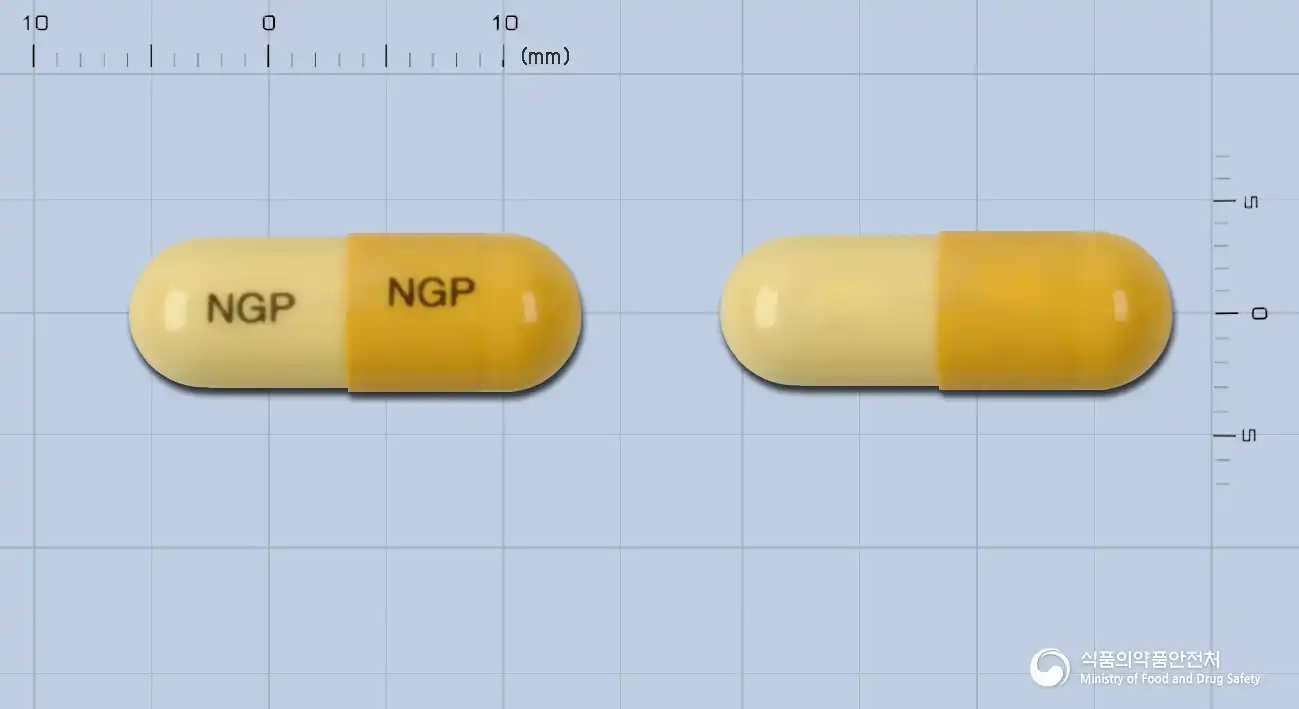
Nizatidine 150mg
Hard capsule · Prescription medication
Celix Co., Ltd.
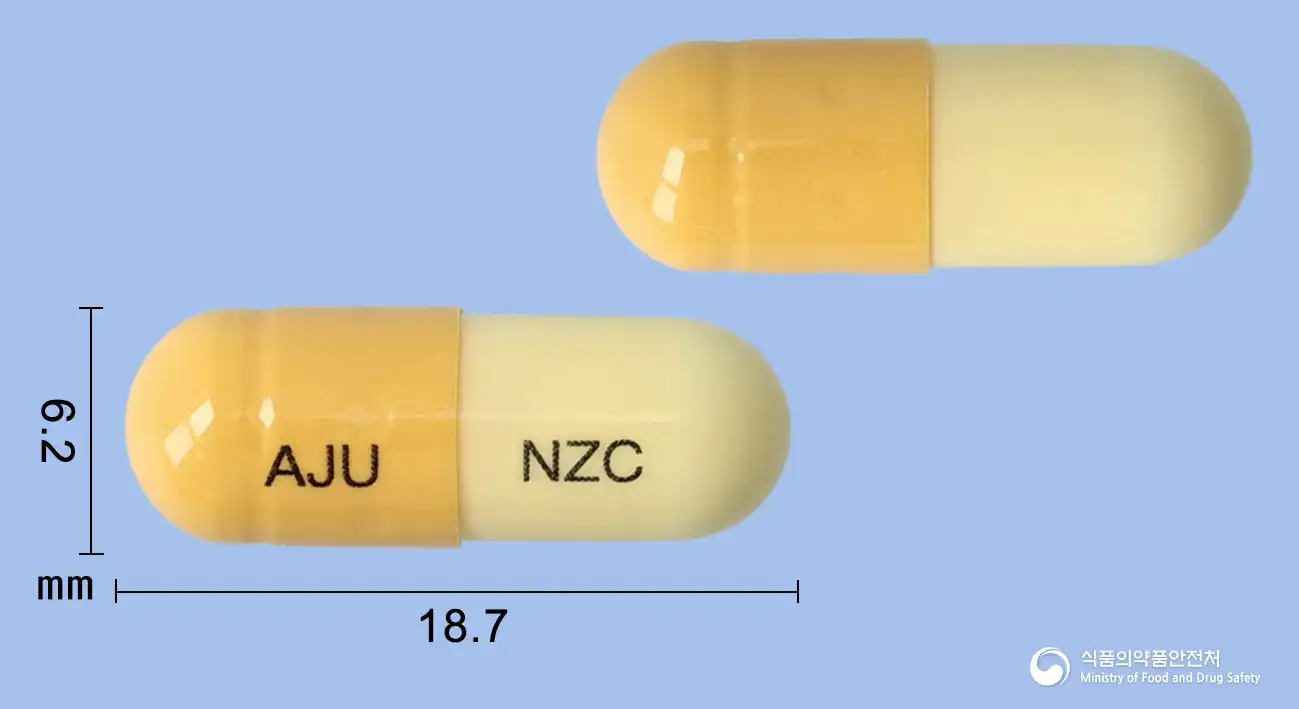
Nizatidine 150mg
Hard capsule · Prescription medication
Ajou Pharmaceutical Co., Ltd.
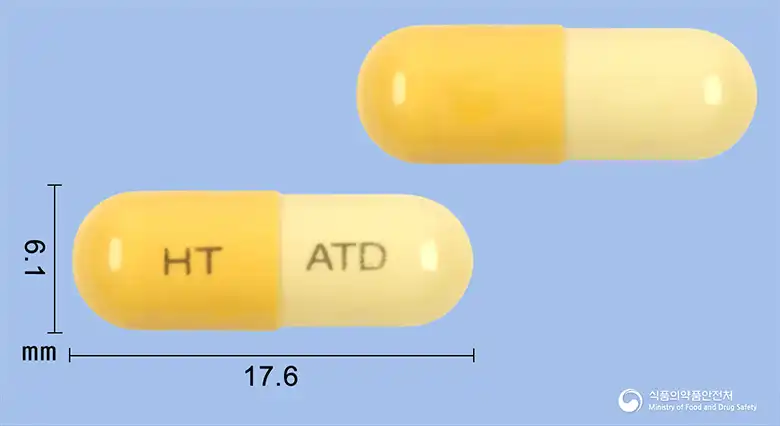
Nizatidine 150mg
Hard capsule · Prescription medication
Hankook Hyutex Pharmaceutical Co., Ltd.

Nizatidine 150mg
Hard capsule · Prescription medication
IYON Pharmaceutical Co., Ltd.
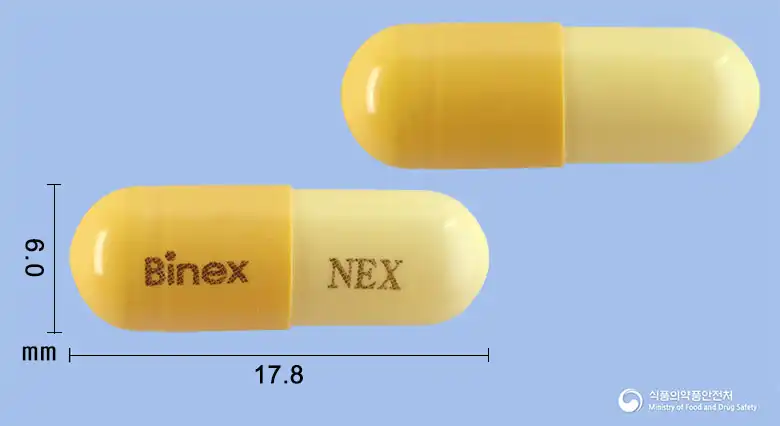
Nizatidine 150mg
Hard capsule · Prescription medication
Bionex Co., Ltd.
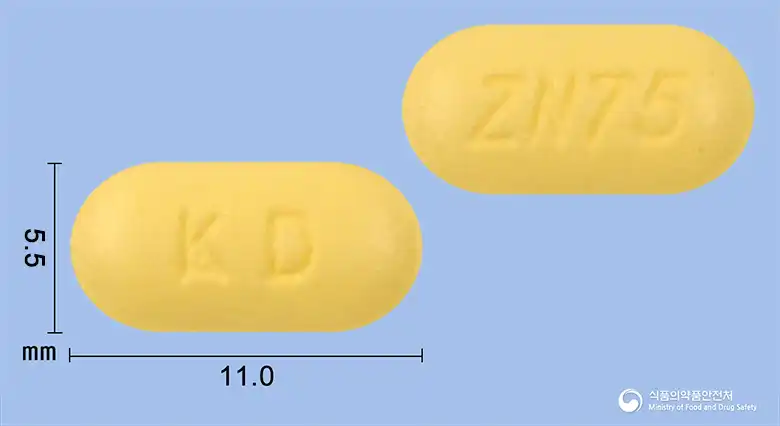
Nizatidine 75mg
Tablet · OTC medication
Kyungdong Pharmaceutical Co., Ltd.
Nizatidine 75mg
Tablet · OTC medication
HLB Pharmaceuticals Co., Ltd.
Even with the same ingredient, the dose and directions can differ by strength and dosage form. Talk to a doctor or pharmacist before switching from a medication you are already taking.
No questions yet.
For anything that needs medical judgment, consult a doctor or pharmacist.
This drug information is based on data provided by the Korea Ministry of Food and Drug Safety.
Consult a doctor or pharmacist for accurate dosage, administration, and usage instructions.