
 한국어
한국어 English
 日本語
日本語 中文(简体)
 Viewing now
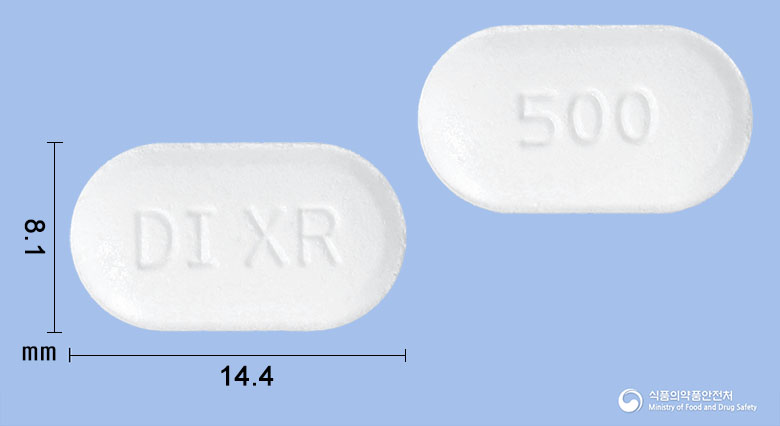
Diapolmin XR Tablets 500mg (Metformin Hydrochloride)
Metformin Hydrochloride 500mg
Tablet · Prescription medication
Daewong Bio Co., Ltd.
MFDS item code 201603574 · Approved 2016.06.17 · Insurance code 694001240
Improvement of blood sugar control in type 2 diabetes
This drug is used for adult patients with type 2 diabetes who have difficulty controlling blood sugar levels with diet and exercise alone, particularly those who are overweight. It helps effectively control blood sugar levels when used alone or in combination with other oral hypoglycemic agents or insulin. By doing so, it contributes to the stable management of blood sugar levels and prevention of complications. This drug plays an important role in diabetes management by enabling tailored treatment according to the patient's health status. It is widely used for the treatment of type 2 diabetes.
The initial dosage is 500mg of Metformin Hydrochloride extended-release tablet taken once daily with the evening meal. The dosage should be determined based on individual therapeutic response and tolerance, not exceeding a maximum of 2000mg per day. When increasing the dosage, it should be increased gradually by 500mg weekly, and it may be taken with the evening meal up to a maximum of 2000mg per day. If blood sugar control is not achieved, consider administering 1000mg twice daily with meals.
This drug can rarely cause a serious condition called lactic acidosis; therefore, if symptoms of lactic acidosis occur, immediate medical attention should be sought. If taken with other diabetes medications, hypoglycemia may occur, so blood sugar levels should be closely monitored. Patients with moderate or severe renal impairment, dehydration, serious infections, or heart problems should not take this drug. Particularly, this drug should be discontinued before and after tests using radiocontrast agents and should be resumed only after checking renal function. It should not be administered to patients with an allergy to this drug or to those with type 1 diabetes or acute metabolic acidosis such as diabetic ketoacidosis. In cases of severe infections or major surgeries, this drug should be temporarily discontinued and resumed after recovery. Patients with poor nutritional status, liver function disorders, respiratory issues, or excessive alcohol consumption should use this drug cautiously. Pregnant women at risk of placental insufficiency or preeclampsia should avoid using this drug, and careful monitoring of fetal growth is required if used during pregnancy. The safety and efficacy of this drug have not been established in children, and it is not recommended for those under 17 years of age. Elderly patients should have regular renal function tests due to the risk of renal impairment and adjust the dosage accordingly. Side effects may include gastrointestinal disturbances, taste disorders, vitamin B12 deficiency, and rarely, skin rashes or allergic reactions. Taking this drug with food may reduce gastrointestinal disturbances, and it should be swallowed whole without crushing or chewing the tablets. Since this drug may interact with other medications, especially hypoglycemic agents, diuretics, or antihypertensive drugs, consultation with a physician is advised when taking them together. Alcohol may increase the risk of adverse effects from this drug, so excessive drinking should be avoided. If pregnant or breastfeeding, consultation with a healthcare provider regarding the use of this drug is essential, and if breastfeeding, consideration should be given to stopping breastfeeding or ceasing drug therapy. In the case of overdose, hypoglycemia does not usually occur, but the drug may accumulate in the body, thus immediate medical treatment should be sought. This drug should be stored out of the reach of children and should not be transferred to another container.
Lactic acidosis, severe allergic reactions (urticaria, severe swelling), hypoglycemia, acute renal failure, liver abnormalities (jaundice), tissue hypoxia due to hypoxia, severe edema, or urinary abnormalities
Not everyone experiences these, and they can vary from person to person.
This drug should be stored in a tightly closed container to prevent exposure to air or moisture, ideally at room temperature between 1 degree and 30 degrees Celsius. Proper storage will help maintain the drug's effectiveness and prevent degradation.
White rectangular extended-release tablet
30 tablets/bottle, 300 tablets/bottle
Even with the same ingredient, strength, dosage form and how it is taken can differ.
Viewing nowMetformin Hydrochloride 500mg
Tablet · Prescription medication
Daewong Bio Co., Ltd.
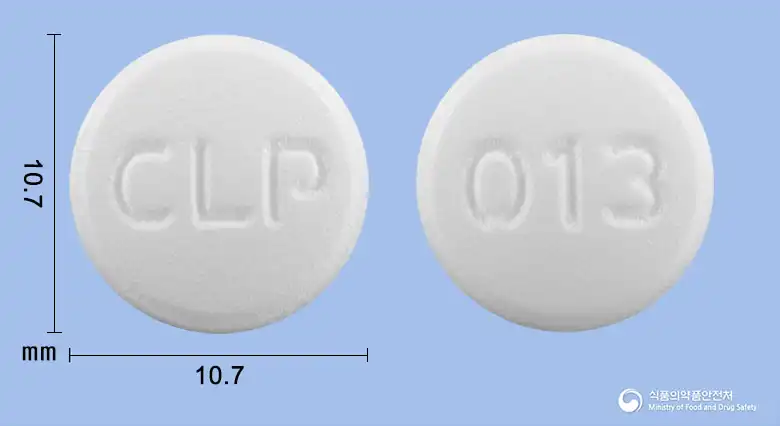
Metformin Hydrochloride 500mg
Tablet · Prescription medication
(Celltrion Pharmaceuticals)
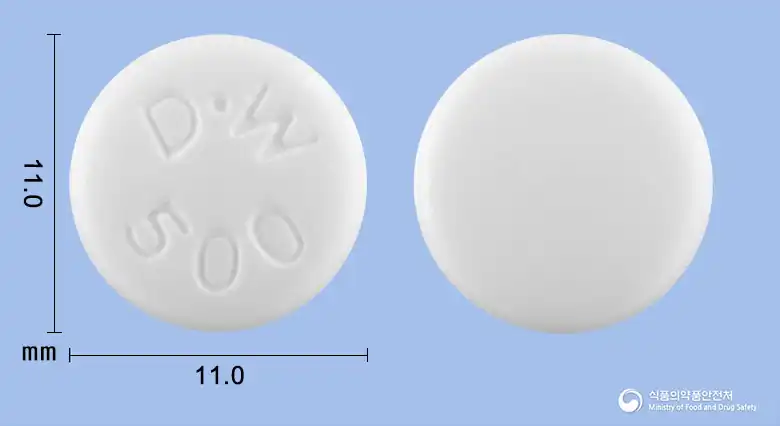
Metformin Hydrochloride 500mg
Tablet · Prescription medication
(Daewoong Pharmaceutical)
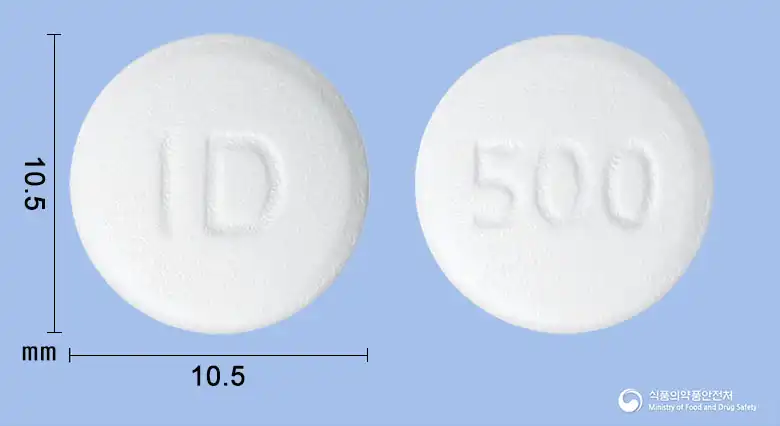
Metformin Hydrochloride 500mg
Tablet · Prescription medication
(Ildong Pharmaceutical Co., Ltd.)
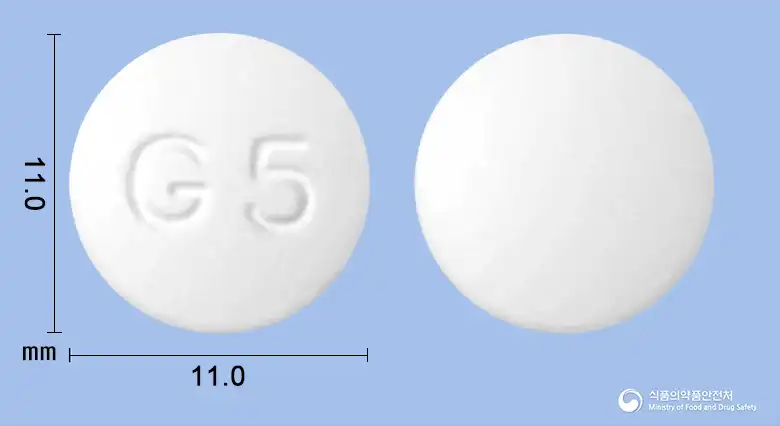
Metformin Hydrochloride 500mg
Tablet · Prescription medication
(Ilseong IS Co., Ltd.)
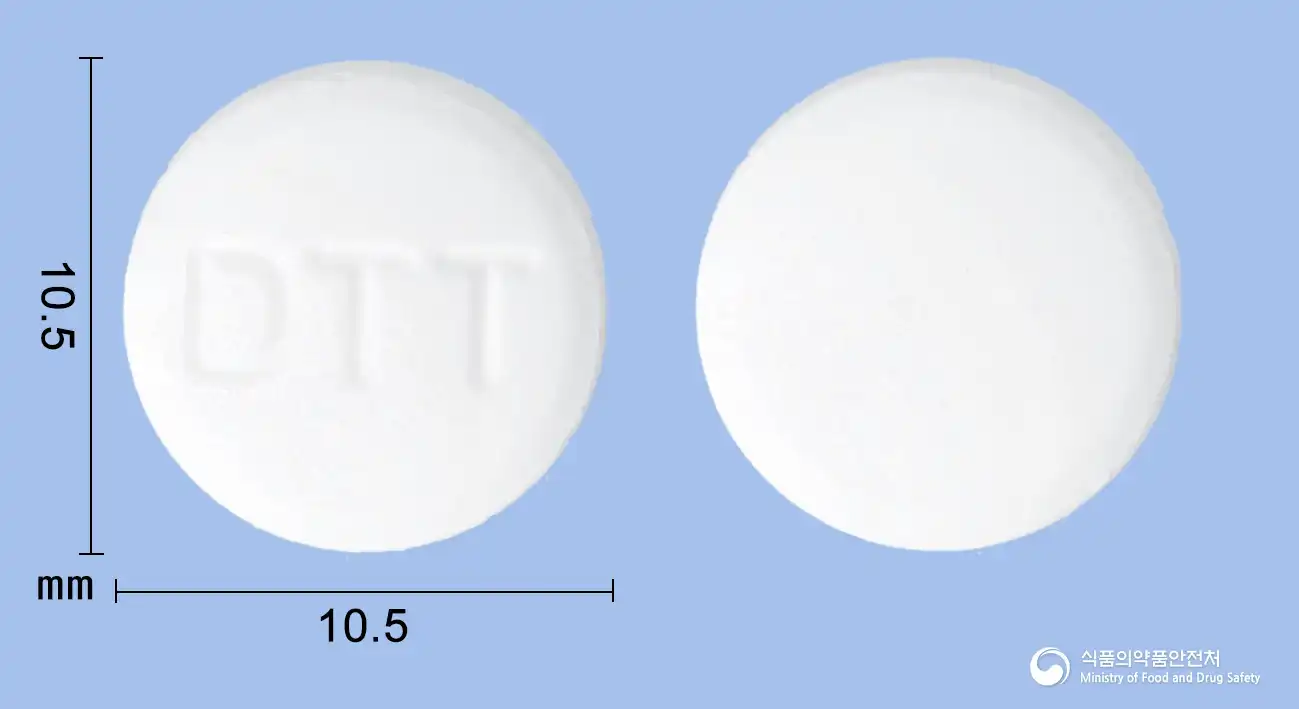
Metformin Hydrochloride 500mg
Tablet · Prescription medication
(Kyungdong Pharmaceutical Co., Ltd.)
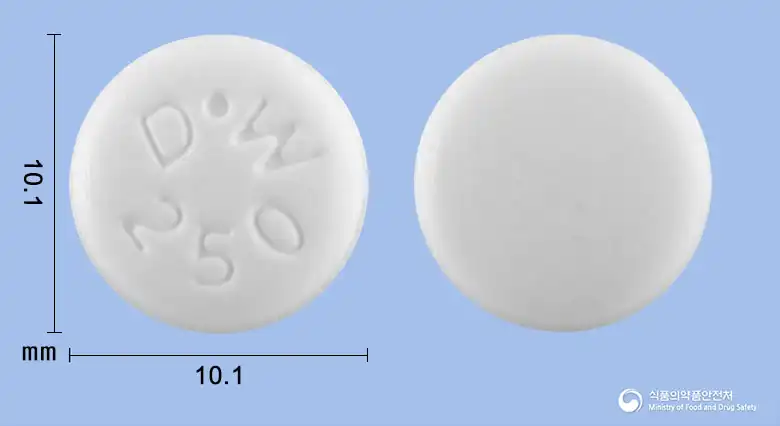
Metformin Hydrochloride 250mg
Tablet · Prescription medication
(Daewoong Pharmaceutical)

Metformin Hydrochloride 500mg
Tablet · Prescription medication
(Youngpoong Pharmaceutical Co., Ltd.)
Even with the same ingredient, the dose and directions can differ by strength and dosage form. Talk to a doctor or pharmacist before switching from a medication you are already taking.
No questions yet.
For anything that needs medical judgment, consult a doctor or pharmacist.
This drug information is based on data provided by the Korea Ministry of Food and Drug Safety.
Consult a doctor or pharmacist for accurate dosage, administration, and usage instructions.