
 한국어
 English
 日本語
 中文(简体)
 Viewing now
Boglstar Tablet (Bogliwose)
Voglibose 0.3mg
Tablet · Prescription medication
Korea Sintax Pharmaceutical Co., Ltd.
MFDS item code 201603248 · Approved 2016.06.07
Improves postprandial hyperglycemia in diabetes mellitus
This medication is used to improve blood sugar elevation occurring after meals in patients with diabetes. It is particularly helpful in cases where dietary and exercise interventions do not yield sufficient effects or when it is difficult to control blood sugar even with the addition of oral hypoglycemic agents or insulin. Therefore, this medication serves to enhance blood sugar control and assist in the management of the patient's health.
Because the response and tolerability vary among patients, the dose must be determined by a physician according to the patient's condition. The usual dosage is as follows. The usual adult dose is 0.2mg of voglibose orally 3 times daily before meals. If the effect is insufficient, the dose per administration may be increased to 0.3mg while carefully monitoring the patient's progress.
This medication should not be used in patients with severe ketoacidosis or diabetic coma. It is also not safe to administer this drug to patients with severe infections, around the time of surgery, or in cases of serious trauma. Patients with a history of allergic reactions to this medication should not use it. Additionally, since it contains lactose, it should not be given to patients with lactose intolerance or certain genetic metabolic disorders. Patients with chronic intestinal diseases that cause issues with digestion or absorption should use this medication cautiously, as their condition may worsen. Attention is also needed for patients who have an increase in intestinal gas or a history of abdominal surgery or bowel obstruction. Patients with severe liver or kidney dysfunction should use this medication carefully, as it may alter their blood sugar control. Elderly patients or those taking other hypoglycemic agents are at risk for hypoglycemia, so they should start at a lower dose and be monitored closely. Hypoglycemia may occur when this medication is used with other hypoglycemic agents, so it is essential to be well-informed about the symptoms of hypoglycemia and to consume glucose instead of sugar when symptoms arise. Symptoms such as abdominal distension or increased flatulence may occur, and serious issues such as bowel obstruction may arise, so administration should be halted immediately if symptoms develop. Liver function may be affected, so if symptoms of hepatitis or jaundice appear, the medication should be discontinued and appropriate treatment sought. In severe liver cirrhosis patients, constipation and other conditions may exacerbate hyperammonemia, leading to altered consciousness, therefore bowel habits should be closely monitored. This medication may cause gastrointestinal symptoms like diarrhea, abdominal pain, nausea, and vomiting, as well as various side effects such as skin rash, itching, elevated liver enzymes, headache, dizziness, drowsiness, and anemia, among others. If these side effects occur, consultation with a physician should be made to adjust the medication usage. This medication is only to be used in patients who have been confirmed to have diabetes, and caution is advised if other conditions with symptoms similar to diabetes are present. Blood sugar control should be regularly monitored, and if sufficient effects are not achieved after 2-3 months of use, other treatment options should be considered. In case of hypoglycemia, treatment should be with glucose instead of sugar, and in severe cases, intravenous treatment may be necessary. When used with other hypoglycemic agents, this medication poses a risk of hypoglycemia; therefore, sufficient explanation of hypoglycemia symptoms and response methods should be provided to patients. This medication may interact with several other drugs that can affect blood sugar control, so if there are other medications being taken, it is essential to inform the medical staff. Women who are pregnant or may become pregnant should carefully consider the risks and benefits of using this medication and nursing mothers are advised to avoid it if possible. Safety in pediatric patients has not been established and there is no experience with use in children. Elderly patients have decreased bodily functions, so treatment should start with a lower dose while closely monitoring blood sugar and gastrointestinal symptoms. Patients with severe liver function or elderly patients in poor nutritional status should especially be cautious of the risk of hypoglycemia.
Not everyone experiences these, and they can vary from person to person.
This medication should be stored in a sealed container to prevent air from entering and kept at room temperature between 1 to 30 degrees Celsius. Proper storage helps maintain the medication's effectiveness.
White to light yellow round tablet
30 tablets/bottle, 300 tablets/bottle
Even with the same ingredient, strength, dosage form and how it is taken can differ.
Viewing nowVoglibose 0.3mg
Tablet · Prescription medication
Korea Sintax Pharmaceutical Co., Ltd.
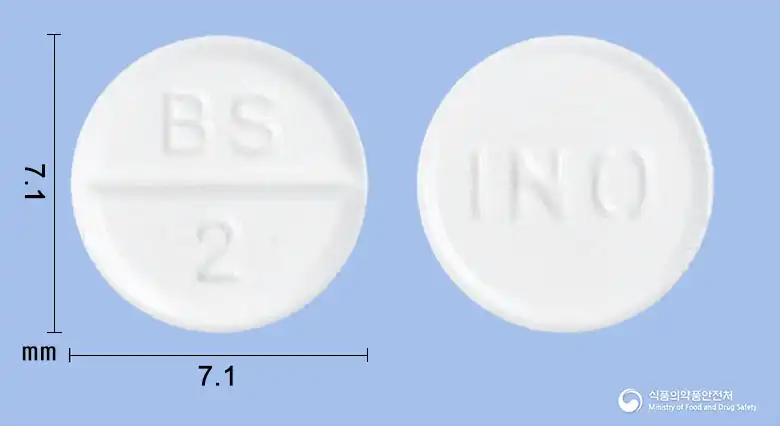
Voglibose 0.2mg
Tablet · Prescription medication
HK inno.N Co., Ltd.
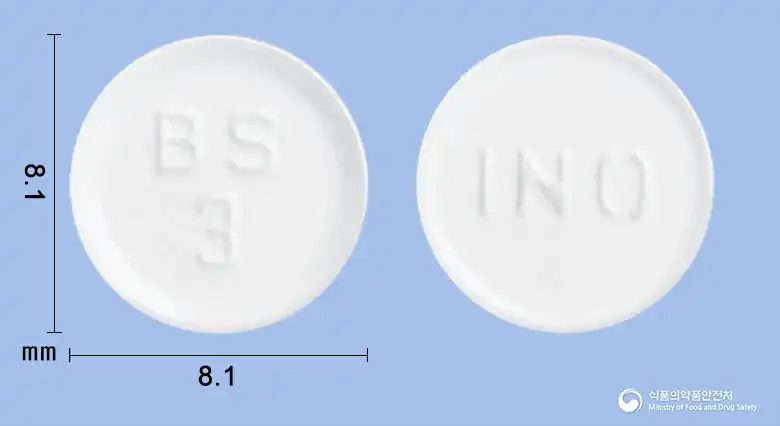
Voglibose 0.3mg
Tablet · Prescription medication
HK inno.N Co., Ltd.
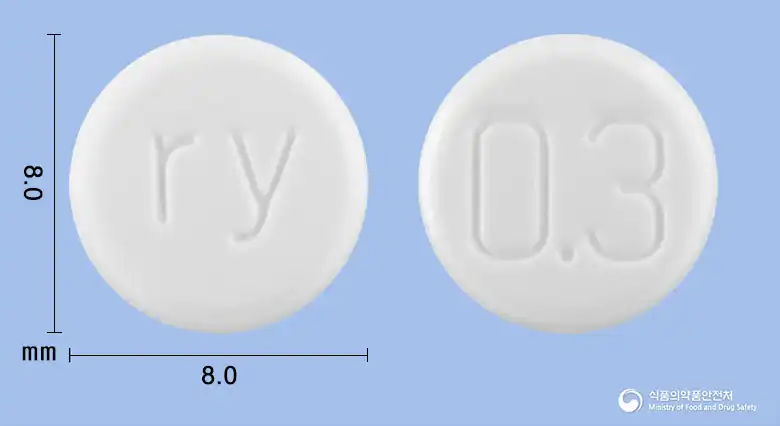
Voglibose 0.3mg
Tablet · Prescription medication
IYON Pharmaceutical Co., Ltd.
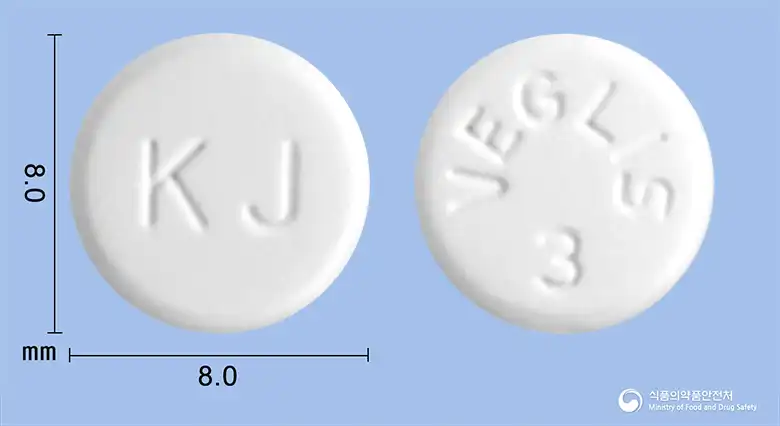
Voglibose 0.3mg
Tablet · Prescription medication
Kukje Pharmaceutical Co., Ltd.
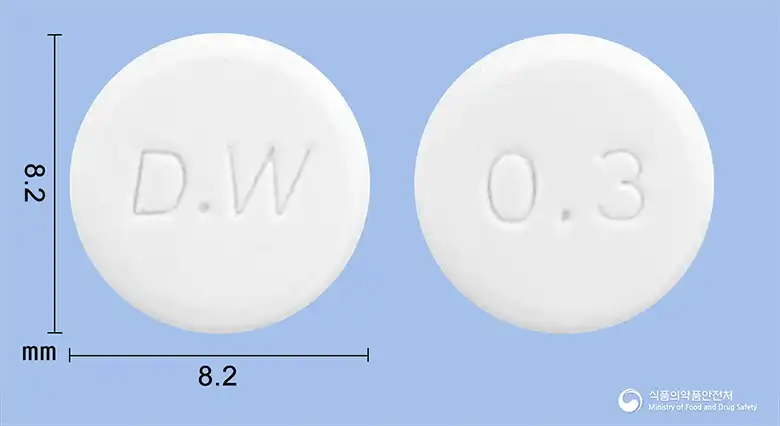
Voglibose 0.3mg
Tablet · Prescription medication
Daewong Pharmaceutical Co., Ltd.
Voglibose
Prescription medication
Daehwa Pharmaceutical Co., Ltd.
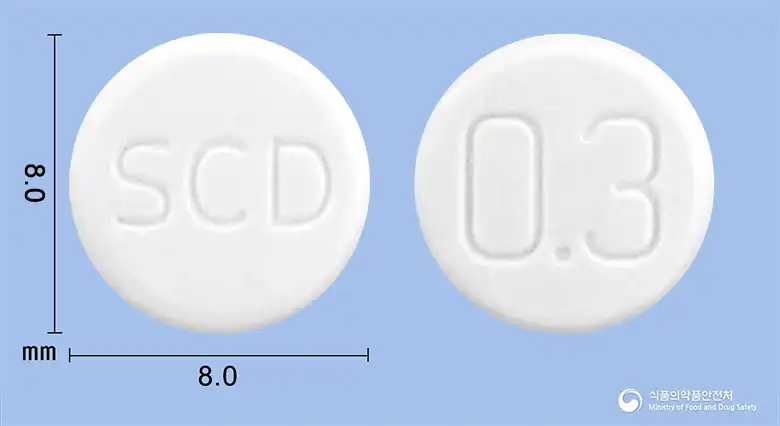
Voglibose 0.3mg
Tablet · Prescription medication
SamchunDang Pharmaceutical Co., Ltd.
Even with the same ingredient, the dose and directions can differ by strength and dosage form. Talk to a doctor or pharmacist before switching from a medication you are already taking.
No questions yet.
For anything that needs medical judgment, consult a doctor or pharmacist.
This drug information is based on data provided by the Korea Ministry of Food and Drug Safety.
Consult a doctor or pharmacist for accurate dosage, administration, and usage instructions.