
 한국어
 English
 日本語
 中文(简体)
 Viewing now
Desonix Oral Dissolving Film 0.1 mg (Desmopressin Acetate)
Desmopressin Acetate 0.1mg
Prescription medication
JW Pharmaceutical Corp.
MFDS item code 201602780 · Approved 2016.05.19 · Insurance code 644913640
Treatment of primary nocturnal enuresis (ages 5 years and older) and nocturia associated with nocturnal polyuria (adults)
This medicine is used for the treatment of primary nocturnal enuresis in children over 5 years of age and nocturia-related symptoms in adults. It helps alleviate the symptoms of frequent urination at night.
Treatment of nocturia associated with nocturnal polyuria (adults only): Administer 0.1mg of desmopressin acetate orally at bedtime. If the effect is insufficient after one week, increase the dose to 0.2mg. If the effect remains insufficient, the dose may be increased at one-week intervals up to 0.4mg. Discontinue treatment if there is no clinical effect within 4 weeks after dose titration. Immediately after removing this drug from its individual package, place it on the tongue, allow it to dissolve, and take it without water. This drug is an orally disintegrating tablet. After it dissolves, swallow it immediately without holding it in the mouth.
Primary nocturnal enuresis (age 5 years and older): Administer 0.2 mg of desmopressin acetate orally at bedtime. If the effect is insufficient, the dose may be increased to 0.4 mg. Whether to continue treatment should be determined after 3 months of administration, following discontinuation for at least 1 week.
This medicine regulates the body's fluid balance. When taking this medicine, only drink enough water to quench your thirst, as excessive fluid intake may increase the risk of hyponatremia or water intoxication leading to a coma. This medicine should not be administered to certain patients. For example, patients with allergies to this medicine or its components, those with severe renal dysfunction, patients with confirmed hyponatremia, and those taking diuretics should avoid taking this medicine. Caution is also needed when administering to patients with high blood pressure, heart disease, chronic kidney disease, women who are pregnant or potentially pregnant, children, the elderly, and those with conditions that may lead to fluid or electrolyte imbalance. Serious side effects such as headache, nausea, weight gain, convulsions, and coma may occur during use, requiring careful monitoring. Elderly patients are at higher risk of hyponatremia and should have their sodium levels checked through blood tests before and after administration. During treatment with this medicine, fluid intake should be limited, and drinking large amounts of water should be avoided from one hour before to eight hours after dosing. This medicine may interact with other drugs, so it should be discussed with a doctor or pharmacist if taken together with tricyclic antidepressants, diuretics, corticosteroids, and non-steroidal anti-inflammatory drugs. Women who are pregnant or breastfeeding should exercise caution when administering this medicine, and the decision should be made based on the doctor's judgment if necessary. In case of overdose, symptoms such as headache, vomiting, convulsions, and loss of consciousness may appear, and immediate medical attention is required.
Not everyone experiences these, and they can vary from person to person.
This medicine may be sensitive to air or moisture, so it must be stored in a tightly sealed container. It is important to maintain storage temperature between 1 to 30 degrees Celsius. This helps to preserve the efficacy of the medicine and ensures safe use.
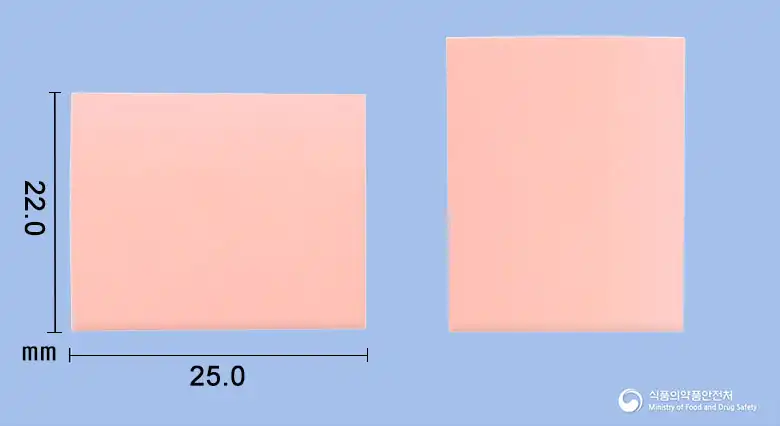
Rectangular oral dissolving film in pink or light pink color
(1 sheet / aluminum foil packaging) ×15
Even with the same ingredient, strength, dosage form and how it is taken can differ.
Viewing nowDesmopressin Acetate 0.1mg
Prescription medication
JW Pharmaceutical Corp.
Desmopressin Acetate 10mg
Prescription medication
Korea Ferring Pharmaceuticals Co., Ltd.
Desmopressin Acetate 4μg
Prescription medication
Korea Ferring Pharmaceutical Co., Ltd.
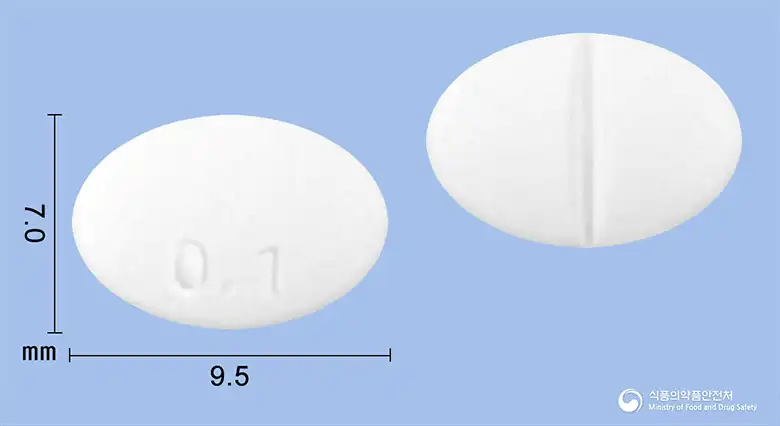
Desmopressin Acetate 0.1mg
Tablet · Prescription medication
Korea Ferring Pharmaceuticals Co., Ltd.
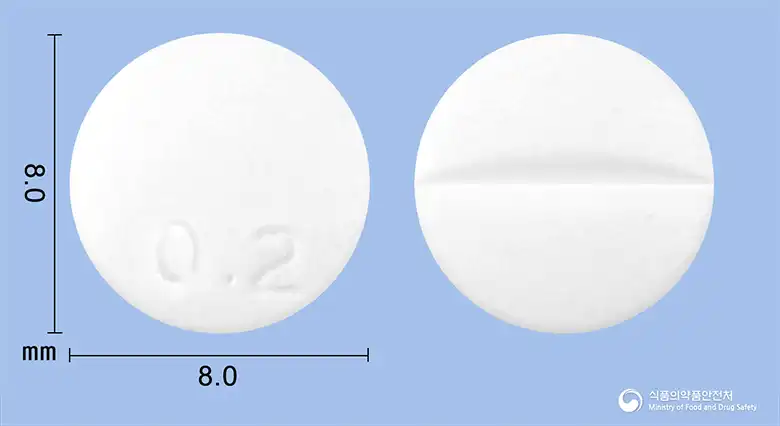
Desmopressin Acetate 0.2mg
Tablet · Prescription medication
Korea Ferring Pharmaceuticals Co., Ltd.
Desmopressin Acetate
Prescription medication
Korea Ferring Pharmaceuticals Co., Ltd.
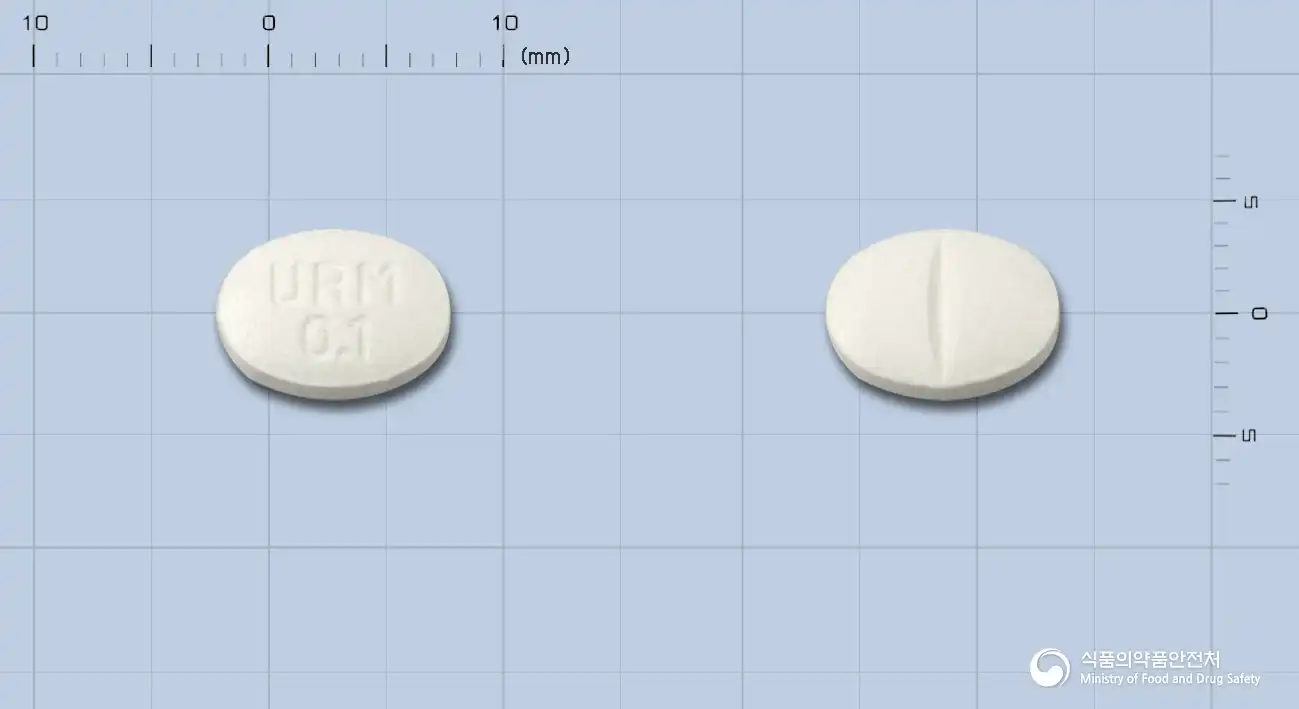
Desmopressin Acetate 0.1mg
Tablet · Prescription medication
Hyundai Pharmaceutical Co., Ltd.
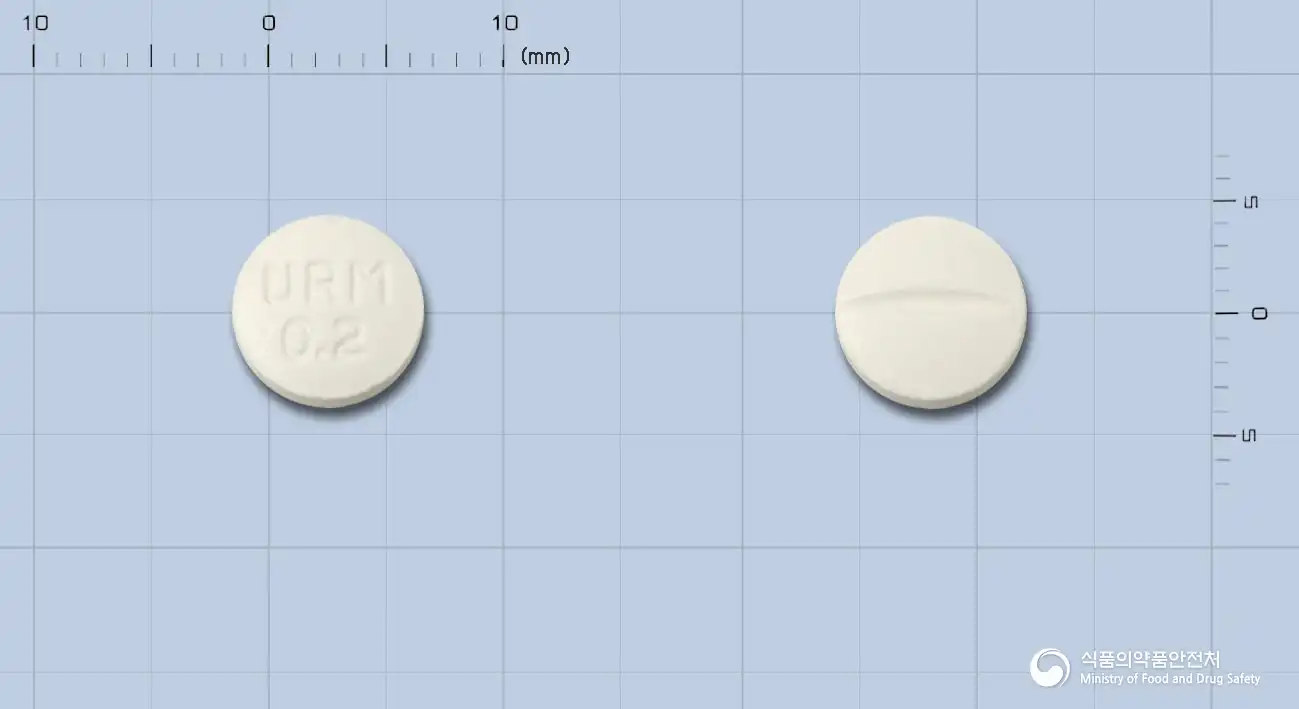
Desmopressin Acetate 0.2mg
Tablet · Prescription medication
Hyundai Pharmaceutical Co., Ltd.
Even with the same ingredient, the dose and directions can differ by strength and dosage form. Talk to a doctor or pharmacist before switching from a medication you are already taking.
No questions yet.
For anything that needs medical judgment, consult a doctor or pharmacist.
This drug information is based on data provided by the Korea Ministry of Food and Drug Safety.
Consult a doctor or pharmacist for accurate dosage, administration, and usage instructions.