
 한국어
 English
 日本語
 中文(简体)
Summary
- Main use
- Adjunctive treatment for weight management in patients with obesity or overweight accompanied by risk factors
- Who takes it
- Adults
- Adult dose
- This is an extended-release tablet and must be swallowed whole. Do not split, chew, or crush it. It is recommended that this product be taken with food. However, avoid high-fat meals. The recommended starting dose is 1 tablet once daily, with the dose increased over 4 weeks as follows. Week 1: 1 tablet in the morning Week 2: 1 tablet in the morning, 1 tablet in the evening Week 3: 2 tablets in the morning, 1 tablet in the evening Week 4 and thereafter: 2 tablets in the morning, 2 tablets in the evening Do not exceed the maximum dose of 2 tablets twice daily (32mg and 360mg as naltrexone hydrochloride and bupropion hydrochloride, respectively). Evaluate treatment response 12 weeks after reaching the maintenance dose. If weight loss of less than 5% compared with baseline is observed, discontinue this product because continued use is unlikely to achieve or maintain clinically meaningful weight loss. If you miss a dose of this product, do not take an extra dose; take the next tablet according to your usual schedule. Patients with renal impairment: For patients with moderate or severe renal impairment, the maximum recommended daily dose is 2 tablets (1 tablet in the morning and 1 tablet in the evening). No dosage adjustment is necessary in patients with mild renal impairment. Use is not recommended in patients with end-stage renal disease. Patients with hepatic impairment: The safety and efficacy of this product have not been established in patients with hepatic impairment. Use is contraindicated in patients with severe hepatic impairment and is not recommended in patients with mild or moderate hepatic impairment.
Ingredients
- Manufacturer
- Kwangdong Pharmaceutical Co., Ltd.
Efficacy & effects
Adjunctive treatment for weight management in patients with obesity or overweight accompanied by risk factors
- Obesity
- Type 2 diabetes
- dyslipidemia
- hypertension
- overweight
View approved original textHide original text
Used to assist in weight control for obese patients with a Body Mass Index (BMI) of 30 kg/m2 or more, or overweight patients with risk factors such as Type 2 diabetes, dyslipidemia, and hypertension, by supporting dietary management and exercise therapy.
How to take
Adult dose
This is an extended-release tablet and must be swallowed whole. Do not split, chew, or crush it. It is recommended that this product be taken with food. However, avoid high-fat meals. The recommended starting dose is 1 tablet once daily, with the dose increased over 4 weeks as follows. Week 1: 1 tablet in the morning Week 2: 1 tablet in the morning, 1 tablet in the evening Week 3: 2 tablets in the morning, 1 tablet in the evening Week 4 and thereafter: 2 tablets in the morning, 2 tablets in the evening Do not exceed the maximum dose of 2 tablets twice daily (32mg and 360mg as naltrexone hydrochloride and bupropion hydrochloride, respectively). Evaluate treatment response 12 weeks after reaching the maintenance dose. If weight loss of less than 5% compared with baseline is observed, discontinue this product because continued use is unlikely to achieve or maintain clinically meaningful weight loss. If you miss a dose of this product, do not take an extra dose; take the next tablet according to your usual schedule. Patients with renal impairment: For patients with moderate or severe renal impairment, the maximum recommended daily dose is 2 tablets (1 tablet in the morning and 1 tablet in the evening). No dosage adjustment is necessary in patients with mild renal impairment. Use is not recommended in patients with end-stage renal disease. Patients with hepatic impairment: The safety and efficacy of this product have not been established in patients with hepatic impairment. Use is contraindicated in patients with severe hepatic impairment and is not recommended in patients with mild or moderate hepatic impairment.
Precautions
This medication is not intended for the treatment of major depressive disorder or mental illnesses, and particularly in children and adolescents, it may increase the risk of suicidal thoughts or behaviors, therefore mental status should be carefully monitored during treatment. The ingredients in this drug can also be used as an aid to quitting smoking, but neuropsychiatric adverse reactions may occur, so any symptoms should be notified to a physician immediately. Due to the risk of seizures, the recommended dosage and schedule must be strictly followed, and caution is particularly advised for patients with a history of seizures or who are at high risk for seizures. Patients with cardiovascular or cerebrovascular diseases should regularly check their blood pressure and heart rate, and liver function abnormalities may occur, so liver health should also be closely monitored. This medication should not be taken with other appetite suppressants, and particularly using other medications for weight loss is not recommended due to unproven safety and efficacy. Patients with hypersensitivity to this medication or uncontrolled hypertension, seizure disorders, central nervous system tumors, certain mental disorders, severe liver or kidney disease, and pregnant or nursing women should not take this medication. Before taking this medication, considerations should be given to the patient's age, medical history, and current medications, and it is advisable for elderly patients over 75 years old to avoid this medication. While taking this medication, various side effects such as nausea, headaches, vomiting, dizziness, insomnia, elevated blood pressure, etc., may occur; consult a physician for any unusual symptoms. This medication may interact with other medications, particularly caution is needed when taken with MAO inhibitors, opioid analgesics, certain antidepressants, antipsychotics, beta-blockers, etc. Alcohol consumption while taking this medication should be avoided as it may provoke neuropsychiatric adverse reactions. Women who are pregnant or planning to become pregnant, as well as nursing mothers, should not take this medication, and its safety and efficacy have not been established in children and adolescents. Caution should be taken during driving or operating machinery due to the risk of dizziness, drowsiness, and seizures, and in cases of overdose, immediate medical attention should be sought for appropriate treatment. This medication should be stored out of reach of children and kept at room temperature below 30 degrees Celsius.
Side effects
Nausea, constipation, headache, vomiting, dizziness, insomnia, dry mouth, diarrhea, anxiety, facial flushing, fatigue, tremors, upper abdominal pain, viral gastroenteritis, influenza, tinnitus, urinary tract infection, hypertension, abdominal pain, excessive sweating, irritability, increased blood pressure, dysgeusia, rash, muscle strain, palpitations, tachycardia, myocardial infarction, vertigo, motion sickness, lower abdominal pain, belching, lip numbness, bloody stool, hernia, restlessness, abnormal sensation, weakness, thirst, fever sensation, cholecystitis, pneumonia, staphylococcal infection, kidney infection, elevated serum creatinine, elevated liver enzyme levels, decreased red blood cell volume, dehydration, herniated disc, jaw pain, concentration difficulties, hypersomnia, airway hyperreactivity, balance disorder, memory impairment, amnesia, mental disorders, syncope, abnormal dreams, neurosensitivity, dissociation, tension, mood swings, urgency, vaginal bleeding, irregular menstruation, erectile dysfunction, vulvar dryness, hair loss, loss of consciousness, serotonin syndrome, erythematous lupus, exacerbation of systemic lupus erythematosus, acute generalized pustular psoriasis, stupor, pain, chest discomfort, acne, loss of will, dyspepsia, abdominal distension, gastroesophageal reflux disease, oral sensory loss, hemorrhoids, hallucination, loss of consciousness, homonymous hemianopsia, conduction disorder, arrhythmia, fever, muscle rigidity, rhabdomyolysis, hypotension, sensory paralysis, coma, respiratory failure, itching, urticaria, angioedema, dyspnea, skin rash, chest pain, edema, shortened breath, joint pain, myalgia, febrile rash, serum sickness-like symptoms, sleep disorders, depression, anxiety, concentration difficulty, fainting, increased serum creatinine, suicidal thoughts, depression
Not everyone experiences these, and they can vary from person to person.
Storage
This medication should be stored in a well-sealed container to prevent air or moisture from entering. Moreover, it is important to keep it in a cool place at or below 25 degrees Celsius to maintain its effectiveness.
Appearance and packaging
Appearance
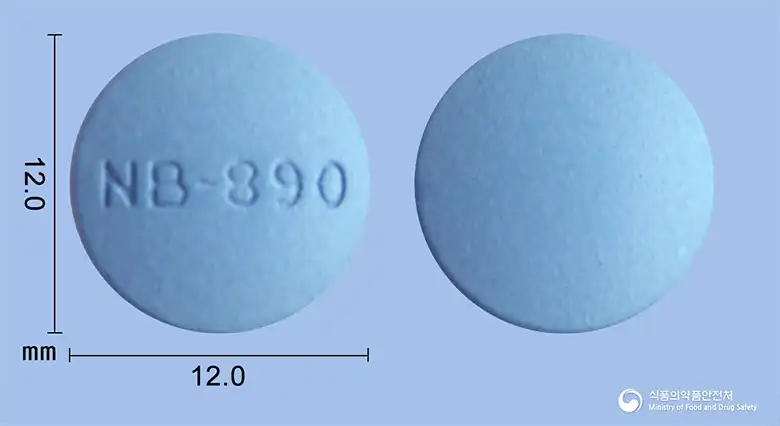
Blue, round, controlled-release film-coated tablet
Package unit
30 tablets/bottle, 120 tablets/bottle
Questions about this medicine
No questions yet.
For anything that needs medical judgment, consult a doctor or pharmacist.